Tradition guide
Cham Hinduism
Cham Hinduism sites connect places through shared lineage, practice, story, and pilgrimage across the global atlas.
4 sacred places share this lineage. Use the country links to narrow in.
Atlas summary
Cham Hinduism sacred sites overview
Cham Hinduism sacred sites connect places through shared lineage, ritual use, memory, and pilgrimage practice across the Pilgrim Map atlas.
Use this page to compare country clusters, common place types, UNESCO-tagged landmarks, and the map distribution before exploring individual site pages.
| Coverage | 4 Cham Hinduism sacred places in the current atlas. |
|---|---|
| Country clusters |
By country
Showing 1-4 of 4 sites in this tradition guide
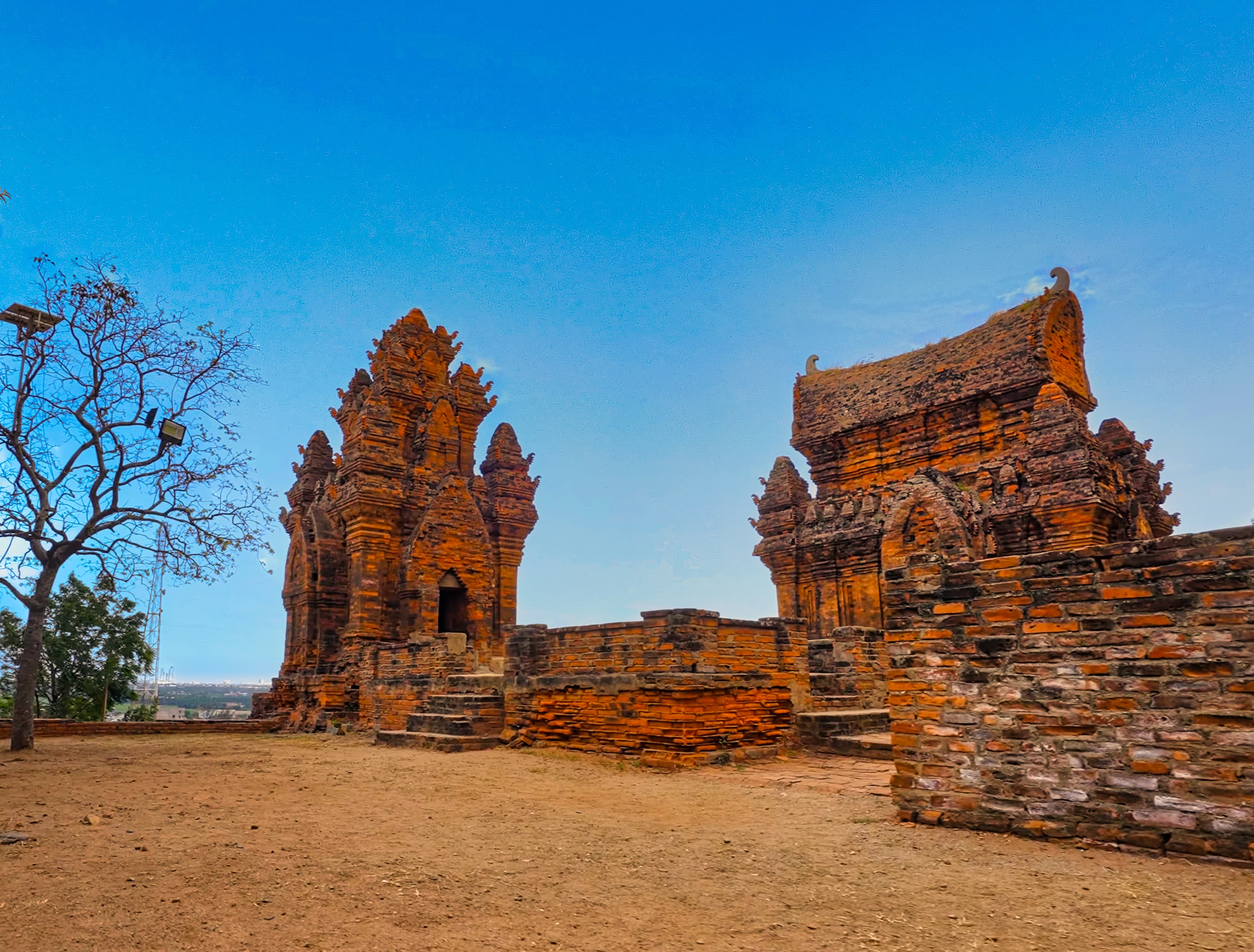
Po Klong Garai Towers
Phan Rang–Tháp Chàm, Khánh Hòa, Vietnam
Po Klong Garai is a Cham temple-tower complex in Phan Rang–Tháp Chàm where the deified king Po Klong Garai is honored within a Shaiva religious field....

Po Nagar Cham Towers
Nha Trang, Khánh Hòa, Vietnam
Po Nagar remains a living goddess sanctuary above the Cái River. Cham devotion to Yan Po Nagar and Vietnamese devotion to Thiên Y A Na meet there without becoming...
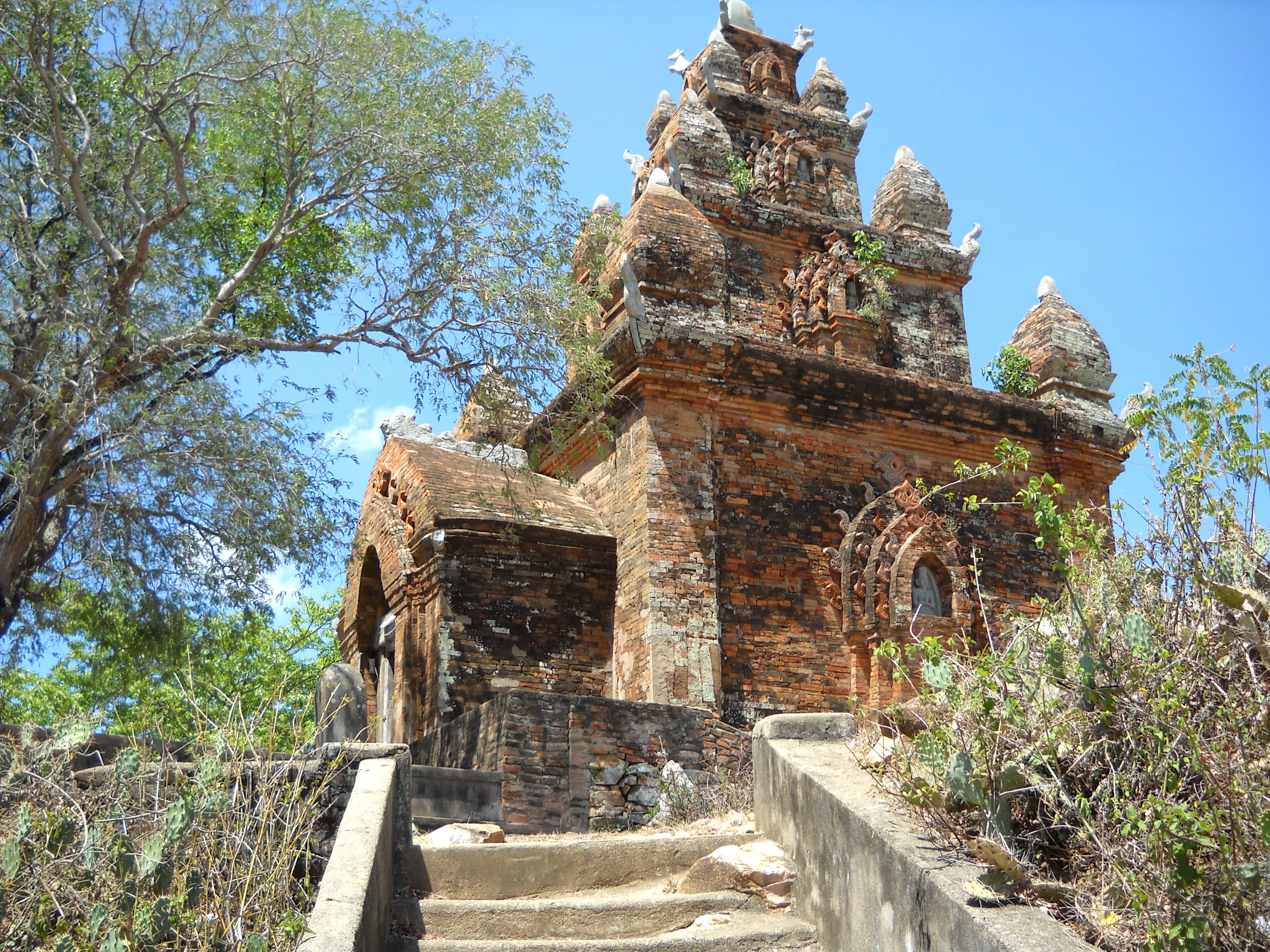
Po Rome Towers
Phước Hữu, Khánh Hòa, Vietnam
Po Rome Towers are a surviving Cham sanctuary in Ninh Thuận where the deified king Po Rome remains a focus of reverence....
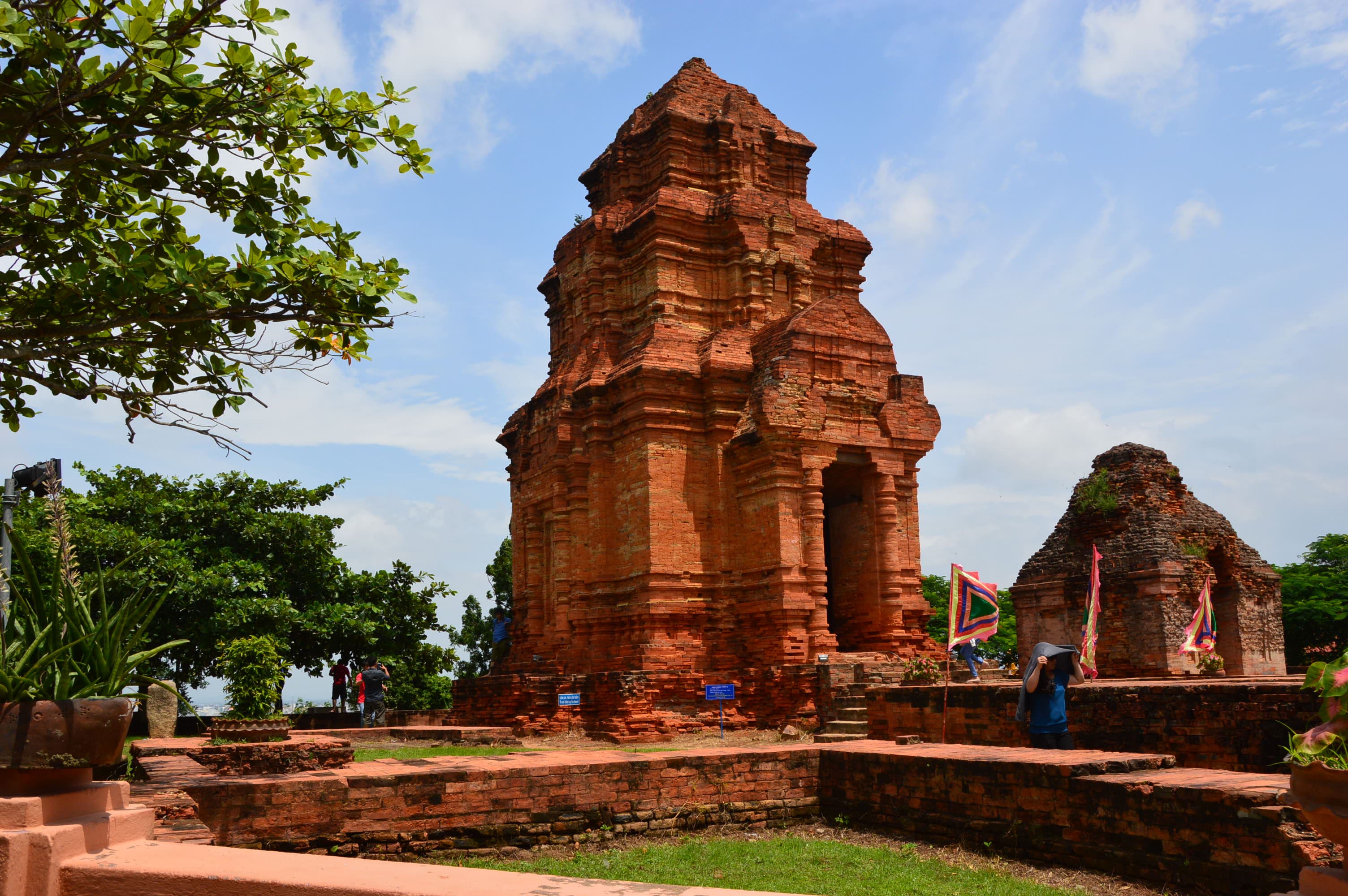
Pô Sah Inư Towers
Phú Thủy, Lâm Đồng, Vietnam
Pô Sah Inư Towers form a surviving Cham sanctuary in Phan Thiết. Their religious roots lie in Shaiva worship, while later community memory associates the complex with...
Key questions
Cham Hinduism sacred-site questions
What are Cham Hinduism sacred sites?
Cham Hinduism sacred sites are places connected by shared lineage, practice, memory, ritual use, or pilgrimage tradition.
Where can I find Cham Hinduism sacred sites?
The strongest country clusters in this guide include Vietnam.
What kinds of places are included?
The guide includes sacred landscapes, pilgrimage places, and ritual or historical sites where available.
Can I map Cham Hinduism sacred sites?
Yes. Compare country clusters and physical forms first, then open individual pages for coordinates, historical context, and visitor guidance.