Wat Phanan Choeng
An immense Buddha anchors Thai and Chinese devotion older than Ayutthaya
Understand sacred places, explore living traditions, and learn how to engage respectfully with Pilgrim Map.
Access has not been verified. Check current local guidance before planning a visit.
Phra Nakhon Si Ayutthaya, Phra Nakhon Si Ayutthaya, Thailand
Read the sources
Wat Phanan Choeng in Phra Nakhon Si Ayutthaya, Phra Nakhon Si Ayutthaya, Thailand. Image source · CC BY-SA 3.0
Visit essentials
A quick read before you go
- Duration
- Allow worship queues to move naturally instead of forcing a rapid circuit around the hall.
- Access
- The strong Places record identifies the Kamang riverside monastery; verify the operating gate on…
Overview
Expect worship rather than archaeological quiet. Watch the circulation around Luang Pho To, keep offering areas open, and avoid standing between the image and people bowing or chanting. Festival days can be crowded, so current temple guidance matters more than an assumed routine. Chronicle traditions, including the account of the image shedding tears before Ayutthaya's fall, belong on the page as attributed belief rather than verified physical event.
Wat Phanan Choeng's importance rests in durable veneration across political rupture and community boundaries, not in reducing the Buddha to a charm for prosperity.
Why this place is sacred
Luang Pho To is the temple's principal devotional focus. Gold leaf, scale, posture, and the enclosing hall concentrate worship around the Buddha rather than around an abstract promise of luck. Chinese devotees' name for the image and traditions connecting it with mariners show how one Buddha image can carry overlapping community histories. Miracle narratives, including the chronicle account of tears before Ayutthaya's fall, should be presented as reported tradition rather than verified physical fact.
The vast seated Buddha receives homage, merit-making, and community memory inside an active monastery.
Pre-capital foundation, chronicle traditions, migrant patronage, repairs, and continuing festivals sustain the shrine.
Experience and orientation
The image's immense scale can initially dominate attention. Look also at how worshippers approach, how the hall frames the Buddha, and how Thai and Chinese names coexist. Wat Phanan Choeng is spiritually significant because devotion has crossed political ruptures and community boundaries without becoming a generic prosperity shrine.
Enter behind active devotees and identify routes around Luang Pho To before stopping.
Context and lineage
Wat Phanan Choeng predates the formal establishment of Ayutthaya as a capital. Its great seated Buddha, Phra Phuttha Trai Rattananayok or Luang Pho To, is recorded in chronicles before King U Thong's foundation of the city. The temple remained active through Ayutthaya's changes and became especially meaningful to Chinese communities, who know the image as Sam Po Kong. This layered history joins Thai royal chronicles, river commerce, migrant devotion, and continuing monastery life.
Thai Theravada veneration remains primary while Chinese devotional memory enriches the same Buddha image.
Traditions and practice
Expect active homage, offerings, chanting, and crowded conditions on important days. Follow the temple's circulation around Luang Pho To, avoid standing between worshippers and the image, and do not touch offerings. Visitors should not claim participation in a blessing practice they have not learned from the community.
Busy holy days combine chanting, cloth or offering ceremonies, donations, and family devotion.
Listen for how worship directs movement around the image before examining decorative details.
Theravada Buddhism
ActiveLong veneration across political rupture gives Luang Pho To exceptional community continuity.
Prayer, chanting, offerings, donations, and festival participation follow the monastery's directions.
Perspectives and open questions
Chronicle history, Thai Buddhism, Chinese devotion, migration, and current ritual intersect around one image.
Scholarly perspective
Multiple names document community reception but do not make every prosperity association historically verifiable.
Living and traditional perspectives
Theravada homage frames Luang Pho To as a Buddha image worthy of recollection and merit.
Alternative interpretations
Travel claims promising guaranteed wealth or protection exceed the evidence in the reviewed sources.
Open questions
The exact origin of every festival custom and Chinese title remains incompletely documented here.
Plan your visit
Access and arrival
The strong Places record identifies the Kamang riverside monastery; verify the operating gate on arrival.
Respectful visit
Wear modest clothing suitable for a busy living monastery rather than an archaeological park.
Do not photograph individual devotees closely or interrupt rituals around the monumental Buddha.
Purchase or place devotional items only through arrangements authorized inside the temple.
Keep hands off gold, cloth, altar furniture, and offerings attached to Luang Pho To.
The chronicle's tears account must remain attributed tradition, never reported physical certainty.
Current practical details
Address
2, Tambon Kamang, Amphoe Phra Nakhon Si Ayutthaya, Chang Wat Phra Nakhon Si Ayutthaya 13000, Thailand
Phone
Hours
Hours, fees, and access can change — verify on the official source before you travel. Practical details last checked Jul 2026.
Location
Map loads as you approach this section.
Pilgrim reflections
A portrait of encounter, not a score
Pilgrims describe what they felt, how present they could become, and whether the place would shape a journey. There are no stars and no ranking of traditions.
No reviewed reflections yet
The first pilgrims can help describe the character of being here.
Share a reflection
Available after an account-backed “Been there.” Every reflection is reviewed before publication.
Nearby sacred places
Explore other sacred places in the region. Proximity does not establish access or travel time; check each place’s guidance.
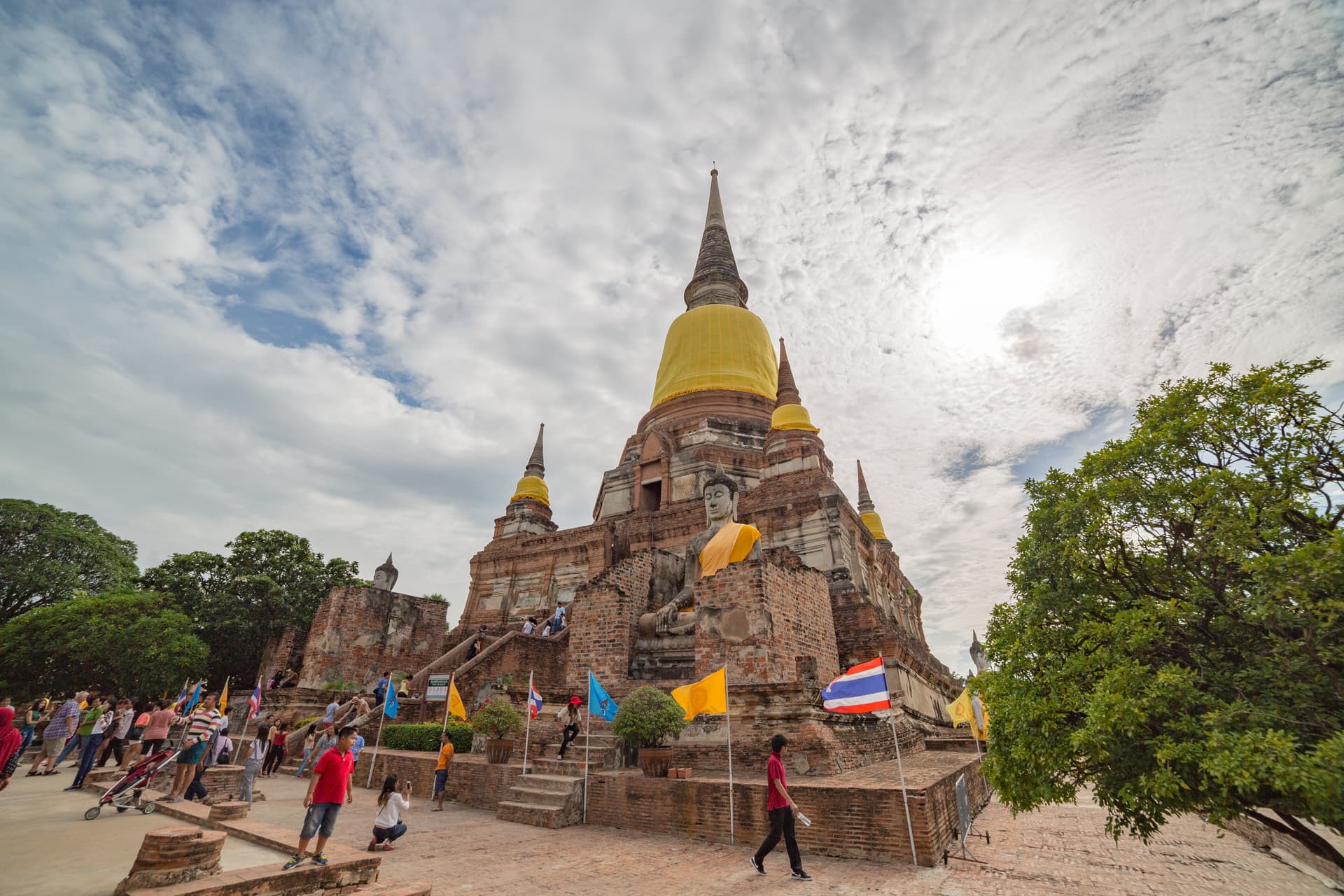
Wat Yai Chai Mongkhon
Phra Nakhon Si Ayutthaya, Phra Nakhon Si Ayutthaya, Thailand
1.5 km away
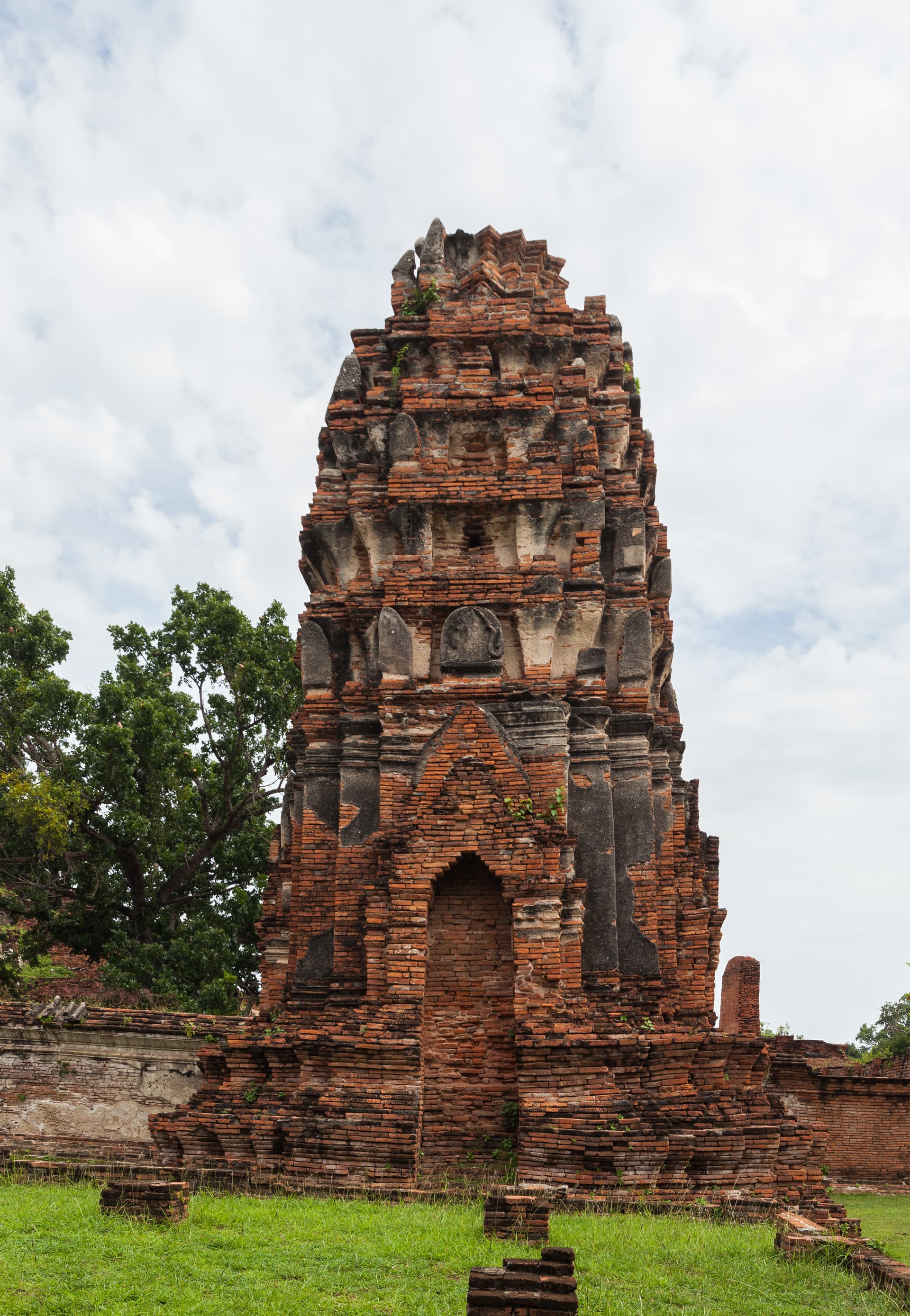
Wat Mahathat, Ayutthaya
Phra Nakhon Si Ayutthaya, Phra Nakhon Si Ayutthaya, Thailand
1.9 km away
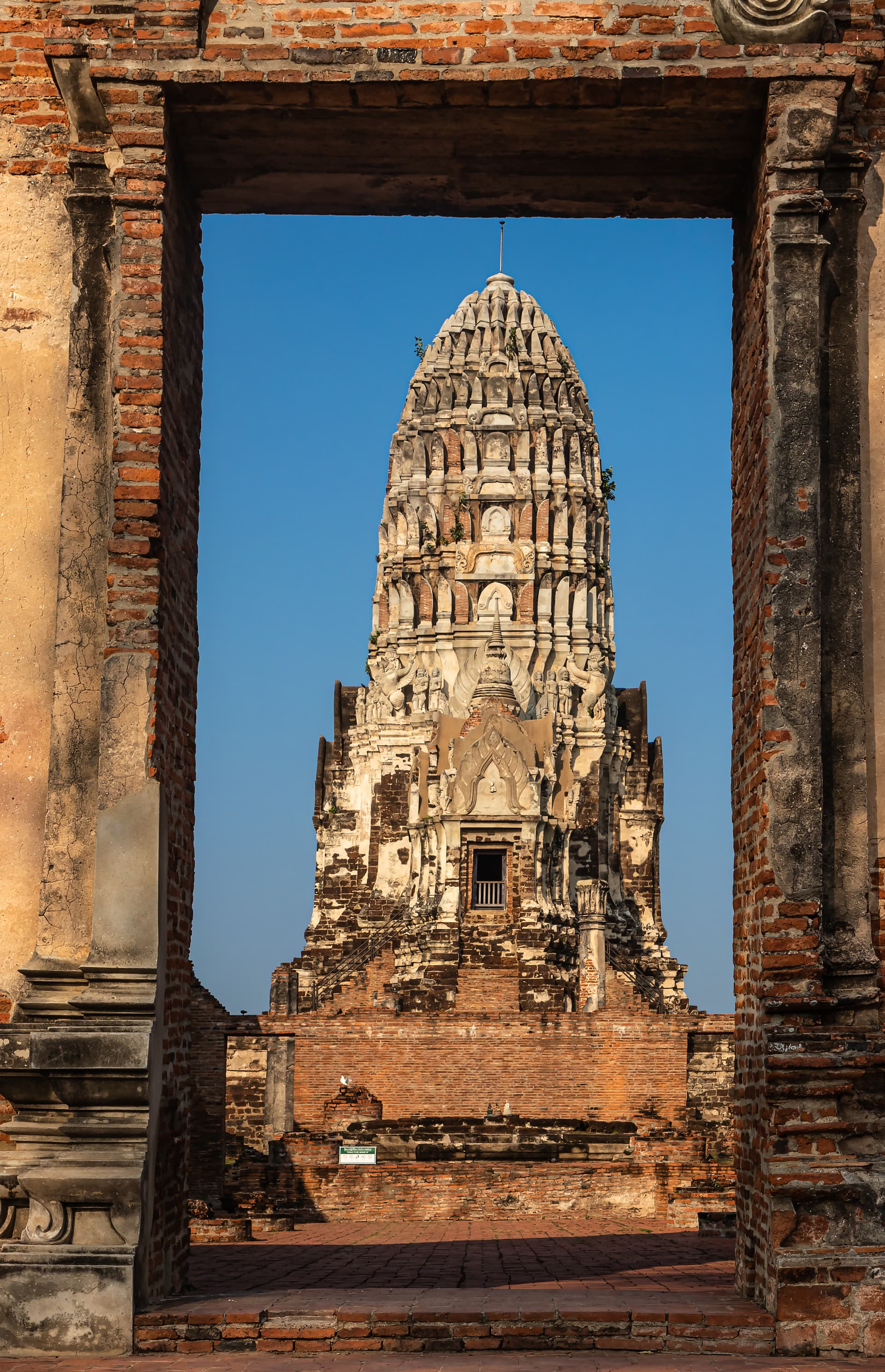
Wat Ratchaburana, Ayutthaya
Phra Nakhon Si Ayutthaya, Phra Nakhon Si Ayutthaya, Thailand
2.0 km away

Wat Phutthaisawan
Phra Nakhon Si Ayutthaya, Phra Nakhon Si Ayutthaya, Thailand
2.3 km away
References
Sources consulted for this page. Source categories describe the publication, not a guarantee that every claim is verified. Traditional accounts and outside interpretations may differ.
- 01Spiritual places to visit for blessing in 2025 — Tourism Authority of ThailandofficialOfficial detailed account of Luang Pho To, temple chronology, Chinese devotion, and current access.
- 02Nine Temples in Ayutthaya: Exotic Pilgrimage in the Historical City — Tourism Authority of ThailandofficialOfficial source for named temples, veneration, historical roles, and pilgrimage context.
- 03Wat Phanan Choeng — Wikipedia — Wikipedia contributorsacademicCorroborates identity, location, and basic historical context; key claims require higher-tier corroboration.
- 04Q2552345 — Wikidata — Wikidata contributorsacademicStructured identity and coordinate corroboration; not used alone for spiritual or historical claims.
- 05Wat Phanan Choeng Worawihan — Google Maps — Google PlacesSource contextStrong name, country, locality, and coordinate match; used only for practical visitor data and identity corroboration.
Share a photo
Help visitors recognize Wat Phanan Choeng. Every submission is reviewed before publication.