Wat Chiang Man
Chiang Mai's founding temple protects two small images with an outsized civic role
Understand sacred places, explore living traditions, and learn how to engage respectfully with Pilgrim Map.
Access has not been verified. Check current local guidance before planning a visit.
Chiang Mai, Chiang Mai, Thailand
Read the sources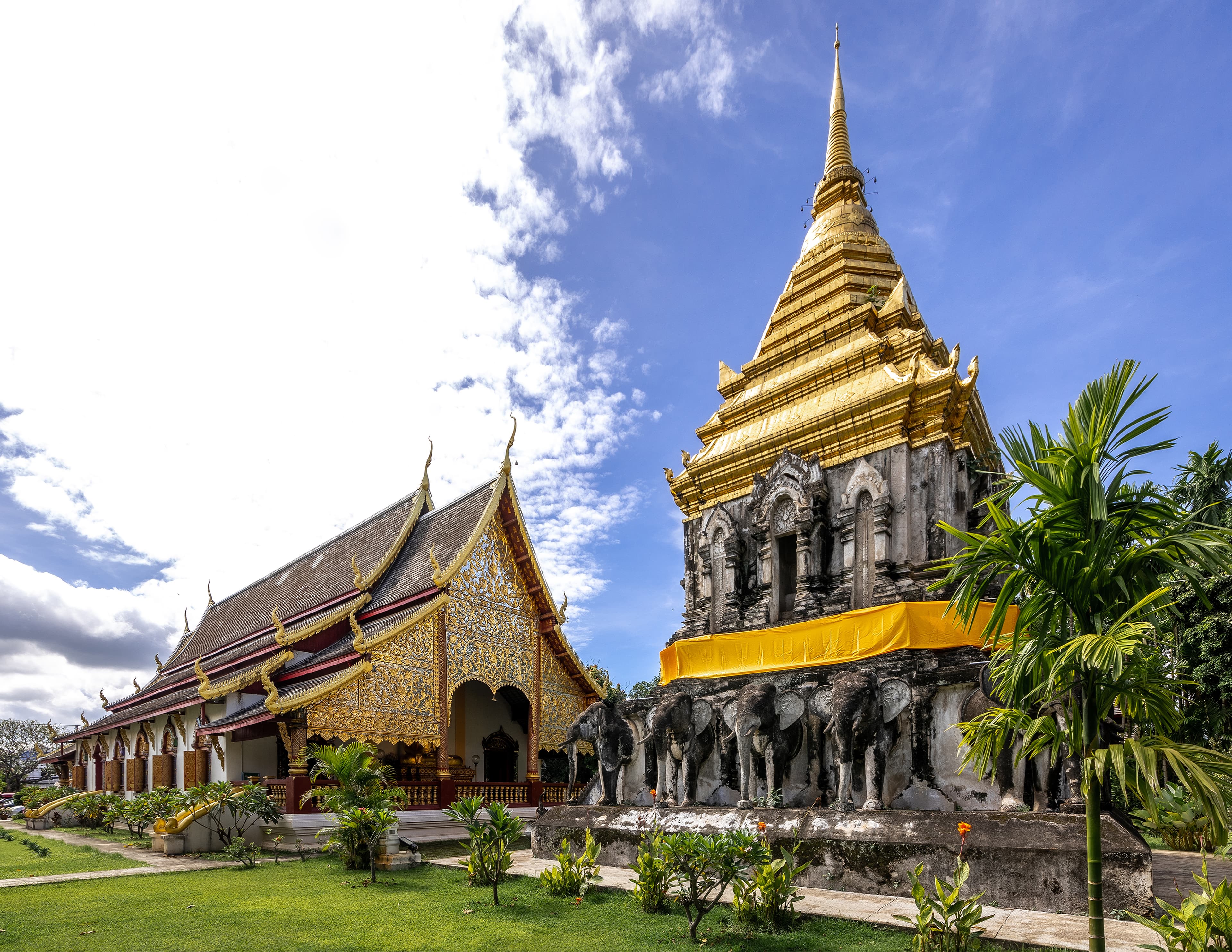
Wat Chiang Man in Chiang Mai, Chiang Mai, Thailand. Image source · CC BY 4.0
Visit essentials
A quick read before you go
- Etiquette
- The images' small scale makes crowding and raised cameras more disruptive than their protected…
Overview
Scale behaves unexpectedly at Wat Chiang Man. Fifteen stucco elephants appear to carry the oldest chedi, yet the sanctuary's most charged objects are small enough to require close attention. Phra Sae Tang Khamani is a crystal Buddha image; Phra Sila is a stone relief showing the Buddha taming Nalagiri. Their importance comes from histories of protection, movement, and ritual use rather than monumentality. Nearby, the 1581 inscription preserves an early record of Chiang Mai's founding date.
Temple, city, image, and text therefore share one precinct, each making a different claim on memory.
Why this place is sacred
Wat Chiang Man's sacred specificity lies in the way protection is narrated through portable images and fixed foundations. The palladia could be carried and displayed, while the elephant chedi, ubosot, and inscription root memory in a particular place. Traditional accounts assign rain-giving power to Phra Sila and disaster-averting protection to the crystal image. Those are living religious attributions, not effects that research can independently verify. Presenting them as beliefs preserves their cultural force without turning faith into a visitor guarantee.
The quieter discipline is to notice how Chiang Mai has entrusted civic well-being to both objects and institutions.
Experience and orientation
Start with the elephant chedi and walk its permitted perimeter without climbing the base or touching the projecting figures. In the smaller wihan, allow your eyes time to adjust before locating the two palladium images. Their modest dimensions make crowding and raised cameras especially intrusive. The main wihan contains a standing Buddha dated by inscription to 1465, while the ubosot stele speaks to the city's foundation. Read signs carefully because doors, screens, and ritual access can change.
The lotus pond and library offer a slower edge to the circuit without becoming recreational space detached from the monastery.
Context and lineage
Mangrai established Wat Chiang Man in 1297 on the site of his encampment at Wiang Nopburi while the new capital was being constructed. This makes it closely associated with Chiang Mai's beginning, though surviving buildings belong to several periods of rebuilding. The elephant chedi remains the compound's oldest structure. A stone inscription dated 1581 records the founding of Chiang Mai and earlier work on the ordination hall. Twentieth-century renovation under Khruba Siwichai altered the main wihan.
The two revered images carry more complex traditional histories, and scholarly dating does not always agree with temple narratives.
Traditions and practice
The monastery's routine is Theravada Buddhist: chanting, offerings, merit-making, teaching, and respect for the sangha. Phra Sila is especially associated in religious belief with rain and appears in Songkran observance at the end of the dry season. That ritual setting should not be copied casually outside its calendar and custodial framework. At ordinary times, visitors may pay respect quietly where access is allowed.
Keep the space before the palladium images open, place offerings only where instructed, and do not treat protective associations as invitations to request risky promises or transactional miracles.
Theravada Buddhism
ActiveTheravada devotion links the city palladia, Buddha images, relic chedi, sangha, and calendrical merit-making.
Perspectives and open questions
Traditional origin dates for the crystal image differ from stylistic scholarship, and both positions must remain attributed.
Scholarly perspective
Architectural study reads the elephant chedi as an early structure and follows later changes to halls, library, and ordination space. Epigraphy values the 1581 stele because it records the city's founding. Devotional history centers the crystal and stone images, including their attributed protective and rain-related powers. Scholars have proposed dates for the crystal image that differ sharply from traditional accounts, and the reported origin of Phra Sila also varies. A responsible page keeps those disagreements visible.
Devotees' claims are reported respectfully as belief; no supernatural protection or weather effect is asserted as independently established.
Plan your visit
Screens, hall openings, and Songkran access determine whether the palladia can be seen on any particular visit.
Respectful visit
The images' small scale makes crowding and raised cameras more disruptive than their protected display may suggest.
Current practical details
Address
171 Ratchapakhinai Rd Old City Tambon Si Phum, Amphoe Mueang Chiang Mai, Chang Wat Chiang Mai 50200, Thailand
Hours
Hours, fees, and access can change — verify on the official source before you travel. Practical details last checked Jul 2026.
Location
Map loads as you approach this section.
Pilgrim reflections
A portrait of encounter, not a score
Pilgrims describe what they felt, how present they could become, and whether the place would shape a journey. There are no stars and no ranking of traditions.
No reviewed reflections yet
The first pilgrims can help describe the character of being here.
Share a reflection
Available after an account-backed “Been there.” Every reflection is reviewed before publication.
Nearby sacred places
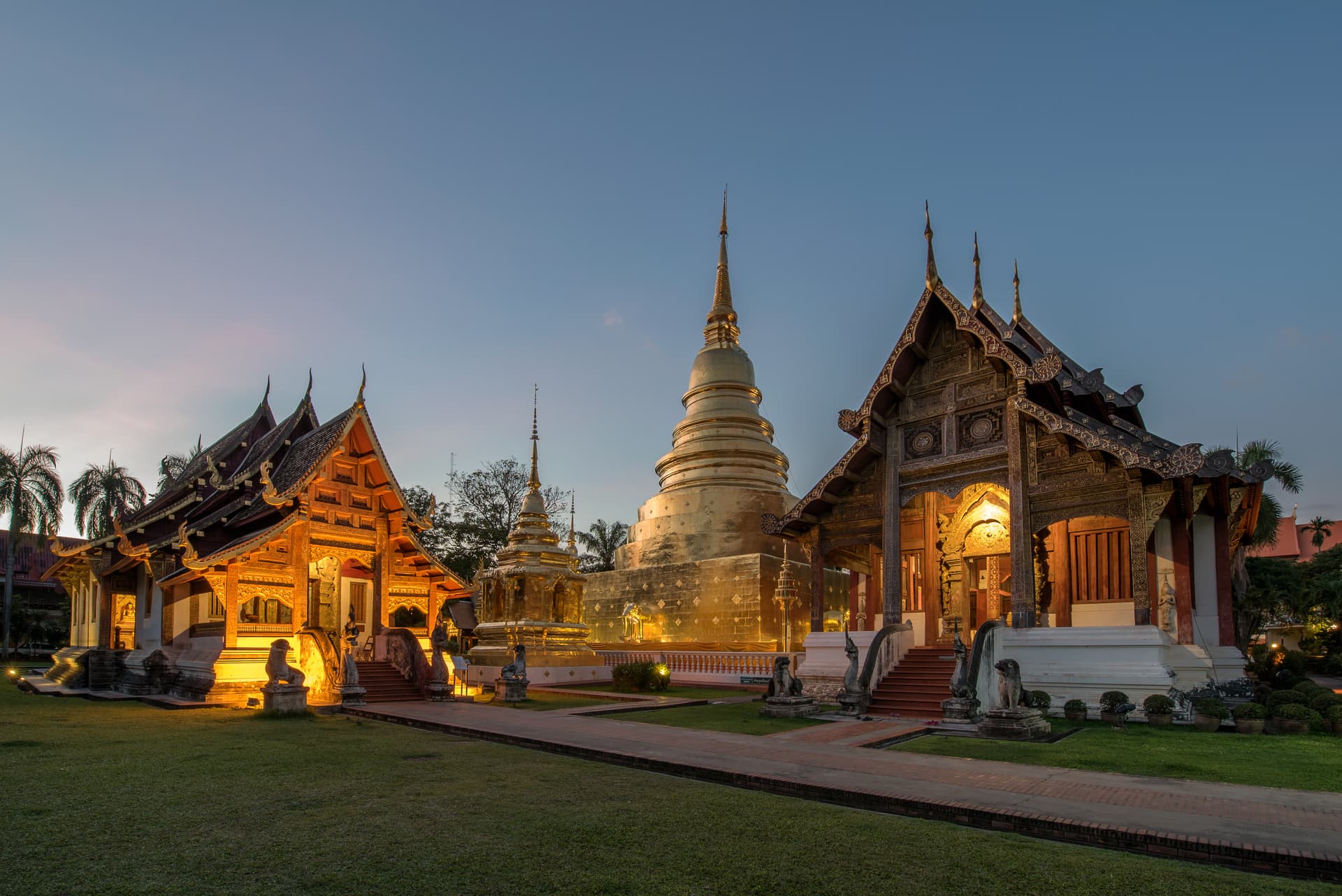
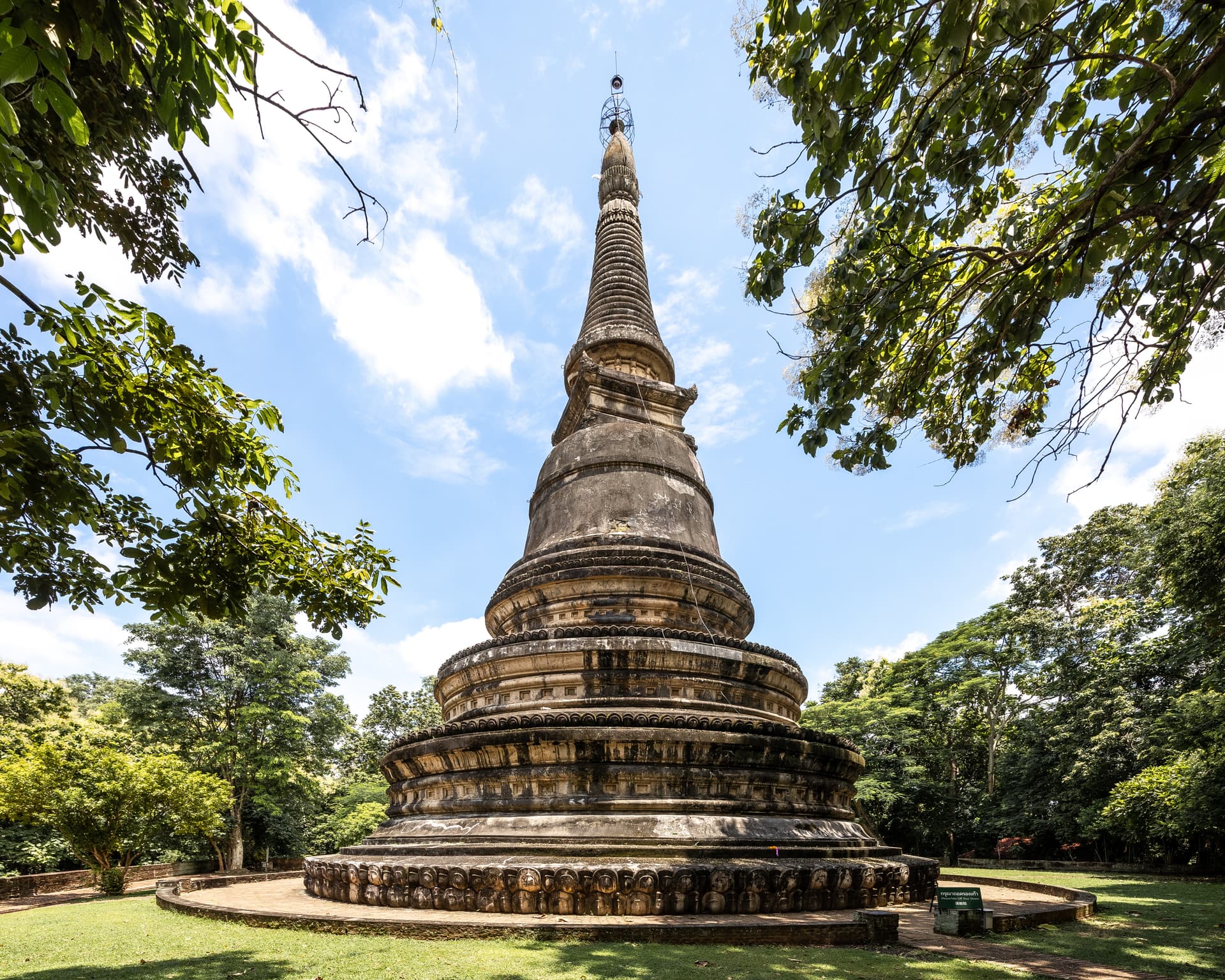
Explore other sacred places in the region. Proximity does not establish access or travel time; check each place’s guidance.


References
Sources consulted for this page. Source categories describe the publication, not a guarantee that every claim is verified. Traditional accounts and outside interpretations may differ.
- 01Wat Chiang Man — Wikipedia — Wikipedia contributorsacademicCorroborates identity, location, and basic historical context; key claims require higher-tier corroboration.
- 02Q1515582 — Wikidata — Wikidata contributorsacademicStructured identity and coordinate corroboration; not used alone for spiritual or historical claims.
- 03Wat Chiang Man — Google Maps — Google PlacesSource contextStrong name, country, locality, and coordinate match; used only for practical visitor data and identity corroboration.
Pilgrim glossary
- Sangha
- The community of Buddhist practitioners, traditionally monks and nuns.
Share a photo
Help visitors recognize Wat Chiang Man. Every submission is reviewed before publication.