Togakushi Shrine
Where the cave door of heaven fell to earth
Understand sacred places, explore living traditions, and learn how to engage respectfully with Pilgrim Map.
Access has not been verified. Check current local guidance before planning a visit.
Nagano, Nagano Prefecture, Japan
Read the sources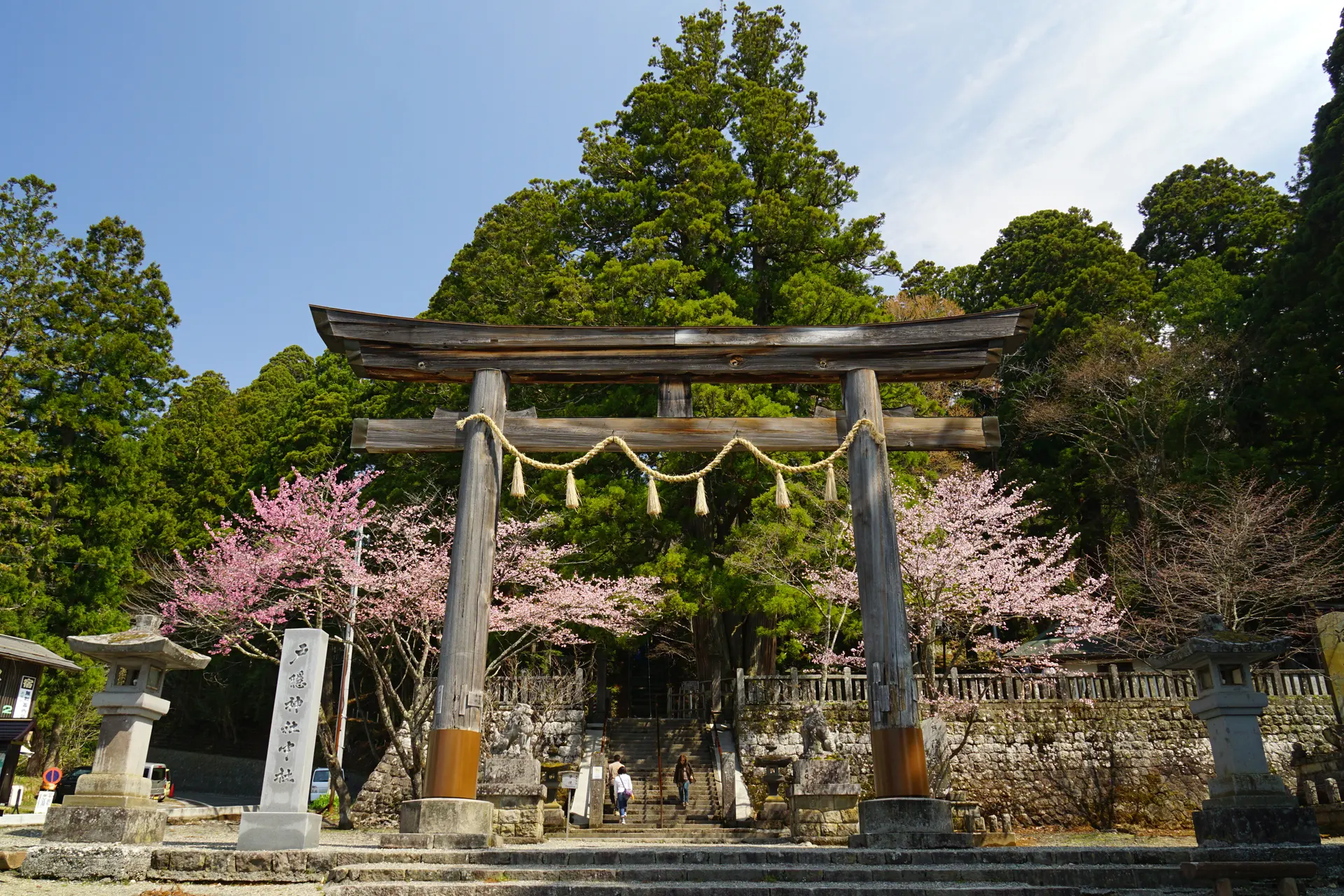
Image of Togakushi Shrine. Image source · CC-BY-2.5
Visit essentials
A quick read before you go
- Duration
- Half day minimum for the five-shrine pilgrimage (10-12 km total walking).
- Access
- From Tokyo: Hokuriku Shinkansen to Nagano Station (1.5 hours), then Alpico bus routes 70/73 to…
Overview
Japanese mythology says that when Amaterasu hid in her cave and darkened the world, Ame-no-Uzume's ecstatic dance drew her out. Ame-no-Tajikarao seized the cave door and hurled it across the heavens to Nagano, where it became Mount Togakushi—literally 'Hidden Door.' This is sacred geography, not metaphor: each of the mountain's five shrines enshrines a deity involved in restoring light. Pilgrims ascend from Hokosha, the lower shrine, to Okusha, the upper shrine where Tajikarao dwells.
The Okusha path passes approximately 80 ancient cedars, some 400 years old, whose height and silence visitors consistently describe as a natural cathedral. The full 10-12-kilometer mountain circuit is demanding, and physical effort deepens spiritual engagement. Tradition holds that pilgrims have walked here for over 2,000 years. In the medieval period Togakushi was a center of Shugendo, mountain asceticism blending Shinto and Buddhism, until the Meiji-era separation of religions ended that syncretic tradition. Ninja also trained on these slopes.
Today the sacred landscape lies protected as natural heritage within Myōkō-Togakushi Renzan National Park.
Why this place is sacred
What makes Togakushi thin is the literal identification of landscape with cosmology. This mountain is not named for the cave door—it is the cave door, the physical object that flew across heaven and landed here when Tajikarao threw it. To walk these slopes is to walk on material from the divine realm, geography that participated in the cosmic event when darkness was overcome. The five shrines anchor this mythology to specific locations.
Okusha enshrines Tajikarao himself, the god of strength who pulled Amaterasu from her cave. Chusha enshrines Omoikane, the god of wisdom who devised the plan. Hinomikosha enshrines Ame-no-Uzume, whose dance made the gods laugh and drew Amaterasu's curiosity. Each shrine offers specific blessings: academic success at Hokosha, love and marriage at Hinomikosha, wisdom at Chusha, water and rain at Kuzuryusha, strength at Okusha. The pilgrimage connecting them creates structured journey through the mythology.
The cedar avenue to Okusha intensifies the approach. Approximately 80 trees, some 400 years old, line the path like columns in a living cathedral. Light filters through the canopy; sound muffles in the forest. The transition from ordinary consciousness begins before reaching the shrine. For a millennium before the Meiji restoration, Shugendo practitioners trained here—mountain ascetics seeking enlightenment through direct encounter with wild nature.
The ninja who trained in these slopes added another layer: practical martial skill merged with spiritual seeking. The syncretism is gone now, replaced by pure Shinto, but the mountain remembers its multiple traditions.
The shrines were established to enshrine the deities who helped restore light to the world after Amaterasu's withdrawal into her cave. The mountain itself is considered sacred as the physical cave door from the myth.
From around 850 CE until the Meiji-era separation in 1868, Togakushi was a major center for Shugendo—mountain asceticism blending Shinto and Buddhism. The Meiji government converted the complex to pure Shinto. The historical Shugendo layer persists in the mountain's atmosphere though no longer in formal practice.
Experience and orientation
The Togakushi experience unfolds as pilgrimage across mountain terrain. The full circuit connects five shrines across 10-12 kilometers of forest trails, each shrine offering distinct atmosphere and blessing. Most visitors begin at Chusha, the middle shrine, which sits at the heart of the complex. The three 800-year-old cedars here anchor ancient presence. Hokosha, the lower shrine, is most accessible and offers blessings for academic success and women's protection.
Hinomikosha, just past Chusha, enshrines the dancing goddess Ame-no-Uzume—the most romantic of the shrines, associated with love and marriage. But the pilgrimage's spiritual center is Okusha, the upper shrine reached by a 2-kilometer walk from the parking area. The path to Okusha transforms as it goes. After the Zuishinmon gate—itself a threshold between ordinary and sacred—the famous cedar avenue begins. Approximately 80 trees, 400 years old, tower on either side of the path. Light changes. Sound dampens.
The silence is not empty but present, a listening quality in the air. Visitors consistently describe the avenue as cathedral-like, though no human architect designed it. At the end, Okusha rests against the mountain itself. Tajikarao, the god of strength who pulled Amaterasu from her cave and threw the door across heaven, dwells here. The deity's power—physical strength, overcoming obstacles, victory—is available to those who complete the pilgrimage.
The return journey, passing through the same landscapes, allows integration of the experience. Many visitors find the descent contemplative in ways the ascent was not.
The full five-shrine pilgrimage covers 10-12 kilometers and requires a half day. For shorter visits, the cedar avenue to Okusha (2 km one way) offers the most spiritually intense experience. Chusha makes a good starting point with its ancient cedars. Hinomikosha rewards those seeking love blessings. Wear proper hiking attire and carry water.
Context and lineage
According to Japanese mythology, Amaterasu, the sun goddess and supreme deity of Shinto, hid in the Ama-no-Iwato cave after being traumatized by her brother Susanoo's violence. The world fell into darkness. The eight million kami gathered to devise a plan. Omoikane, the god of wisdom (enshrined at Chusha), proposed the solution. Ame-no-Uzume (enshrined at Hinomikosha) performed an ecstatic dance that caused such laughter among the gods that Amaterasu emerged to see what was happening.
At that moment, Ame-no-Tajikarao (enshrined at Okusha) seized the cave door and threw it with such force that it flew across the heavens and landed in Nagano, becoming Mount Togakushi—the Hidden Door. According to tradition, Okusha was founded in 210 BCE, making it one of Japan's oldest shrines, though documented history begins around 850 CE when the site developed as a Shugendo center.
Togakushi Shrine was converted from syncretic Shugendo to pure Shinto during the Meiji-era Shinbutsu bunri (separation of Buddhism and Shinto) in 1868.
Ame-no-Tajikarao
God of strength, enshrined at Okusha, who pulled Amaterasu from her cave and threw the door across heaven
Omoikane
God of wisdom, enshrined at Chusha, who devised the plan to lure Amaterasu from her cave
Ame-no-Uzume
Goddess of dawn and revelry, enshrined at Hinomikosha, whose ecstatic dance drew Amaterasu's curiosity
Traditions and practice
The five shrines offer specific blessings: Hokosha for academic success and women's protection, Hinomikosha for love and marriage, Chusha for wisdom, Kuzuryusha for water and rain, Okusha for strength. The pilgrimage traditionally ascends from lower to upper shrines. During the syncretic period (850-1868), Shugendo practitioners trained here in mountain asceticism.
Daily worship continues at all five shrines. The pilgrimage route remains active, with visitors seeking blessings at each shrine. The cedar avenue to Okusha is considered Japan's most atmospheric approach to a shrine. Optional cultural activities include soba-making workshops (Togakushi soba is famous throughout Japan) and visits to the ninja museum.
Walk the cedar avenue to Okusha slowly—the transition it creates is as important as the destination. Make prayers at whichever shrine corresponds to your seeking: Hinomikosha for love, Chusha for wisdom, Okusha for strength. The physical effort of the pilgrimage is part of its meaning.
Shinto
ActiveTogakushi Shrine's five shrines enshrine the deities who helped bring Amaterasu back from her cave, restoring light to the world. The mountain itself is the physical cave door from the myth. With over 2,000 years of tradition, the shrine complex is among Japan's most ancient.
Pilgrimage to all five shrines offers structured spiritual journey. Each shrine provides specific blessings: academic success, love and marriage, wisdom, water/rain, and strength. Walking the sacred cedar avenue creates meditative passage.
Shugendo (historical)
HistoricalFrom around 850 CE until 1868, Togakushi was a major center for Shugendo—mountain asceticism blending Shinto and Buddhist elements. The site was ranked alongside Mount Hiei and Mount Koya as one of the 'Sanzenbou Sanzan' (three mountains of 3,000 monks).
Historical mountain ascetic practices ended with the Meiji-era separation of Buddhism and Shinto. The syncretic tradition is no longer formally practiced.
Perspectives and open questions
Togakushi can be experienced as sacred geography made literal, as structured pilgrimage through mythology, or as preserved natural landscape within national park protection.
Scholarly perspective
Historians recognize Togakushi as a significant site of mountain worship and Shugendo practice that was converted to pure Shinto during the Meiji-era Shinbutsu bunri. The claimed 2,000+ year antiquity is traditional rather than archaeologically confirmed. The site's development as one of the 'Sanzenbou Sanzan' (three mountains of 3,000 monks) during the Kamakura period is documented. The connection to Togakure-ryu ninjutsu adds martial arts historical significance.
Living and traditional perspectives
Within Shinto tradition, Mount Togakushi is literally the cave door from the Amaterasu myth, making this sacred geography of cosmic significance. The deities enshrined at each of the five shrines are living presences who continue to bestow blessings. The cedar trees are sacred beings anchoring spiritual presence. Walking these paths is walking on material from the divine realm.
Alternative interpretations
Many visitors approach Togakushi as a 'power spot' where concentrated spiritual energy can be accessed. The ninja connection adds martial/esoteric dimension for some seekers. The mountain's natural beauty draws those seeking sacred landscape regardless of specific religious framework.
Open questions
The precise dating of the shrines' origins is uncertain. The exact nature of historical Shugendo practices at the site before Meiji conversion is not fully documented.
Plan your visit
Access and arrival
From Tokyo: Hokuriku Shinkansen to Nagano Station (1.5 hours), then Alpico bus routes 70/73 to Togakushi (about 1 hour). Buses connect the various shrine areas.
Lodging available in the Togakushi area for immersive experience. Most visitors stay in Nagano City and day-trip.
Respectful visit
Comfortable hiking attire with good walking shoes essential. The trails are uneven with roots and rocks. Weather-appropriate layers recommended for mountain conditions.
Generally permitted. Be respectful of the contemplative atmosphere, especially in the cedar avenue.
Monetary offerings at each shrine. Omamori available for various blessings.
Free entry to all shrines. Significant walking required (2 km to Okusha one way, 10-12 km for full pilgrimage). Some areas inaccessible in winter. Standard Shinto etiquette (bow at torii, purify at temizuya).
The full pilgrimage covers 10-12 kilometers with significant elevation change. Proper hiking attire and shoes are essential. Some areas become inaccessible in winter. Allow at least a half day for thorough exploration.
Current practical details
Address
3506 Togakushi, Nagano, 381-4101, Japan
Phone
Hours
Hours, fees, and access can change — verify on the official source before you travel. Practical details last checked Jun 2026.
Location
Map loads as you approach this section.
Pilgrim reflections
A portrait of encounter, not a score
Pilgrims describe what they felt, how present they could become, and whether the place would shape a journey. There are no stars and no ranking of traditions.
No reviewed reflections yet
The first pilgrims can help describe the character of being here.
Share a reflection
Available after an account-backed “Been there.” Every reflection is reviewed before publication.
Nearby sacred places
Explore other sacred places in the region. Proximity does not establish access or travel time; check each place’s guidance.


References
Sources consulted for this page. Source categories describe the publication, not a guarantee that every claim is verified. Traditional accounts and outside interpretations may differ.
- 01Togakushi Shrine Official Website — Togakushi ShrineofficialOfficial shrine website
- 02Go! NAGANO - Visiting the Five Shrines — Nagano Prefecture TourismofficialOfficial Nagano tourism resource
- 03Nagano City Official Travel Guide — Nagano City TourismofficialOfficial city tourism resource
- 04Togakushi Shrine - Wikipedia — Wikipedia contributorsencyclopediaGeneral overview
- 05Togakushi Shrine - Japan Guide — Japan GuideguidePractical visitor information
Pilgrim glossary
- Torii
- The traditional Japanese gate marking the entrance to a Shinto sacred area.
Share a photo
Help visitors recognize Togakushi Shrine. Every submission is reviewed before publication.