Kollur Mookambika Temple
Goddess devotion at the foot of the Kodachadri landscape
Kolluru, Karnataka, India
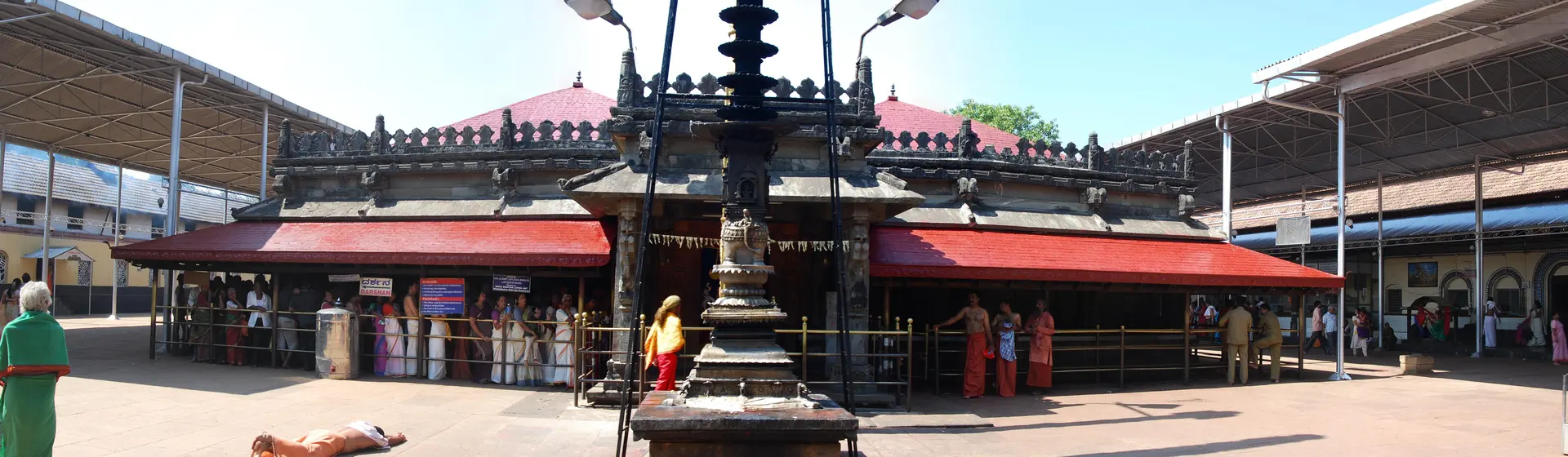
Mookambika Temple, Kollur. Image source · CC BY-SA 3.0
Visit essentials
Before you go
- Etiquette
- Follow the temple's clothing, footwear, and photography requirements.
Overview
Kollur Mookambika Temple in Karnataka is a major goddess pilgrimage destination, visited by people from Karnataka, Kerala, and farther afield. Devotees seek blessings for learning, family life, protection, and health. The temple's relationship with the goddess and with Shankaracharya's remembered presence gives it a religious identity broader than a single healing claim.
Why this place is sacred
Mookambika is approached as a protective and sustaining divine presence. A family's prayer may concern education, an illness, or the beginning of a new stage of life. The breadth of those petitions matters: the temple is not defined only by reports of extraordinary cures, and devotion should not be represented as a guaranteed solution to a medical problem.
Healing traditions
Goddess protection and wellbeing tradition
Kollur's tradition describes the goddess overcoming Mookasura and remaining as Mookambika, a protective presence for devotees. Prayers for health and family wellbeing belong to that wider devotion, alongside learning and spiritual insight. The reviewed temple history supports the protective narrative, but does not supply a particular person's recovery that can be responsibly retold here.
Ways to participate
Confirm the temple's entry customs and offer a simple intention during darshan. Ask the temple office about an archana or other ordinary prayer rather than assuming a special healing ceremony is needed. Time spent quietly listening to worship can also give the visit focus.
These accounts describe religious traditions and reported experiences. They do not promise a cure or replace medical care.
Context and lineage
The temple's published legend recounts the goddess's defeat of Mookasura. In that account, divine powers unite in her, and she remains present at Kollur as Mookambika. Another tradition associates Shankaracharya with worship and the consecration of the goddess's image. These narratives explain the site's sacred meaning; they should be distinguished from the historical study of its architecture and the different periods of patronage and repair.
Traditions and practice
Darshan, puja, and ceremonies connected with learning are among the forms of worship associated with Kollur. Ask the temple about current services and the meaning of any offering you wish to make. Practices and access arrangements can differ by occasion; a travel account should not substitute for the attendants' directions.
Shaktism
ActiveThe shrine honours Mookambika within this tradition.
Plan your visit
Kollur is inland from Karnataka's coast in Udupi district. Karnataka Tourism identifies road connections from nearby towns and the coastal railway corridor. Confirm the final journey, temple schedule, and accommodation directly before travel. A visit to the temple and a journey onto Kodachadri are separate undertakings with different access and physical demands.
Respectful visit
Follow the temple's clothing, footwear, and photography requirements. Keep ritual spaces clear and do not record children or families participating in ceremonies without permission. If seeking blessings for illness, allow room for uncertainty and personal choice; no one should be blamed for an outcome or pressured to abandon medical support.
Location
Map loads as you approach this section.
Pilgrim reflections
A portrait of encounter, not a score
Pilgrims describe what they felt, how present they could become, and whether the place would shape a journey. There are no stars and no ranking of traditions.
No reviewed reflections yet
The first pilgrims can help describe the character of being here.
Share a reflection
Available after an account-backed “Been there.” Every reflection is reviewed before publication.
Nearby sacred places
Explore other sacred places in the region. Proximity does not establish access or travel time; check each place’s guidance.

Belkal Theertha (Govinda Theertha)
Udupi, Karnataka, India
9.2 km away

Anegudde Shree Vinayaka Ganapathi Temple, Anegudde, Karnataka
Kumbhashi, Karnataka, India
34.8 km away
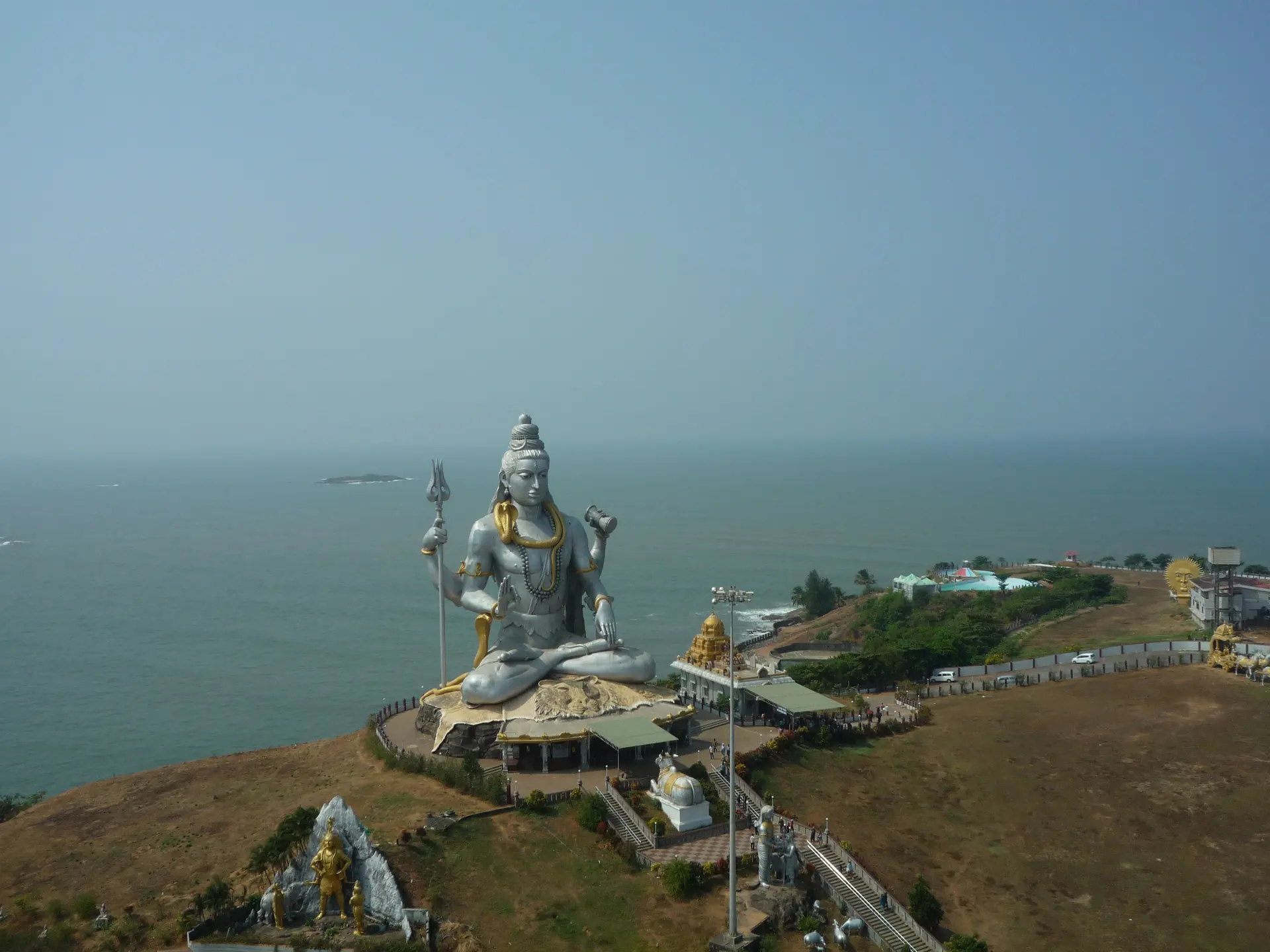
Murudeshwara Shiva temple, Bhatkal Taluk, Karnataka
Bailuru, Karnataka, India
43.8 km away
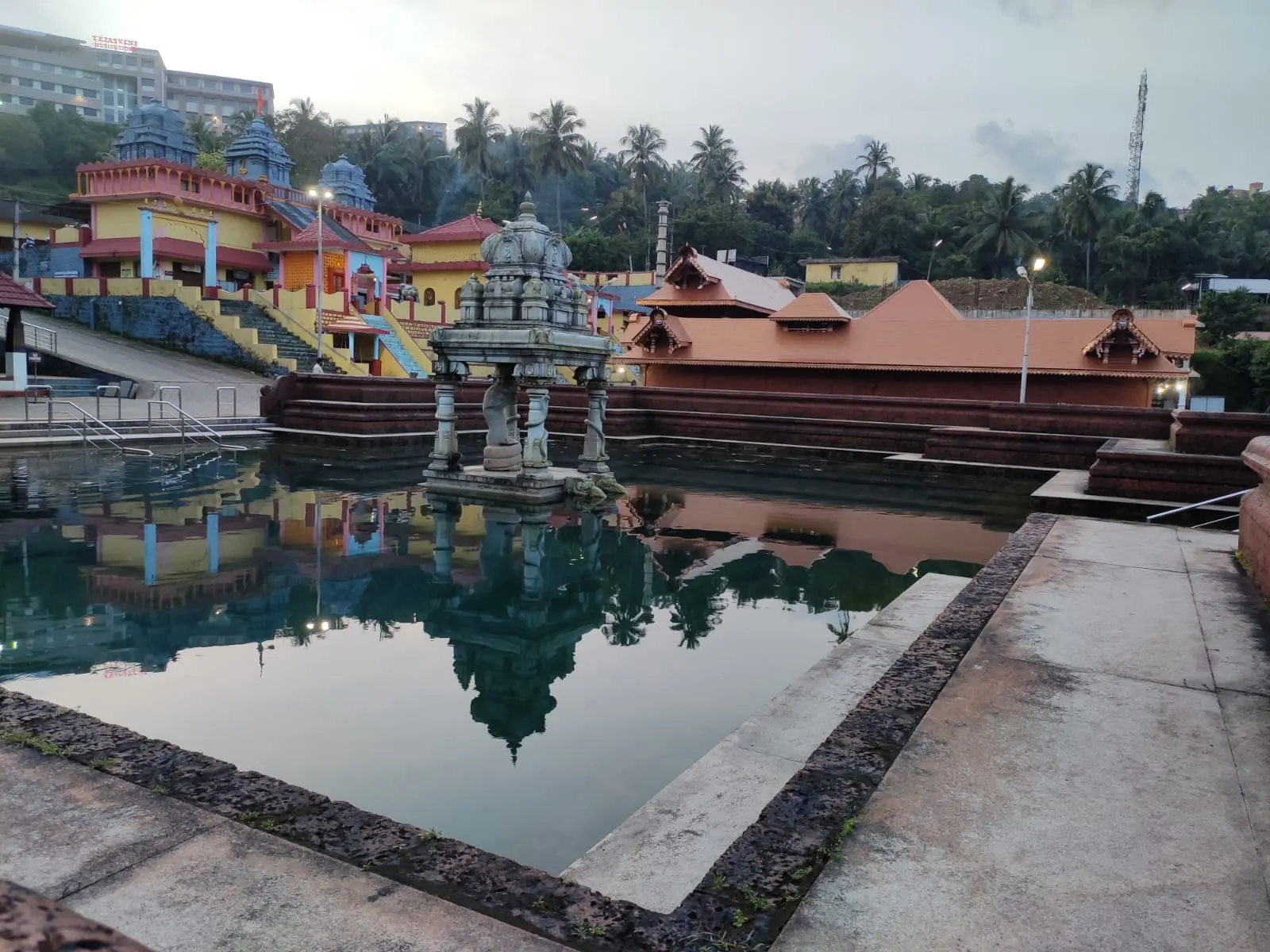
Shree Ananthapadmanabha Temple, Kudupu
Mangaluru, Karnataka, India
107.1 km away
References
Sources consulted for this page. Source categories describe the publication, not a guarantee that every claim is verified. Traditional accounts and outside interpretations may differ.
- 01Temple History – Kollur Mookambika — kollurmookambikatemple.orgSource contextSupports site identity, history, or publicly described devotion; healing narratives are attributed beliefs, not clinical evidence.
- 02Temple Legend – Kollur Mookambika — kollurmookambikatemple.orgSource contextSupports site identity, history, or publicly described devotion; healing narratives are attributed beliefs, not clinical evidence.
- 03Sri Mookambika Temple - Karnataka Tourism — karnatakatourism.orgofficialSupports site identity, history, or publicly described devotion; healing narratives are attributed beliefs, not clinical evidence.
- 04Coordinate reference for Kollur Mookambika Temple — www.wikidata.orgSource contextIdentity and geographic positioning only; not used to approve religious claims or access policy.
- 05Temple legend — Kollur Mookambika TempleofficialSupports the attributed account or visitor practice in the healing section; not evidence of clinical efficacy.
- 06Sri Mookambika Temple — Karnataka TourismofficialSupports the attributed account or visitor practice in the healing section; not evidence of clinical efficacy.
Share a photo
Help visitors recognize Kollur Mookambika Temple. Every submission is reviewed before publication.