Anegudde Shree Vinayaka Ganapathi Temple, Anegudde, Karnataka
A hilltop Ganesha shrine on the elephant hillock, one of coastal Karnataka's seven places of liberation
Understand sacred places, explore living traditions, and learn how to engage respectfully with Pilgrim Map.
Access has not been verified. Check current local guidance before planning a visit.
Kumbhashi, Karnataka, India
Read the sources
Visit essentials
A quick read before you go
- Duration
- 1–2 hours including the climb and prasadam.
- Access
- Kumbashi/Anegudde village, about 9 km south of Kundapura and about 30 km from Udupi, in Udupi…
Overview
Anegudde means 'elephant hillock,' where elephant-headed Ganesha is said to dwell. A short climb reaches the summit temple near Kumbashi in coastal Karnataka, within Parashurama Kshetra and among its seven Mukti Sthalas, places of liberation.
Unlike familiar seated forms, Anegudde's Vinayaka stands four-armed in silver armor, one hand in boon-giving Varada Hasta. Pilgrims seek removal of obstacles before marriage, venture, or journey; Mukti Sthala status also makes the visit a step toward spiritual liberation.
A sage Agastya and demon Kumbhasura legend grounds the name and origin. This busy living pilgrimage temple maintains daily worship and free midday Anna Prasadam for all.
Why this place is sacred
The thinness of Anegudde gathers around the hill itself, the rare standing Ganesha at its summit, and the temple's status as one of seven Mukti Sthalas — places held to grant liberation. The short ascent functions as a small pilgrimage, a setting-aside of the ordinary before reaching the shrine, and gives the climb a quiet purpose. Pilgrims come at thresholds in their own lives, before new undertakings, and the place carries a generous, communal warmth.
A Ganesha temple on a sacred hillock, venerated as one of the seven Mukti Sthalas of Parashurama Kshetra and tied by legend to the slaying of the demon Kumbhasura.
Traditionally attributed to the 8th century under the Alupa kings — an attribution that rests on tradition rather than firm epigraphy — and rooted in legend reaching back to the Mahabharata era, the temple is today a busy, fully functioning pilgrimage centre maintained by its administration.
Experience and orientation
Pilgrims describe the short climb to the hilltop shrine, the striking standing Ganesha in his silver armour, and the welcoming free Anna Prasadam served around midday. The ascent itself sets the tone — a brief, deliberate effort before darshan — and the place is busy without being overwhelming outside festival days. Many come at turning points in their own lives, and the visit carries a quiet sense of moving toward liberation. The festival days draw the largest gatherings.
The temple sits atop a hillock near Kumbashi village; the dress, footwear and photography norms are noted under etiquette. Sevas can be booked at the counter, and the free meal is served roughly 11 AM–12:30 PM.
Context and lineage
During a drought, the sage Agastya performed penance to propitiate Varuna, the rain-god, but the demon Kumbhasura disrupted the assembled sages. Ganesha gave the Pandava Bhima a divine sword — the Asi — with which he slew the demon, after which the place became known as Kumbhasi (from kumbha, pot, and asi, sword). The name Anegudde itself derives from aane (elephant) and gudde (hillock), naming the hill as the seat of the elephant-headed deity.
The temple is traditionally attributed to the 8th century under the Alupa kings, though firm epigraphic confirmation is limited.
Hinduism in its Ganapatya / Smarta Ganesha-worship strand, within the Parashurama Kshetra cultural sphere of coastal Karnataka and its seven Mukti Sthalas.
Ganesha (Vinayaka)
Enshrined deity
Sage Agastya
Sage of the origin legend
Bhima
Pandava prince
The Alupa dynasty
Traditional builders
Traditions and practice
Daily abhisheka and poojas; Sankashta Chaturthi pooja on the fourth day after each full moon; Tulabharam, the offering of goods equal to a devotee's own weight; and Ganesh Chaturthi as the principal festival.
Booked sevas such as the Satya Ganapathi Vratha and Maha Rangapooja, daily darshan, and free Anna Prasadam served around 11 AM–12:30 PM.
Treat the climb as part of the prayer — a small ascent before asking for whatever obstacle you wish cleared. Booking a seva at the counter is a way to participate, and staying for the free midday meal is a gentle way to share in the temple's communal life.
Hinduism (Ganesha / Vinayaka worship)
ActiveOne of the seven Mukti Sthalas of Parashurama Kshetra (coastal Karnataka), dedicated to Ganesha in a rare standing four-armed form bestowing boons (Varada Hasta) and salvation.
Daily sevas and poojas, Sankashta Chaturthi observances, Tulabharam, Ganesh Chaturthi festival, and free Anna Prasadam.
Perspectives and open questions
Anegudde is held in tradition as a place of liberation and obstacle-removal, with its early history resting more on legend than on documentation.
Scholarly perspective
A coastal-Karnataka Ganesha temple of considerable antiquity, popularly attributed to the Alupa period, within the Parashurama Kshetra cultural sphere; firm epigraphic dating is limited in accessible sources.
Living and traditional perspectives
Devotees regard it as one of seven Mukti Sthalas where Ganesha aided Bhima against Kumbhasura, granting both boons and liberation.
Alternative interpretations
The standing four-armed Ganesha, with the raised Varada Hasta and downward-pointing hands, is read as simultaneously bestowing boons and pointing toward salvation.
Open questions
The precise founding date and the historical layers beneath the legendary Agastya–Bhima narrative remain undocumented; the 8th-century Alupa attribution is traditional rather than epigraphically confirmed.
Plan your visit
Access and arrival
Kumbashi/Anegudde village, about 9 km south of Kundapura and about 30 km from Udupi, in Udupi District, Karnataka; direct buses run from Udupi, Mangalore and Kundapura.
Lodging is available in Kundapura nearby and more widely in Udupi, both within easy reach.
Respectful visit
Traditional, clean, conservative attire; dhoti for men, saree or salwar-kameez for women.
Generally not allowed inside the temple premises.
Sevas, poojas and Tulabharam offerings; flowers and devotional items.
Footwear removed; modest dress; comfortable footwear advised for the hill climb.
Photography is generally not allowed inside the premises. Carry water for the climb in summer and wear comfortable footwear.
Current practical details
Address
Kumbashi, NH17, Anegudde, Karnataka 576257, India
Phone
Hours
Hours, fees, and access can change — verify on the official source before you travel. Practical details last checked Jun 2026.
Location
Map loads as you approach this section.
Pilgrim reflections
A portrait of encounter, not a score
Pilgrims describe what they felt, how present they could become, and whether the place would shape a journey. There are no stars and no ranking of traditions.
No reviewed reflections yet
The first pilgrims can help describe the character of being here.
Share a reflection
Available after an account-backed “Been there.” Every reflection is reviewed before publication.
Nearby sacred places
Explore other sacred places in the region. Proximity does not establish access or travel time; check each place’s guidance.
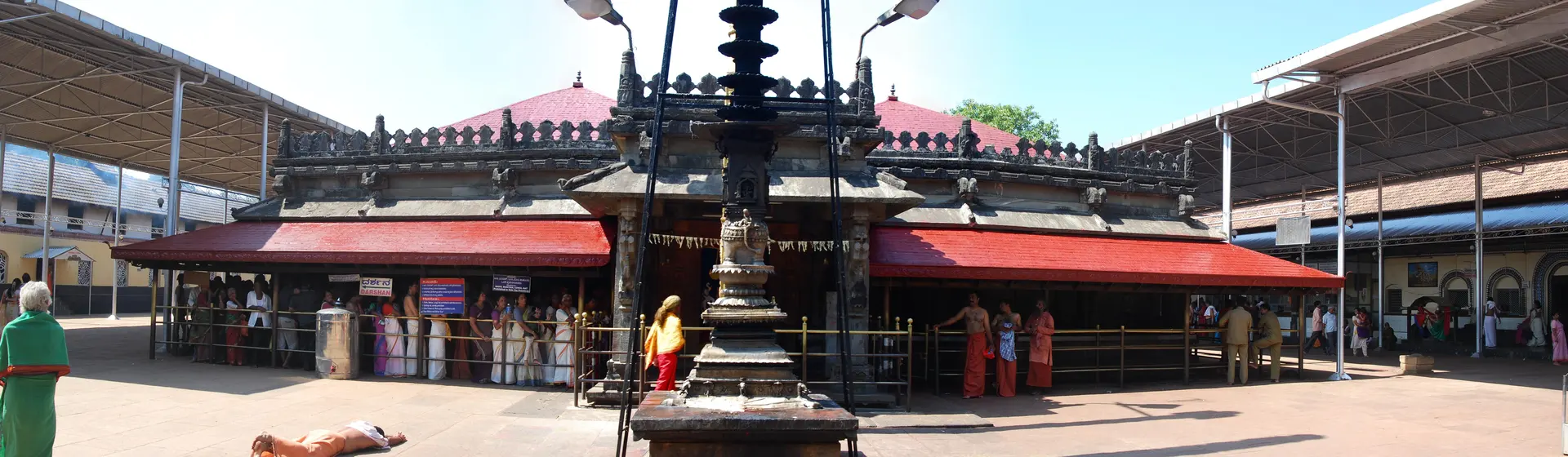

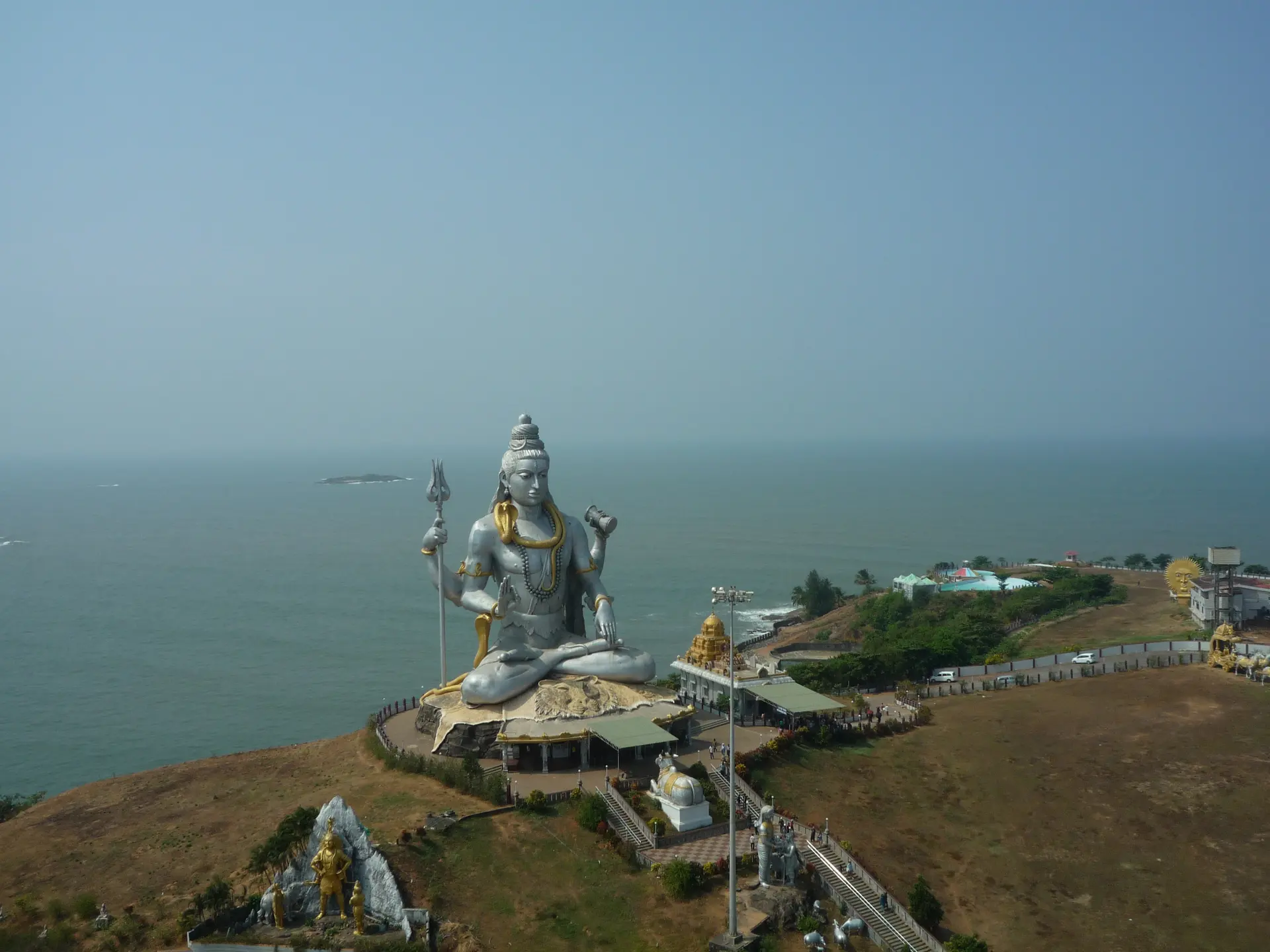
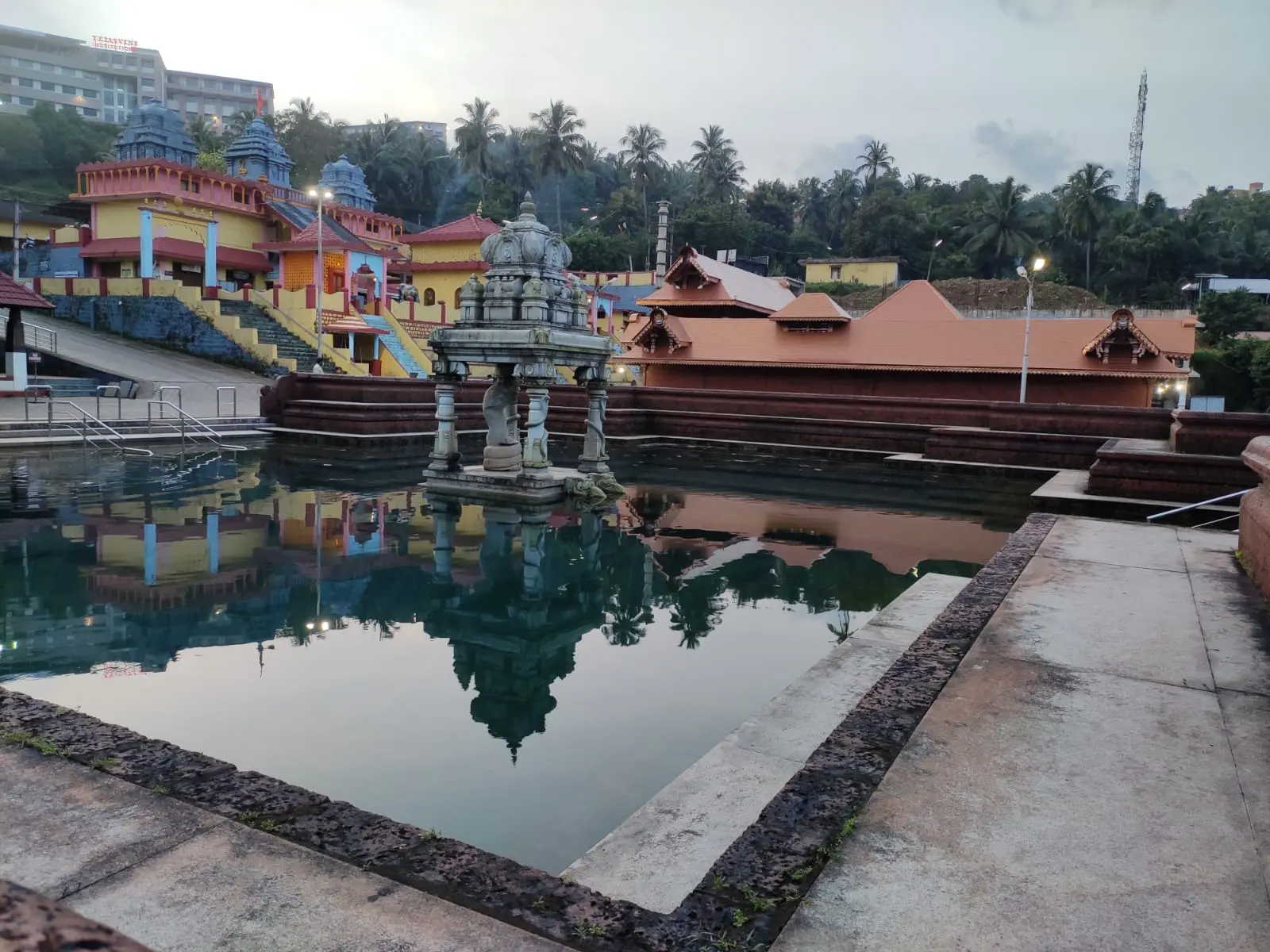
References
Sources consulted for this page. Source categories describe the publication, not a guarantee that every claim is verified. Traditional accounts and outside interpretations may differ.
- 01Anegudde Sri Vinayaka Temple — Official Website — Anegudde Sri Vinayaka Temple administrationofficialOfficial temple site; history, seva details, timings.
- 02Anegudde Sri Vinayaka Temple History — Origin & Temple Story — Anegudde Sri Vinayaka Temple administrationofficialOfficial account of the Agastya/Kumbhasura/Bhima legend and temple origin.
- 03Kumbashi / Anegudde — Wikipedia — Wikipedia contributorsSource contextEtymology (Kumbha + Asi), Anegudde meaning, Mukti Sthala status, Mahabharata-era legend.
- 04Anegudde — Anegudde Siddhi Vinayaka Temple — Mukthi-Sthala — Karnataka.comSource contextOne of seven Mukti Sthalas in Parashurama Kshetra; standing Ganesha with silver armour.
- 05Anegudde Vinayaka Temple, Udupi — Timings, Festivals, History, Darshan — Trawell.inSource contextFestivals (Ganesh Chaturthi, Sankashta Chaturthi), location 9 km from Kundapura.
- 06Anegudde Vinayaka Temple Timings — Opening, Closing, Darshan, Pooja — GoTirupatiSource contextTimings 5:30 AM-9 PM, Anna Prasadam, seva schedule.
Share a photo
Help visitors recognize Anegudde Shree Vinayaka Ganapathi Temple, Anegudde, Karnataka. Every submission is reviewed before publication.