Simala Shrine — Monastery of the Holy Eucharist
A hilltop Marian pilgrimage in Lindogon, Cebu
Understand sacred places, explore living traditions, and learn how to engage respectfully with Pilgrim Map.
Access has not been verified. Check current local guidance before planning a visit.
Lindogon, Sibonga, Cebu, Philippines
Read the sourcesVisit essentials
A quick read before you go
- Etiquette
- Wear modest clothing and follow the dress guidance at the entrance.
Overview
Simala Shrine, formally associated with the Monastery of the Holy Eucharist, stands in Barangay Lindogon in Sibonga, south of Cebu City. The large hilltop complex is a Catholic pilgrimage destination centred on Our Lady of Lindogon. Its towers and terraces are visually prominent, but the purpose of a visit is best understood through the prayer and thanksgiving of the people who come here.
Why this place is sacred
People come with worries, promises, and gratitude, and the shrine's healing reputation is inseparable from those personal circumstances. Catholic devotion understands Mary as an intercessor. The sight of others giving thanks may be moving without proving that every visitor can expect the same outcome. No one should feel pressured to produce a testimony or describe a private illness in order to belong in the space.
Healing traditions
Community healing and Marian testimony tradition
Simala's national cultural-tourism profile connects the shrine's reputation with miracles believed to have occurred during an epidemic affecting local children. Pilgrims subsequently brought their own petitions and thanksgiving to Our Lady of Lindogon. The source records the community's interpretation, but does not establish a named recovery or a clinical explanation of the epidemic's course.
Ways to participate
Offer a prayer before the image and, where accessible, read the testimonies left by pilgrims. Follow the monks' guidance on dress, queues, candles, and photography. A quiet intention is enough; the color of a candle or size of an offering does not determine a healing outcome.
These accounts describe religious traditions and reported experiences. They do not promise a cure or replace medical care.
Context and lineage
The shrine's modern reputation developed around reports that its Marian image shed tears. Devotees associated the image with healing during a local dengue outbreak in 1998, and later reports sustained wider interest. These accounts helped turn a local religious foundation into a destination for pilgrims from beyond Cebu. They should be presented as reports and devotional interpretations; the accounts reviewed here do not establish a medical cause or an independently verified cure.
Traditions and practice
Prayer, lighting candles where permitted, and approaching the image are among the forms of devotion described in visitor accounts. Follow the community's current directions for each area, including any queues or footwear requirements. A visitor unfamiliar with Catholic practice can remain quietly present without copying every gesture or making a vow.
Catholic
ActiveThe shrine honours Our Lady of Lindogon within this tradition.
Plan your visit
Plan specifically for Lindogon in Sibonga: the popular name Simala can obscure the shrine's actual barangay. Road travel from Cebu City requires time, and the hilltop setting includes stairs and changes of level. Confirm a suitable route before travelling with mobility limitations. Current opening arrangements and transport times should be checked locally rather than inferred from a fixed estimate.
Respectful visit
Wear modest clothing and follow the dress guidance at the entrance. Keep cameras away from restricted sacred areas and people engaged in private prayer. Treat displays of thanksgiving as expressions of someone's life rather than evidence to photograph sensationally. Any donation should be voluntary and made through clearly identified shrine channels.
Location
Map loads as you approach this section.
Pilgrim reflections
A portrait of encounter, not a score
Pilgrims describe what they felt, how present they could become, and whether the place would shape a journey. There are no stars and no ranking of traditions.
No reviewed reflections yet
The first pilgrims can help describe the character of being here.
Share a reflection
Available after an account-backed “Been there.” Every reflection is reviewed before publication.
Nearby sacred places
Explore other sacred places in the region. Proximity does not establish access or travel time; check each place’s guidance.
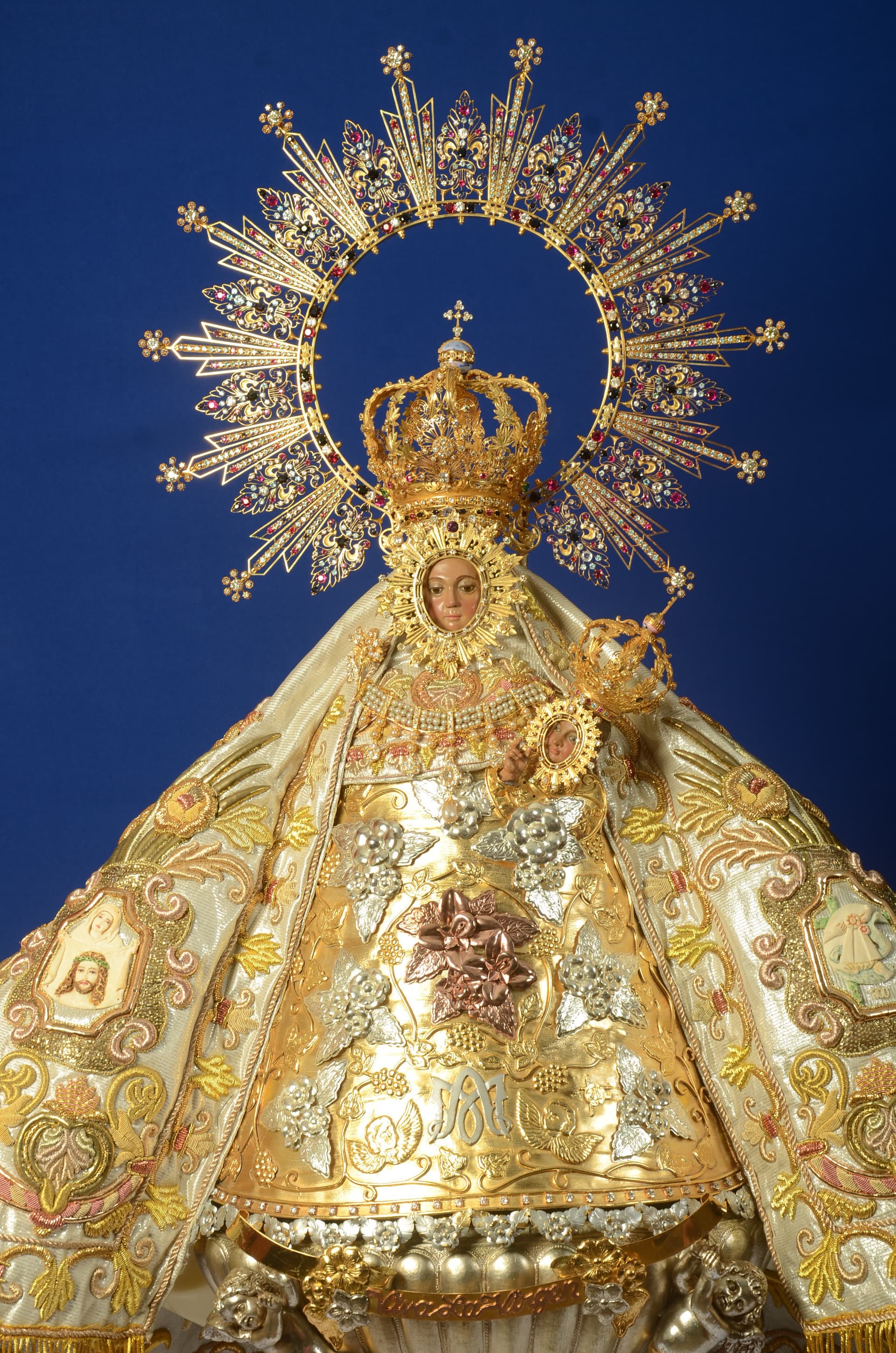
Our Lady of Peñafrancia, Naga City, Bicol
Naga, Camarines Sur, Philippines
408.5 km away
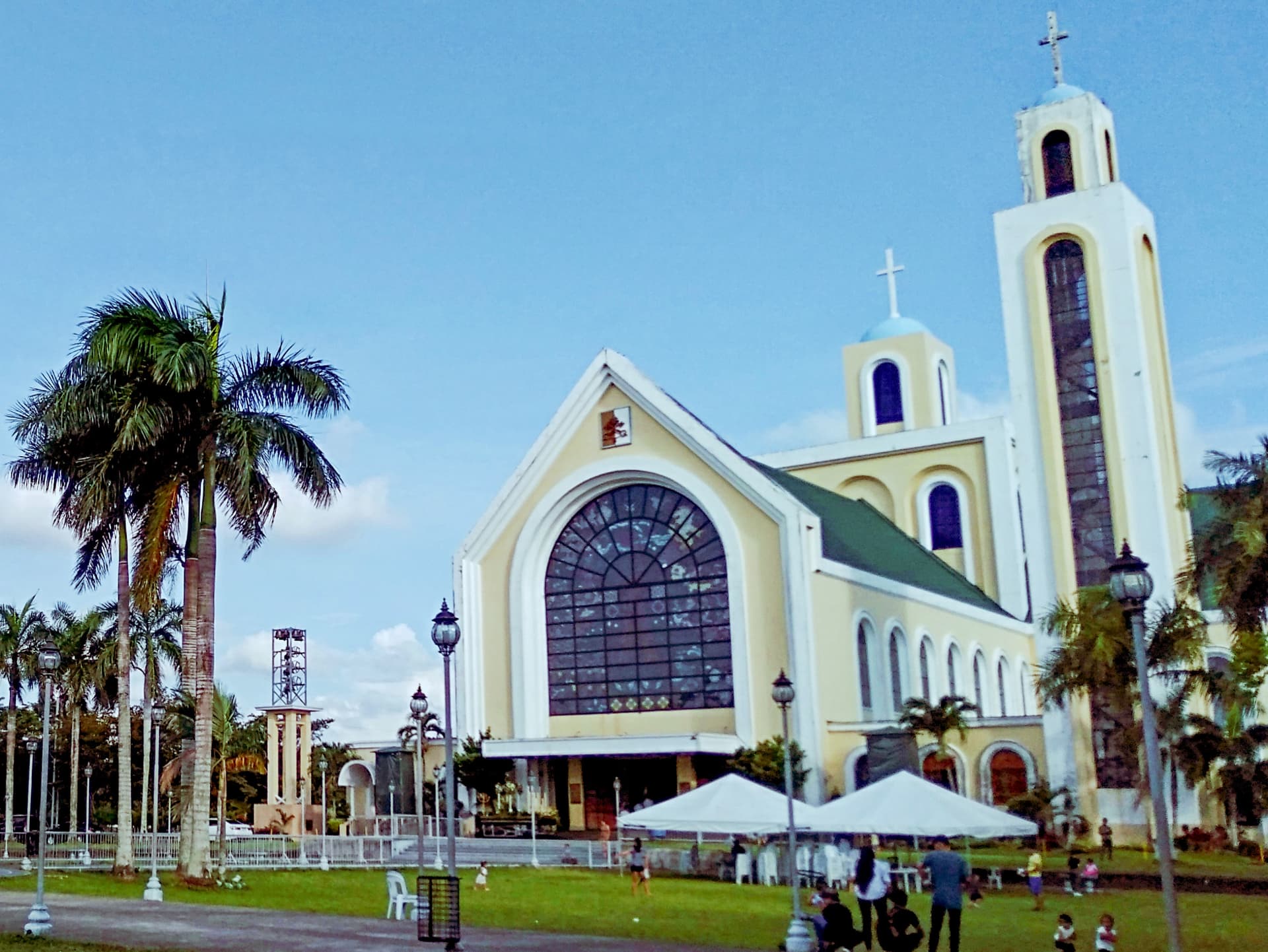
Peñafrancia Basilica
Naga City, Camarines Sur, Philippines
408.5 km away

Baclaran Church — National Shrine of Our Mother of Perpetual Help
Parañaque, Metro Manila, Philippines
579.9 km away
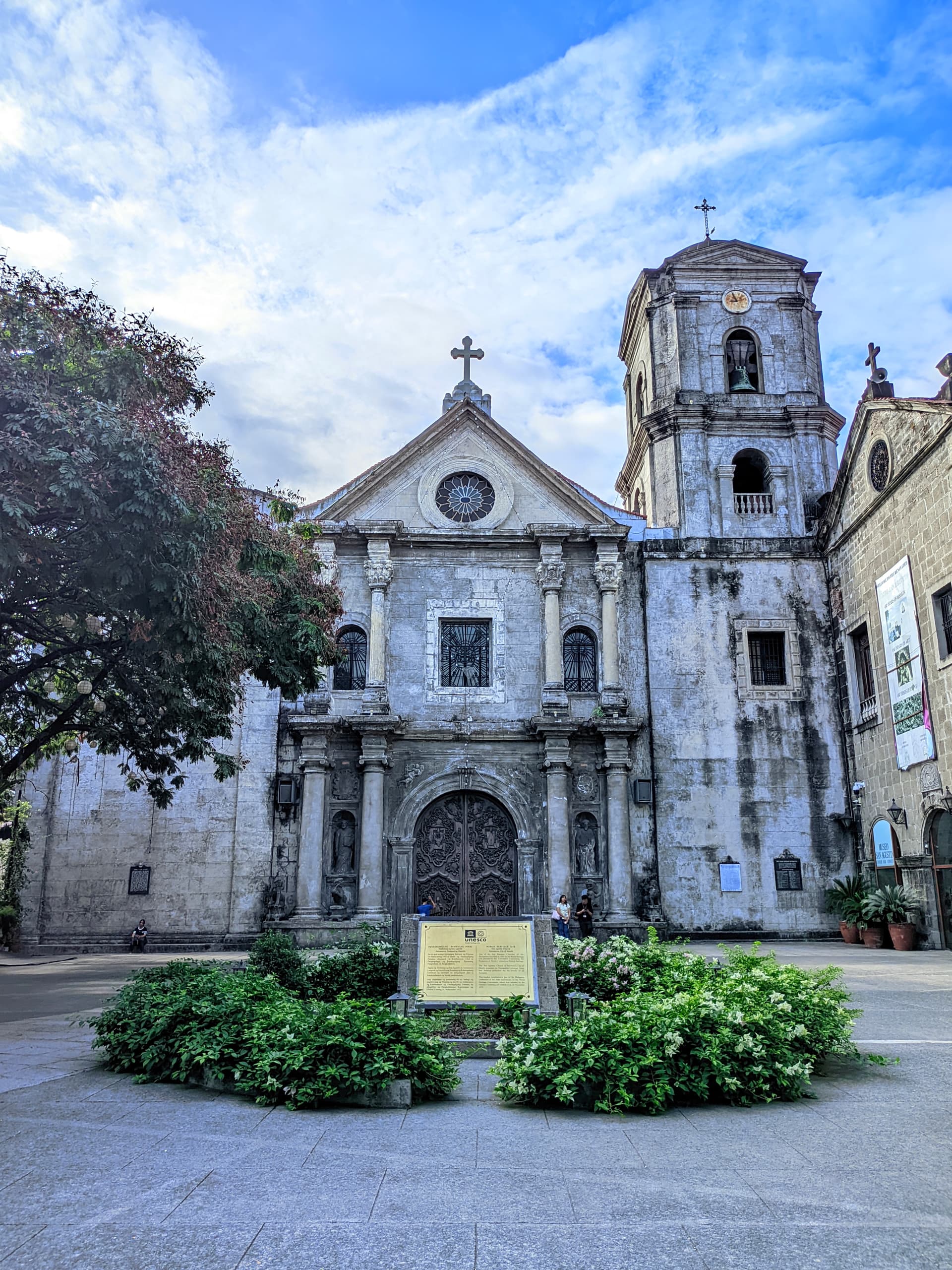
San Agustin Church
Intramuros, Manila, Intramuros, Manila, Metro Manila, Philippines
586.5 km away
References
Sources consulted for this page. Source categories describe the publication, not a guarantee that every claim is verified. Traditional accounts and outside interpretations may differ.
- 01Simala Shrine Guide: How to Visit, What to Expect, Best Time | Cebu.travel — cebu.travelSource contextSupports site identity, history, or publicly described devotion; healing narratives are attributed beliefs, not clinical evidence.
- 02Simala Shrine — en.wikipedia.orgSource contextSupports site identity, history, or publicly described devotion; healing narratives are attributed beliefs, not clinical evidence.
- 03Simala Shrine i Sibonga | Cebu.no — cebu.noSource contextSupports site identity, history, or publicly described devotion; healing narratives are attributed beliefs, not clinical evidence.
- 04Coordinate reference for Simala Shrine — Monastery of the Holy Eucharist — www.wikidata.orgSource contextIdentity and geographic positioning only; not used to approve religious claims or access policy.
- 05Lindogon Shrine, Simala — Film Development Council of the PhilippinesofficialSupports the attributed account or visitor practice in the healing section; not evidence of clinical efficacy.
Share a photo
Help visitors recognize Simala Shrine — Monastery of the Holy Eucharist. Every submission is reviewed before publication.