Our Lady of Peñafrancia, Naga City, Bicol
InsidePeñafrancia Basilica
Where Bicolano faith flows through river and street, carrying a mother's presence to millions
Understand sacred places, explore living traditions, and learn how to engage respectfully with Pilgrim Map.
Access has not been verified. Check current local guidance before planning a visit.
Naga, Camarines Sur, Philippines
Read the sources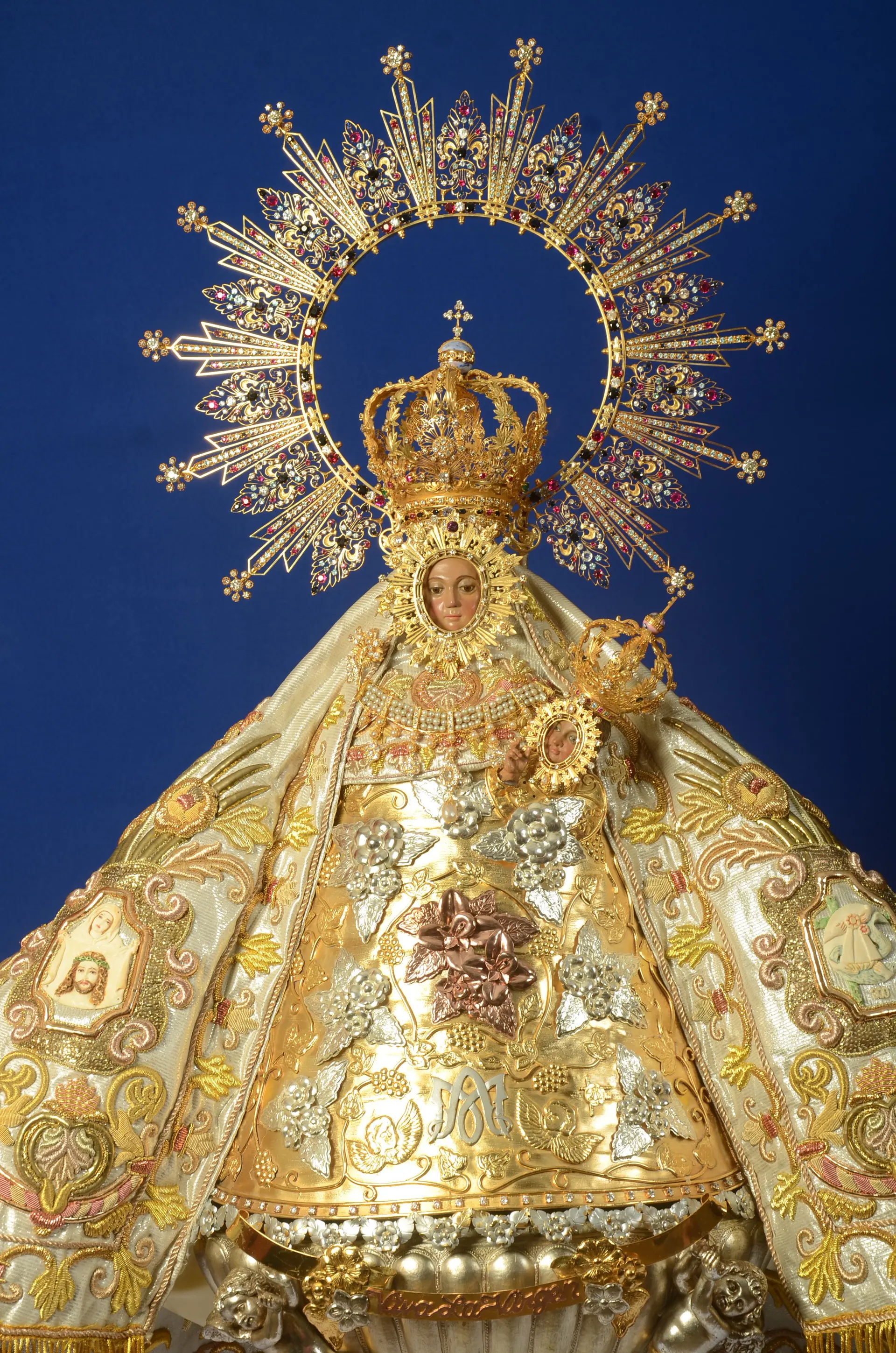
Visit essentials
A quick read before you go
- Duration
- A basilica visit takes two to three hours, including attending mass and the Pagmamanto ritual.
- Access
- The basilica is located on Balatas Street in Naga City, Camarines Sur, within the Bicol Region…
Overview
Bicolanos call Our Lady of Penafrancia Ina—Mother—not merely as a title but a three-hundred-year relationship with a listening figure. The devotion reached Naga City through a healed seminarian's gratitude, a Spanish form transplanted and remade through Bicolano warmth into riverbank practice and regional identity, woven into fishing, farming, protection from typhoons and illness, and transmission across generations. Each September the image travels basilica to cathedral on barefoot voyadores' shoulders, their pledged strength an offering.
Nine days of novenas culminate in Ina's fluvial return: a pagoda among thousands of candle-lit boats turns the Naga River into light and prayer. This living faith is renewed yearly by over a million pilgrims seeking healing, fulfilling vows, and approaching something larger than themselves. They call her Mother and understand her answer in each person's needed language.
Why this place is sacred
What makes a place thin? Here, the answer begins with time. For over three hundred years, prayers have risen from this ground without interruption. Not the intermittent devotion of occasional pilgrimage, but the daily, weekly, yearly accumulation of petitions and thanksgivings, of mothers praying for sick children, fishermen praying for safe passage, farmers praying for rain. The weight of sustained intention shapes a place.
The reported healings add another layer. From the first miracle attributed to the image—a story of a dog restored to life that drew hundreds to witness—through three centuries of cures documented in testimonials if not in medical records, the site has become associated with the possibility of transformation. Whether these healings operate through faith, psychology, or channels science cannot yet measure, they are real enough to draw pilgrims who have exhausted other options.
The fluvial procession creates a distinctive form of thinness. When the Virgin travels by water, carried on her pagoda among thousands of boats, the boundary between shore and river becomes a boundary between worlds. Water in many traditions marks the threshold between the ordinary and the sacred. Here, that threshold is crossed collectively, the entire city participating in a ritual passage that makes the invisible visible.
Perhaps most significant is the integration of devotion with identity. For Bicolanos, faith in Ina is not separate from being Bicolano. The devotion was not imported and adopted; it was embraced and transformed, made native. When pilgrims gather for the September festival, they are not merely visiting a sacred site—they are coming home. And in that homecoming, something opens.
The devotion was founded as an act of gratitude. Miguel Robles de Covarrubias, a sickly seminarian whose father came from Pena de Francia in Spain, was healed through faith in the Spanish Virgin. Upon ordination and assignment to Naga, he commissioned a local artisan to carve a replica and built a chapel to house it. The original purpose was personal thanksgiving extended outward, an invitation for others to receive the healing he had experienced.
The stone church built in 1711 was intended as a permanent home for the image and a gathering place for devotees. The devotion's growth necessitated expansion: Bishop Ysidro Arevalo's shrine in 1741, later renovations, and finally the modern Basilica Minore completed in 1981. Each construction expressed the same purpose amplified: creating space for a devotion that would not stop growing.
What began as a transplanted Spanish devotion transformed through contact with Bicolano soil. The formal title Nuestra Senora de Penafrancia shortened to Ina, the intimate name for mother. The procession that might have remained a simple translation became the dramatic Traslacion, with devotees competing to carry the image. The return journey became the fluvial procession, unique among Philippine devotions.
The folk traditions accumulated: the prohibition of women on the pagoda, the barefoot voyadores, the shouting of 'Viva la Virgen!' None of these came from Spain. They emerged from the encounter between Iberian Catholicism and Bicolano culture, creating something neither fully European nor fully indigenous but authentically local.
The 20th century brought formal recognition: Canonical Coronation in 1924, making Ina the Queen and Patroness of Bicolandia; elevation to Basilica Minore in 1985 by Pope John Paul II. But the devotion's evolution was never merely institutional. It grew because each generation found their own way to Ina, their own reasons to call her Mother.
Experience and orientation
Outside September, the basilica holds a quality of attentive stillness. Pilgrims enter quietly, approach the image, and sit in the presence of something they understand as listening. The air carries the scent of candle wax and flowers. Old women pray the rosary, their lips moving in familiar rhythm. Young mothers bring infants to be blessed. The atmosphere is not formal but intimate, as though each visitor has a personal appointment with the Mother and she is keeping all of them.
The Pagmamanto ritual distills this intimacy into a specific encounter. A priest holds a cape above the devotee's head while praying for healing and protection. The covering creates a momentary enclosure, a private space within the public church. Those who receive it describe feeling seen and held, the weight of their concerns acknowledged by something larger than themselves.
During September, the experience changes register entirely. The intimate becomes the collective. Over a million people converge on a city of barely three hundred thousand. Streets fill with pilgrims sleeping on sidewalks, walking to fulfill vows, pressing toward the processions. The density of devotion is physical, the crowds so thick that movement becomes surrender.
The Traslacion procession moves the image from basilica to cathedral on the shoulders of voyadores who jostle and compete to carry her. The sculpture moves in waves, rising and falling as devotees struggle for proximity. The energy is intense, almost chaotic, yet directed toward a single purpose. Many describe unexpected tears during this procession, a release they did not anticipate.
The fluvial procession offers a different quality. As the Virgin returns by water, surrounded by boats bearing candles, the chaos resolves into beauty. The river becomes a threshold. Those watching from the banks, or floating among the pagoda's escort, describe the moment as suspended, as though ordinary time has paused to allow something else through.
For Bicolanos, these experiences carry ancestral weight. They remember attending as children, held on parents' shoulders. They bring their own children now. The festival is not an event but a homecoming, and the emotions it stirs connect them to everyone who has called Ina their Mother.
The quality of your experience will depend on when you come and how you approach.
Outside September, the basilica rewards slowness. Arrive in the morning, when the light is softer and the crowds thinner. Attend the Pagmamanto ritual and receive the cape's blessing, even if you come from a different tradition or none at all. The ritual does not require belief to be affecting; it requires only openness to being prayed over.
If you come for September, surrender to the crowds. This is not a site to be observed from a distance but a living tradition to be entered. Walk with the processions rather than watching from the sides. Allow yourself to be moved by the movement of others. The experience is collective; attempting to remain individual will only exhaust you.
Bring a question, an intention, something you are carrying that needs to be set down. Ina is said to listen. Whether or not you believe in her intercession, articulating what you seek clarifies it for yourself. And in a crowd of a million people praying together, something shifts—even for those who came skeptical.
Context and lineage
The story begins not in the Philippines but in Spain, at a mountain called Pena de Francia near Salamanca. In 1434, a wealthy Frenchman named Simon Vela renounced his inheritance to become a Franciscan lay brother. He received a prophetic voice commanding him to find a sacred image of Mary.
After five years of searching—much of it wasted in France before he understood the name referred to a Spanish mountain—he and four companions finally unearthed the hidden image on May 19, 1434. All five were instantly healed of their ailments, confirming the image's sacred power.
Near three centuries later and half a world away, a young Filipino seminarian named Miguel Robles de Covarrubias lay ill at the University of Santo Tomas in Manila. His father had come from Pena de Francia, and the family kept devotion to the Virgin of that place. The suffering student placed a holy card of her image on his body and was healed.
Ordained and assigned to Naga City in the Bicol region, Father Miguel carried his gratitude with him. He commissioned a local artisan to carve a replica of the Spanish image from baliti wood and built a chapel to house it. The year was 1710, or perhaps 1712—sources disagree. Miracles were reported almost immediately.
A dog killed for its blood, to be used in painting the image, was thrown in the river and came back to life, swimming before hundreds of witnesses. Word spread. The devotion grew.
From that chapel grew first a stone church, then a shrine, then a basilica. Each expansion reflected the same reality: whatever had been planted here would not stop growing.
The devotion passed from Father Miguel through successive generations of clergy and faithful. Bishops expanded the physical structures; the people expanded the ritual traditions. The voyadores emerged as a distinct group, men who pledged their service to carry the image. The fluvial procession developed its unique form. Each generation added its layer while maintaining continuity with what came before.
The formal recognition came in stages. In 1924, the image received Canonical Coronation as Queen and Patroness of Bicolandia—only the second Marian image in the Philippines and Asia to receive this honor. In 1985, Pope John Paul II elevated the church to Basilica Minore status. But the true lineage is not measured in papal decrees.
It passes through the grandmother who teaches her grandchild to say 'Ina,' through the fisherman who credits the Virgin with his safe return, through every pilgrim who adds their story to three centuries of accumulated faith.
Simon Vela
founder
The French layman who discovered the original Pena de Francia image in Spain in 1434 after receiving prophetic guidance. His miraculous healing upon finding the image established the devotion that would eventually reach the Philippines.
Father Miguel Robles de Covarrubias
founder
The seminarian whose healing led to the Philippine devotion. After ordination, he commissioned the Naga image and built the first chapel, translating his personal gratitude into a devotion that would define an entire region.
Bishop Ysidro Arevalo
historical
Builder of the shrine in 1741 to accommodate the growing number of devotees.
Our Lady of Penafrancia / Ina
deity
The Virgin Mary under this particular title, understood as the spiritual Mother and Patroness of the entire Bicol Region. For devotees, she is not merely an image but a presence who hears prayers, grants healing, and protects her children.
Divino Rostro
sacred_object
The image of the Holy Face of Jesus that accompanies the Virgin in procession. This devotion began in 1882 when a cholera epidemic ended after the image was placed on the cathedral altar. The Divino Rostro sails ahead of the Virgin's pagoda during the fluvial procession.
Traditions and practice
The September festival follows a structure refined over centuries. The Traslacion opens the novena season: the Virgin's image, accompanied by the Divino Rostro, is carried from the Penafrancia Basilica to the Naga Metropolitan Cathedral. Strictly male devotees called voyadores bear the image on their shoulders, moving barefoot through the streets. The sculpture moves in a distinctive wavelike motion as devotees compete to touch and carry it. The cry 'Viva la Virgen!' rises repeatedly from the crowd.
During the novena, prayers continue at the cathedral where the image resides. Pilgrims fulfill panata—personal vows made in gratitude for answered prayers. Some walk the procession route barefoot. Others commit to attending all nine days. The specifics vary according to individual promise.
The fluvial procession marks the eighth day of the novena. The Virgin returns to her basilica by water, carried on a decorated pagoda barge down the Naga River. The Divino Rostro sails ahead on a smaller vessel. Thousands of boats accompany the flotilla, bearing candles that transform the river into a corridor of light. This water passage between cathedral and basilica enacts a threshold crossing that participants describe as liminal, as though the boundary between ordinary and sacred temporarily dissolves.
The Pagmamanto healing ritual occurs year-round, Monday through Saturday at 11am following the Pilgrim Mass. A priest or minister holds a cape above the devotee's head while reciting prayers invoking the Virgin's intercession for healing and protection. This practice has become one of the most sought-after experiences at the shrine, drawing those who seek physical healing, emotional comfort, or spiritual renewal.
Daily masses serve both local parishioners and visiting pilgrims throughout the year. Outside September, the basilica offers a quieter encounter with the devotion, allowing for contemplative prayer and personal veneration without the festival crowds.
The Voyadores Festival during September has evolved into a street celebration with dancers reenacting the voyadores' strength and faith through synchronized movement, drums, and chants. This contemporary addition channels festival energy into artistic expression while honoring the tradition's core practices.
For visitors seeking meaningful engagement, consider these approaches:
Receive the Pagmamanto ritual. The covering of the cape creates a moment of enclosure and attention. You need not be Catholic to be prayed over; you need only be willing to receive. Come with something you are carrying—an illness, a worry, a hope—and allow it to be named in the prayer.
If you visit during September, participate rather than observe. Walk with the Traslacion rather than watching from the sides. Join the riverbank crowds for the fluvial procession, or better, arrange passage on one of the accompanying boats. The experience of being among rather than apart transforms understanding.
Outside September, spend time simply sitting in the basilica. Notice who else is there. Watch how devotees approach the image. The practice of attention is itself a form of participation.
If you wish to make a panata, a personal vow is not restricted to Catholics. Choose something meaningful: a commitment to service, a pledge to return, an intention to carry the experience forward. The form matters less than the sincerity.
Roman Catholicism
ActiveOur Lady of Penafrancia is the patroness of the entire Bicol Region, the city of Naga, the province of Camarines Sur, and the Archdiocese of Caceres. She is also invoked as patroness of seafarers, farmers, and fishermen. The devotion represents one of the most important Marian pilgrimages in Asia. The image was the second in the Philippines and Asia to receive Canonical Coronation (1924), and the church was elevated to Basilica Minore by Pope John Paul II (1985).
Novena prayers are held for nine days each September, beginning with the Traslacion procession that carries the image from basilica to cathedral. The fluvial procession returns the image to the basilica by river on the eighth day. Year-round practices include daily masses, the Pagmamanto healing ritual where a priest covers devotees with a cape while praying for intercession, and panata—personal vows of devotion in gratitude for answered prayers. The Canonical Coronation Anniversary is celebrated each September 20.
Syncretic Bicolano Folk Catholicism
ActiveThe Penafrancia devotion represents a blending of Iberian Catholicism and Southeast Asian cultural patterns. Academic research documents how Bicolanos used Marian devotion to maintain their changing identity while preserving distinctly local attributes. The term 'Ina' reflects deep maternal spirituality that resonates with pre-colonial indigenous beliefs about divine feminine presence.
Addressing the Virgin as 'Ina' rather than formal Spanish titles. The folk prohibition of women on the pagoda during the fluvial procession. Barefoot walking by voyadores as physical sacrifice and penance. Shouting 'Viva la Virgen!' during processions. The wavelike carrying of the image as devotees compete to touch and bear it. These practices emerged from Bicolano culture rather than Spanish religious instruction.
Perspectives and open questions
Our Lady of Penafrancia can be understood through multiple lenses that need not compete. Scholarly analysis sees a significant case of Catholic inculturation in Southeast Asia. Traditional devotees understand a living relationship with their spiritual Mother. Bicolano cultural perspective sees the devotion as inseparable from regional identity. Each view illuminates something genuine.
Scholarly perspective
Academic scholarship recognizes the Penafrancia devotion as a significant example of Catholic inculturation—the process by which a universal tradition is translated into local cultural forms. Studies from institutions like UCLA document how Bicolanos used Marian devotion to negotiate between Spanish colonial religion and indigenous identity, preserving distinctly local attributes while embracing Catholic faith.
The devotion also serves scholarly interest in the relationship between religion and regional identity. Unlike many Philippine devotions that remain local, Penafrancia became synonymous with Bicolano identity itself, creating a case study in how religious practice shapes and is shaped by cultural belonging.
Historical scholarship traces the transmission from Spain to the Philippines, documenting the transformation that occurred as an Iberian devotion took root in Southeast Asian soil. The folk traditions that emerged—the voyadores, the fluvial procession, the intense collective fervor—have no direct Spanish antecedent, suggesting creative adaptation rather than simple transplantation.
Living and traditional perspectives
For devotees, Our Lady of Penafrancia is not a subject for analysis but a relationship. She is Ina—Mother—a title that carries the full weight of maternal love and protection. The image is not mere wood but a presence. The prayers are not ritual formulas but conversations.
This understanding does not require defending to outsiders, because it is not offered as argument but as experience. Devotees know what they have received: healings, answered prayers, protection through typhoons and illness, the comfort of being held by something larger than themselves. Three centuries of accumulated testimony cannot be dismissed as superstition without dismissing the experience of millions.
From within the tradition, the September festival is not a cultural event to be observed but a homecoming to be participated in. The crowds are not tourists but family, gathered around the Mother who holds them all.
Open questions
Genuine uncertainties remain in the historical record. The exact year of the image's carving varies between 1710 and 1712 across sources. The anonymous artisan who created the image left no record of his identity or his experience of the commission. The full catalog of miracles attributed to the image over three centuries exists only in scattered testimonials, never compiled into a single documented account.
Deeper questions also persist. What, if anything, occupied this location before Spanish colonization? Did pre-colonial Bicolano spiritual practices influence how the devotion developed, and if so, how? The syncretic elements of the devotion—the folk prohibitions, the intense physicality of the processions, the intimate address as Ina—suggest indigenous influence, but the specific mechanisms of transmission remain unclear.
Perhaps the deepest unknown is also the simplest: What is it that happens when a million people gather to pray toward a single intention? Whether understood as divine presence, collective psychology, or accumulated human intention, something occurs at Penafrancia that resists easy explanation while demanding to be taken seriously.
Plan your visit
Access and arrival
The basilica is located on Balatas Street in Naga City, Camarines Sur, within the Bicol Region of the Philippines. From Manila, Philippine Airlines and Cebu Pacific fly to Naga Airport (approximately one hour). Buses from Manila take eight to ten hours via the Maharlika Highway. From Naga City's bus terminal, jeepneys and tricycles reach the basilica area for 20-30 Philippine pesos.
The basilica itself is accessible to visitors with mobility limitations. The procession routes are extremely challenging for wheelchair users during September due to crowd density.
Naga City offers accommodations from budget hotels to upscale properties. During September, book at least two to three weeks in advance—the city's capacity is overwhelmed by the influx of pilgrims. Many devotees sleep on sidewalks and in parks during the festival; this is culturally accepted and part of the pilgrimage experience for some.
Outside September, accommodation is readily available at all price points. Consider staying near the basilica for easy access to morning masses and the Pagmamanto ritual.
Respectful visit
Modest dress is required in the basilica. Avoid shorts, sleeveless tops, and revealing clothing. Light, breathable fabrics are practical given the heat and humidity of Naga City, but propriety takes precedence over comfort. For women, skirts or pants that cover the knees; for men, shirts with sleeves. Remove hats upon entering.
During September processions, dress practically for walking and standing in crowds under hot sun. Comfortable shoes matter; you will be on your feet for hours. If attending the Traslacion or fluvial procession, bring rain protection—September falls within typhoon season, and weather can change rapidly.
Photography is generally permitted in the basilica and during public processions. However, exercise discretion. Do not use flash during masses or prayer services. Do not position yourself in ways that obstruct devotees from their worship. During processions, be conscious of safety; dense crowds and active photography can lead to accidents.
The most meaningful photographs will come from those who first experience and then document. Consider putting your camera away for the first hour of any visit. What you remember will inform what you photograph.
Candles are the most common offering, available for purchase near the basilica. Donations to the shrine support its upkeep and service. Some devotees bring flowers or ex-votos—symbolic objects representing answered prayers, such as miniature crutches for healings or boat models for safe voyages. If you wish to leave an offering, ask at the shrine about appropriate forms.
The internal offering matters most. Come with a genuine intention—something you are seeking or grateful for. The external gift symbolizes the internal gift of attention.
Women may not board the pagoda during the fluvial procession. Only male devotees serve as voyadores. Do not touch the sacred image except during official rituals when invited. No smoking or food within the church. Maintain silence during prayer services.
The September crowds are genuinely intense. Pickpocketing increases during the festival; secure your belongings. The heat and density of the processions can overwhelm those unused to such conditions. Bring water and be prepared to exit if needed.
Do not attempt to carry the image during Traslacion unless you are a recognized voyador. The intensity of devotees pressing toward the image can be dangerous for those unfamiliar with the practice.
Respect the tradition that only men may board the pagoda during the fluvial procession. This is folk practice rather than church doctrine, but it is deeply held. Challenging it will not change it and will alienate those whose devotion you have come to witness.
Current practical details
Address
J5JX+RXH, Balatas Rd, Naga City, 4400 Camarines Sur, Philippines
Phone
Hours, fees, and access can change — verify on the official source before you travel. Practical details last checked Jun 2026.
Location
Map loads as you approach this section.
Pilgrim reflections
A portrait of encounter, not a score
Pilgrims describe what they felt, how present they could become, and whether the place would shape a journey. There are no stars and no ranking of traditions.
No reviewed reflections yet
The first pilgrims can help describe the character of being here.
Share a reflection
Available after an account-backed “Been there.” Every reflection is reviewed before publication.
Nearby sacred places
Explore other sacred places in the region. Proximity does not establish access or travel time; check each place’s guidance.
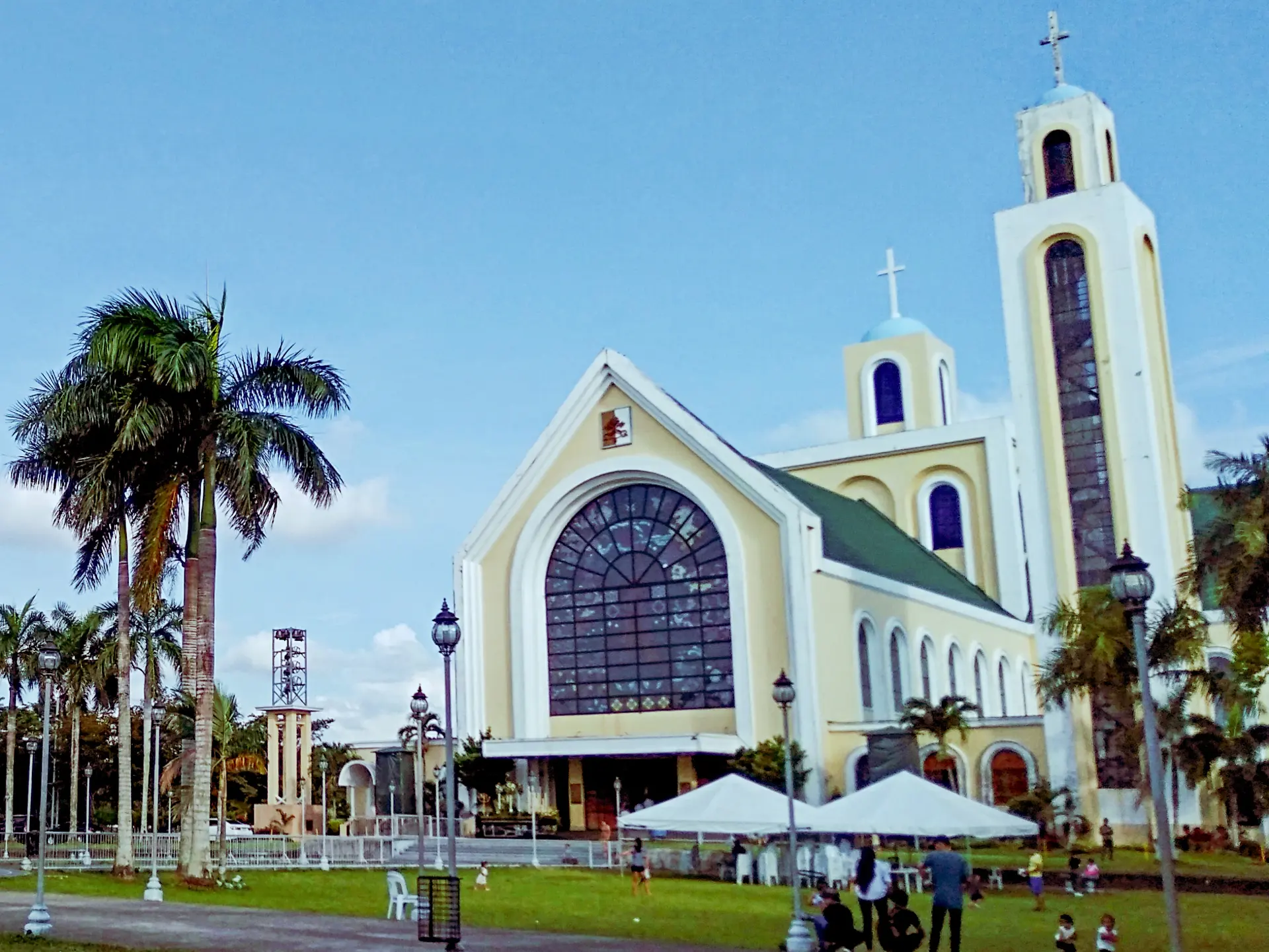
Peñafrancia Basilica
Naga City, Camarines Sur, Philippines
0.0 km away

Baclaran Church — National Shrine of Our Mother of Perpetual Help
Parañaque, Metro Manila, Philippines
258.0 km away
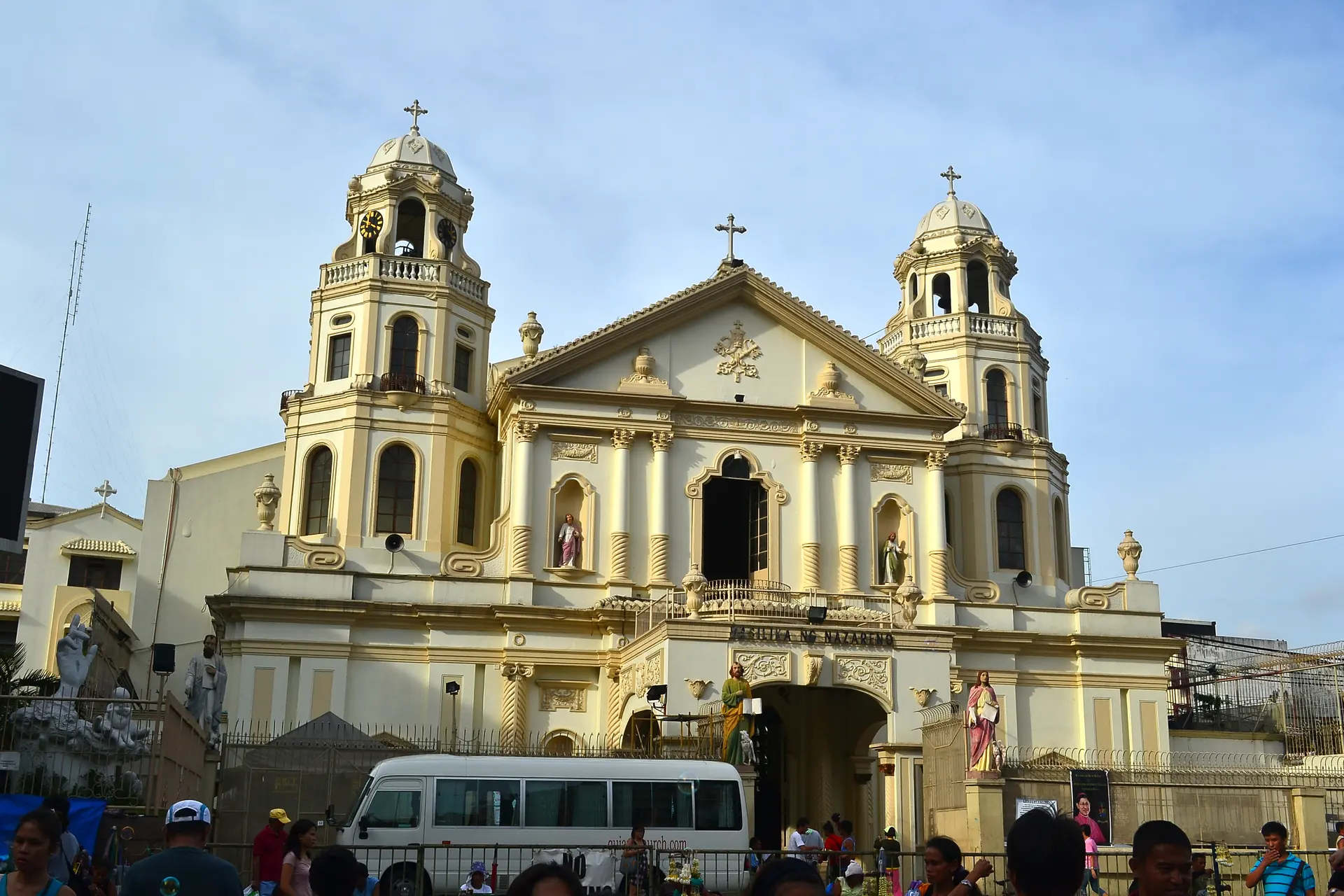
Quiapo Church (Minor Basilica and National Shrine of Jesus Nazareno)
Quiapo, Manila, Manila, Philippines
262.1 km away
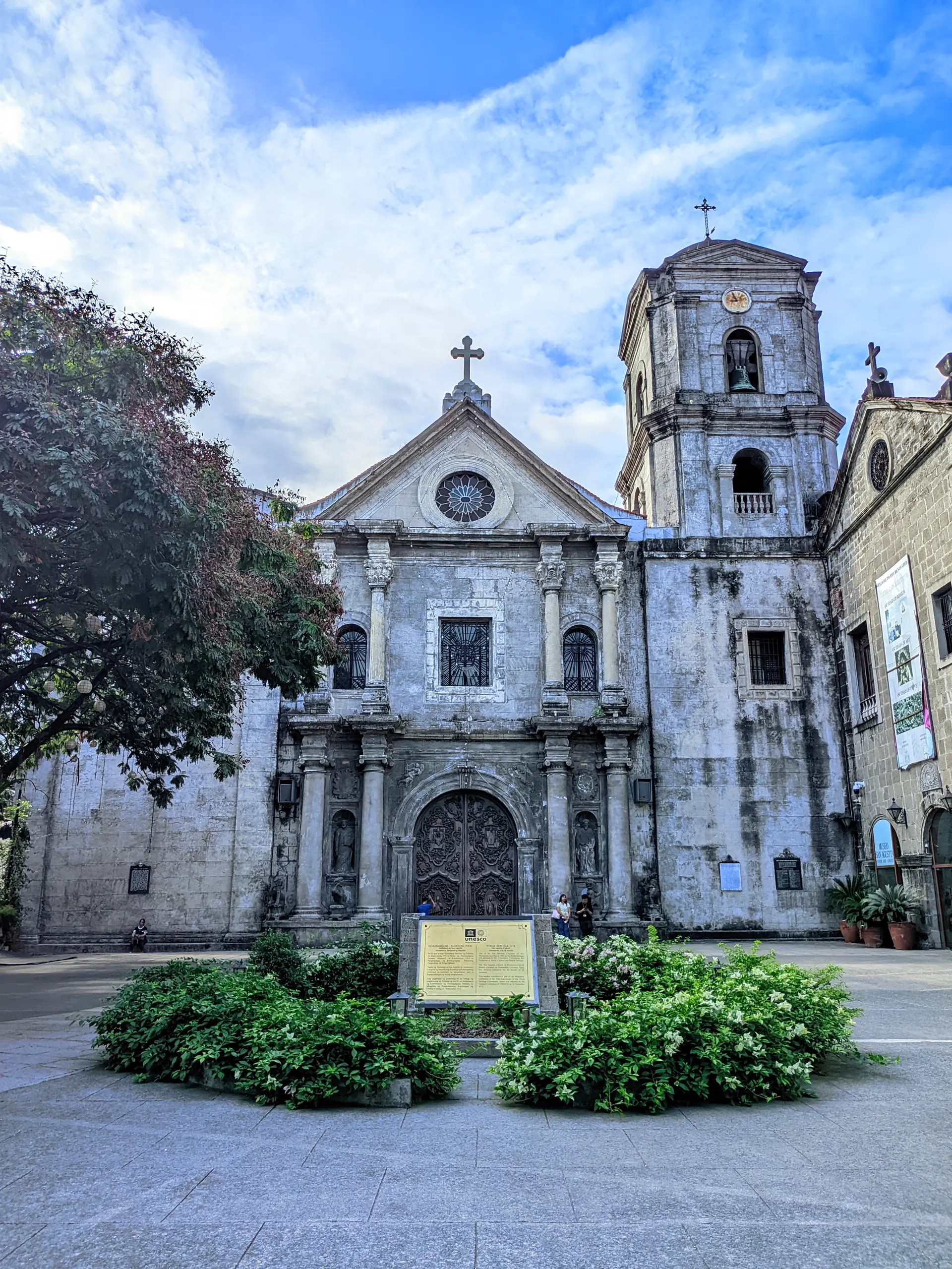
San Agustin Church
Intramuros, Manila, Intramuros, Manila, Metro Manila, Philippines
262.5 km away
References
Sources consulted for this page. Source categories describe the publication, not a guarantee that every claim is verified. Traditional accounts and outside interpretations may differ.
- 01History of the Devotion to Our Lady of Peñafrancia — Archdiocese of CáceresspiritualOfficial church documentation of the devotion's history
- 02The historic and original home of Ina | Peñafrancia Shrine — City of Naga Official WebsiteofficialOfficial municipal documentation
- 03One of a kind in the region, the home of Ina | Peñafrancia Basilica — City of Naga Official WebsiteofficialOfficial municipal documentation on the basilica
- 04Our Lady of Peñafrancia / Nuestra Señora de Peñafrancia / Ina — Cultural Center of the Philippines EncyclopediaSource contextOfficial Philippine cultural documentation
- 05Divino Rostro History — Archdiocese of CáceresspiritualOfficial church documentation of the Divino Rostro devotion
- 06Peñafrancia Festival & Divino Rostro feature novenas and fluvial procession — Catholics & CulturesacademicAcademic documentation of Catholic cultural practices
- 07Sanctuary of the Peña de Francia — Portal de Turismo de Castilla y LeónofficialOfficial Spanish tourism documentation of the original shrine
- 08University of California Los Angeles - Bikolano Marian Devotion Study — UC Los AngelesacademicAcademic dissertation on Bikolano Marian devotion and syncretism
- 09The Little-Known Story of Our Lady of Peñafrancia, a Filipino Devotion Known for Its Healing Miracles — EWTNspiritualCatholic media coverage of miracles and devotion history
- 10Our Lady of Peñafrancia - Wikipedia — Wikipedia contributorsencyclopediaGood overview with citations; cross-referenced with primary sources
- 11Complete Guide to Peñafrancia Festival 2025 — Naga City GuideguidePractical visitor information
- 12Peñafrancia Basilica - Wikipedia — Wikipedia contributorsencyclopediaOverview of basilica architecture and history
- 13Nuestra Señora de Peñafrancia de Naga – The Ina of Bicolandia — Pintakasi PHblogCultural documentation of devotion traditions
- 14Peñafrancia today: Evolving practices and community involvement — RapplernewsContemporary perspectives on evolving devotion
Share a photo
Help visitors recognize Our Lady of Peñafrancia, Naga City, Bicol. Every submission is reviewed before publication.