Baclaran Church — National Shrine of Our Mother of Perpetual Help
Wednesday prayer turns individual petitions into a shared devotion
Understand sacred places, explore living traditions, and learn how to engage respectfully with Pilgrim Map.
Access has not been verified. Check current local guidance before planning a visit.
Parañaque, Metro Manila, Philippines
Read the sourcesVisit essentials
A quick read before you go
- Etiquette
- Keep aisles and entrances clear, silence phones during services, and ask before taking…
Overview
Baclaran Church in Parañaque is the National Shrine of Our Mother of Perpetual Help. Its Marian icon draws people carrying concerns about illness, work, relationships, and the people they love. The Redemptorist shrine understands this devotion as both prayer and mission: a place where private petitions enter a larger community of people praying for one another.
Why this place is sacred
The icon represents Mary holding Jesus, and Catholic devotees seek her intercession rather than treating the image as a medical object. Baclaran's healing reputation belongs within a wider language of help, solidarity, and gratitude. A favorable personal testimony is meaningful to the person who gives it, but is not a clinical finding or a promise that another visitor will have the same experience.
Healing traditions
Devotional letters and answered-prayer tradition
Baclaran's healing reputation is carried in letters of petition and thanksgiving to Our Mother of Perpetual Help. Redemptorist writing about the shrine explains that these letters include illness, family difficulties, and material hardship. Their importance lies in people's own accounts of receiving help and finding hope. They should not all be described as medically investigated miracles.
Ways to participate
Join a public novena if it fits your visit, or write a short intention in your own words. The shrine has arrangements for petition and thanksgiving letters; ask where these can be left today. You can also pray silently before the icon or support the shrine's care for people in need.
These accounts describe religious traditions and reported experiences. They do not promise a cure or replace medical care.
Context and lineage
The shrine's own history describes a modest Redemptorist foundation transformed by the introduction of the public Perpetual Novena in 1948. As attendance grew, the earlier chapel could no longer hold the congregation. Enlargements led to the present church, completed in 1958. The significant change was not simply architectural. A devotion that could be practiced privately became a repeated communal gathering, carried outward by clergy and lay devotees across the Philippines.
Traditions and practice
Wednesday is especially associated with the novena. Unlike a single series that ends after nine occasions, the perpetual form continues in repeated cycles. The shrine emphasizes intercession for others as well as one's own needs. Visitors may attend a public service, listen quietly, or pray without taking part in every devotional action. Follow the published service schedule to choose an appropriate time.
Catholic
ActiveThe shrine honours Our Mother of Perpetual Help within this tradition.
Plan your visit
Look for the National Shrine in Baclaran, Parañaque, rather than assuming every church dedicated to Perpetual Help is this location. The official website provides Mass and novena information. Allow for large congregations on Wednesdays and religious occasions. Confirm the best entrance and accessible route with the shrine if needed; crowd levels and transport conditions should be checked close to the visit.
Respectful visit
Keep aisles and entrances clear, silence phones during services, and ask before taking photographs inside prayer areas. Do not record private petitions or people seeking pastoral help. The shrine's welcome is an invitation to share space respectfully, not permission to turn the congregation into a photographic subject.
Location
Map loads as you approach this section.
Pilgrim reflections
A portrait of encounter, not a score
Pilgrims describe what they felt, how present they could become, and whether the place would shape a journey. There are no stars and no ranking of traditions.
No reviewed reflections yet
The first pilgrims can help describe the character of being here.
Share a reflection
Available after an account-backed “Been there.” Every reflection is reviewed before publication.
Nearby sacred places
Explore other sacred places in the region. Proximity does not establish access or travel time; check each place’s guidance.
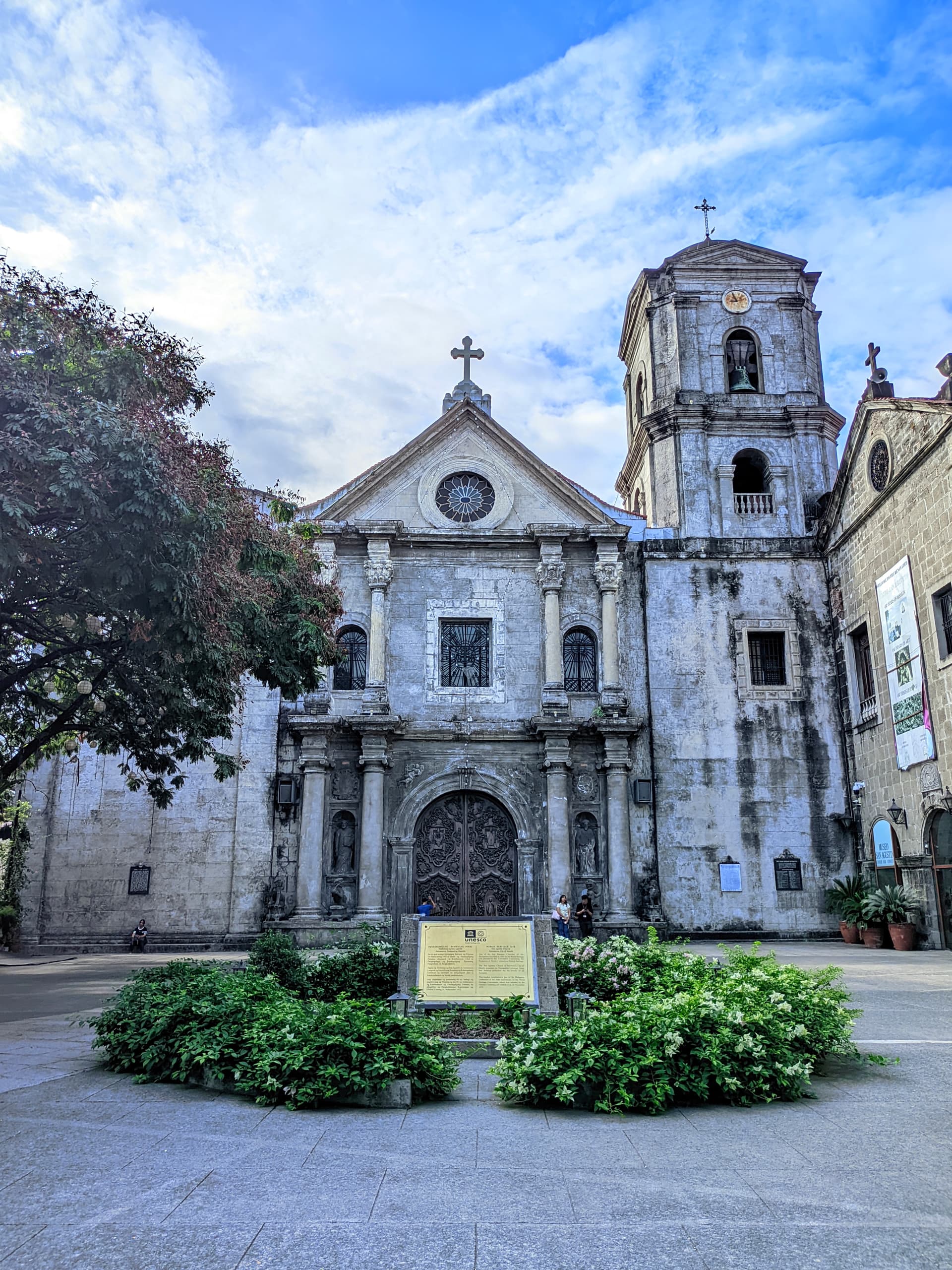
San Agustin Church
Intramuros, Manila, Intramuros, Manila, Metro Manila, Philippines
6.8 km away
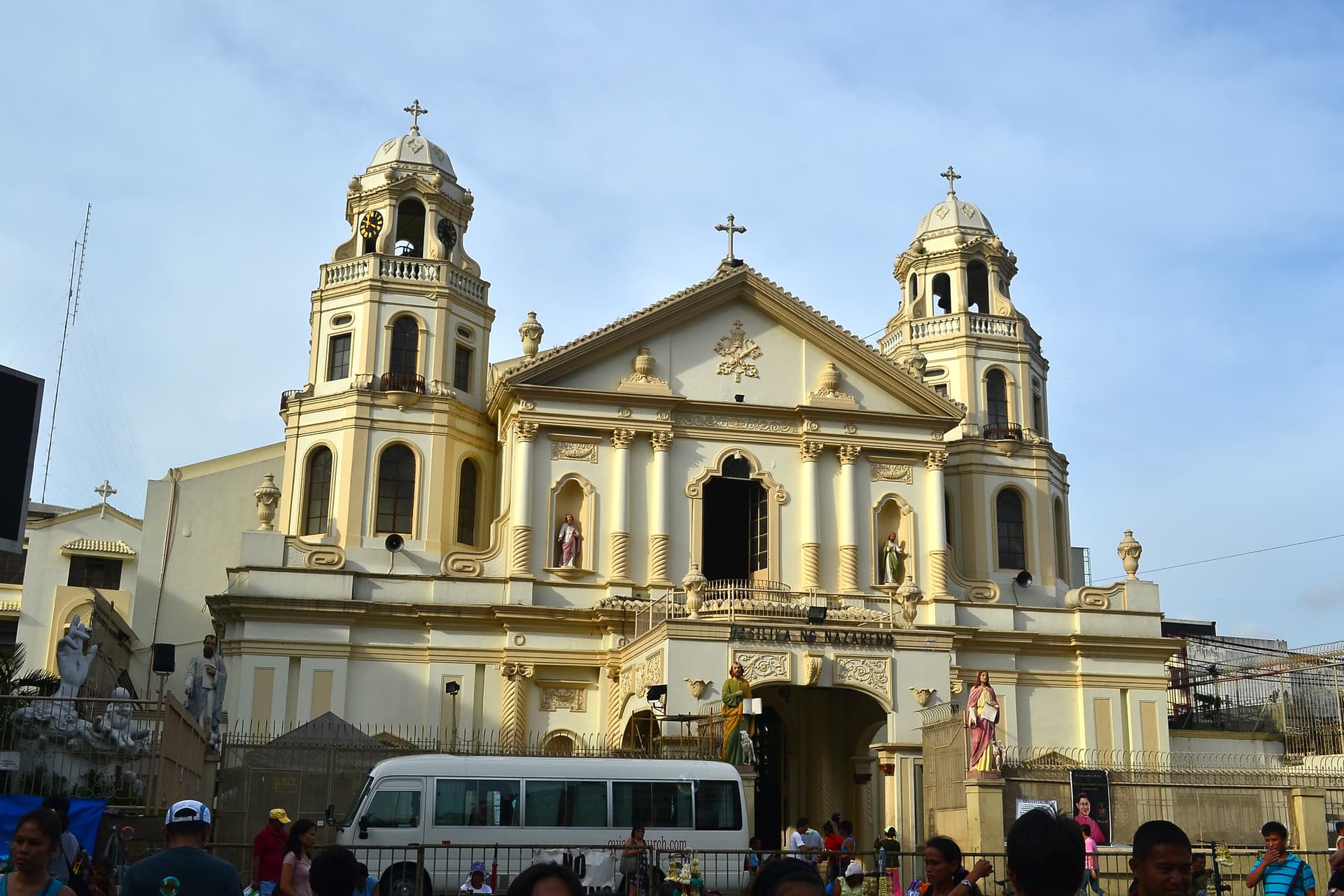
Quiapo Church (Minor Basilica and National Shrine of Jesus Nazareno)
Quiapo, Manila, Manila, Philippines
7.6 km away

Minor Basilica of Our Lady of the Rosary of Manaoag
Manaoag, Pangasinan, Philippines
176.8 km away
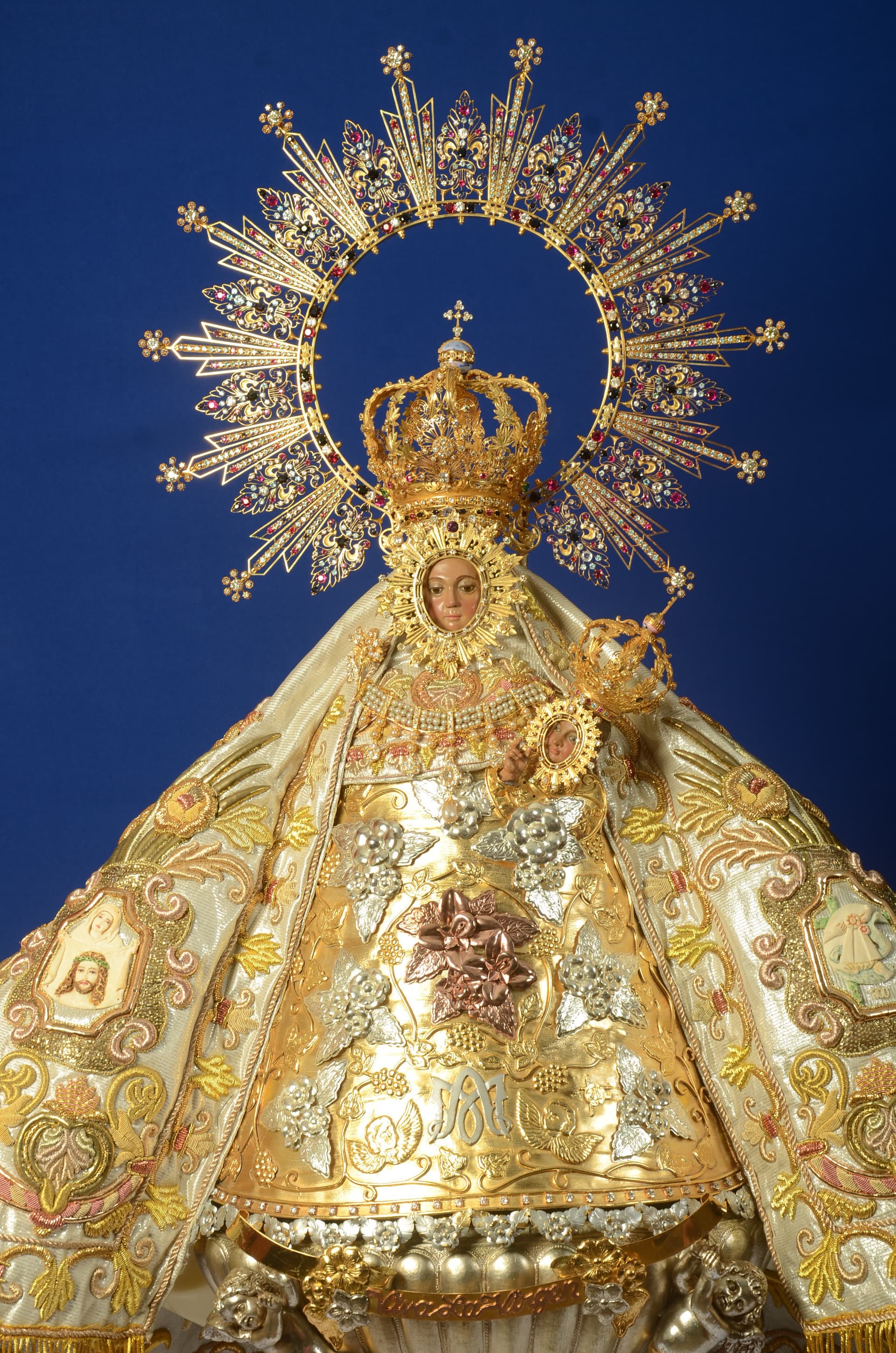
Our Lady of Peñafrancia, Naga City, Bicol
Naga, Camarines Sur, Philippines
258.0 km away
References
Sources consulted for this page. Source categories describe the publication, not a guarantee that every claim is verified. Traditional accounts and outside interpretations may differ.
- 01National Shrine of Our Mother of Perpetual Help | Baclaran Church — baclaranchurch.orgSource contextSupports site identity, history, or publicly described devotion; healing narratives are attributed beliefs, not clinical evidence.
- 02National Shrine of Our Mother of Perpetual Help | Baclaran Church — baclaranchurch.orgSource contextSupports site identity, history, or publicly described devotion; healing narratives are attributed beliefs, not clinical evidence.
- 03National Shrine of Our Mother of Perpetual Help | Baclaran Church — baclaranchurch.orgSource contextSupports site identity, history, or publicly described devotion; healing narratives are attributed beliefs, not clinical evidence.
- 04Coordinate reference for Baclaran Church — National Shrine of Our Mother of Perpetual Help — www.wikidata.orgSource contextIdentity and geographic positioning only; not used to approve religious claims or access policy.
- 05Thanksgiving letters and Baclaran devotion — Redemptorist shrine writingblogSupports the attributed account or visitor practice in the healing section; not evidence of clinical efficacy.
Share a photo
Help visitors recognize Baclaran Church — National Shrine of Our Mother of Perpetual Help. Every submission is reviewed before publication.