Sanctuary of Artemis Orthia
A Spartan sanctuary where archaeology complicates legend
Understand sacred places, explore living traditions, and learn how to engage respectfully with Pilgrim Map.
Access has not been verified. Check current local guidance before planning a visit.
Sparta, Laconia, Peloponnese, Greece
Read the sources
Sanctuary of Artemis Orthia in Greece. Image source · CC0
Visit essentials
A quick read before you go
- Duration
- Allow 1–2 hours at a bounded archaeological site and substantially longer for mountain…
- Access
- The physical remains are modest and can be difficult to read without a plan or museum context.
Overview
The sanctuary lay east of ancient Sparta near the Eurotas. British School at Athens excavations from 1906 to 1910 uncovered Archaic and later temples, altars, Roman spectator architecture, and enormous quantities of votive material, including lead figurines, terracotta masks, and carved ivories. The archaeological sequence indicates long use and changing ritual emphasis. Epigraphic evidence also matters: the deity was addressed as Orthia for much of the sanctuary's history, and the combined name Artemis Orthia becomes clear later.
Calling every phase simply a temple of the familiar Olympian Artemis can erase that development.
Why this place is sacred
Later literary descriptions, Roman architectural changes, and modern fascination have often been projected backward. The page explicitly dates claims where possible and treats death-under-whipping stories as contested testimony rather than a routine archaeological fact.
Youth, communal formation, competition, performance, and endurance are central to interpretations of the cult. Ancient authors describe cheese-taking and whipping at the altar, and Roman-period spectators were drawn to an intensified endurance contest. Those accounts are not a transparent report of an unchanged archaic initiation. Recent scholarship questions sensational claims that boys routinely died under the whip and distinguishes later spectacle from earlier practice.
The site should be approached neither as proof of Spartan brutality nor as an invitation to celebrate pain, but as evidence for a cult transformed by time, civic identity, and outside expectations.
The sanctuary lay east of ancient Sparta near the Eurotas. British School at Athens excavations from 1906 to 1910 uncovered Archaic and later temples, altars, Roman spectator architecture, and enormous quantities of votive material, including lead figurines, terracotta masks, and carved ivories. The archaeological sequence indicates long use and changing ritual emphasis. Epigraphic evidence also matters: the deity was addressed as Orthia for much of the sanctuary's history, and the combined name Artemis Orthia becomes clear later.
Calling every phase simply a temple of the familiar Olympian Artemis can erase that development.
Experience and orientation
The physical remains are modest and can be difficult to read without a plan or museum context. The Eurotas landscape, temple foundations, altar area, and Roman viewing structure together reveal more than any isolated wall. Verify current access locally; the site may not operate like a major ticketed monument. Do not climb low masonry, enter fenced ground, or recreate endurance rituals.
The Archaeological Museum of Sparta and excavation archives provide essential context for the small objects that once animated this place.
The sanctuary beside the Eurotas in ancient Sparta; it is distinct from the Artemis Orthia sanctuary at ancient Messene and the cult site described on Mount Lykone.
Context and lineage
Later literary descriptions, Roman architectural changes, and modern fascination have often been projected backward. The page explicitly dates claims where possible and treats death-under-whipping stories as contested testimony rather than a routine archaeological fact.
Youth, communal formation, competition, performance, and endurance are central to interpretations of the cult. Ancient authors describe cheese-taking and whipping at the altar, and Roman-period spectators were drawn to an intensified endurance contest. Those accounts are not a transparent report of an unchanged archaic initiation. Recent scholarship questions sensational claims that boys routinely died under the whip and distinguishes later spectacle from earlier practice.
The site should be approached neither as proof of Spartan brutality nor as an invitation to celebrate pain, but as evidence for a cult transformed by time, civic identity, and outside expectations.
Orthia, later Artemis Orthia
ancient cult association
Traditions and practice
Historic practices at Sanctuary of Artemis Orthia are described from evidence and ancient testimony; they are not instructions for reenactment.
No universal contemporary devotional practice is claimed for Sanctuary of Artemis Orthia as a protected heritage place.
At Sanctuary of Artemis Orthia, walk slowly, read the site, notice landscape and material evidence, and leave no physical trace.
Ancient Greek and Roman
HistoricalYouth, communal formation, competition, performance, and endurance are central to interpretations of the cult. Ancient authors describe cheese-taking and whipping at the altar, and Roman-period spectators were drawn to an intensified endurance contest. Those accounts are not a transparent report of an unchanged archaic initiation. Recent scholarship questions sensational claims that boys routinely died under the whip and distinguishes later spectacle from earlier practice. The site should be approached neither as proof of Spartan brutality nor as an invitation to celebrate pain, but as evidence for a cult transformed by time, civic identity, and outside expectations.
Historic practices are described, not recreated.
Perspectives and open questions
For Sanctuary of Artemis Orthia, three kinds of meaning should remain distinct. Archaeology documents structures, deposits, inscriptions, and changes over time. Ancient literary and cult traditions interpret the place through Orthia, later Artemis Orthia. Modern responses to Sanctuary of Artemis Orthia may include beauty, grief, inspiration, or spiritual resonance, but those responses are personal rather than proof of a recovered rite. Later literary descriptions, Roman architectural changes, and modern fascination have often been projected backward.
The page explicitly dates claims where possible and treats death-under-whipping stories as contested testimony rather than a routine archaeological fact. Keeping those categories distinct protects the complexity of Sanctuary of Artemis Orthia and lets readers value uncertainty instead of filling it with spectacle.
Scholarly perspective
The sanctuary lay east of ancient Sparta near the Eurotas. British School at Athens excavations from 1906 to 1910 uncovered Archaic and later temples, altars, Roman spectator architecture, and enormous quantities of votive material, including lead figurines, terracotta masks, and carved ivories. The archaeological sequence indicates long use and changing ritual emphasis. Epigraphic evidence also matters: the deity was addressed as Orthia for much of the sanctuary's history, and the combined name Artemis Orthia becomes clear later.
Calling every phase simply a temple of the familiar Olympian Artemis can erase that development.
Living and traditional perspectives
Youth, communal formation, competition, performance, and endurance are central to interpretations of the cult. Ancient authors describe cheese-taking and whipping at the altar, and Roman-period spectators were drawn to an intensified endurance contest. Those accounts are not a transparent report of an unchanged archaic initiation. Recent scholarship questions sensational claims that boys routinely died under the whip and distinguishes later spectacle from earlier practice.
The site should be approached neither as proof of Spartan brutality nor as an invitation to celebrate pain, but as evidence for a cult transformed by time, civic identity, and outside expectations.
Alternative interpretations
Some modern visitors interpret Sanctuary of Artemis Orthia through personal spirituality, landscape, or wellness. Readings of Sanctuary of Artemis Orthia can be meaningful when clearly identified as contemporary and when they do not overwrite evidence or custodial rules.
Open questions
Later literary descriptions, Roman architectural changes, and modern fascination have often been projected backward. The page explicitly dates claims where possible and treats death-under-whipping stories as contested testimony rather than a routine archaeological fact.
Plan your visit
Access and arrival
The physical remains are modest and can be difficult to read without a plan or museum context. The Eurotas landscape, temple foundations, altar area, and Roman viewing structure together reveal more than any isolated wall. Verify current access locally; the site may not operate like a major ticketed monument. Do not climb low masonry, enter fenced ground, or recreate endurance rituals.
The Archaeological Museum of Sparta and excavation archives provide essential context for the small objects that once animated this place.
Use established services in or near Sparta; no on-site accommodation is assumed.
Respectful visit
Wear clothing and footwear suited to weather, rough terrain, and a public heritage setting.
Follow posted rules; do not photograph people closely without consent or use drones without explicit authorization.
Leave no objects or substances. Use only official donation or ticket channels.
Barriers, locked gates, fragile surfaces, caves, conservation works, and habitat limits must be obeyed.
Later literary descriptions, Roman architectural changes, and modern fascination have often been projected backward. The page explicitly dates claims where possible and treats death-under-whipping stories as contested testimony rather than a routine archaeological fact.
Location
Map loads as you approach this section.
Pilgrim reflections
A portrait of encounter, not a score
Pilgrims describe what they felt, how present they could become, and whether the place would shape a journey. There are no stars and no ranking of traditions.
No reviewed reflections yet
The first pilgrims can help describe the character of being here.
Share a reflection
Available after an account-backed “Been there.” Every reflection is reviewed before publication.
Nearby sacred places
Explore other sacred places in the region. Proximity does not establish access or travel time; check each place’s guidance.

Temple of Apollo Epicurius at Bassae
Bassae, Oichalia, Messenia, Peloponnese, Greece
61.0 km away
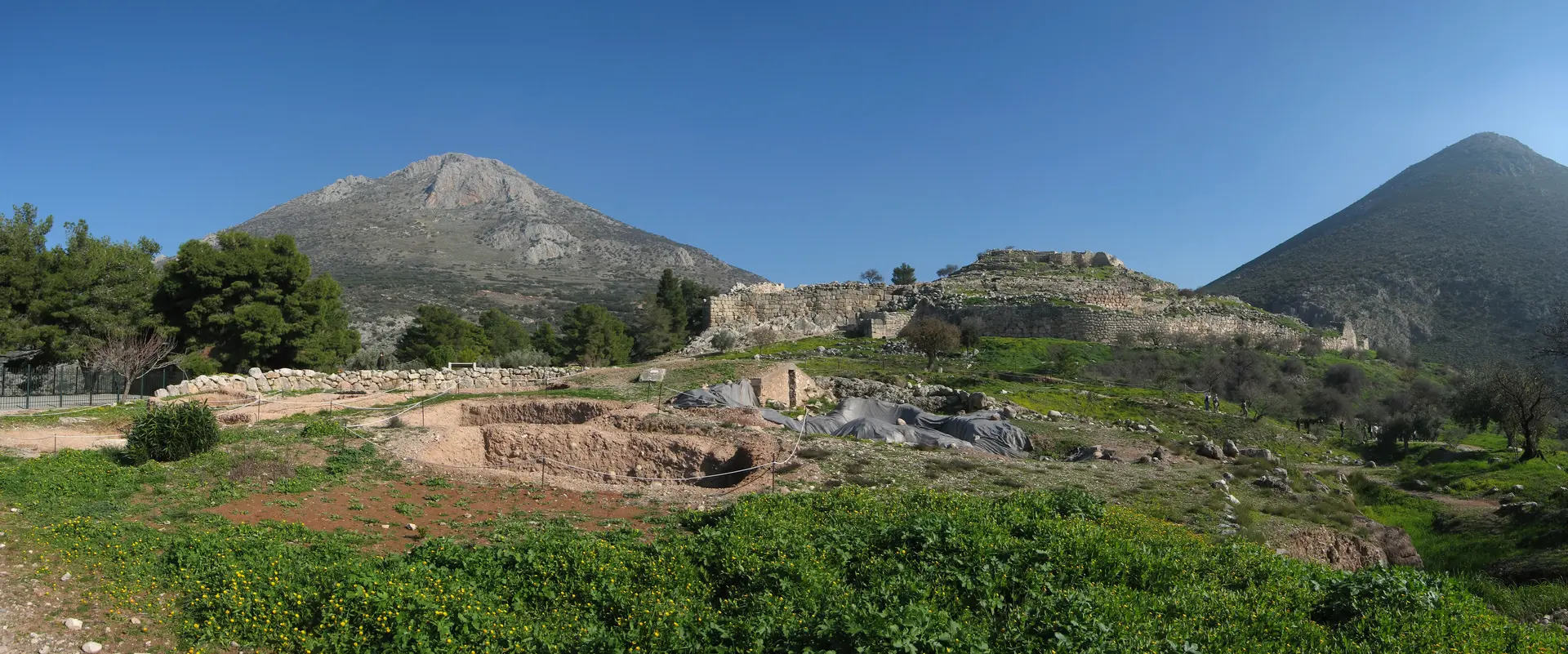
Mycenae
Municipal Unit of Mykines, Peloponnese, Greece
77.4 km away
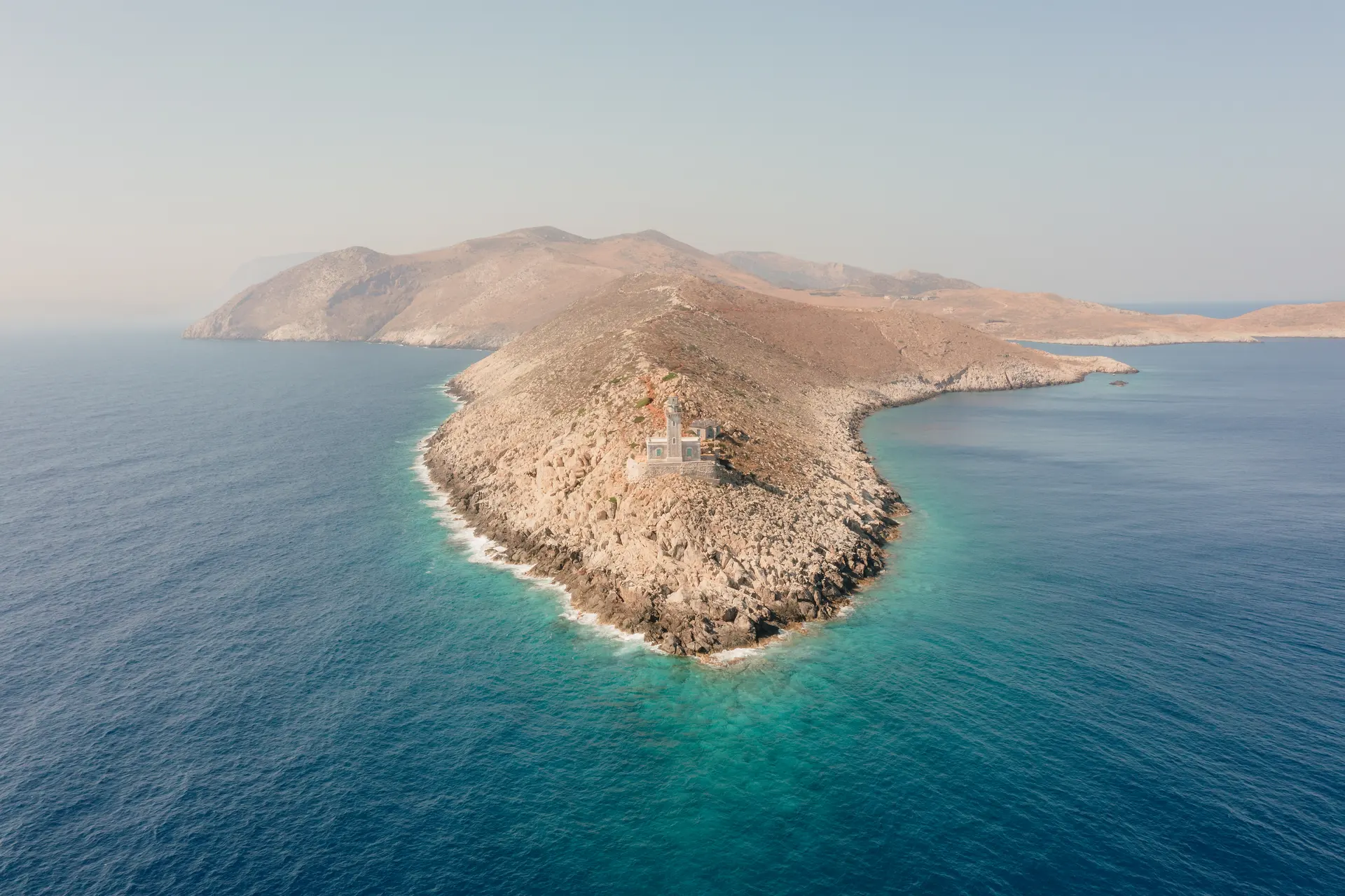
Oracle at Cape Tainaron (Mataram), Peloponnese, Greece
East Mani Municipal Unit, Peloponnese, Greece
77.6 km away
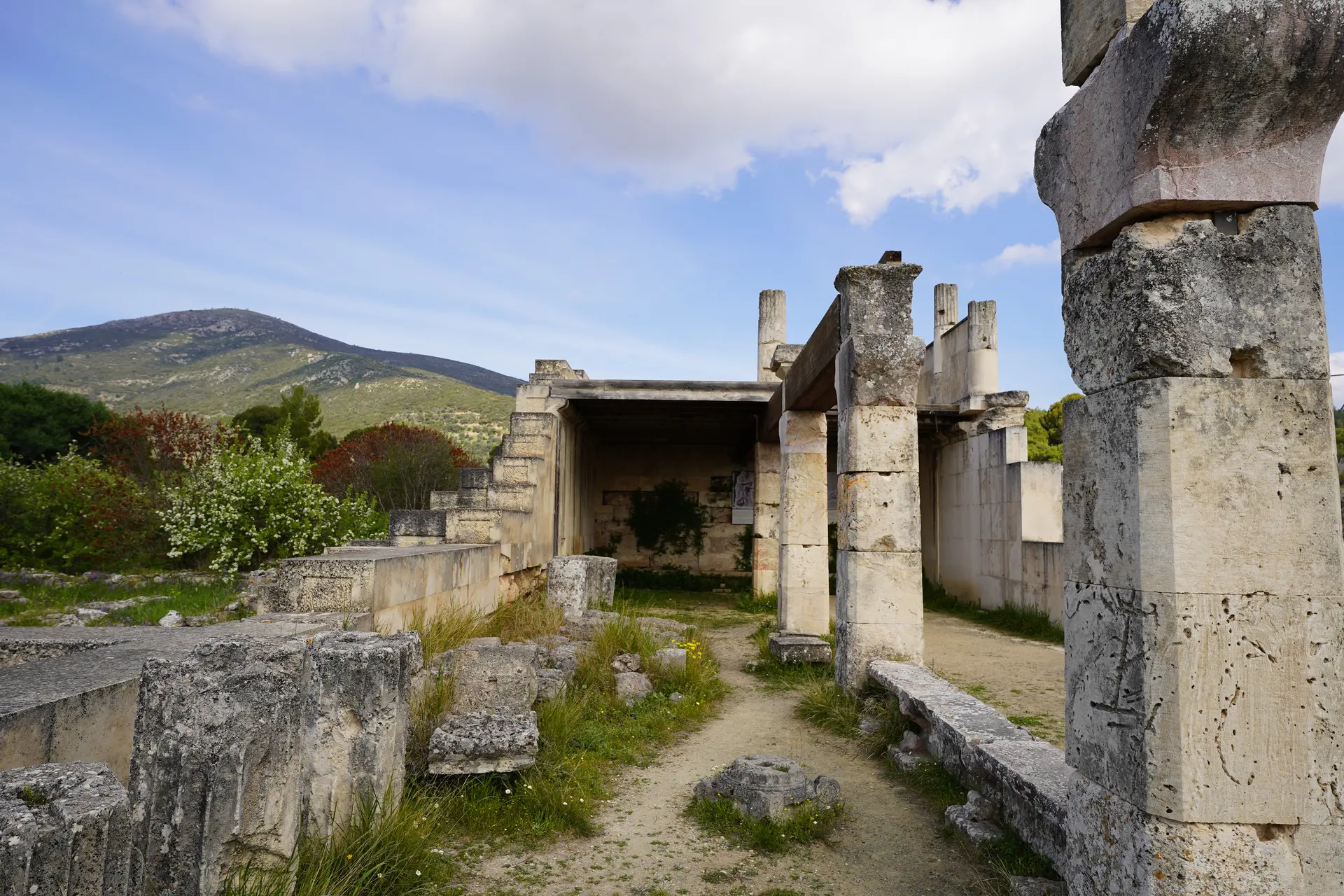
Sanctuary of Asklepios at Epidauros
Epidauros, Peloponnese, Greece
80.6 km away
References
Sources consulted for this page. Source categories describe the publication, not a guarantee that every claim is verified. Traditional accounts and outside interpretations may differ.
- 01Sparta Begins: 1906–1910 excavations — British School at AthensacademicSupports only the identity, history, sacred context, conservation, or visitor information stated by this source.
- 02Orthia Artemis Sanctuary — Municipality of SpartaofficialSupports only the identity, history, sacred context, conservation, or visitor information stated by this source.
- 03Were Spartan Boys Whipped to Death? — Tønnes Bekker-NielsenacademicSupports only the identity, history, sacred context, conservation, or visitor information stated by this source.
- 04Temple of Artemis Orthia, Sparta — University of WarwickacademicSupports only the identity, history, sacred context, conservation, or visitor information stated by this source.
- 05Sanctuary of Artemis Orthia collection term — British MuseumSource contextSupports only the identity, history, sacred context, conservation, or visitor information stated by this source.
- 06Image provenance for Sanctuary of Artemis Orthia — George E. KoronaiosSource contextImage identity and reuse rights only: CC0.
- 07Sanctuary of Artemis Orthia — Wikidata contributorsSource contextSupports only the identity, history, sacred context, conservation, or visitor information stated by this source.
Share a photo
Help visitors recognize Sanctuary of Artemis Orthia. Every submission is reviewed before publication.