Rengeō-in (Sanjūsangen-dō)
Compassion multiplied along a hall of one thousand Kannon forms
Understand sacred places, explore living traditions, and learn how to engage respectfully with Pilgrim Map.
Access has not been verified. Check current local guidance before planning a visit.
Kyoto, Kyoto Prefecture, Japan
Read the sources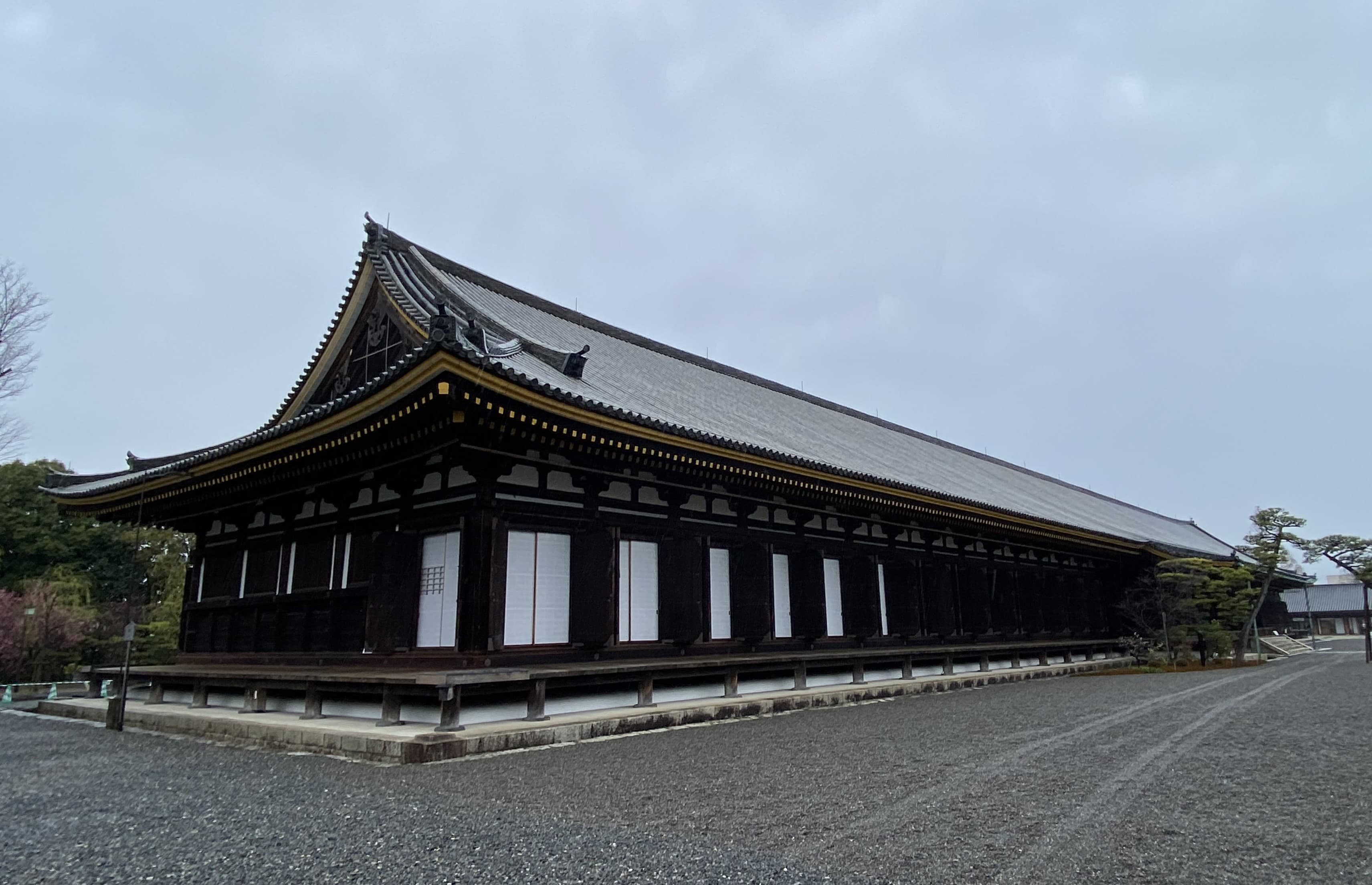
Image of Rengeō-in (Sanjūsangen-dō). Image source
Visit essentials
A quick read before you go
- Duration
- Let Rengeō-in (Sanjūsangen-dō)'s available route determine the duration.
- Access
- Check transport, admission, booking, and mobility with Rengeō-in (Sanjūsangen-dō).
Overview
Inside Sanjūsangen-dō, a central seated Kannon is surrounded by one thousand standing forms of the Thousand-armed Kannon, with guardian figures interrupting the ranks. Gold, carved bodies, and the dim hall create an encounter for which no exterior photograph fully prepares a visitor.
This is not a numerical curiosity. In Tendai Buddhist understanding, the multiplied images give material form to Kannon’s far-reaching compassion. Each standing figure is individually carved, holding difference within an overwhelming collective order.
Rengeō-in is also known for its long hall and the Tōshiya archery tradition outside. Prayer and sculpture govern the interior, while disciplined archery occupies the building’s exterior memory. The strict prohibition on interior photography protects vulnerable art and devotional attention.
Why this place is sacred
The Thousand-armed Kannon is the sacred center, understood as compassion able to respond in innumerable ways. The central image and surrounding standing figures make that teaching spatial: no single viewpoint captures the assembly. Guardian sculptures add a more forceful protective register without displacing Kannon’s role.
Rengeō-in (Sanjūsangen-dō) centers religious attention on Sahasrabhuja-ārya-avalokiteśvara, the Thousand-armed Kannon.
Rengeō-in (Sanjūsangen-dō) endures through custodianship, repair, and continuing observance.
Experience and orientation
Allow your eyes to adjust and follow the marked route without stepping backward into another person. Move slowly enough to notice individual faces and gestures, then step back mentally to perceive the full assembly. Cameras must remain put away inside. A quiet bow or prayer is appropriate; loud counting and hurried comparison are not.
Use Rengeō-in (Sanjūsangen-dō)'s current directions and posted route.
Context and lineage
Taira no Kiyomori built the hall for retired Emperor Go-Shirakawa in 1164; the present structure dates to 1266. Later fabric at Rengeō-in (Sanjūsangen-dō) reflects renewal, not one construction moment.
Tendai Buddhism
Traditions and practice
At Rengeō-in (Sanjūsangen-dō), established observance includes quiet prayer to Kannon, slow viewing along the image rows, and the annual Tōshiya archery tradition outside.
Rengeō-in (Sanjūsangen-dō)'s custodians continue services and religious care.
At Rengeō-in (Sanjūsangen-dō), watch first; unfamiliar rites need not be copied.
Tendai Buddhism
ActiveRengeō-in (Sanjūsangen-dō) remains a living Tendai Buddhism institution.
See Rengeō-in (Sanjūsangen-dō)'s documented practices above.
Perspectives and open questions
Rengeō-in (Sanjūsangen-dō) holds religious, historical, and material registers.
Scholarly perspective
Historical interpretation at Rengeō-in (Sanjūsangen-dō) follows its cited record.
Living and traditional perspectives
Tendai Buddhism supplies Rengeō-in (Sanjūsangen-dō)'s authoritative devotional frame.
Alternative interpretations
No esoteric overlay is asserted for Rengeō-in (Sanjūsangen-dō).
Open questions
Rengeō-in (Sanjūsangen-dō)'s changing schedule remains outside this account.
Plan your visit
Access and arrival
Check transport, admission, booking, and mobility with Rengeō-in (Sanjūsangen-dō).
No visitor lodging at Rengeō-in (Sanjūsangen-dō) is established here.
Respectful visit
Wear practical clothing; follow Rengeō-in (Sanjūsangen-dō)'s shoe instructions.
Photograph only where Rengeō-in (Sanjūsangen-dō) explicitly permits it.
Use only offering places provided by Rengeō-in (Sanjūsangen-dō).
Interior photography is prohibited, voices must stay low, and visitors should never separate from the marked route.
Never interrupt worship or private observance at Rengeō-in (Sanjūsangen-dō).
Location
Map loads as you approach this section.
Pilgrim reflections
A portrait of encounter, not a score
Pilgrims describe what they felt, how present they could become, and whether the place would shape a journey. There are no stars and no ranking of traditions.
No reviewed reflections yet
The first pilgrims can help describe the character of being here.
Share a reflection
Available after an account-backed “Been there.” Every reflection is reviewed before publication.
Nearby sacred places
Explore other sacred places in the region. Proximity does not establish access or travel time; check each place’s guidance.



References
Sources consulted for this page. Source categories describe the publication, not a guarantee that every claim is verified. Traditional accounts and outside interpretations may differ.
- 01Rengeō-in (Sanjūsangen-dō) official site — Rengeō-in (Sanjūsangen-dō) custodial institutionofficialPrimary institutional source for identity, religious life, and visitor rules.
- 02Google Maps place record for Rengeō-in (Sanjūsangen-dō) — Google PlacesofficialExact-place identity, coordinates, operational status, and official website candidate.
- 03Sanjūsangen-dō — Wikipedia contributorsSource contextGeneral reference cross-checked against the institutional source.
- 04Wikidata record for Sanjūsangen-dō — Wikidata contributorsacademicStructured identity and coordinate cross-check.
- 05Kyoto City Official Travel Guide — Kyoto City Tourism AssociationSource contextOfficial destination context; current details require checking the site page.
Pilgrim glossary
- Kannon
- The bodhisattva of compassion, central to many East Asian pilgrimage routes.
- Tendai
- A Japanese Buddhist school based on the Lotus Sutra, foundational to many later traditions.
Share a photo
Help visitors recognize Rengeō-in (Sanjūsangen-dō). Every submission is reviewed before publication.