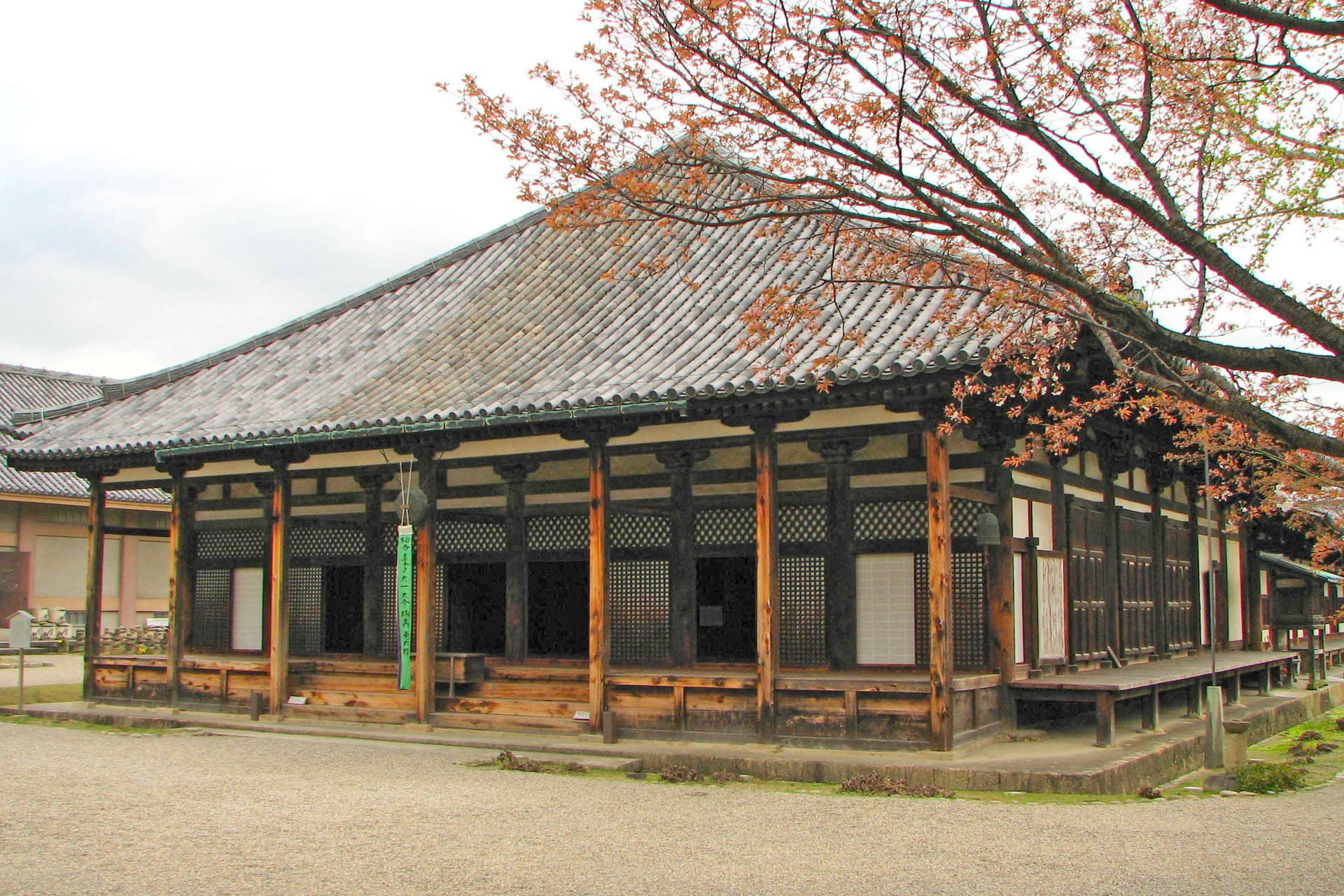
Obitoke-dera Temple
A childbirth-prayer temple whose name recalls loosening a sash
Understand sacred places, explore living traditions, and learn how to engage respectfully with Pilgrim Map.
Access has not been verified. Check current local guidance before planning a visit.
Nara, Japan
Read the sourcesVisit essentials
A quick read before you go
- Etiquette
- Give worshippers space and ask before photographing people or ceremonies.
Overview
Obitoke-dera in Nara is known for prayers for conception and safe childbirth. Its belly-band devotion and imperial associations are described by the city’s tourism service. The temple’s name and founding tradition connect the ordinary material of a pregnancy sash with a story of an imperial birth.
Why this place is sacred
Imperial associations form one layer of the temple’s identity; families’ own prayers sustain its wider meaning.
Experience and orientation
Obitoke-dera is in Imaichi-cho, Nara.
Context and lineage
According to temple tradition, Emperor Montoku’s consort prayed here and gave birth to the future Emperor Seiwa. The account links the temple’s naming and imperial patronage with that event in the ninth century. It is presented as a transmitted religious foundation story, not evidence that a ritual determines a birth outcome.
Traditions and practice
Consult the temple’s current information for childbirth prayers and devotional items. Describing belly-band practice is not an instruction to adopt it or a substitute for individual maternity advice.
Buddhism
ActivePerspectives and open questions
Devotional accounts express religious meaning; they do not establish medical outcomes.
Plan your visit
Use the temple and Nara tourism pages for current directions and visiting arrangements. This is a Buddhist temple, distinct from Shinto shrines that also offer childbirth prayers.
Respectful visit
Give worshippers space and ask before photographing people or ceremonies. Follow the custodian’s directions.
Location
Map loads as you approach this section.
Pilgrim reflections
A portrait of encounter, not a score
Pilgrims describe what they felt, how present they could become, and whether the place would shape a journey. There are no stars and no ranking of traditions.
No reviewed reflections yet
The first pilgrims can help describe the character of being here.
Share a reflection
Available after an account-backed “Been there.” Every reflection is reviewed before publication.
Nearby sacred places
Explore other sacred places in the region. Proximity does not establish access or travel time; check each place’s guidance.



References
Sources consulted for this page. Source categories describe the publication, not a guarantee that every claim is verified. Traditional accounts and outside interpretations may differ.
- 01Obitoke-dera Temple|What to See & Do|Nara Travelers Guide — Nara City Tourism AssociationofficialExact site identity and supplied association/facts; see fact-level refs.
- 02Obitoke-dera official custodian website — Obitoke-deraSource contextCorroborates identity, ritual or access.
- 03Religion, Commerce, and Commodity — Lisa Kuly dissertation — Lisa Kuly; Cornell UniversityacademicResearch includes Obitoke pregnancy belt practice; historical study, not current prices.
Share a photo
Help visitors recognize Obitoke-dera Temple. Every submission is reviewed before publication.