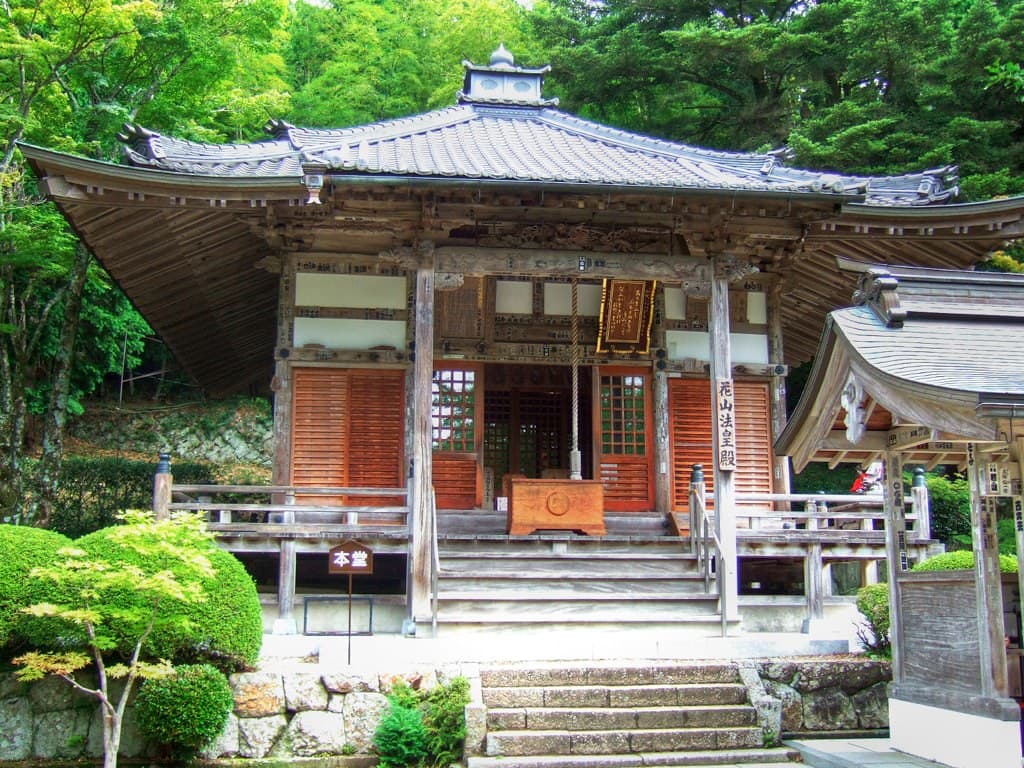
Obara Jinja Shrine
Childbirth prayers beside a surviving village birth hut
Understand sacred places, explore living traditions, and learn how to engage respectfully with Pilgrim Map.
Access has not been verified. Check current local guidance before planning a visit.
Fukuchiyama, Kyoto, Japan
Read the sourcesVisit essentials
A quick read before you go
- Etiquette
- Give worshippers space and ask before photographing people or ceremonies.
Overview
Obara Jinja in rural Fukuchiyama receives families praying for childbirth. Across the river stands an ubuya, a small thatched structure once used in local birth customs. The active shrine and this surviving historical building allow visitors to encounter both present devotion and the material history of childbirth.
Why this place is sacred
That distinction matters: a surviving building records former customs without recommending them for present maternity care.
Experience and orientation
The shrine is at 191-1 Miwacho Obara, Fukuchiyama.
Context and lineage
The shrine’s origin accounts explain childbirth protection through the creative power of the kami. The Japan Tourism Agency names Izanami, Amaterasu and Tsukuyomi among those venerated here. The nearby ubuya faces the shrine across the river, a setting interpreted through the boundary between this world and the otherworld. It is no longer used for delivery.
Traditions and practice
The shrine offers childbirth prayers and charms containing sand associated with the ubuya. These are devotional objects. Visitors should follow the shrine’s arrangements and leave the hut and its materials undisturbed.
Shinto
ActivePerspectives and open questions
Devotional accounts express religious meaning; they do not establish medical outcomes.
Plan your visit
Consult its access page and current notices before visiting.
Respectful visit
Give worshippers space and ask before photographing people or ceremonies. Follow the custodian’s directions.
Location
Map loads as you approach this section.
Pilgrim reflections
A portrait of encounter, not a score
Pilgrims describe what they felt, how present they could become, and whether the place would shape a journey. There are no stars and no ranking of traditions.
No reviewed reflections yet
The first pilgrims can help describe the character of being here.
Share a reflection
Available after an account-backed “Been there.” Every reflection is reviewed before publication.
Nearby sacred places
Explore other sacred places in the region. Proximity does not establish access or travel time; check each place’s guidance.



References
Sources consulted for this page. Source categories describe the publication, not a guarantee that every claim is verified. Traditional accounts and outside interpretations may differ.
- 01Obara Jinja Shrine — Japan Tourism AgencyofficialReviewed source for identity, narrative, devotional association or access.
- 02Obara Jinja: origins — Obara JinjaSource contextReviewed source for identity, narrative, devotional association or access.
- 03Obara Jinja main hall and related buildings — Fukuchiyama CityofficialReviewed source for identity, narrative, devotional association or access.
- 04Obara Jinja: access — Obara JinjaSource contextReviewed source for identity, narrative, devotional association or access.
- 05Obara Jinja Shrine — location referenceSource contextCoordinates and identity only; not religious authority.
Share a photo
Help visitors recognize Obara Jinja Shrine. Every submission is reviewed before publication.