Matsunoo-dera
Saigoku temple 29: a working Batō Kannon hall in the Kansai pilgrimage round
Understand sacred places, explore living traditions, and learn how to engage respectfully with Pilgrim Map.
Access has not been verified. Check current local guidance before planning a visit.
Maizuru, Kyoto Prefecture, Japan
Read the sources
Station 29 of 33
Saigoku Kannon PilgrimageVisit essentials
A quick read before you go
- Duration
- 1.5–2 hours on site; allow most of a day given limited access from Maizuru
- Access
- JR Obama Line to Matsunoodera Station, then ~10 min by car / 50 min on foot to temple (4 km, no…
Overview
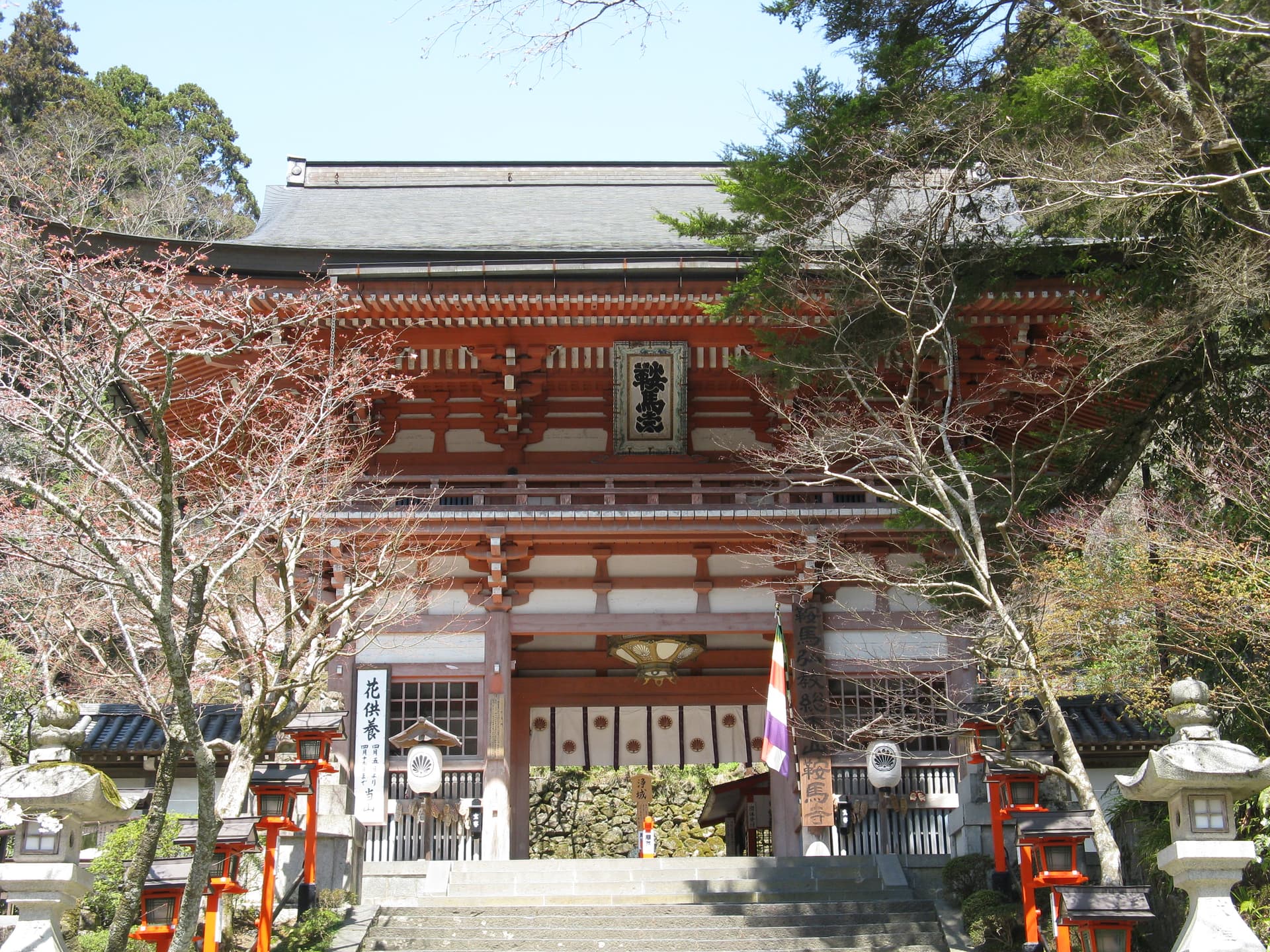
Matsunoo-dera is temple 29 of the thirty-three-station Saigoku Kannon Pilgrimage, a route that has organized Kansai Kannon devotion for more than a thousand years. It alone among the 33 enshrines Batō Kannon (Hayagrīva), the wrathful 'horse-headed' protector of livestock, travelers, fishers, farmers, and, in modern practice, horse-racing supplicants. Its seated image is rare because Batō Kannon is usually shown standing.
In 708 CE during the Keiun era, tradition says the Tang Chinese monk Ikō (Iko) climbed Mt. Aoba, sensed Batō Kannon under a great pine, carved the image, and built a hermitage. The current main hall dates to the early 18th century after repeated fires.
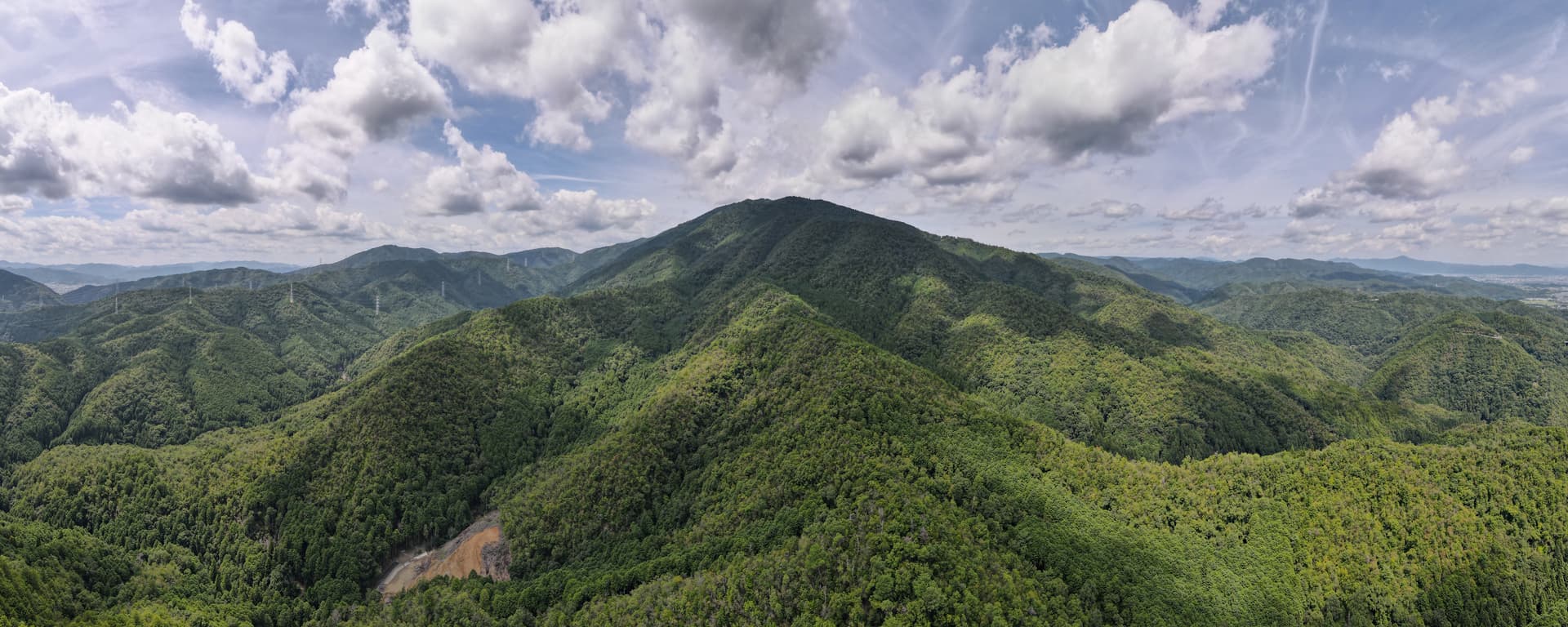
Affiliated with Daigo-ji's Shingon-shū Daigo-ha, the temple sustains medieval mountain-Buddhist traditions including Hotoke-mai. Its forested Mt. Aoba setting includes a ginkgo more than 900 years old and remains remote at the north-Kyoto/Wakasa border.
Why this place is sacred
On the forested slopes of Mt. Aoba, a ginkgo over 900 years old, little modern infrastructure, rare wrathful iconography, and the living medieval Hotoke-mai distinguish this remote north-Kyoto/Wakasa-border temple. It is the only one of the 33 Saigoku sites to enshrine Batō Kannon (Hayagrīva), protector of livestock, travelers, fishers, farmers, and modern horse-racing supplicants. The seated image is unusual; most Batō Kannon images stand.
Tradition says the Tang Chinese monk Ikō climbed Mt. Aoba in 708, sensed Batō Kannon beneath a great pine, carved an image, and built a hermitage there.
Experience and orientation
Pilgrims describe the wooded approach, the seated Bato Kannon's striking countenance (when copies are visible), and the silence of Mt. Aoba as a strong contrast to the more popular temples on the route.
Context and lineage
708 CE during the Keiun era — founded by the Tang Chinese monk Iko (Ikō) on Mt. Aoba; current main hall constructed early 18th century after repeated fires Iko (founder, from Tang China); Emperor Toba (early 12th-c. In 708, the Tang-Chinese monk Iko climbed Mt.
Traditions and practice
Shingon esoteric liturgy; Hannya Shingyō and Kannon mantras; Hotoke-mai (Buddha Dance) on May 8 each year, with masked figures of Shaka, Dainichi, and Amida Nyorai performing to gagaku-style court music; periodic 77-year hibutsu kaichō (next 2085)
Shingon-shū Daigo-ha (真言宗醍醐派)
ActiveAffiliated with Daigo-ji's Daigo-ha branch of Shingon esoteric Buddhism. Maintains medieval mountain-Buddhist practice traditions including Hotoke-mai dance.
Esoteric Shingon liturgy; Hannya Shingyō and Bato Kannon-kyō chant; Saigoku nōkyō stamping; Hotoke-mai dance dedication on May 8 (since before Edo period)
Perspectives and open questions
The foundation tradition dates to 708. Local devotion understands Batō Kannon as protector of 'beings-of-the-saddle': horses, draft animals, travelers, and fishers.
Scholarly perspective
The 708 founding tradition is consistent with Mt. Aoba's role as a frontier Buddhist site at the Tango-Wakasa border. Continuous documentation from the medieval period, when Daigo-ji affiliation was established, supports the temple's antiquity. The seated Bato Kannon iconography is rare and scholarly noted.
Living and traditional perspectives
Local devotion frames Bato Kannon as protector of all 'beings-of-the-saddle' — horses, draft animals, travelers, and fishers. The pre-Edo Hotoke-mai is read as direct devotional choreography enacting the Three Bodies of the Buddha visible to pilgrims.
Alternative interpretations
In Shingon esoteric reading, Bato Kannon is a wrathful manifestation of Avalokiteshvara who devours obstacles like a horse devours grass; the seated form here suggests a contemplative aspect of that fierce compassion.
Plan your visit
Access and arrival
JR Obama Line to Matsunoodera Station, then ~10 min by car / 50 min on foot to temple (4 km, no bus). Alternative: JR Maizuru Line to Higashi-Maizuru Station + 20-min taxi or 40-min walk from Matsuno'o-dera-guchi bus stop on Kyoto Kotsu Bus toward Takahama.
Respectful visit
Permitted on grounds; no flash inside halls; do not photograph hibutsu altar curtain; observe National Treasure painting protections
Coin offerings, incense, candles; nōkyō fee at office
Honzon concealed except every 77 years; respect roped-off areas around Treasure Hall
Current practical details
Address
532 Matsunoo, Maizuru, Kyoto 625-0010, Japan
Phone
Hours
Hours, fees, and access can change — verify on the official source before you travel. Practical details last checked Jun 2026.
Location
Map loads as you approach this section.
Pilgrim reflections
A portrait of encounter, not a score
Pilgrims describe what they felt, how present they could become, and whether the place would shape a journey. There are no stars and no ranking of traditions.
No reviewed reflections yet
The first pilgrims can help describe the character of being here.
Share a reflection
Available after an account-backed “Been there.” Every reflection is reviewed before publication.
Nearby sacred places
Explore other sacred places in the region. Proximity does not establish access or travel time; check each place’s guidance.


References
Sources consulted for this page. Source categories describe the publication, not a guarantee that every claim is verified. Traditional accounts and outside interpretations may differ.
- 01Matsuno'o-dera Temple — Temple in the Forest — Matsunoo-dera TempleofficialOfficial site with founding story and Hotokemai schedule
- 02Matsuno-dera Temple — Another Kyoto Travel GuideofficialTourism profile
- 03Matsunoo-dera no Hotokemai — The KANSAI GuideofficialHotokemai dance details, May 8 dedication
- 04Matsunoo-dera — Wikipedia contributorsencyclopediaFounded 708 by monk Iko on Mt. Aoba; Shingon Daigo-ha; current main hall early 18th c.
- 05Matsunoodera in Maizuru and the Horse-head Deity — Kansai OdysseyguideIconography and 77-year hibutsu cycle (next 2085)
Pilgrim glossary
- Kannon
- The bodhisattva of compassion, central to many East Asian pilgrimage routes.
- Bodhisattva
- An enlightened being who postpones full nirvana to help others toward awakening.
- Shingon
- An esoteric Japanese Buddhist school emphasizing ritual, mantra, and mandala practice.
Share a photo
Help visitors recognize Matsunoo-dera. Every submission is reviewed before publication.