Epidauros
Where ancient Greeks came to be healed by the god in their dreams, and the theatre still holds perfect silence
Understand sacred places, explore living traditions, and learn how to engage respectfully with Pilgrim Map.
Access has not been verified. Check current local guidance before planning a visit.
Municipal Unit of Epidavros, Peloponnese, Greece
Read the sources
Visit essentials
A quick read before you go
- Duration
- 2-3 hours for archaeological site and museum.
- Access
- Located in the Peloponnese, approximately 120 km from Athens (2 hours by car).
Overview
The serpent-entwined staff that still symbolizes medicine originated here. Epidauros was where the Greeks came when they needed healing—not just of body, but of the whole person.
The sanctuary of Asklepios developed a practice called incubation. After purification and sacrifice, patients slept in the Abaton—a long, columned dormitory. In the night, the god was believed to visit them. Sometimes Asklepios appeared in dreams, prescribing treatments or performing surgery on the sleeping patient. Sometimes he came in the form of a serpent—harmless snakes were released in the dormitory—touching the afflicted part of the body. Incubation sought either healing or knowledge of the needed cure.
This was medicine before medicine separated from the sacred. The treatments included baths, exercise, diet—and theatre. The spectacular theatre at Epidauros, with its perfect acoustics, was not entertainment but therapy. Drama could heal the soul. Tragedy could purge emotions. The experience of beauty was part of getting well.
The sanctuary ceased operation under Christianity, though healing was still sought here into the 5th century CE. Today the site functions as archaeological park and museum, but the theatre lives on. Each summer, the Athens & Epidaurus Festival stages ancient Greek tragedies in this same space, with these same acoustics, under these same stars. A match struck on the orchestra can be heard in the highest seats. The ancients understood something about sound we have not yet fully explained.
Why this place is sacred
Epidauros represents an approach to healing that most of the modern world has forgotten. Here, getting well was not merely a technical matter. It required relationship—between the patient and the god, between the individual and the cosmic order.
The practice of incubation is the key to Epidauros's thinness. Patients did not simply receive treatments. They slept in a sacred precinct, awaiting divine visitation. They surrendered control. They trusted that healing might come in dreams, in ways they could not predict or manipulate. This surrender—this acknowledgment that health comes from beyond ourselves—is what the incubation practice embodied.
The serpent adds another layer. Snakes were released in the Abaton at night. The god was believed to visit in this form. Whether we understand this as symbol, suggestion, or something more, the image of the serpent touching the afflicted body while the patient sleeps goes deeper than rational explanation. That serpent association still survives in medicine's emblem.
The theatre's integration into the healing program suggests another dimension of thinness. The Greeks understood that watching tragedy could purge emotions, that beauty could heal the soul. Health was not merely the absence of disease but the presence of something positive—a harmony that included aesthetic and spiritual dimensions.
The acoustics themselves suggest thinness. A match struck on the orchestra can be heard 14,000 seats away. How the builders achieved this perfection is not fully understood. The sound behaves in ways that calculations do not fully explain. Some ancient mastery was applied here that we have not recovered.
Healing through divine encounter. The sanctuary received patients seeking cure from Asklepios. The theatre, baths, gymnasium, and stadium complemented the religious healing practice. The site also hosted festivals and competitions in Asklepios's honor.
Healing practices at the site date to the 2nd millennium BCE. The cult of Asklepios was established in the 6th century BCE, reaching its peak in the 4th-3rd centuries BCE. The theatre was built in the late 4th century BCE. Roman looting and Gothic raids damaged the sanctuary. It continued as a Christian healing center into the 5th century CE. Modern excavation began in the late 19th century. UNESCO inscription came in 1988.
The Athens & Epidaurus Festival revived theatrical use of the theatre.
Experience and orientation
The site unfolds in an intimate valley surrounded by pines. Unlike Delphi's dramatic mountainside or Olympia's expansive plain, Epidauros feels contained, peaceful—a place where healing might occur.
The Theatre is the unmissable highlight. Built in the late 4th century BCE by Polykleitos the Younger, it seats 14,000 in 55 rows that rise in perfect proportion up the hillside. The preservation is remarkable—the lowest rows are original stone, the structure largely intact. The acoustics are legendary and immediately testable. Stand in the orchestra (the circular performance area) and speak. Strike a match. Drop a coin. From the highest seats, 60 meters away, every sound is crystal clear.
No amplification, no electronic assistance—just ancient mastery of sound.
The mystery deepens when you learn that acoustic engineers cannot fully explain how it works. The limestone seats filter out low-frequency crowd noise while amplifying stage frequencies. The calculations match, but not completely. Something in the construction exceeds our theoretical understanding.
Below the theatre lies the sanctuary proper. The Temple of Asklepios is foundations only—the original housed a gold and ivory statue of the god by Thrasymedeus. The Tholos, a circular building designed by the same Polykleitos who built the theatre, remains mysterious in its purpose—perhaps it held the sacred snakes, perhaps it was an underground labyrinth for initiation rites.
The Abaton stretches 70 meters along a slope—the dormitory where patients slept awaiting the god's visit. Two stories, columns, an atmosphere of waiting. Here, in the night, Asklepios was believed to come. Here, serpents were released to touch the bodies of the sleeping sick. Here, people woke either healed or with knowledge of how to be healed. Standing in the Abaton, you stand where an alternative model of medicine was practiced for nearly a thousand years.
The museum houses iamata—inscribed tablets recording miraculous cures. Reading them, you encounter the testimonies of ancient patients: a blind man who could see, a paralyzed woman who could walk, a woman who bore a child after years of barrenness. Whether we understand these as miracles, placebo effects, or something else, they represent genuine experience.
If your visit coincides with the Athens & Epidaurus Festival (June-August), attending a performance of ancient Greek tragedy in this theatre under the stars is as close as modern visitors can come to the original experience. The plays being performed are the same plays that were performed here 2,400 years ago. The acoustics are unchanged. The stars are the same stars.
Begin at the theatre to experience the acoustics before crowds arrive. Descend to the sanctuary to see the Temple, Tholos, and Abaton. The museum contextualizes everything with artifacts and iamata inscriptions. Allow 2-3 hours minimum. For summer performances, book tickets in advance and plan transportation, as the performance ends late.
Context and lineage
Asklepios was the son of Apollo and the mortal Coronis. When Coronis was unfaithful, Apollo killed her but rescued the unborn child from her funeral pyre. He entrusted the infant to the centaur Chiron, who taught Asklepios the art of healing.
Asklepios became so skilled that he could raise the dead. This disturbed the natural order. Zeus struck him down with a thunderbolt—but then raised him to divine status. Asklepios became the god of healing, worshipped at Epidauros and at sanctuaries that spread from this 'mother' site across the Greek and Roman world.
The serpent became his symbol through another story. When Rome sought Asklepios's help during a plague, a sacred serpent emerged from the temple at Epidauros and boarded the Roman ship. The snake chose the spot on Tiber Island where the Roman temple would be built. The serpent-entwined staff of Asklepios became the symbol of medicine itself.
Epidauros was the source from which Asklepios worship spread across the Mediterranean—over 200 sanctuaries were established, including Rome's temple on Tiber Island. The integration of religious healing with rational medicine influenced the development of Greek and Roman medical practice. The serpent-staff symbol passed from Asklepios to modern medicine. The holistic approach—treating body, mind, and spirit together—originated here.
Asklepios
Healing god
Polykleitos the Younger
Architect
Hippocrates
Physician associated with Asklepian tradition
Traditions and practice
Patients arrived at Epidauros and underwent purification. They made offerings at the Temple of Asklepios. After preparatory rituals, they were admitted to the Abaton for incubation—sleeping in the sacred dormitory to await the god's visit.
Asklepios was believed to appear in dreams, performing dream-surgery or prescribing treatments. Alternatively, he might come in the form of a serpent—harmless snakes were released in the Abaton to touch the bodies of the sleeping sick. Patients awoke healed or with knowledge of what would heal them.
The sanctuary also prescribed baths, exercise, diet, and theatre attendance. The Theatre hosted performances as part of the healing regime—drama was understood to affect the soul as medicine affected the body. The iamata tablets record cures attributed to the god: blind men who could see, paralyzed women who could walk, barren women who conceived.
The ancient healing cult has ceased. The site functions as an archaeological park and museum. The Theatre hosts the Athens & Epidaurus Festival (June-August), featuring ancient Greek tragedies and comedies performed by Greek and international companies. This maintains connection to the theatre's original purpose, though framed as cultural rather than therapeutic.
Visit the Abaton and imagine sleeping there awaiting the god. Test the theatre's acoustics—speak, clap, strike a match from the orchestra. Read the iamata in the museum and consider what patients experienced. If possible, attend a summer performance to experience ancient drama in its original setting. The plays performed today are the same texts performed 2,400 years ago.
Cult of Asklepios
HistoricalEpidauros was the most important Asklepieion, the 'mother sanctuary' from which healing cults spread across the Mediterranean. The god was believed to heal through direct encounter in dreams or serpent form. The practice represents a model of medicine where cure came through divine relationship.
Incubation in the Abaton, awaiting healing dreams or serpent visits. Baths, exercise, diet, and theatre as complementary treatments. Offering tablets (iamata) recording cures.
Greek Theatre Tradition
ActiveThe Theatre of Epidaurus hosts the Athens & Epidaurus Festival each summer, presenting ancient Greek tragedies and comedies. This maintains direct continuity with the theatre's original purpose, though framed as cultural rather than therapeutic.
Summer performances (June-August) of ancient Greek drama. Greek and international companies perform the same texts that were performed here 2,400 years ago.
Perspectives and open questions
Epidauros invites interpretation as an architectural masterpiece, as a source for understanding ancient medicine, as a model of holistic healing, and as continuing cultural space through the summer festival.
Scholarly perspective
Archaeologists and historians recognize Epidauros as the most important healing sanctuary of the ancient Greek world. The incubation practice is studied as an early form of therapeutic dreaming, involving suggestion, placebo effect, or possibly fumigation effects. The theatre is acknowledged as an acoustic masterpiece whose principles are not fully understood. UNESCO inscription recognized the site's exceptional significance for Greek religion, medicine, and architecture.
Living and traditional perspectives
For ancient Greeks, Asklepios was a living god who healed those who came in faith. The incubation was genuine divine encounter, not suggestion. The serpent visitations were the god himself. The cures recorded on the iamata were miracles. Modern Hellenic polytheists may hold similar views of the site's continuing sacred character.
Alternative interpretations
Some visitors experience Epidauros as a place of continuing healing energy. The theatre's acoustics are sometimes attributed to mastery of subtle energies. The incubation practice interests those exploring dream work, consciousness, and alternative healing modalities.
Open questions
How did incubation actually work? What was the role of the serpents—symbol, suggestion, or something else? Were there fumigations that affected dreams? What did patients actually experience in the Abaton? How did the theatre's builders achieve acoustics that exceed our theoretical understanding? Why did healing continue to be sought here even after Christianity supplanted Greek religion?
Plan your visit
Access and arrival
Located in the Peloponnese, approximately 120 km from Athens (2 hours by car). Buses from Athens and Nafplio. The site involves walking on uneven terrain.
Nafplio offers the best accommodation options—hotels and guesthouses in a charming historic town. Athens is 2 hours away. Some stay overnight to attend Festival performances that end late.
Respectful visit
Practical, comfortable clothing and sturdy walking shoes. The site is extensive and involves uneven terrain. Summer requires sun protection.
Permitted throughout the site for personal use. No flash in the museum. Professional equipment may require permits.
Not appropriate at this archaeological site.
Timed entry required. Site closes in late afternoon (hours vary by season). Do not climb on ancient structures.
Summer heat requires preparation. Timed entry is required, and late-ending festival performances need advance transportation planning.
Location
Map loads as you approach this section.
Pilgrim reflections
A portrait of encounter, not a score
Pilgrims describe what they felt, how present they could become, and whether the place would shape a journey. There are no stars and no ranking of traditions.
No reviewed reflections yet
The first pilgrims can help describe the character of being here.
Share a reflection
Available after an account-backed “Been there.” Every reflection is reviewed before publication.
Nearby sacred places
Explore other sacred places in the region. Proximity does not establish access or travel time; check each place’s guidance.

Sanctuary of Apollo Maleatas
Epidauros, Mount Kynortion, Argolis, Peloponnese, Greece
7.6 km away
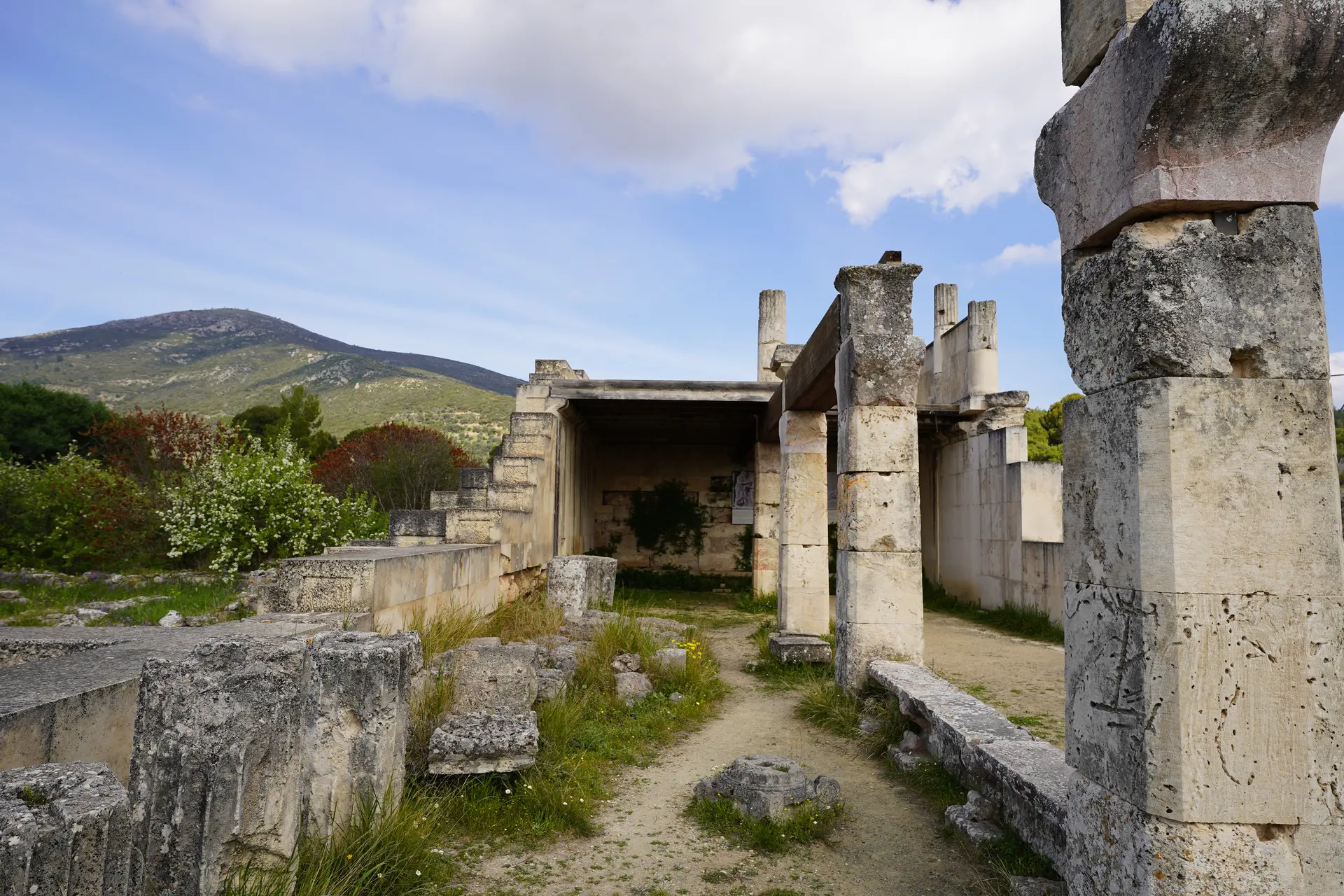
Sanctuary of Asklepios at Epidauros
Epidauros, Peloponnese, Greece
8.3 km away

Holy Trinity Monastery of Saint Nektarios, Aegina
Kontos, Aegina, Attica, Greece
31.2 km away
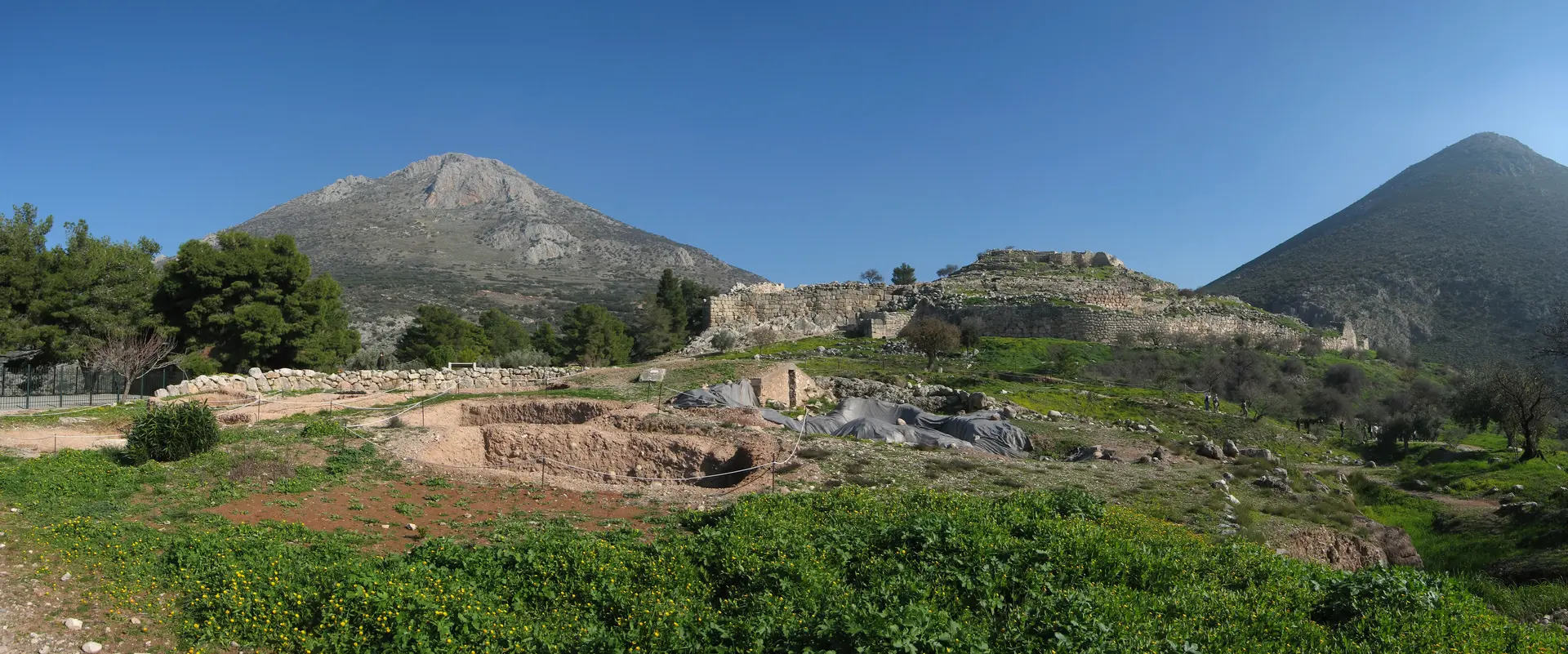
Mycenae
Municipal Unit of Mykines, Peloponnese, Greece
37.2 km away
References
Sources consulted for this page. Source categories describe the publication, not a guarantee that every claim is verified. Traditional accounts and outside interpretations may differ.
- 01Sanctuary of Asklepios at Epidaurus - UNESCO World Heritage Centre — UNESCOofficialOfficial UNESCO listing with criteria
- 02Sanctuary of Asclepius at Epidaurus, Greece — World Heritage Journeys of EuropeofficialCultural context and significance
- 03Ancient Epidaurus, the original deluxe healing centre — Discover GreeceofficialTourist information and context
- 04Sanctuary of Asclepius, Epidaurus - Wikipedia — Wikipedia contributorsencyclopediaComprehensive overview of sanctuary and healing practices
- 05Ancient Theatre of Epidaurus - Wikipedia — Wikipedia contributorsencyclopediaInformation on the theatre's architecture and acoustics
Photo gallery
3 curated photos
Share a photo
Help visitors recognize Epidauros. Every submission is reviewed before publication.