Palani Dhandayuthapani Swamy Temple
Murugan's hilltop abode and the story of the fruit of wisdom
Understand sacred places, explore living traditions, and learn how to engage respectfully with Pilgrim Map.
Access has not been verified. Check current local guidance before planning a visit.
Palani, Tamil Nadu, India
Read the sourcesVisit essentials
A quick read before you go
- Etiquette
- Follow the temple's clothing, footwear, and photography rules.
Overview
The hilltop Dhandayuthapani Swamy Temple at Palani is one of Murugan's six principal abodes. Pilgrims approach the deity in an ascetic form, carrying prayers, gratitude, or vows. The climb and the hill's prominence shape the visit, while traditions concerning the sacred image contribute to its association with healing. This entry concerns the hill temple, distinct from Tiru Avinankudi at its foot.
Why this place is sacred
The fruit story gives the ascetic deity a context of wisdom, disappointment, and renunciation. The Bogar tradition belongs to a different narrative strand and helps explain the image's healing reputation. Neither should become a recipe or a claim that contact with ritual substances is medically effective. The image is a sacred focus, not an invitation to experiment with toxic materials.
Healing traditions
Siddha and healing-image tradition
Palani's tradition attributes the image of Murugan to the siddha Bogar, who is said to have fashioned it from navapashanam, a combination of nine substances described as poisons. Devotional accounts associate the image and its worship with healing. The story belongs to Siddha religious memory; it does not establish the composition, safety, or therapeutic effect of a substance sold to a visitor.
Ways to participate
Seek darshan of Dandayudhapani and ask staff about the current worship and prasadam arrangements. Only authorized priests handle the principal image. You can honor Bogar's tradition through prayer and learning without buying supposed medicinal replicas or consuming a preparation advertised as navapashanam.
These accounts describe religious traditions and reported experiences. They do not promise a cure or replace medical care.
Context and lineage
In the story retold by the district administration, a fruit of wisdom was to be given to the son who first circled the world. Murugan set out on his peacock, while Ganesha circled their parents, understanding them as the world. When the fruit went to Ganesha, Murugan withdrew to Palani. A separate tradition credits the siddha Bogar with making the sacred image from navapashanam, an amalgam described in devotional accounts as nine substances or poisons.
Traditions and practice
Darshan, offerings, and festivals such as Thaipusam and Panguni Uthiram bring pilgrims to the hill. Kavadi and other vows have specific devotional meanings and physical demands. Observe them without assuming that imitation is required. Use official temple channels for services and follow staff guidance about queues and offerings.
Hinduism
ActiveThe shrine honours Murugan as Dhandayuthapani within this tradition.
Plan your visit
Plan for the ascent as well as the temple visit. Check the current operation of any transport serving the hill and do not assume that an advertised ropeway or winch will be available without interruption. Major festivals can substantially change waiting times. Ask about an appropriate route if stairs, heat, or prolonged standing are a concern.
Respectful visit
Follow the temple's clothing, footwear, and photography rules. Do not touch the deity or obtain ritual substances outside authorized distribution. Give pilgrims fulfilling vows room to move. A meaningful visit does not depend on completing a difficult climb or adopting a practice unsuited to your health.
Location
Map loads as you approach this section.
Pilgrim reflections
A portrait of encounter, not a score
Pilgrims describe what they felt, how present they could become, and whether the place would shape a journey. There are no stars and no ranking of traditions.
No reviewed reflections yet
The first pilgrims can help describe the character of being here.
Share a reflection
Available after an account-backed “Been there.” Every reflection is reviewed before publication.
Nearby sacred places
Explore other sacred places in the region. Proximity does not establish access or travel time; check each place’s guidance.

Arulmigu Thiruparankundram Murugan Temple, Tamil Nadu
Madurai, Tamil Nadu, India
86.6 km away
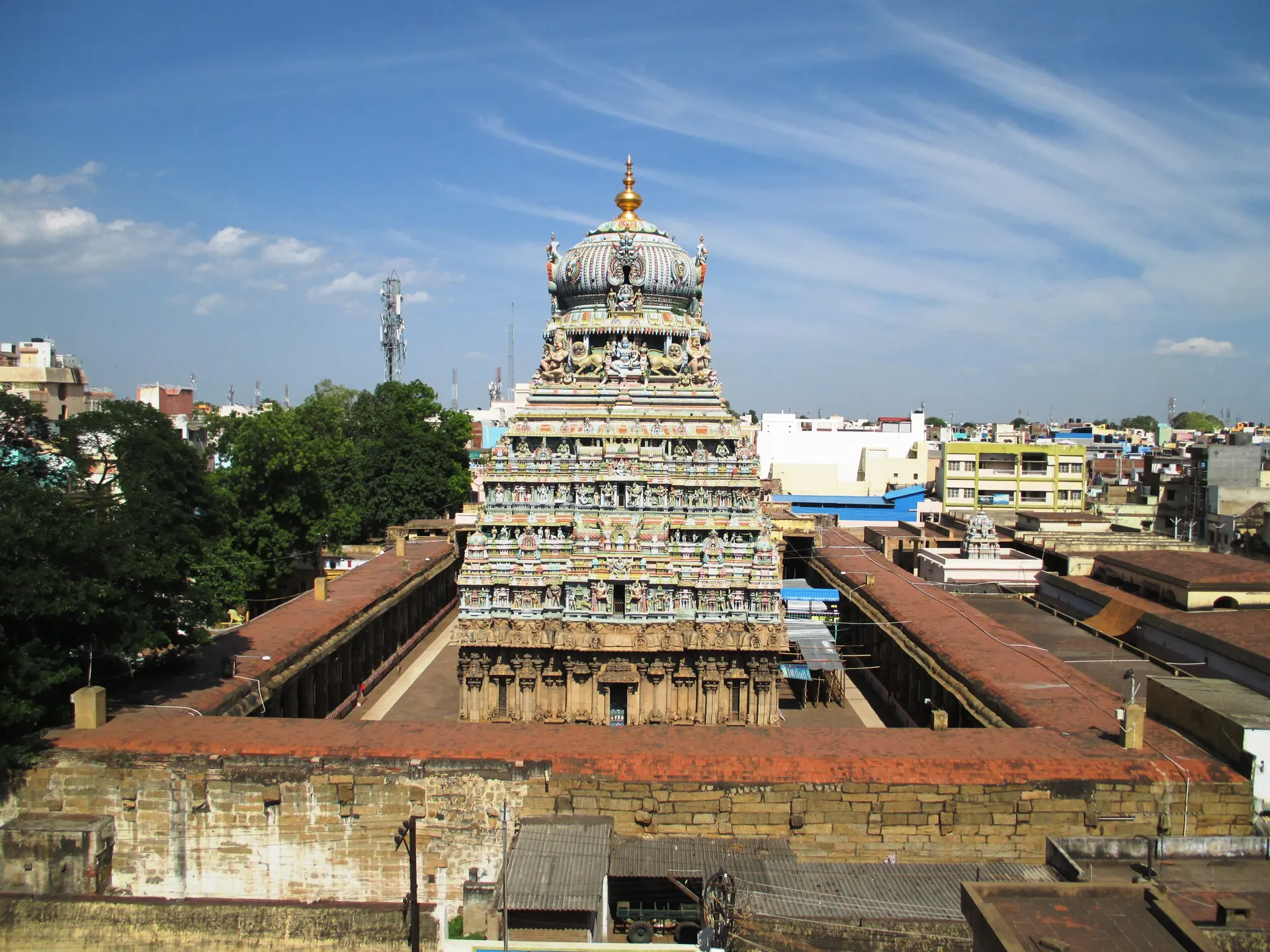
Arulmigu Koodal Azhagar Vishnu temple, Periyar, Madurai, Tamil Nadu
Madurai, Tamil Nadu, India
87.3 km away

Suruli Falls
Theni, Tamil Nadu, India
90.0 km away

Andal Vishnu Temple, Srivilliputhur, Tamil Nadu
Thiruvilliputtur state assembly constituency, Tamil Nadu, India
104.2 km away
References
Sources consulted for this page. Source categories describe the publication, not a guarantee that every claim is verified. Traditional accounts and outside interpretations may differ.
- 01Arulmigu Dhandayuthapani Swamy Temple, Palani | Dindigul District | India — dindigul.nic.inofficialSupports site identity, history, or publicly described devotion; healing narratives are attributed beliefs, not clinical evidence.
- 02Events & Festivals in India | A Ministry of Tourism Initiative — utsav.gov.inofficialSupports site identity, history, or publicly described devotion; healing narratives are attributed beliefs, not clinical evidence.
- 03Pujas - Arulmigu Dandāyudhapani Swāmi Temple - Palani — palani.orgSource contextSupports site identity, history, or publicly described devotion; healing narratives are attributed beliefs, not clinical evidence.
- 04Coordinate reference for Palani Dhandayuthapani Swamy Temple — www.wikidata.orgSource contextIdentity and geographic positioning only; not used to approve religious claims or access policy.
- 05Dhandayuthapani Temple, Palani — Dindigul district governmentofficialSupports the attributed account or visitor practice in the healing section; not evidence of clinical efficacy.
- 06Bogar's story — Palani devotional resourcespiritualSupports the attributed account or visitor practice in the healing section; not evidence of clinical efficacy.
Share a photo
Help visitors recognize Palani Dhandayuthapani Swamy Temple. Every submission is reviewed before publication.