Church of Saint Spyridon, Corfu
Corfu's patron saint, remembered through relics and public processions
Understand sacred places, explore living traditions, and learn how to engage respectfully with Pilgrim Map.
Access has not been verified. Check current local guidance before planning a visit.
Corfu, Ionian Islands, Greece
Read the sources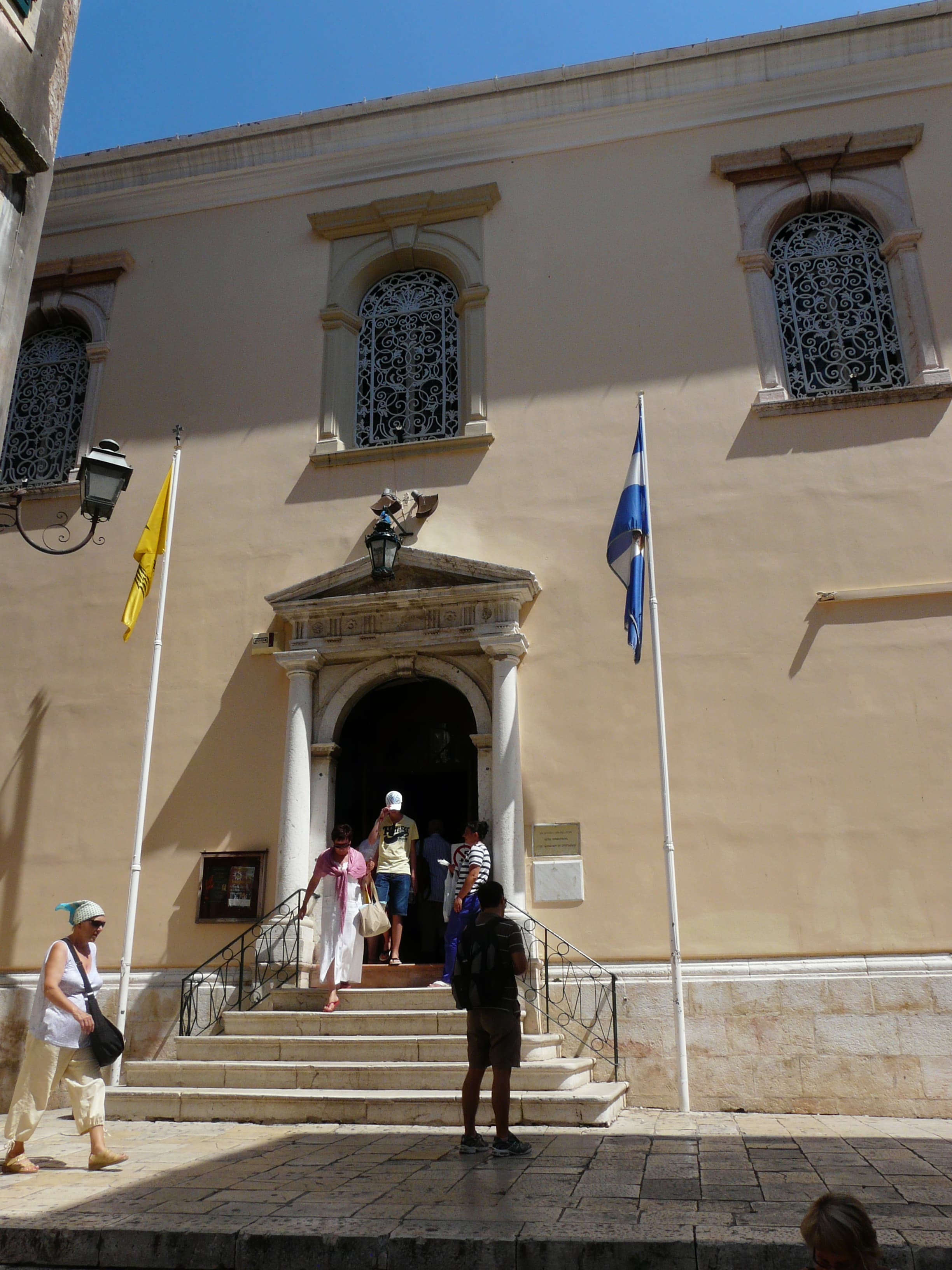
Church of Saint Spyridon, Corfu — view of the site. Image source · CC BY-SA 3.0
Visit essentials
A quick read before you go
- Etiquette
- Dress respectfully and enter quietly.
Overview
The Church of Saint Spyridon stands within Corfu's old town, its bell tower marking a place central to the island's Orthodox life. Inside, the saint's relics draw pilgrims who come with petitions, thanks, or concern for someone who is suffering. The church is both a significant post-Byzantine monument and a working place of worship, where the needs of the congregation take precedence over sightseeing.
Why this place is sacred
Healing here is personal and communal. A pilgrim may ask for help with illness, while an island-wide procession remembers collective survival. The silver reliquary and the church's painted ceiling give those practices a visible setting. Neither the age of the tradition nor the number of devotees establishes a medical effect, but both help explain why this church remains important to Corfiots.
Healing traditions
Community deliverance tradition
Corfu remembers Saint Spyridon as its protector during outbreaks of plague. Accounts associate the ending of the 1630 epidemic with the saint's intercession, and the island's processions preserve gratitude for that deliverance. This is a community's religious interpretation of an epidemic's end, rather than an individual cure or evidence that gathering during an outbreak prevents infection.
Ways to participate
At the church, offer a prayer for people who are sick and those caring for them. Join a public procession only according to current arrangements and health guidance, or take part quietly from a less crowded place. Follow the clergy's instructions around the relics and do not obstruct those seeking assistance.
These accounts describe religious traditions and reported experiences. They do not promise a cure or replace medical care.
Context and lineage
Spyridon was a bishop of Trimythous in Cyprus. His relics eventually reached Corfu, where devotion to him became closely tied to the island's history. The present church was constructed in the late sixteenth century. Local religious memory credits the saint with deliverance from plague, famine, and military danger. Processions preserve those accounts in the streets where later generations continue to honor him; the community's interpretation of rescue should be distinguished from an independently demonstrated supernatural cause.
Traditions and practice
Public veneration and several annual processions connect the church to the surrounding town. Palm Sunday, Holy Saturday, and the August commemoration are among the occasions described by local religious sources. If attending, observe how the congregation forms its route and leave room for clergy, musicians, and other participants. Participation in devotional acts is a personal choice.
Orthodox
ActiveThe shrine honours Saint Spyridon within this tradition.
Plan your visit
The church is on Saint Spyridon Street in central Corfu. Plan an approach through the old town's streets rather than expecting vehicle access to the entrance. Services and processions can change access and crowding. Consult local church notices or Corfu's official visitor information for the day's arrangements; the opening of the reliquary is not something a visitor should assume or demand.
Respectful visit
Dress respectfully and enter quietly. Ask about photography before using a camera indoors, and never interrupt someone praying before the relics. Give people with limited mobility space in queues. A church visit can be meaningful without touching sacred objects or reproducing a ritual whose significance you do not know.
Location
Map loads as you approach this section.
Pilgrim reflections
A portrait of encounter, not a score
Pilgrims describe what they felt, how present they could become, and whether the place would shape a journey. There are no stars and no ranking of traditions.
No reviewed reflections yet
The first pilgrims can help describe the character of being here.
Share a reflection
Available after an account-backed “Been there.” Every reflection is reviewed before publication.
Nearby sacred places
Explore other sacred places in the region. Proximity does not establish access or travel time; check each place’s guidance.
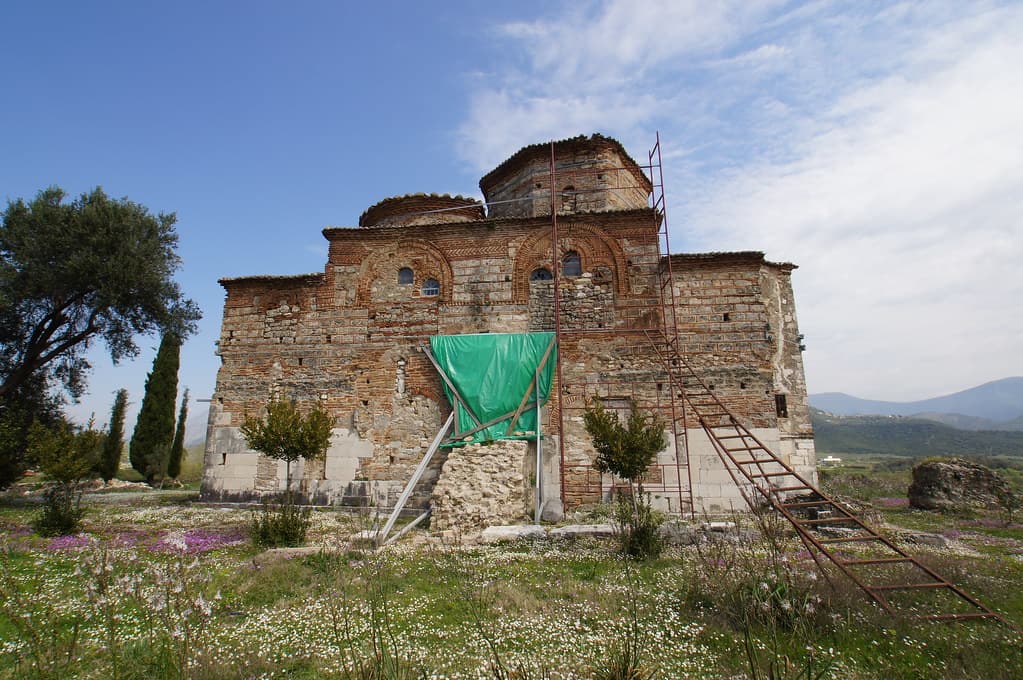
St Nicholas Monastery, Mesopotam, Albania
Brajlat, Vlorë, Albania
34.7 km away

Bazaar Mosque, Gjirokastër
Gjirokastër, Gjirokastër, Gjirokastër County, Albania
53.2 km away

Church of the Dormition, Labovë e Kryqit
Labovë e Kryqit, Labovë e Kryqit, Libohovë Municipality, Gjirokastër County, Albania
58.9 km away
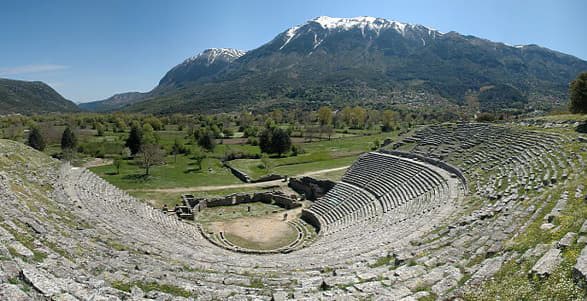
Dodona
Μαντείο, Epirus, Greece
74.7 km away
References
Sources consulted for this page. Source categories describe the publication, not a guarantee that every claim is verified. Traditional accounts and outside interpretations may differ.
- 01Church of Agios Spyridonas — religiousgreece.grofficialSupports site identity, history, or publicly described devotion; healing narratives are attributed beliefs, not clinical evidence.
- 02Church of St Spyridon – Corfu Port Authority — interpass.corfuport.grofficialSupports site identity, history, or publicly described devotion; healing narratives are attributed beliefs, not clinical evidence.
- 03PILGRIMAGE OF SAINT SPYRIDON - CORFU - Μοναστήρια της Ελλάδος — monastiria.grSource contextSupports site identity, history, or publicly described devotion; healing narratives are attributed beliefs, not clinical evidence.
- 04Coordinate reference for Church of Saint Spyridon, Corfu — www.religiousgreece.grSource contextIdentity and geographic positioning only; not used to approve religious claims or access policy.
- 05Saint Spyridon and Corfu's plague tradition — Corfu museumofficialSupports the attributed account or visitor practice in the healing section; not evidence of clinical efficacy.
- 06Church of Saint Spyridon — Religious GreeceofficialSupports the attributed account or visitor practice in the healing section; not evidence of clinical efficacy.
Share a photo
Help visitors recognize Church of Saint Spyridon, Corfu. Every submission is reviewed before publication.