Chintamani Temple
Ganesha worship at Theur on the Ashtavinayak circuit
Understand sacred places, explore living traditions, and learn how to engage respectfully with Pilgrim Map.
Access has not been verified. Check current local guidance before planning a visit.
Theur, Maharashtra, India
Read the sources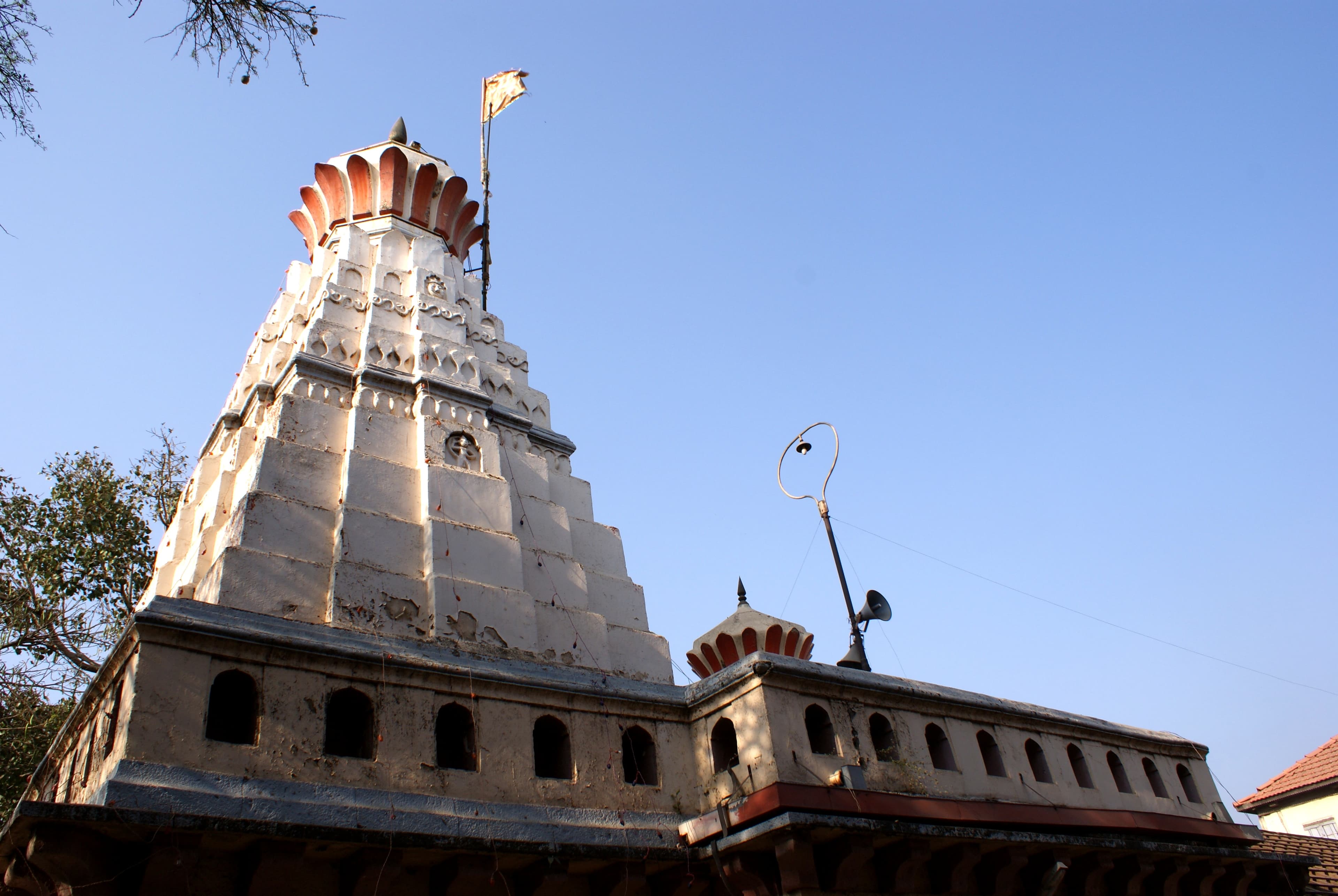
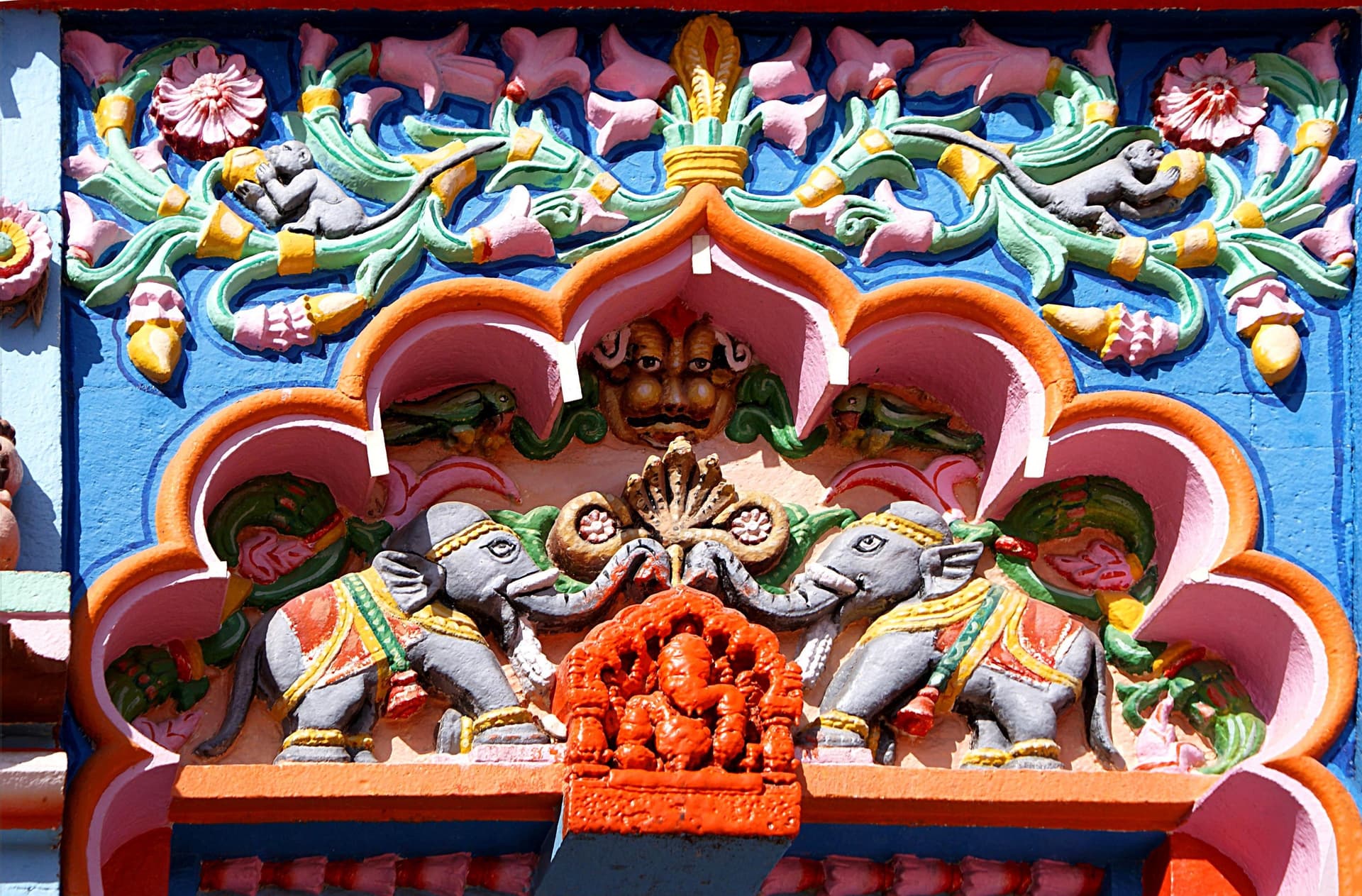
Chintamani Temple - rights-reviewed Wikimedia image. Image source · CC BY 2.0
Visit essentials
A quick read before you go
- Duration
- Give Chintamani Temple enough time for worship.
- Access
- Use Chinchwad Devasthan Trust for current Chintamani Temple hours.
Overview
Chintamani Temple at Theur is one station of the Ashtavinayak Yatra, a circuit of eight revered Ganesha manifestations. Temple tradition tells of Ganesha recovering the wish-giving jewel Chintamani for the sage Kapila and taking its name; this is sacred narrative, not independently verified history. Living significance is expressed through darshan, offerings, festival observance, family vows, and ordered pilgrimage movement, with architecture secondary to devotion. Local authority governs non-Hindu access, photography, food, and offerings.
Completing the route does not license rushed worship or comparison of shrines as attractions.
Why this place is sacred
Theur's sacred focus is relational: devotees approach Ganesha with gratitude, requests, vows, and inherited stories. Queueing and repeated ritual actions may look ordinary to outsiders but carry meanings that appearance alone cannot reveal. Patient observation and restraint are more appropriate than claiming a universal spiritual effect.
The supplied encyclopedia record identifies the exact temple, its Ganesha dedication, location at Theur, and Ashtavinayak status. The Chinchwad Devasthan Trust website is the practical authority. Maharashtra Tourism confirms the eight-shrine pilgrimage circuit.
Ganapatya worship, repair, institutional change, and community stewardship carry Chintamani Temple's continuity.
Experience and orientation
Begin with the current threshold and Trust instructions. Here Ashtavinayak movement meets living worship and conservation. Darshan, prayer, offerings, circumambulation, and festival worship follow temple custom, so do not assign one Ganapatya purpose to everyone present.
Use Chinchwad Devasthan Trust for Chintamani Temple. Its map record separates public Ganapatya Hinduism space at Chintamani Temple from worship, residential, conservation, and administrative areas.
Context and lineage
The supplied encyclopedia record identifies the exact temple, its Ganesha dedication, location at Theur, and Ashtavinayak status. The Chinchwad Devasthan Trust website is the practical authority. Maharashtra Tourism confirms the eight-shrine pilgrimage circuit.
Chintamani Temple belongs to Ganapatya Hinduism here. Route evidence places Chintamani Temple on Ashtavinayak Yatra; this exact Chintamani Temple relationship is distinct.
Traditions and practice
Darshan, prayer, offerings, circumambulation, and festival worship follow temple custom. Remove footwear where directed, dress modestly, use only authorized offering channels, and never block the deity's sightline or a devotee's movement for photography.
Present practice at Chintamani Temple follows Chinchwad Devasthan Trust. Describe Chintamani Temple through direct Ganapatya Hinduism guidance from Chinchwad Devasthan Trust, never visitor inference.
At Chintamani Temple, notice who worships, who cares for the place, and what Chinchwad Devasthan Trust actually invites.
Ganapatya Hinduism
ActiveChintamani Temple at Theur is one of Maharashtra's eight Ashtavinayak shrines, where Ganesha is worshipped as Chintamani Vinayaka. Its importance belongs to an active Ganapatya pilgrimage tradition. Visitors should approach darshan, queues, offerings, and sacred narratives through temple guidance rather than treating the circuit as a set of interchangeable monuments.
Darshan, prayer, offerings, circumambulation, and festival worship follow temple custom. Remove footwear where directed, dress modestly, use only authorized offering channels, and never block the deity's sightline or a devotee's movement for photography.
Perspectives and open questions
Read Chintamani Temple first through living Ganapatya Hindu practice. Its Ashtavinayak relationship complements, but does not replace, architecture, community history, and conservation.
Scholarly perspective
For Chintamani Temple, institutional sources bound the history. Exact-entity evidence for Chintamani Temple leaves unresolved Ganapatya Hinduism matters explicit.
Living and traditional perspectives
The Ganapatya Hinduism community's language gives Chintamani Temple its primary interpretive frame.
Open questions
Chintamani Temple carries no claimed paranormal, therapeutic, or guaranteed transformative effect.
Plan your visit
Access and arrival
Use Chinchwad Devasthan Trust for current Chintamani Temple hours. Ask Chintamani Temple staff about its Ganapatya Hinduism services at Chintamani Temple. Check Ashtavinayak Yatra closures for Chintamani Temple separately. The matched Chintamani Temple map record lists Theur Rd, Theur, Maharashtra 412110, India.
No verified lodging claim is made for Chintamani Temple; consult current Ashtavinayak Yatra sources for the Chintamani Temple stop.
Respectful visit
Dress modestly for Chintamani Temple; follow its rules on covering, footwear, and sacred thresholds.
At Chintamani Temple, follow Chinchwad Devasthan Trust. Before photographing at Chintamani Temple, ask about people, rites, interiors, devotional objects, and protected surfaces.
Use only offerings and donation channels authorized by Chinchwad Devasthan Trust at Chintamani Temple.
At Chintamani Temple, respect barriers, private rooms, protected fabric, and uninterrupted prayer.
Never promise outcomes at Chintamani Temple. Do not improvise there. Its Ganapatya Hinduism rites at Chintamani Temple and Ashtavinayak Yatra accounts about Chintamani Temple must not stage worshippers.
Location
Map loads as you approach this section.
Pilgrim reflections
A portrait of encounter, not a score
Pilgrims describe what they felt, how present they could become, and whether the place would shape a journey. There are no stars and no ranking of traditions.
No reviewed reflections yet
The first pilgrims can help describe the character of being here.
Share a reflection
Available after an account-backed “Been there.” Every reflection is reviewed before publication.
Nearby sacred places
Explore other sacred places in the region. Proximity does not establish access or travel time; check each place’s guidance.
References
Sources consulted for this page. Source categories describe the publication, not a guarantee that every claim is verified. Traditional accounts and outside interpretations may differ.
- 01Chinchwad Devasthan Trust — Chinchwad Devasthan TrustofficialInstitutional or custodian source used for current identity and visitor guidance; time-sensitive details require rechecking.
- 02Ashtavinayak pilgrimage leaflet — Department of Tourism, Government of MaharashtraofficialState tourism source identifying the eight-temple pilgrimage circuit.
- 03Chintamani Temple, Theur — Wikipedia contributorsSource contextExact supplied entity page used for identity and bounded historical orientation; claims are corroborated where an institutional source is available.
- 04Wikidata entity Q5101323 — Wikidata contributorsSource contextStructured identity and coordinate cross-check for the exact supplied entity.
- 05Chintamani Temple - Google Maps place record — GoogleSource contextStrong exact-entity match used only for coordinates, address, phone, and operational status.
Share a photo
Help visitors recognize Chintamani Temple. Every submission is reviewed before publication.