Girijatmaj Temple, Lenyadri
Living Ganesha worship inside a reused Buddhist rock-cut monastic complex
Understand sacred places, explore living traditions, and learn how to engage respectfully with Pilgrim Map.
Access has not been verified. Check current local guidance before planning a visit.
Lenyadri, Maharashtra, India
Read the sources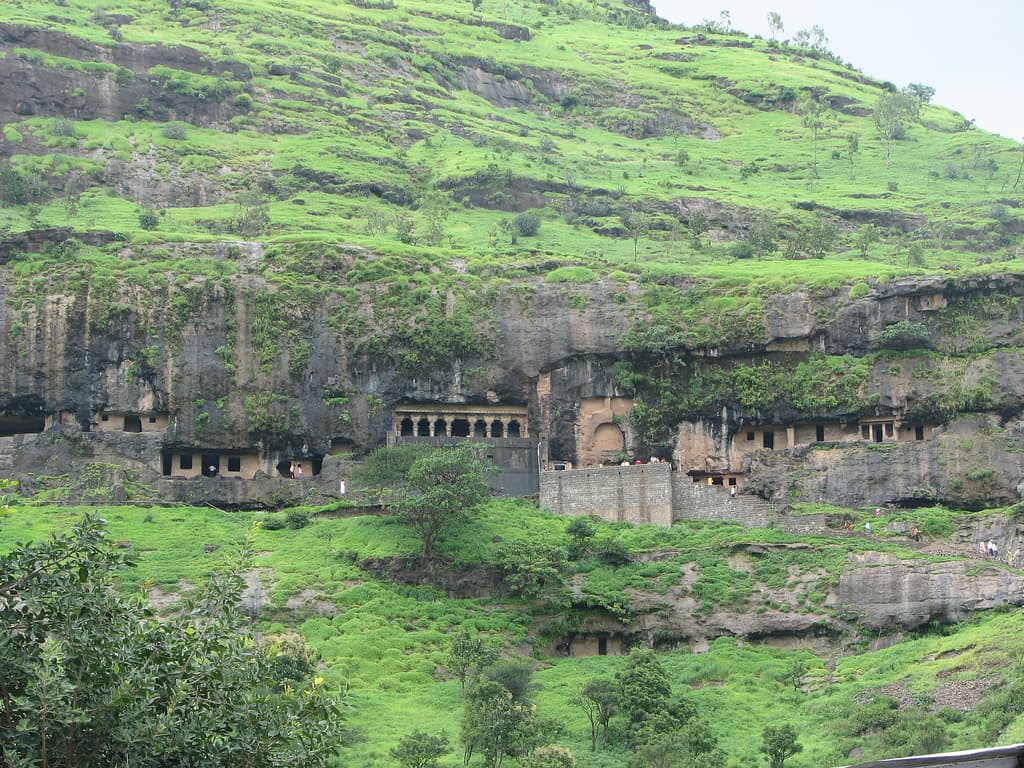
Girijatmaj Temple, Lenyadri - rights-reviewed Wikimedia image. Image source · CC BY 2.0
Visit essentials
A quick read before you go
- Duration
- Allow enough time for queues, darshan, and unhurried observation; demand varies.
- Access
- Whole-site coordinates: 19.2434529, 73.8874189.
Overview
The sacred-site entry is Girijatmaj Temple in Cave 7 of the Lenyadri complex. The wider archaeological entity includes numerous numbered caves, so the record identifies both the active Ganesha shrine and its containment within the protected rock-cut complex rather than treating every cave as the temple. The temple belongs to a living pilgrimage rather than a closed historical landscape.
It is one of eight canonical shrines, each encountered as a distinct form of Ganesha; the circuit is completed through the relationship among all eight, not as interchangeable stops.
Why this place is sacred
A substantial stair ascent leads to rock-cut chambers on the hillside. The south-facing caves, cells, benches, cisterns, and inscriptions belong to the older monastic landscape, while worship in Cave 7 gives one part of the complex a continuing Hindu liturgical life. The shared fabric calls for both devotional and heritage care. Buddhist monastic use is materially documented and contemporary Ganesha devotion is living practice; neither should erase the other or frame later Hindu use as illegitimate or timeless.
The sacred quality described by practitioners belongs to worship, narrative, place, and repeated pilgrimage, not a promised sensation or measurable claim.
An active place of Ganesha worship whose present meaning is inseparable from the Ashtavinayak Yatra.
Cave 7’s adaptation from a Buddhist vihara to an active Ganesha shrine makes the complex historically layered; the transition date remains uncertain.
Experience and orientation
On arrival, read posted directions before joining a queue or entering a hall. Pilgrims climb to Cave 7 for darshan and offerings. Visitors should prepare for exposed steps, heat, and monsoon conditions, avoid touching or marking the rock-cut fabric, and follow onsite photography instructions. The shrine is active; archaeological interest does not take precedence over ongoing worship. Architectural and landscape details can be observed without interrupting darshan.
The Ashtavinayak setting matters even for a single-site visit: the form of Ganesha worshipped here has a name, story, and relationship to the other seven shrines that should not be flattened into generic temple language.
Operating arrangements can change with festivals and temple administration. Confirm current access locally and allow worshippers to set the pace near the sanctum.
Context and lineage
In the Ganesha pilgrimage tradition, Parvati performed austerities at Lenyadri and Ganesha was born to her here; Girijatmaj means the son of Girija, a name of Parvati. This sacred account explains the deity's local form and is distinct from the archaeological chronology of Cave 7.
Ganapatya Hindu devotion within the living Ashtavinayak pilgrimage tradition of Maharashtra.
Traditions and practice
Darshan, prayer, offerings, and respectful movement through the precinct are central forms of participation.
The shrine continues to receive local worshippers and Ashtavinayak pilgrims. Current ritual and queue arrangements are set onsite.
Pause before entering, observe how worshippers move through the space, and participate only in ways clearly open to visitors.
Ganapatya Hinduism and the Ashtavinayak Yatra
ActiveLenyadri should be interpreted as layered rather than assigned exclusively to a single period. Buddhist monastic use is materially documented, and contemporary Ganesha devotion is living practice. A responsible entry names both without framing later Hindu use as either illegitimate or timeless.
Perspectives and open questions
Historical, devotional, and visitor perspectives overlap here, but they do not use the same standard of evidence.
Scholarly perspective
Archaeological descriptions date the principal Buddhist phase of the Lenyadri caves broadly to the early centuries CE. Cave 7 was originally a Buddhist vihara and was adapted for Ganesha worship at a later, uncertain date. The entry preserves that sequence and does not erase the complex's Buddhist history.
Living and traditional perspectives
Traditional interpretation centers Parvati’s austerities and Ganesha’s birth at Lenyadri while keeping this sacred account distinct from Cave 7’s archaeological chronology.
Alternative interpretations
Claims about invisible energy or guaranteed transformation are not needed and are not supported by the research record.
Open questions
The following remains uncertain: the date when cave 7 was adapted for ganesha worship remains uncertain; step counts and access conditions vary across sources and were not fixed as permanent facts.
Plan your visit
Access and arrival
Whole-site coordinates: 19.2434529, 73.8874189. Use the canonical name and locality when navigating.
No lodging recommendation is asserted. Choose current, independently verified options appropriate to the route and season.
Respectful visit
Modest clothing appropriate to an active Hindu temple; follow any additional onsite requirement.
Confirm onsite. Never photograph the sanctum or worshippers where permission is absent.
Follow local practice and use authorized counters or receptacles.
Sanctum access, footwear, devices, and ritual participation may be restricted onsite.
Do not infer permission to photograph, enter restricted areas, or bypass a queue. Avoid presenting the visit as a guaranteed spiritual outcome.
Location
Map loads as you approach this section.
Pilgrim reflections
A portrait of encounter, not a score
Pilgrims describe what they felt, how present they could become, and whether the place would shape a journey. There are no stars and no ranking of traditions.
No reviewed reflections yet
The first pilgrims can help describe the character of being here.
Share a reflection
Available after an account-backed “Been there.” Every reflection is reviewed before publication.
Nearby sacred places
Explore other sacred places in the region. Proximity does not establish access or travel time; check each place’s guidance.
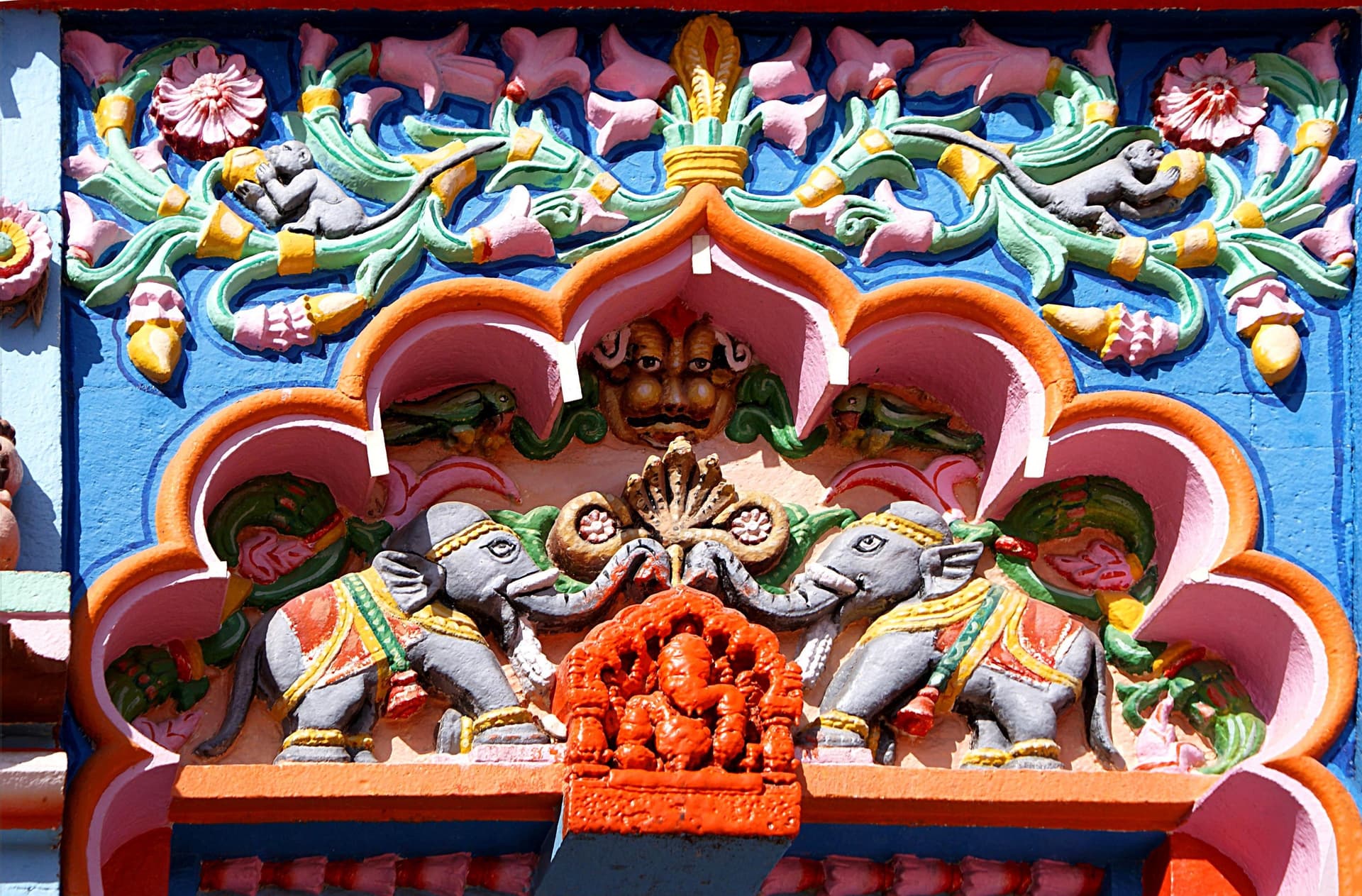
Vighneshwar Temple, Ozar
Ojhar, Maharashtra, India
9.8 km away

Bhimashankar Shiva Jyotir Linga temple, Bhimashankar, Maharashtra
Bhimashankar, Maharashtra, India
41.6 km away
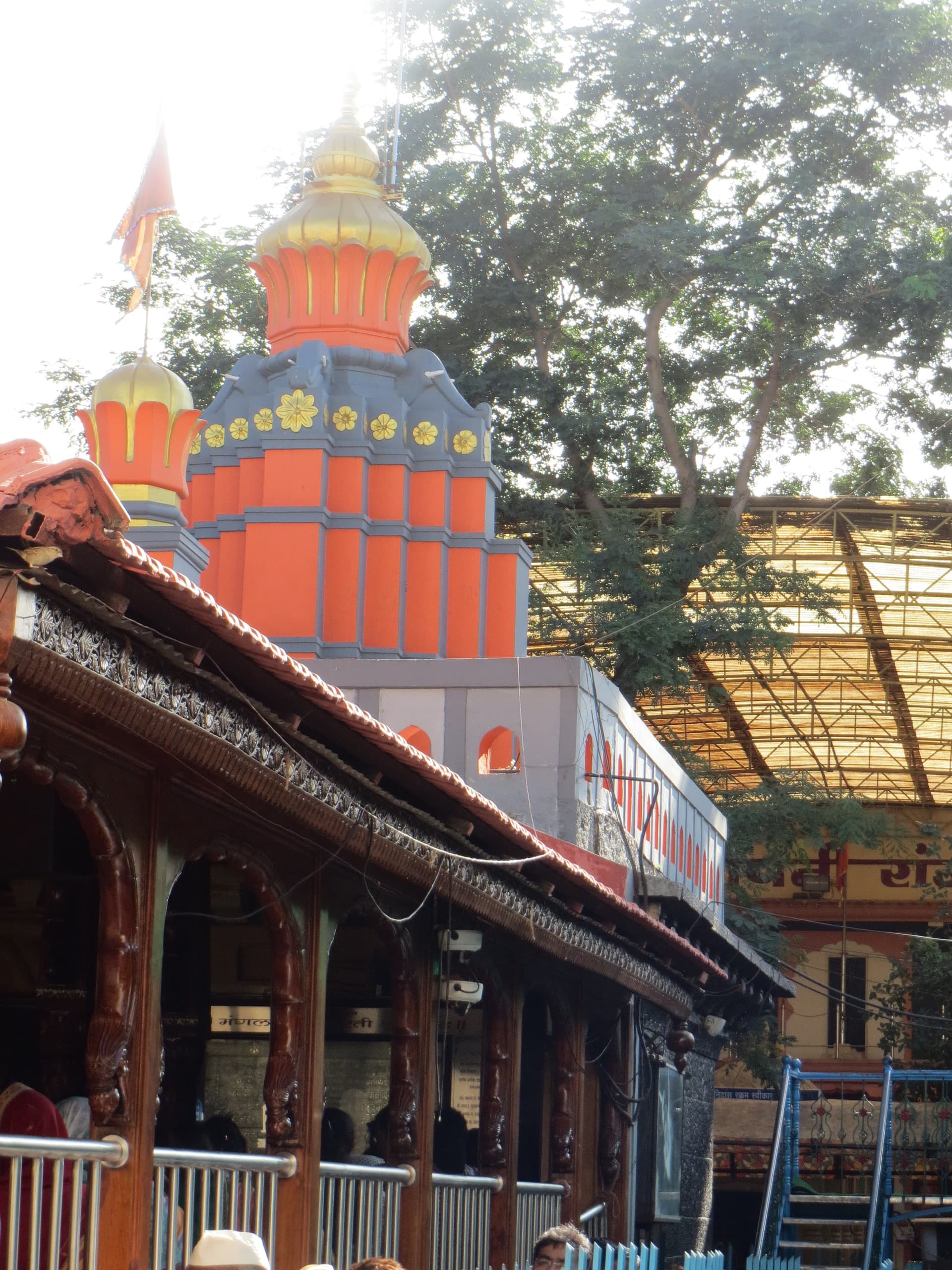
Mahaganpati Temple, Ranjangaon
Ranjangaon, Maharashtra, India
65.9 km away
Varadvinayak Temple, Mahad
Mahad, Maharashtra, India
78.2 km away
References
Sources consulted for this page. Source categories describe the publication, not a guarantee that every claim is verified. Traditional accounts and outside interpretations may differ.
- 01Lenyadri — Department of Tourism, Government of MaharashtraofficialExact shrine identity, Ashtavinayak membership, sacred narrative, architecture, and visitor context.
- 02A Divine Journey: Ashtavinayak Pilgrimage — Department of Tourism, Government of MaharashtraofficialGovernment route leaflet identifying the eight canonical shrines and route sequence.
- 03Religious Places in Pune District — District Pune, Government of MaharashtraofficialGovernment or custodian-level corroboration of locality, identity, history, and active religious significance.
- 04Wikimedia Commons image for Girijatmaj Temple, Lenyadri — Niemru from MUMBAI, INDIAacademicExact-entity image and machine-resolved reuse terms: CC BY 2.0.
- 05Lenyadri — Wikipedia contributorsacademicSupplied exact-entity reference used for names, geographic cross-checking, and source discovery.
- 06Q6523426 — Wikidata contributorsacademicStructured entity identifier and coordinate cross-check; rejected where contradicted by exact official locality evidence.
Photo gallery
5 curated photos
Share a photo
Help visitors recognize Girijatmaj Temple, Lenyadri. Every submission is reviewed before publication.