Country guide
Lebanon
Lebanon brings together sacred architecture, pilgrimage traditions, and landscapes shaped by memory, ritual, and local devotion.
5 sacred sites across 3 regions. Use the tradition links to narrow in.
Browse by region
Explore Lebanon region by region
Open a regional guide to see its sacred sites, traditions, and map.
Explore Lebanon by facet
Refine the atlas
Related Lebanon guides
Showing 1-5 of 5 sites in this country guide

Afqa Cave Spring
Afqa, Mount Lebanon, Lebanon
At Afqa, water emerges from a cave in the Lebanese mountains to feed the Nahr Ibrahim, known in antiquity as the Adonis River.
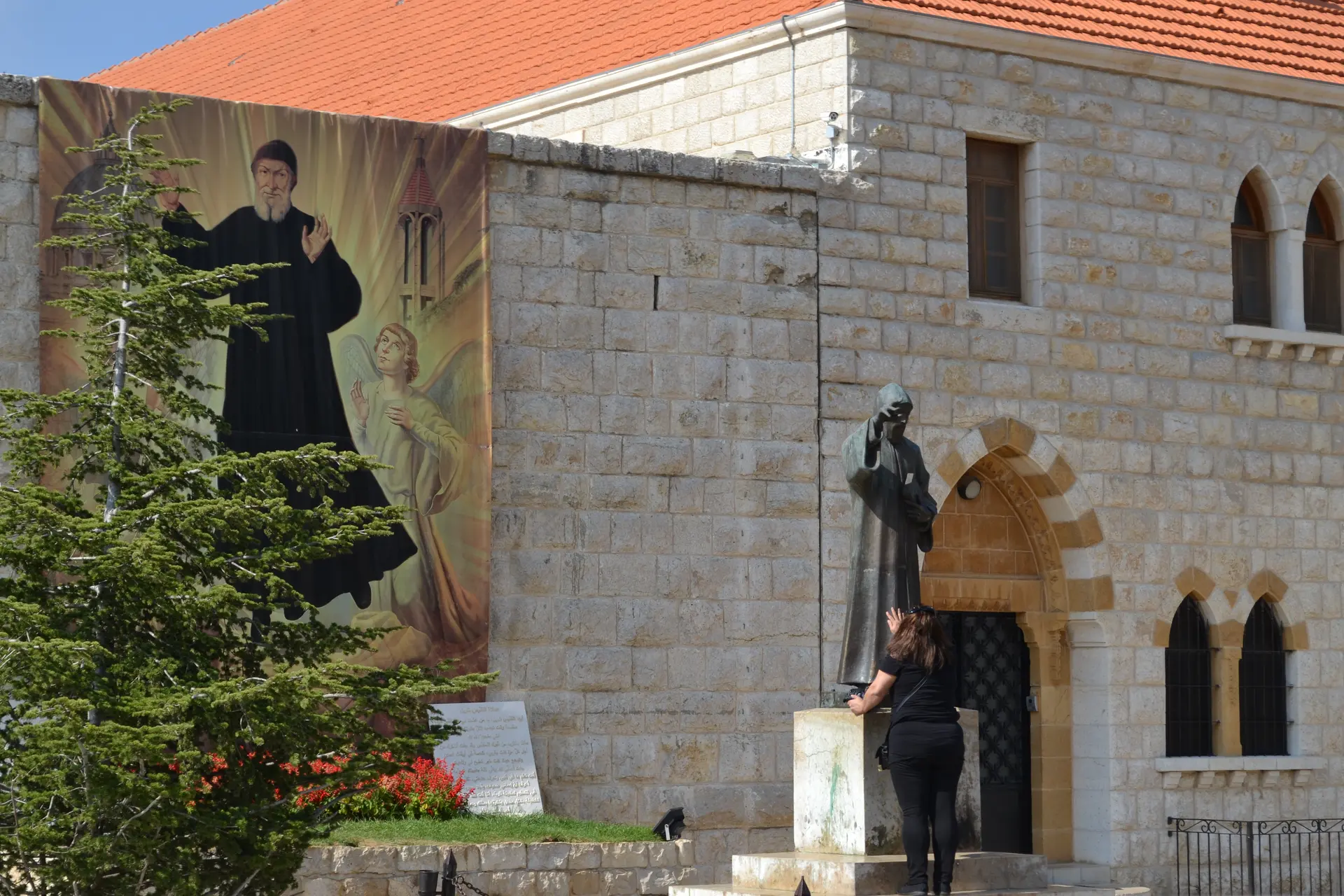
Monastery of Saint Maron, Annaya
Annaya, Mount Lebanon, Lebanon
Monastery of Saint Maron, Annaya is a living Maronite monastery and pilgrimage sanctuary containing the tomb of Saint Charbel in Annaya, Lebanon....
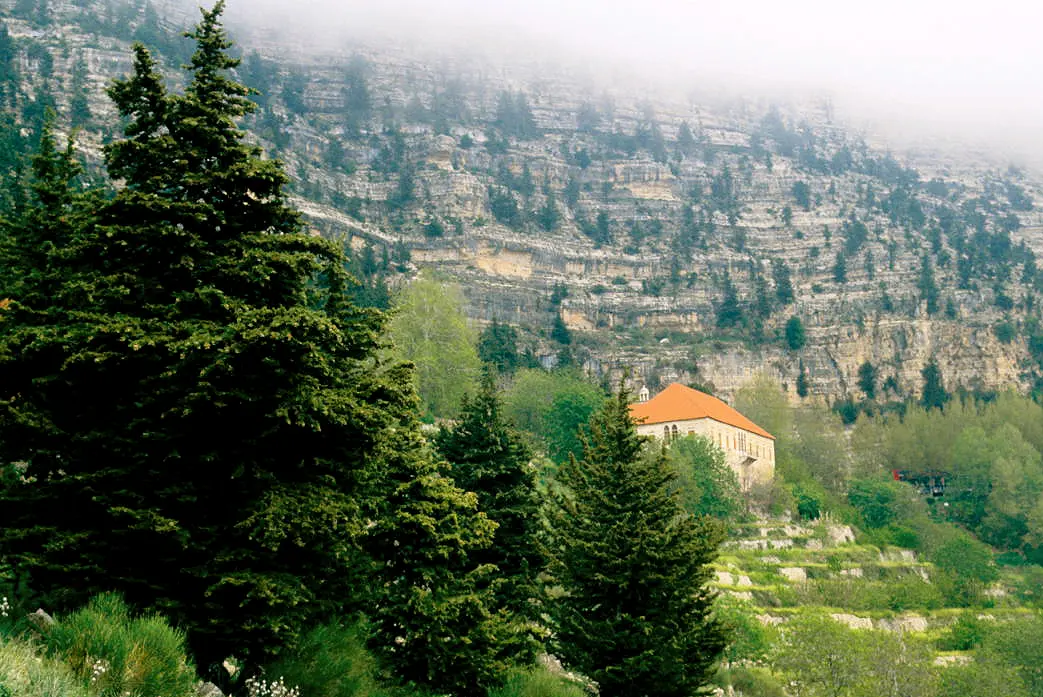
Monastery of Saints Sergius and Bacchus, Ehden, Lebanon
Ehden, North, Lebanon
High above the town of Ehden, at around 1,500 metres, Mar Sarkis is a Maronite monastery built in the 8th century on the ruins of a Canaanite temple....
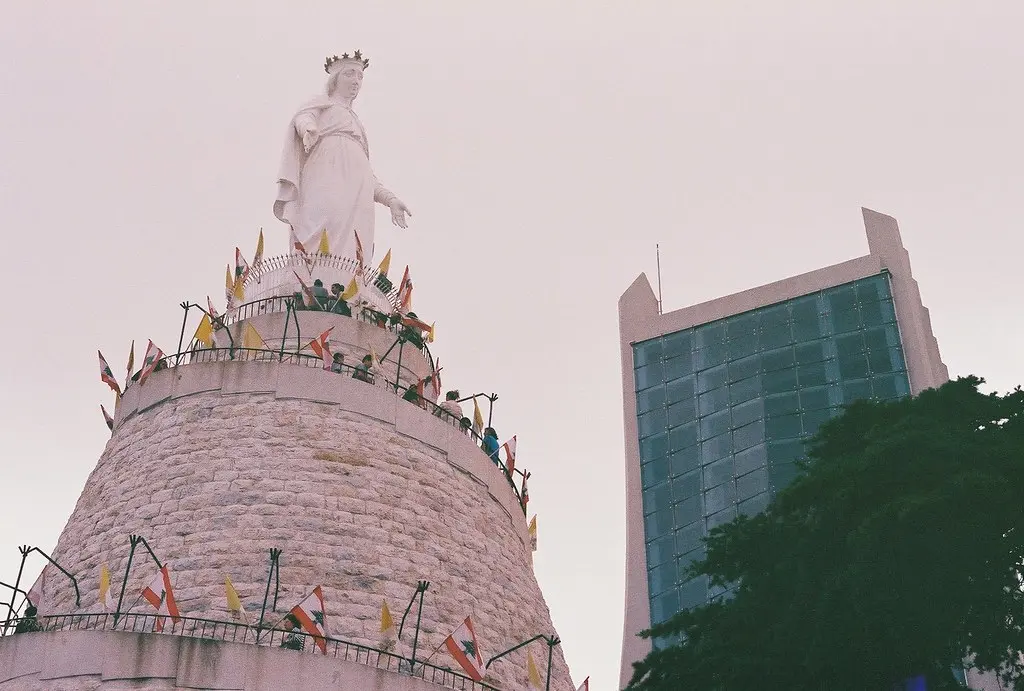
Our Lady of Lebanon, Harissa, Lebanon
Daraoun, Mount Lebanon, Lebanon
On a hilltop at Harissa, above Jounieh Bay, a towering white statue of the Virgin Mary stands with arms outstretched over Lebanon and the sea....

The acropolis of Baalbek
Baalbek, Baalbek-Hermel, Lebanon
Baalbek stands in Lebanon's Beqaa Valley, where Phoenicians worshipped Baal, Greeks honored the sun, and Romans built temples on a scale they attempted nowhere else in...
Key questions
Lebanon sacred-site questions
What sacred sites can I explore in Lebanon?
Pilgrim Map lists sacred places in Lebanon across living worship sites, heritage landmarks, pilgrimage destinations, and culturally significant landscapes. The current guide lists 5 sites organized by region and tradition.
Which traditions are represented in Lebanon?
The most represented traditions include Christianity, Ancient Greek and Roman, Phoenician / Ancient Greek & Roman, Maronite Catholic Christianity.
How should I plan a sacred-site visit in Lebanon?
Start with regional clusters, compare nearby places on the map, then open individual site pages for coordinates, etiquette, and sacred context where available.
Can I view Lebanon sacred sites on a map?
Yes. Switch to map view to compare geographic clusters, then open individual site pages for coordinates, visiting context, and related places.