Xá Lợi Pagoda
Xá Lợi Pagoda: relic devotion joined to Buddhist public witness
Understand sacred places, explore living traditions, and learn how to engage respectfully with Pilgrim Map.
Access has not been verified. Check current local guidance before planning a visit.
Xuân Hòa, Ho Chi Minh City, Vietnam
Read the sources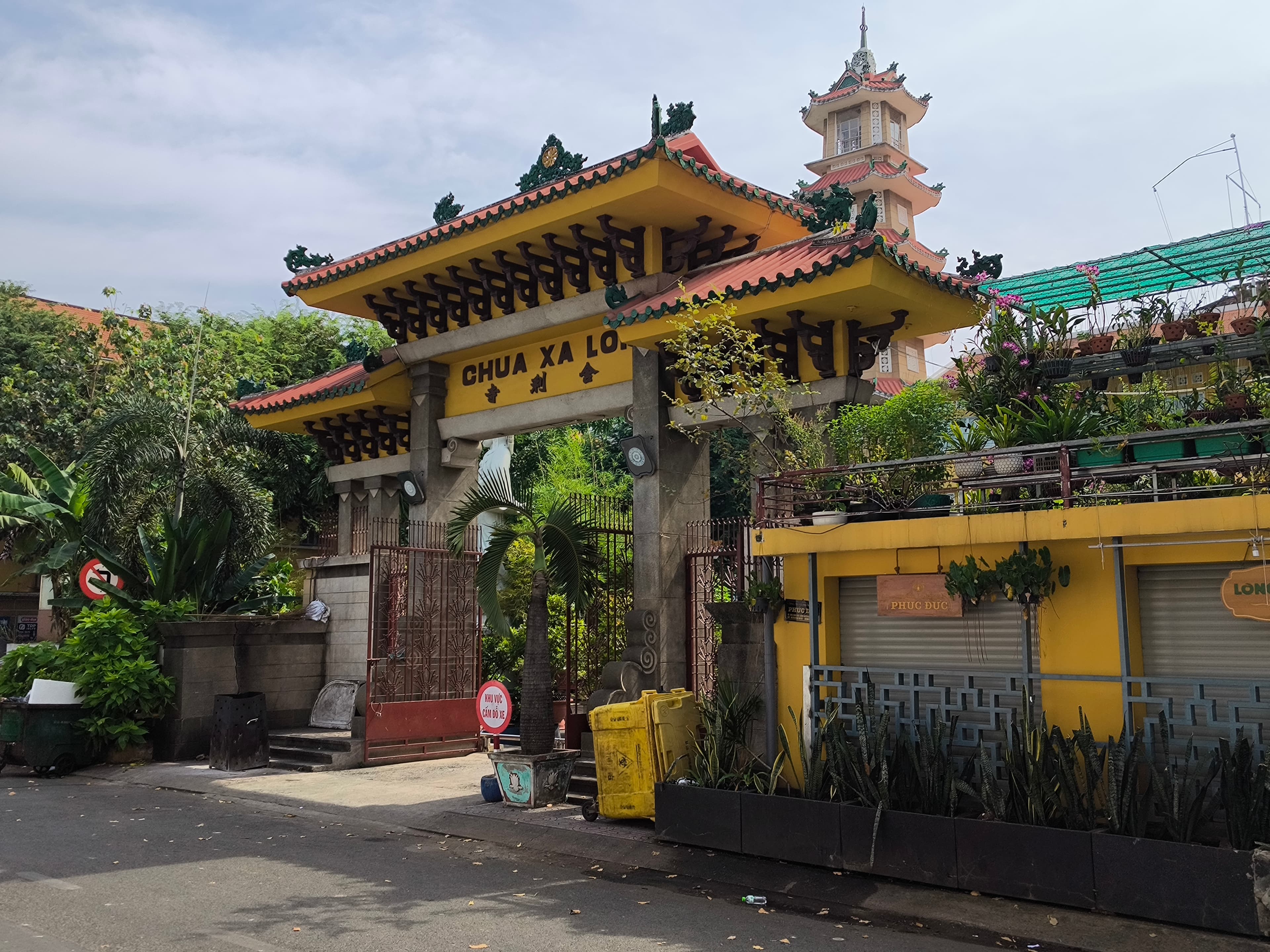
Xá Lợi Pagoda in District 3, Ho Chi Minh City, Vietnam. Image source · CC BY 4.0
Visit essentials
A quick read before you go
- Duration
- Allow enough time to encounter both relic devotion and the institution's public memory.
- Access
- The strong Places record identifies Xá Lợi at 89 Bà Huyện Thanh Quan and links an official…
Overview
A relic changes the scale of attention. It is physically bounded yet understood within Buddhism as a connection to the Buddha and the continuation of his teaching. Xá Lợi places that devotional relationship inside a modern institution also associated with Vietnamese Buddhist organization and public witness. Prayer is therefore not separate from history, but history should not reduce the pagoda to a political monument.
Worshippers may approach with bows, incense, or recollection; other visitors may arrive aware of the site's twentieth-century public role. Both should recognize the living community in the present. The research supports sacred relic identity and public Buddhist significance but does not provide every event chronology. A careful page preserves that limit instead of filling it with dramatic detail.
Why this place is sacred
Relics invite concentration rather than scale. Their sacred meaning comes from a transmitted Buddhist understanding and from practices that keep remembrance active. At Xá Lợi, public history adds another layer: community witness has made the institution visible beyond its walls. Incense or emotional intensity may affect a visitor, but neither demonstrates supernatural power in the relic.
The pagoda centers Buddhist worship and relic veneration within a modern organized community.
Living devotion now shares the institution with memory of twentieth-century Buddhist public witness.
Experience and orientation
Find the principal devotional axis and watch how worshippers approach it. A relic sanctuary may not reveal its meaning through an unobstructed view; the pattern of bows and care can be more informative than proximity. In historical areas, read available interpretation without speaking over prayer. The strongest encounter may move from concentrated reverence toward a broader understanding of community responsibility.
Begin at the relic axis; approach historical displays afterward, and treat offices or monastic rooms as private.
Context and lineage
Reviewed sources establish the District 3 pagoda, its name and devotion connected to relics of Śākyamuni, and its close association with twentieth-century Buddhist organization and witness. This page does not reconstruct unsupported event details or claim UNESCO status.
Vietnamese Mahayana Buddhism frames relic veneration, community practice, and the institution's public role.
Śākyamuni Buddha
teacher whose relics form the principal sacred focus
Traditions and practice
Devotees may bow, offer incense or flowers, chant, and recollect the Buddha. A visitor should follow the pagoda's route and avoid assuming that physical closeness to a relic confers a measurable benefit. Historical remembrance also requires restraint around people for whom the events remain personal.
Active worship and Buddhist community life continue alongside preservation of the site's modern public memory.
Stand at a respectful distance and notice how ritual attention gathers around an object that may be visually modest.
Vietnamese Mahayana Buddhism
ActiveXá Lợi centers relic devotion within a modern Buddhist institution remembered for public witness.
Bows, incense, offerings, chanting, teaching, relic reverence, and commemoration follow community guidance.
Perspectives and open questions
The relic dedication gives present worship a focus, while the pagoda's modern public history demands a separate historical reading.
Scholarly perspective
Material religion helps explain how a relic connects physical presence, institutional authority, and transmitted memory. Modern history adds evidence that sacred institutions can also become sites of organized public action.
Living and traditional perspectives
Relics are approached through reverence for the Buddha and his teaching, not as curiosities or objects with independently measurable powers.
Open questions
No physical cure, political outcome, or automatic merit is established by visiting the relic.
Plan your visit
Access and arrival
The strong Places record identifies Xá Lợi at 89 Bà Huyện Thanh Quan and links an official pagoda website. Reconfirm current access there.
Arrange a currently licensed Ho Chi Minh City stay; no overnight guest program is supported by the reviewed pagoda evidence.
Respectful visit
Wear modest clothing and follow footwear rules at halls and relic spaces.
Obey relic and interior restrictions, and ask before photographing worship or commemoration.
Use pagoda-approved flowers, incense, or donation points only.
Relic enclosures, altar platforms, memorial rites, and monastic rooms remain protected.
Do not promise merit from proximity, sensationalize public history, or interrupt a relic observance.
Current practical details
Address
89 Bà Huyện Thanh Quan, Xuân Hòa, Hồ Chí Minh 70000, Vietnam
Hours
Hours, fees, and access can change — verify on the official source before you travel. Practical details last checked Jul 2026.
Location
Map loads as you approach this section.
Pilgrim reflections
A portrait of encounter, not a score
Pilgrims describe what they felt, how present they could become, and whether the place would shape a journey. There are no stars and no ranking of traditions.
No reviewed reflections yet
The first pilgrims can help describe the character of being here.
Share a reflection
Available after an account-backed “Been there.” Every reflection is reviewed before publication.
Nearby sacred places
Explore other sacred places in the region. Proximity does not establish access or travel time; check each place’s guidance.

Mariamman Hindu Temple, Ho Chi Minh City
District 1, Ho Chi Minh City, Vietnam
1.2 km away
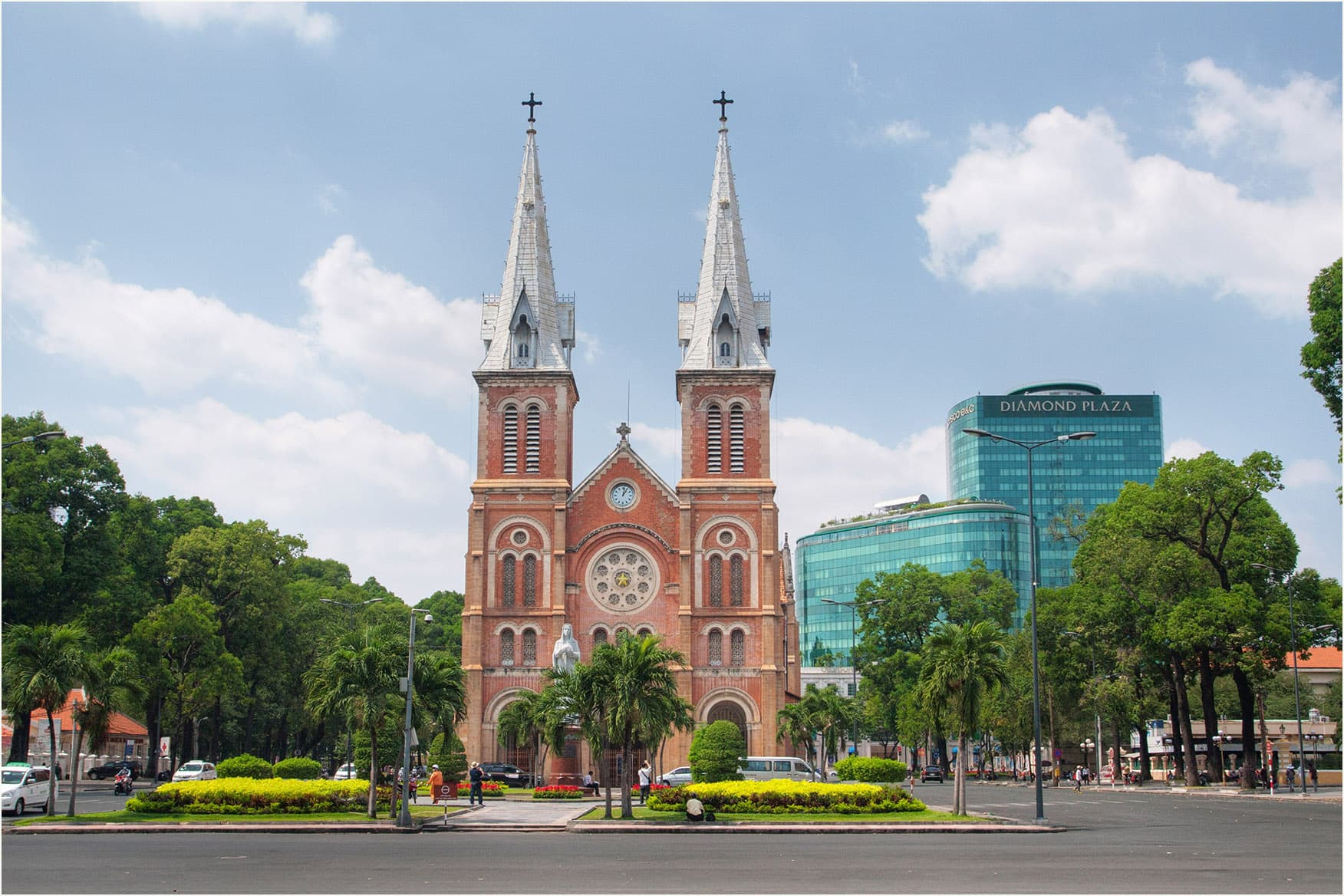
Notre-Dame Cathedral Basilica of Saigon
Sài Gòn, Ho Chi Minh City, Vietnam
1.4 km away
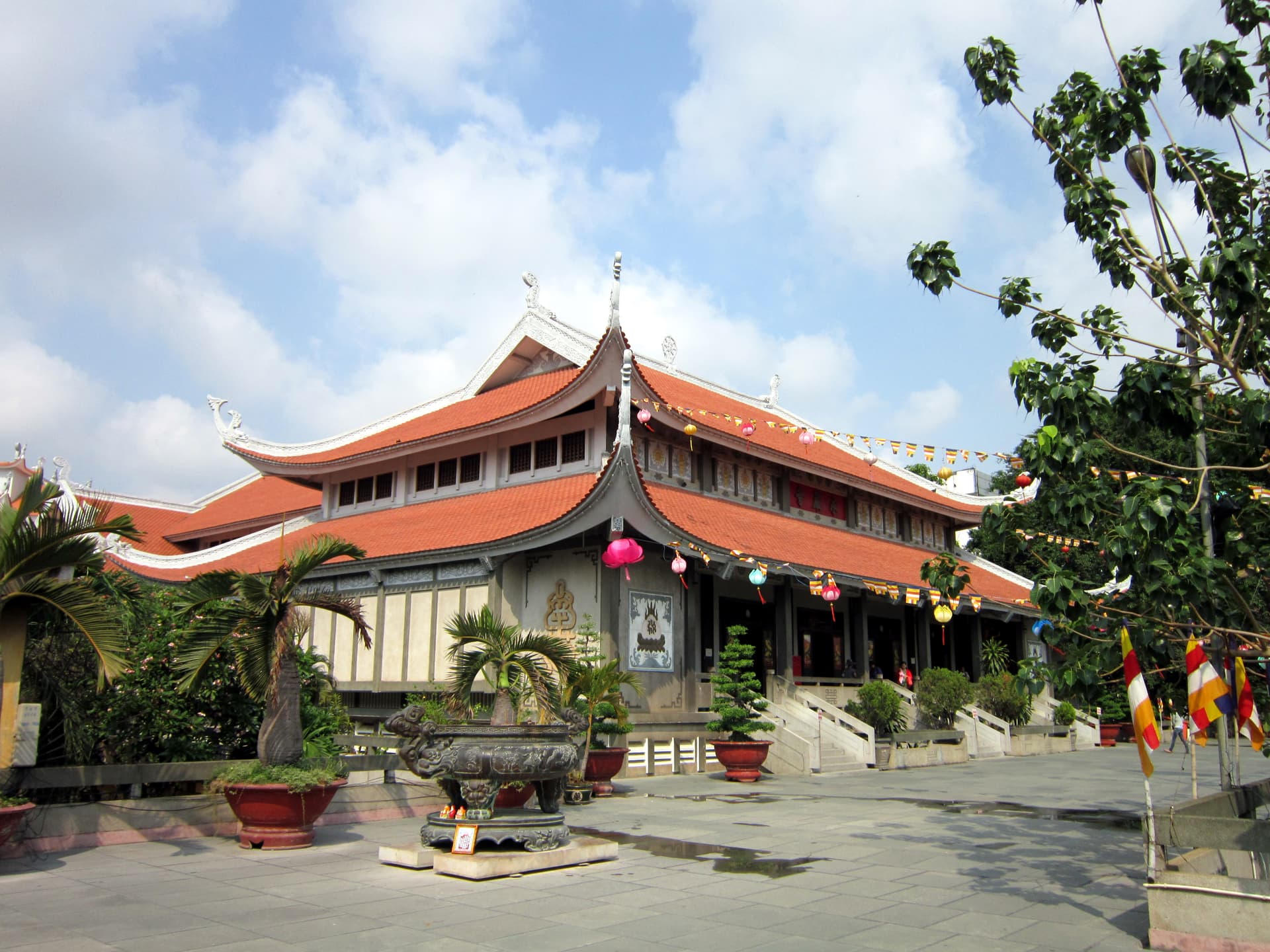
Vĩnh Nghiêm Pagoda, Ho Chi Minh City
Xuân Hòa, Ho Chi Minh City, Vietnam
1.4 km away

Jade Emperor Pagoda
Ho Chi Minh City, Ho Chi Minh City, Vietnam
2.0 km away
References
Sources consulted for this page. Source categories describe the publication, not a guarantee that every claim is verified. Traditional accounts and outside interpretations may differ.
- 01Chùa Xá Lợi - Địa chỉ văn hóa và lịch sử — Chùa Phật học Xá LợiofficialExact institution page for the pagoda's founding purpose and the Buddha relic enshrined there.
- 02Chùa Xá Lợi: Không gian tâm linh cổ kính mà hiện đại — Chùa Phật học Xá LợiofficialExact institution page corroborating the Śākyamuni relic, main image, murals, Avalokiteśvara image, and active festival calendar.
- 03National Assembly approves provincial-level administrative reorganization — Government of Viet NamofficialAuthoritative 2025 successor-province and municipality boundaries.
- 04Xa Loi Buddhist Temple — Google PlacesofficialStrong exact-entity practical metadata from the authoritative current preflight.
- 05Xá Lợi Pagoda — Wikipedia — Wikipedia contributorsacademicCorroborates identity, location, and basic historical context; key claims are framed conservatively.
Share a photo
Help visitors recognize Xá Lợi Pagoda. Every submission is reviewed before publication.