Wat Pho
Reclining Buddha, healing knowledge, and royal renewal share one monastery
Understand sacred places, explore living traditions, and learn how to engage respectfully with Pilgrim Map.
Access has not been verified. Check current local guidance before planning a visit.
Bangkok, Bangkok, Thailand
Read the sources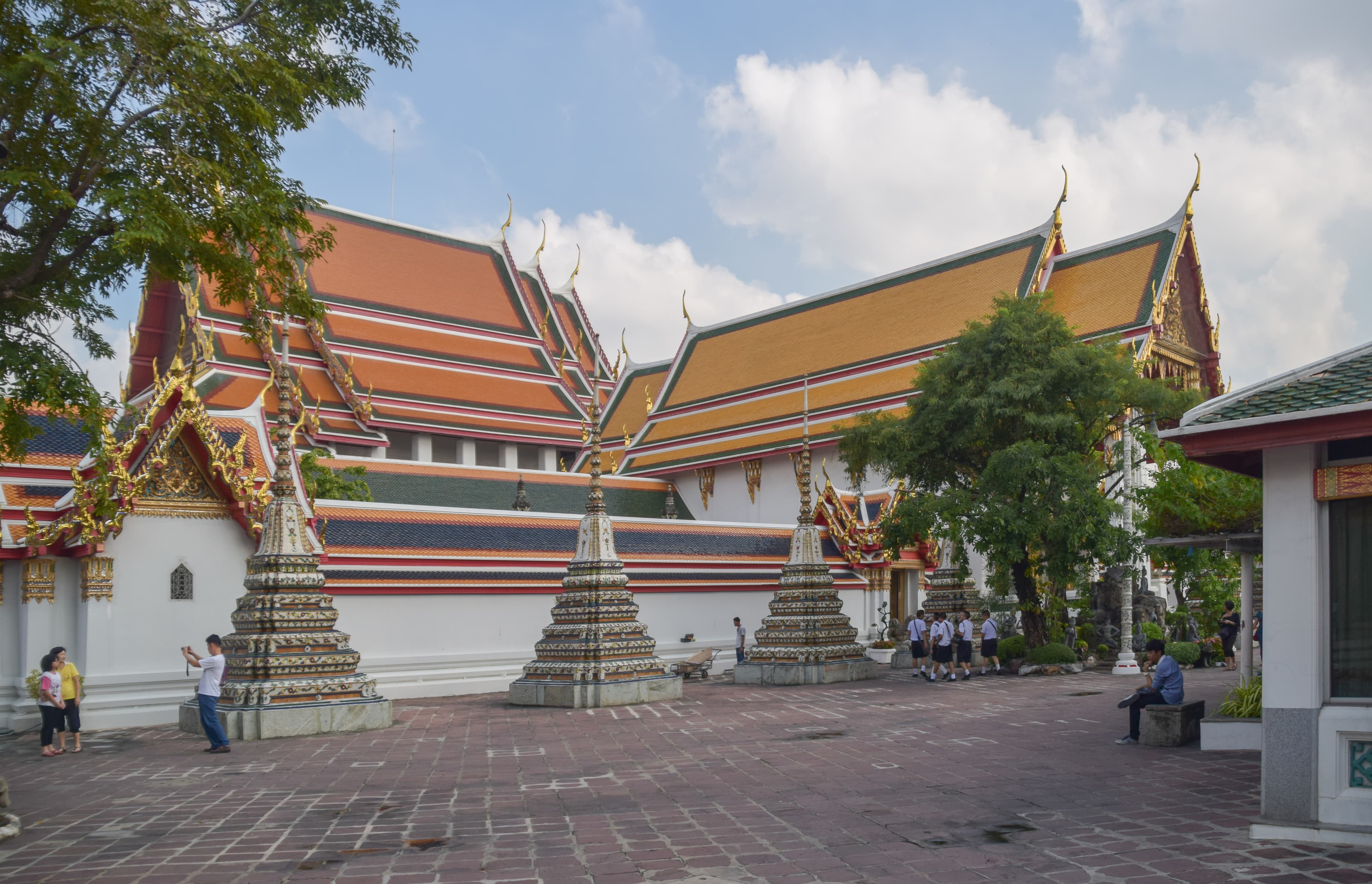
Wat Pho in Bangkok, Bangkok, Thailand. Image source · CC BY-SA 4.0
Visit essentials
A quick read before you go
- Etiquette
- Keep the narrow hall moving, protect people who bow, and treat massage students as practitioners…
Overview
The Reclining Buddha changes scale before it yields detail. The long gilded body nearly fills its hall, while the feet carry auspicious designs and the posture recalls the Buddha's final passing into parinirvana. Yet Wat Pho cannot be understood from this chamber alone. Courtyards, chapels, royal chedis, stone figures, inscriptions, monks, worshippers, and students make the compound a field of connected practices.
The temple's official history locates its modern form in Rama I's restoration of an older monastery, followed by further patronage and an educational program under Rama III. Learning was placed where people could encounter it: medicine, literature, religious teaching, and physical therapies entered the temple's public record. Quiet attention therefore has two directions here—toward the Buddha image and toward knowledge preserved for use.
Why this place is sacred
Sacredness at Wat Pho is carried through an unusual union of recollection and instruction. The reclining posture invites reflection on impermanence and release, while the monastery's inscriptions and therapeutic traditions insist that wisdom also concerns ordinary bodies. Thai massage should not be romanticized as secret energy work; within the temple's documented educational legacy it is a disciplined body of knowledge transmitted through training.
The royal chedis add remembrance and dynastic merit, but they do not turn every courtyard into a museum. Present worship keeps the historical program from closing into the past. A visitor can honor this layered purpose by resisting the urge to race between landmarks and by noticing how devotion, study, maintenance, and care occupy adjacent spaces.
Experience and orientation
Begin outside the Reclining Buddha hall and read the local signs before joining the visitor flow. Inside, keep the central passage moving and leave room for people who bow or make offerings. The image is best received in sequence: face, long body, soles, and the enclosing architecture, rather than through a single wide photograph. Elsewhere, compare the dense visual rhythm of chedis with the quieter authority of active chapels.
Massage-school activity belongs to the temple's educational life; treat students and practitioners as people at work. Shoes, clothing, photography, and access rules vary by building, so one instruction should not be generalized across the entire complex.
Context and lineage
Wat Pho developed from Wat Photharam, an older monastery near the new Grand Palace. King Rama I ordered a major rebuilding during the establishment of Bangkok and the restored temple was inaugurated in 1801. Later royal patronage expanded the precinct. Under Rama III, inscriptions and illustrated knowledge were installed as part of a broad educational project, helping establish the temple's reputation as a public center of learning.
The Reclining Buddha dates to this later phase and is housed in its own wihan. Royal patronage explains scale and resources, but monastic continuity explains why the compound remains sacred. The temple has been repaired repeatedly; preservation is therefore a history of renewed responsibility rather than evidence that every surface survives unchanged from one founding moment.
Traditions and practice
Living Theravada practice includes bowing, chanting, offerings, merit-making, teaching, and the daily discipline of a resident monastery. At the Reclining Buddha, stay behind anyone praying and use only established offering points. Do not copy ritual gestures merely for a photograph. A contemplative visitor might follow the image's posture slowly from head to feet, then sit where permitted and consider how an ending can be represented without drama.
The massage tradition is approached through legitimate instruction, not improvised touching or claims of instant healing. Temple ceremonies, ordinations, and monastic routines take priority over sightseeing, even when the public route remains open nearby.
Theravada Buddhism
ActiveTheravada practice gives the reclining image, monastic community, inscriptions, and merit-making their connected religious frame.
Perspectives and open questions
Parinirvana imagery and medical pedagogy illuminate different dimensions of Wat Pho without proving a healing aura.
Scholarly perspective
Art history reads Wat Pho through early Bangkok patronage, sculpture, murals, inscriptions, and the arrangement of royal chedis. Buddhist interpretation begins instead with images as objects of recollection and homage, and with the monastic community that gives the precinct its religious continuity. Medical historians study the inscriptions and massage lineage as systems of transmitted knowledge. These lenses meet but should not be collapsed.
The reclining posture is not merely decorative anatomy, and massage is not evidence that the entire site emits healing power. Popular accounts sometimes promise luck or wellness from particular acts; the reviewed evidence does not establish a prevalent metaphysical effect. What remains verifiable is demanding enough: people have repeatedly joined worship, education, skilled care, and preservation in this place.
Plan your visit
Building-specific shoe, camera, and admission rules at this large riverside compound need a same-day check.
Respectful visit
Keep the narrow hall moving, protect people who bow, and treat massage students as practitioners at work.
Current practical details
Address
2 Thanon Sanam Chai, Khwaeng Phra Borom Maha Ratchawang, Khet Phra Nakhon, Krung Thep Maha Nakhon 10200, Thailand
Phone
Hours
Hours, fees, and access can change — verify on the official source before you travel. Practical details last checked Jul 2026.
Location
Map loads as you approach this section.
Pilgrim reflections
A portrait of encounter, not a score
Pilgrims describe what they felt, how present they could become, and whether the place would shape a journey. There are no stars and no ranking of traditions.
No reviewed reflections yet
The first pilgrims can help describe the character of being here.
Share a reflection
Available after an account-backed “Been there.” Every reflection is reviewed before publication.
Nearby sacred places
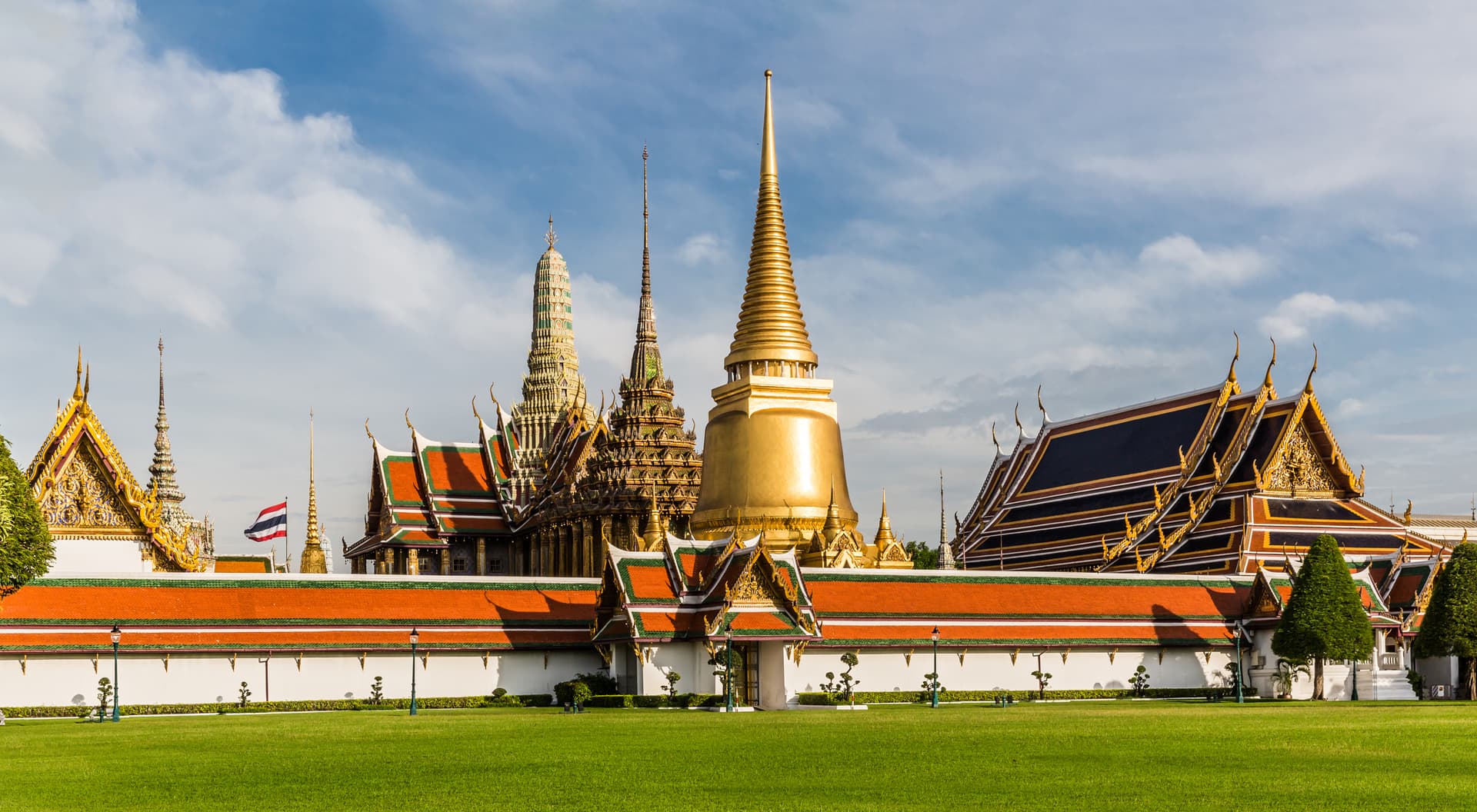
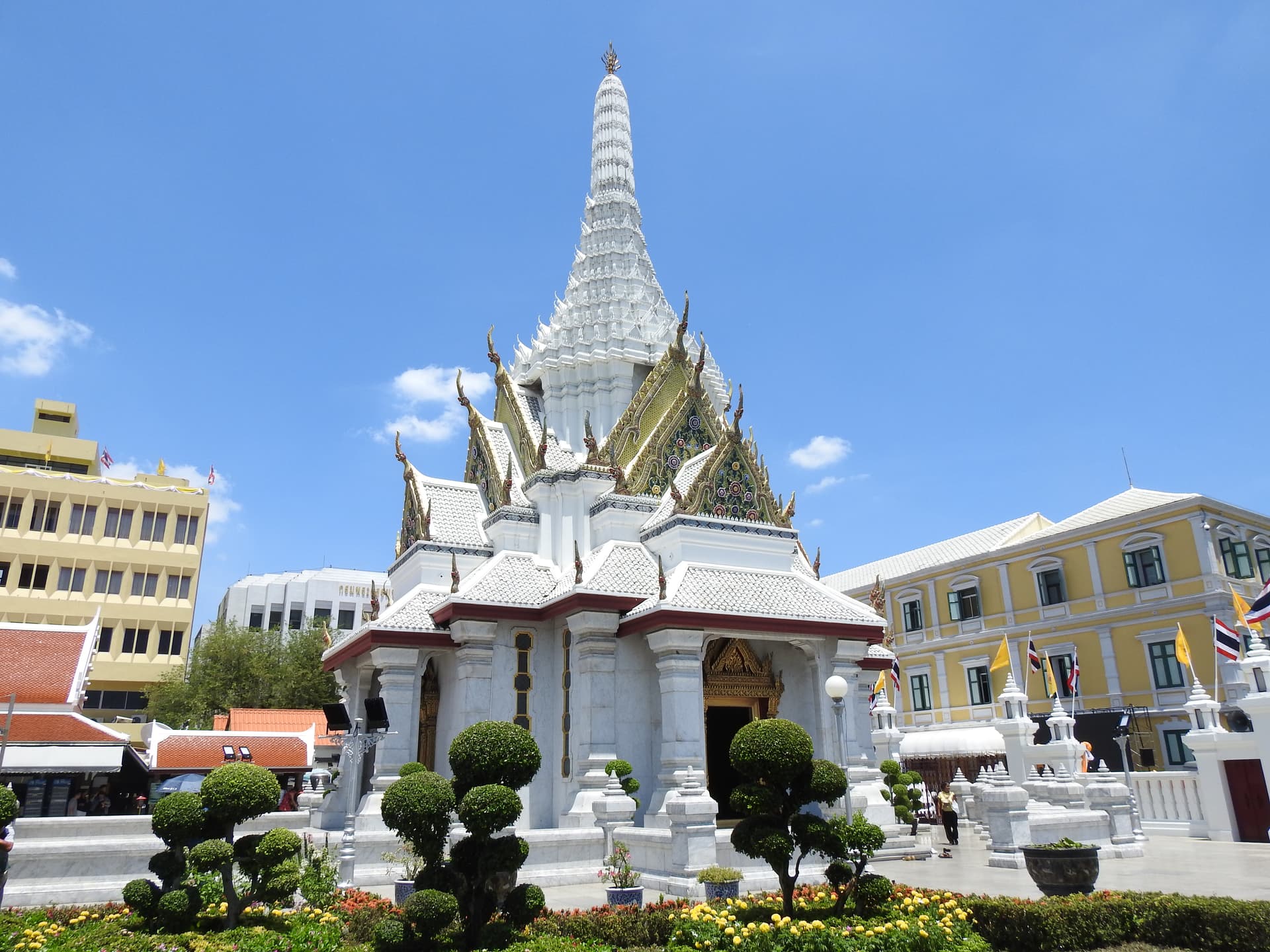
Explore other sacred places in the region. Proximity does not establish access or travel time; check each place’s guidance.


References
Sources consulted for this page. Source categories describe the publication, not a guarantee that every claim is verified. Traditional accounts and outside interpretations may differ.
- 01Bangkok — official destination overview — Tourism Authority of ThailandofficialOfficial overview identifying Bangkok's principal religious and historical sites.
- 02Wat Pho official history — Wat Phra Chetuphon Wimon MangkhalaramofficialTemple-authored history used for the royal restoration, educational inscriptions, and living monastery context.
- 03Wat Pho — Wikipedia — Wikipedia contributorsacademicCorroborates identity, location, and basic historical context; key claims require higher-tier corroboration.
- 04Q1059910 — Wikidata — Wikidata contributorsacademicStructured identity and coordinate corroboration; not used alone for spiritual or historical claims.
- 05Wat Phra Chetuphon Wimon Mangkhalaram Rajwaramahawihan — Google Maps — Google PlacesSource contextStrong name, country, locality, and coordinate match; used only for practical visitor data and identity corroboration.
Share a photo
Help visitors recognize Wat Pho. Every submission is reviewed before publication.