Shorinji Temple, Sakurai
A monk’s long pilgrimage, remembered in a granite Jizo
Understand sacred places, explore living traditions, and learn how to engage respectfully with Pilgrim Map.
Access has not been verified. Check current local guidance before planning a visit.
Sakurai, Nara, Japan
Read the sourcesVisit essentials
A quick read before you go
- Etiquette
- Give worshippers space and ask before photographing people or ceremonies.
Overview
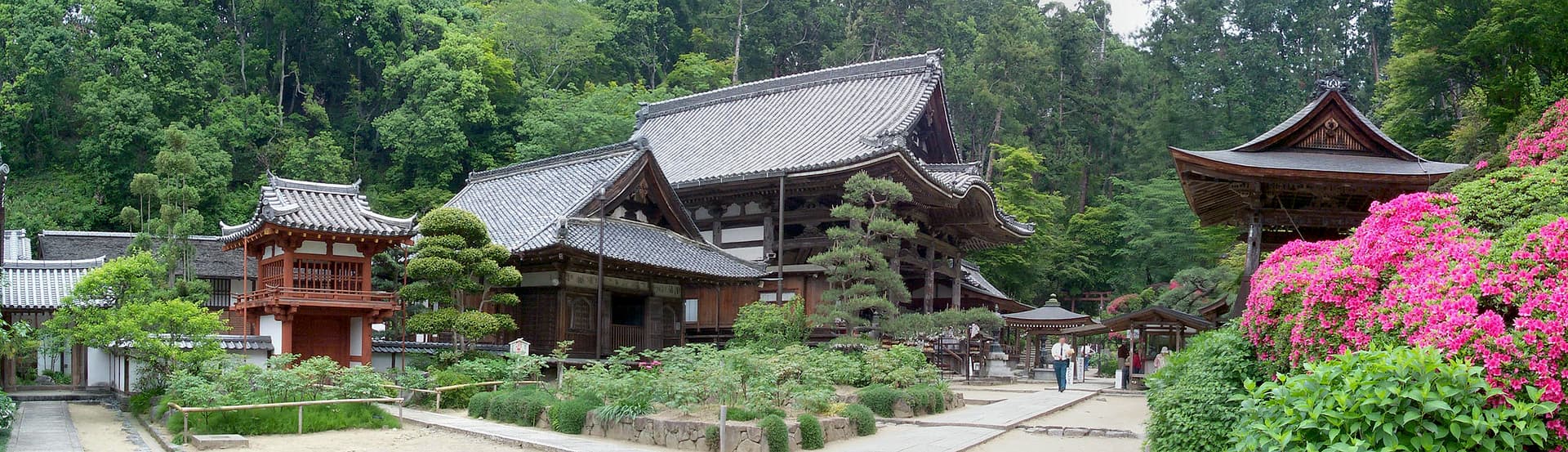
At Shorinji, the principal Koyasu Enmei Jizo is associated with prayers for children and safe childbirth. This Shingon temple above Sakurai also houses a celebrated eleven-headed Kannon. The two images have distinct histories: the Jizo’s story begins with a monk’s concern for women facing difficult births.
Why this place is sacred
Shorinji’s own account says women still come to pray for safe childbirth. Its separate Kannon treasure introduces another strand of Buddhist art and worship.
Experience and orientation
Shorinji is at 692 Shimo, Sakurai.
Context and lineage
The temple tells of Monshun, an eighteenth-century monk whose sisters were among the women suffering difficult childbirth. He carried a wooden Jizo on his back during more than four years of pilgrimage across Japan, praying for them. On returning, he gave the image to Shorinji. It became the model for the granite Koyasu Enmei Jizo worshipped in the main hall today.
Traditions and practice
Allow space for worship in the main hall and follow the temple’s instructions about viewing its images. A visit can combine attention to the Jizo’s story with learning about the temple’s other treasures, without treating them as interchangeable protective figures.
Buddhism
ActivePerspectives and open questions
Devotional accounts express religious meaning; they do not establish medical outcomes.
Plan your visit
The temple describes access by bus from Sakurai Station followed by a short walk and notes its position on a small mountain. Check current admission, opening arrangements and mobility needs directly.
Respectful visit
Give worshippers space and ask before photographing people or ceremonies. Follow the custodian’s directions.
Location
Map loads as you approach this section.
Pilgrim reflections
A portrait of encounter, not a score
Pilgrims describe what they felt, how present they could become, and whether the place would shape a journey. There are no stars and no ranking of traditions.
No reviewed reflections yet
The first pilgrims can help describe the character of being here.
Share a reflection
Available after an account-backed “Been there.” Every reflection is reviewed before publication.
Nearby sacred places
Explore other sacred places in the region. Proximity does not establish access or travel time; check each place’s guidance.


References
Sources consulted for this page. Source categories describe the publication, not a guarantee that every claim is verified. Traditional accounts and outside interpretations may differ.
- 01Statue of Koyasu Enmei Jizo — ShorinjiSource contextReviewed source for identity, narrative, devotional association or access.
- 02Story of Shorinji Temple — ShorinjiSource contextReviewed source for identity, narrative, devotional association or access.
- 03Shorinji: access — Nara Prefecture TourismofficialReviewed source for identity, narrative, devotional association or access.
Pilgrim glossary
- Kannon
- The bodhisattva of compassion, central to many East Asian pilgrimage routes.
- Jizo
- A bodhisattva who protects travelers, children, and the deceased; common in Japanese roadside shrines.
- Shingon
- An esoteric Japanese Buddhist school emphasizing ritual, mantra, and mandala practice.
Share a photo
Help visitors recognize Shorinji Temple, Sakurai. Every submission is reviewed before publication.