Royal Monastery of Santa María de Guadalupe
A royal monastery where Mudéjar, Gothic, Renaissance, and Baroque traditions meet
Understand sacred places, explore living traditions, and learn how to engage respectfully with Pilgrim Map.
Access has not been verified. Check current local guidance before planning a visit.
Guadalupe, Cáceres, Spain
Read the sources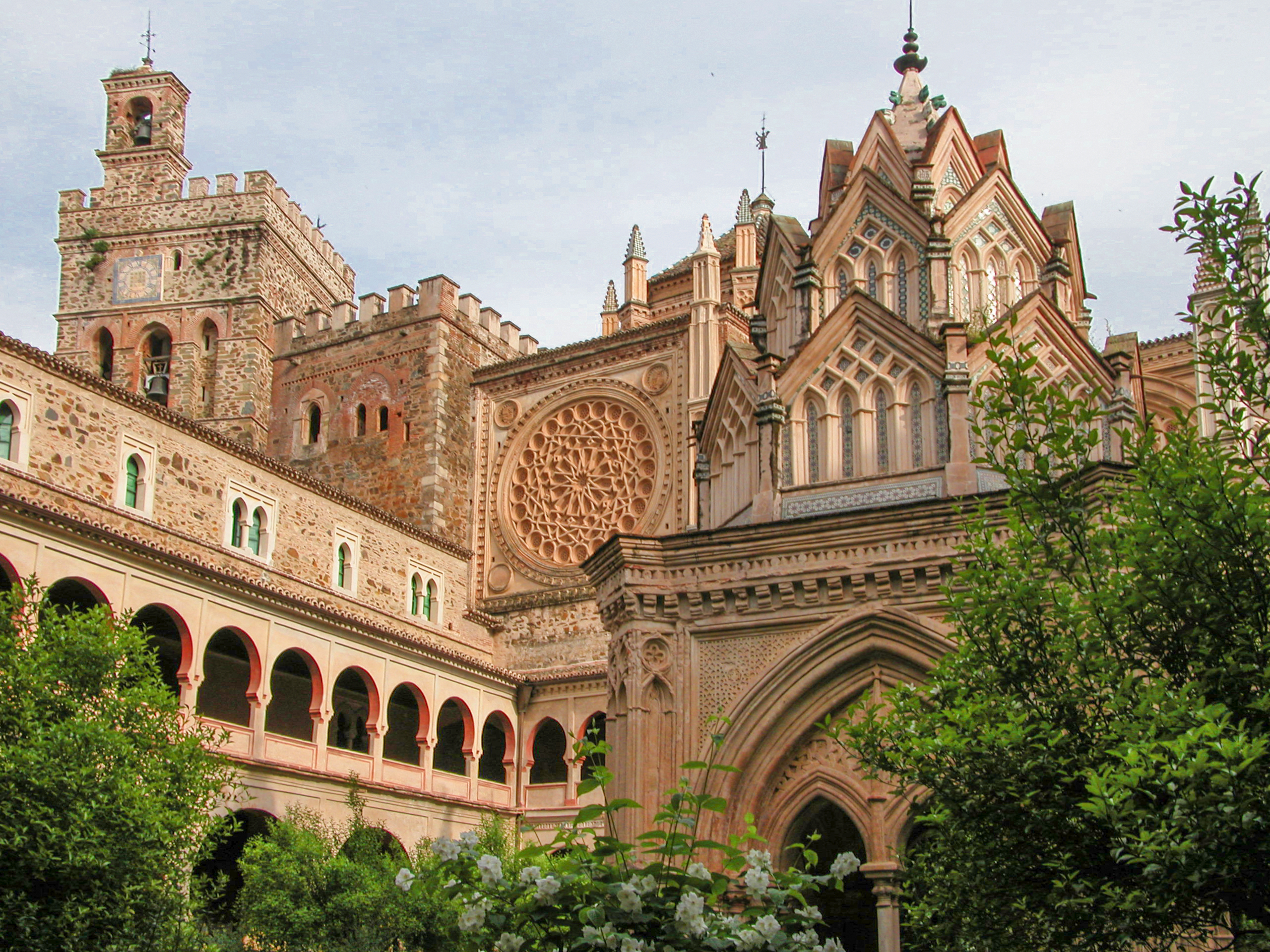
Cloister of the Royal Monastery of Santa María de Guadalupe. Image source · Public Domain
Visit essentials
A quick read before you go
- Etiquette
- Respect active worship, dress modestly, keep voices low, and follow local photography…
Overview
UNESCO describes Guadalupe as an exceptional ensemble illustrating four centuries of Spanish religious architecture. The site's layered fabric includes Mudéjar, Gothic, Renaissance, Baroque, and Neoclassical work, united by continued pilgrimage to the Marian image. The monastery's influence also travelled through Spanish and Latin American devotional history. Careful presentation keeps the building's documented heritage separate from devotional claims attached to the image while showing why they belong in one navigable hierarchy.
Sites inside
Why this place is sacred
A royal monastery where Mudéjar, Gothic, Renaissance, and Baroque traditions meet
Experience and orientation
The church and cloisters unfold as a sequence rather than a single viewpoint. Follow current visitor routes and preserve silence around worship.
Context and lineage
UNESCO and the monastery's own tradition establish both the identity of the complex and its role as the housing sanctuary for Our Lady of Guadalupe.
Traditions and practice
Catholic liturgy, Marian veneration, confession, and pilgrimage remain active alongside heritage visits.
Roman Catholic
ActiveA royal monastery where Mudéjar, Gothic, Renaissance, and Baroque traditions meet
Catholic liturgy, Marian veneration, confession, and pilgrimage remain active alongside heritage visits.
Perspectives and open questions
This page distinguishes documented institutional history, living tradition, and claims that remain uncertain.
Scholarly perspective
UNESCO and the monastery's own tradition establish both the identity of the complex and its role as the housing sanctuary for Our Lady of Guadalupe.
Living and traditional perspectives
Catholic liturgy, Marian veneration, confession, and pilgrimage remain active alongside heritage visits.
Open questions
Opening times and access can change with liturgy and conservation work.
Plan your visit
Guadalupe, Cáceres. Access to parts of the monastic complex is guided; check the monastery's current schedule before arrival.
Respectful visit
Respect active worship, dress modestly, keep voices low, and follow local photography restrictions.
Location
Map loads as you approach this section.
Pilgrim reflections
A portrait of encounter, not a score
Pilgrims describe what they felt, how present they could become, and whether the place would shape a journey. There are no stars and no ranking of traditions.
No reviewed reflections yet
The first pilgrims can help describe the character of being here.
Share a reflection
Available after an account-backed “Been there.” Every reflection is reviewed before publication.
Nearby sacred places
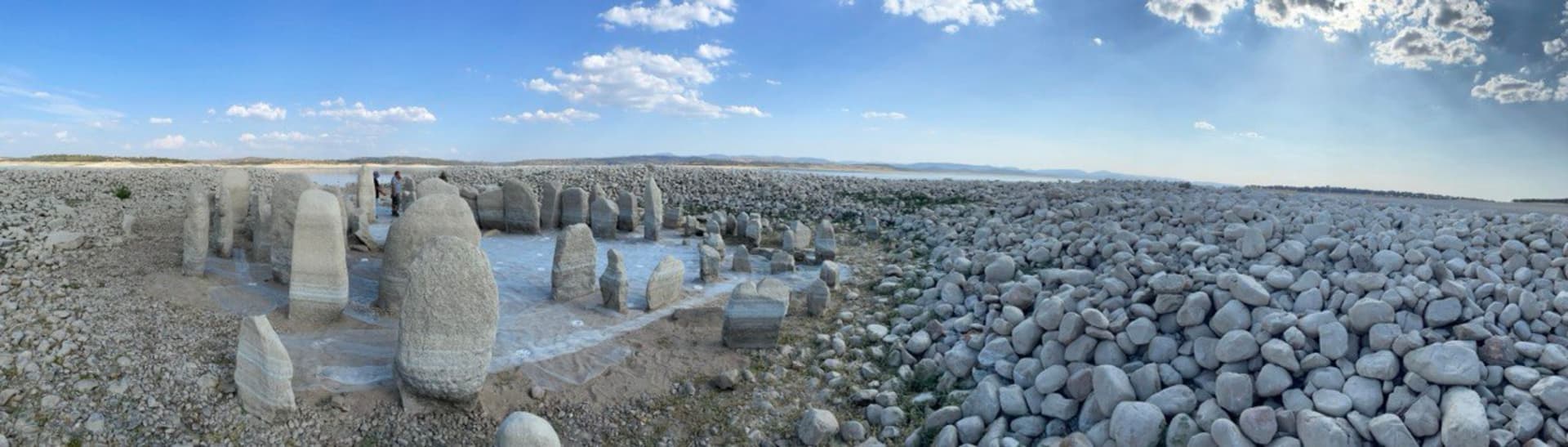
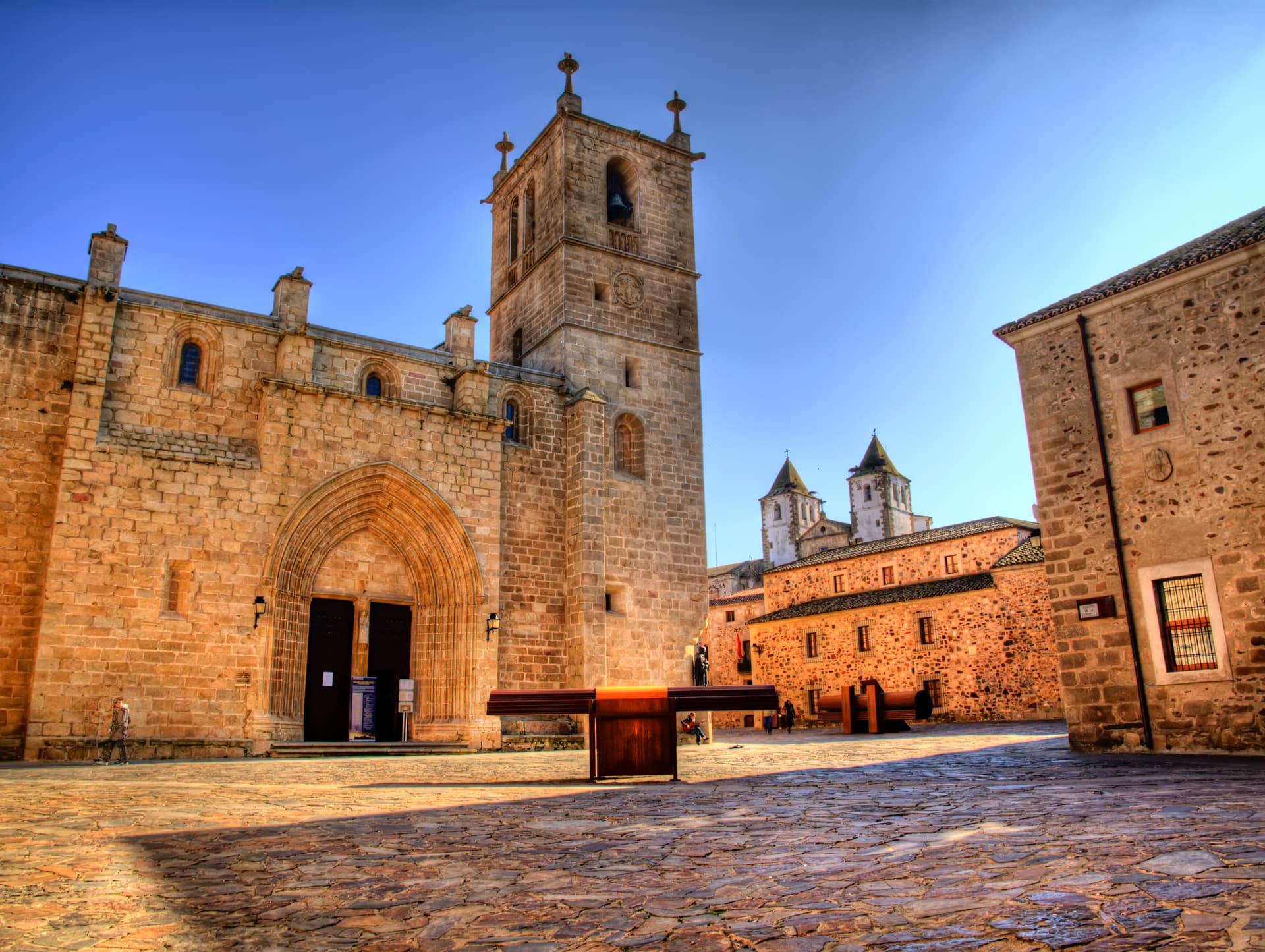
Explore other sacred places in the region. Proximity does not establish access or travel time; check each place’s guidance.


References
Sources consulted for this page. Source categories describe the publication, not a guarantee that every claim is verified. Traditional accounts and outside interpretations may differ.
Share a photo
Help visitors recognize Royal Monastery of Santa María de Guadalupe. Every submission is reviewed before publication.