Punnainallur Mariamman Temple
Goddess devotion and remembered royal patronage near Thanjavur
Punnainallur, Thanjavur, Tamil Nadu, India

Punnainallur Mariamman Temple — view of the site. Image source · CC BY-SA 4.0
Visit essentials
Before you go
- Etiquette
- Observe dress and footwear instructions and ask before using a camera.
Overview
Punnainallur Mariamman Temple lies east of Thanjavur and is a significant place of goddess worship in Tamil Nadu. Pilgrims seek Mariamman's protection, offer thanks, and pray over illness or family concerns. Its clay or earth-based sacred image and the traditions surrounding it give the temple a character distinct from other Mariamman shrines in the region.
Why this place is sacred
The material of the central image affects how worship is performed; descriptions of ordinary stone-image bathing should not automatically be applied here. The temple's healing reputation belongs to Mariamman devotion and personal testimony. It does not establish that visiting, receiving an offering, or completing a vow will cure an illness.
Healing traditions
Royal healing legend
Punnainallur's traditional account tells of a daughter of the Thanjavur ruler Tulaja who lost her sight during an illness. Her father prayed to Mariamman and brought her to the shrine, where she is said to have regained her sight. The king's gratitude became associated with the temple's development. This is the site's devotional narrative, rather than a medical record of an eye condition.
Ways to participate
Offer a prayer before Mariamman for the person whose wellbeing concerns you. Ask attendants about a suitable archana or permitted offering. The story invites trust and gratitude; it does not require applying substances to the eyes or postponing examination by an eye-care professional.
These accounts describe religious traditions and reported experiences. They do not promise a cure or replace medical care.
Context and lineage
Local narratives connect the foundation with Thanjavur's Maratha rulers and a revelation of the goddess's presence. Another account credits the saint Sadashiva Brahmendra with fashioning and consecrating the image from earth associated with an anthill. Traditions also remember healing within a royal family. Published summaries disagree about rulers and dates, so the different strands should not be compressed into one falsely precise history. They express the goddess's protection and the relationships through which the shrine developed.
Traditions and practice
Devotees gather for darshan, offerings, and festival observances. Sundays in the Tamil month of Avani are particularly associated with pilgrimage in district visitor information. Ask staff about the current ritual programme and which acts are open to visitors. Do not presume that seeing another pilgrim undertake a demanding vow makes it necessary for you or someone in your care.
Shaktism
ActiveThe shrine honours Mariamman within this tradition.
Plan your visit
Plan for Punnainallur outside Thanjavur rather than the city's other major temples. The district administration and HR&CE listing identify the correct shrine. Confirm opening periods, festival access, and a suitable approach for anyone with mobility limitations. Exact queues and facilities can change, and a general town itinerary does not establish access to the inner temple.
Respectful visit
Observe dress and footwear instructions and ask before using a camera. Give people praying over private concerns space. Do not touch the image or introduce substances as offerings without permission. Present sacred stories with care, without turning a devotee's suffering or an attributed cure into a spectacle.
Location
Map loads as you approach this section.
Pilgrim reflections
A portrait of encounter, not a score
Pilgrims describe what they felt, how present they could become, and whether the place would shape a journey. There are no stars and no ranking of traditions.
No reviewed reflections yet
The first pilgrims can help describe the character of being here.
Share a reflection
Available after an account-backed “Been there.” Every reflection is reviewed before publication.
Nearby sacred places
Explore other sacred places in the region. Proximity does not establish access or travel time; check each place’s guidance.
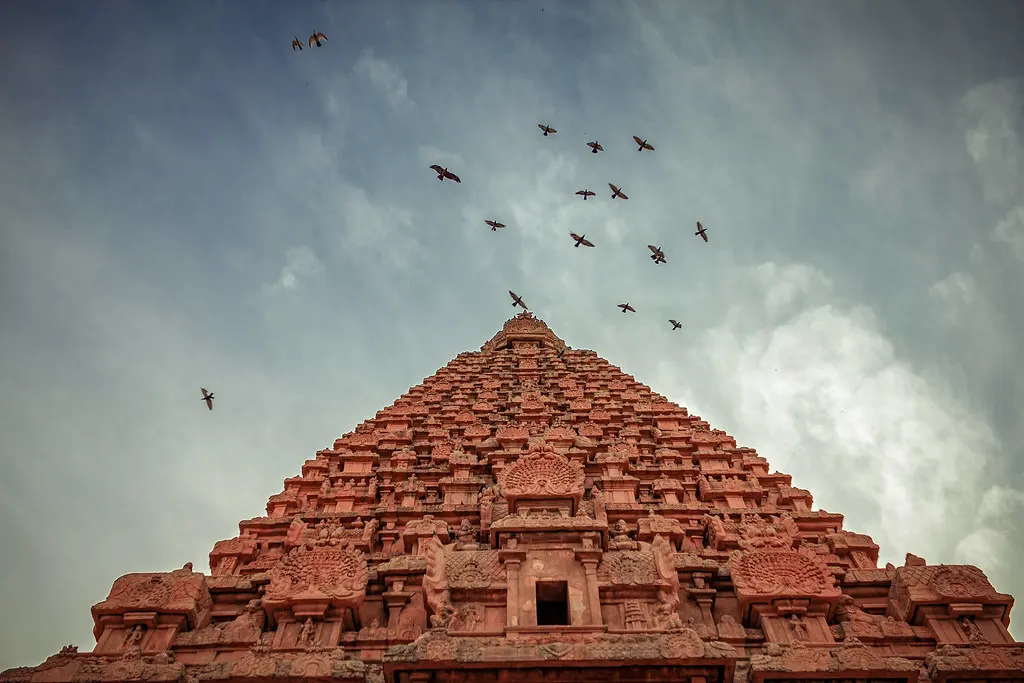
Brihadeeswara Temple, Thanjavur, Tamil Nadu
Thanjavur, Tamil Nadu, India
6.3 km away

Garbharakshambigai Temple, Thirukkarugavur
Thirukkarugavur, Tamil Nadu, India
13.1 km away
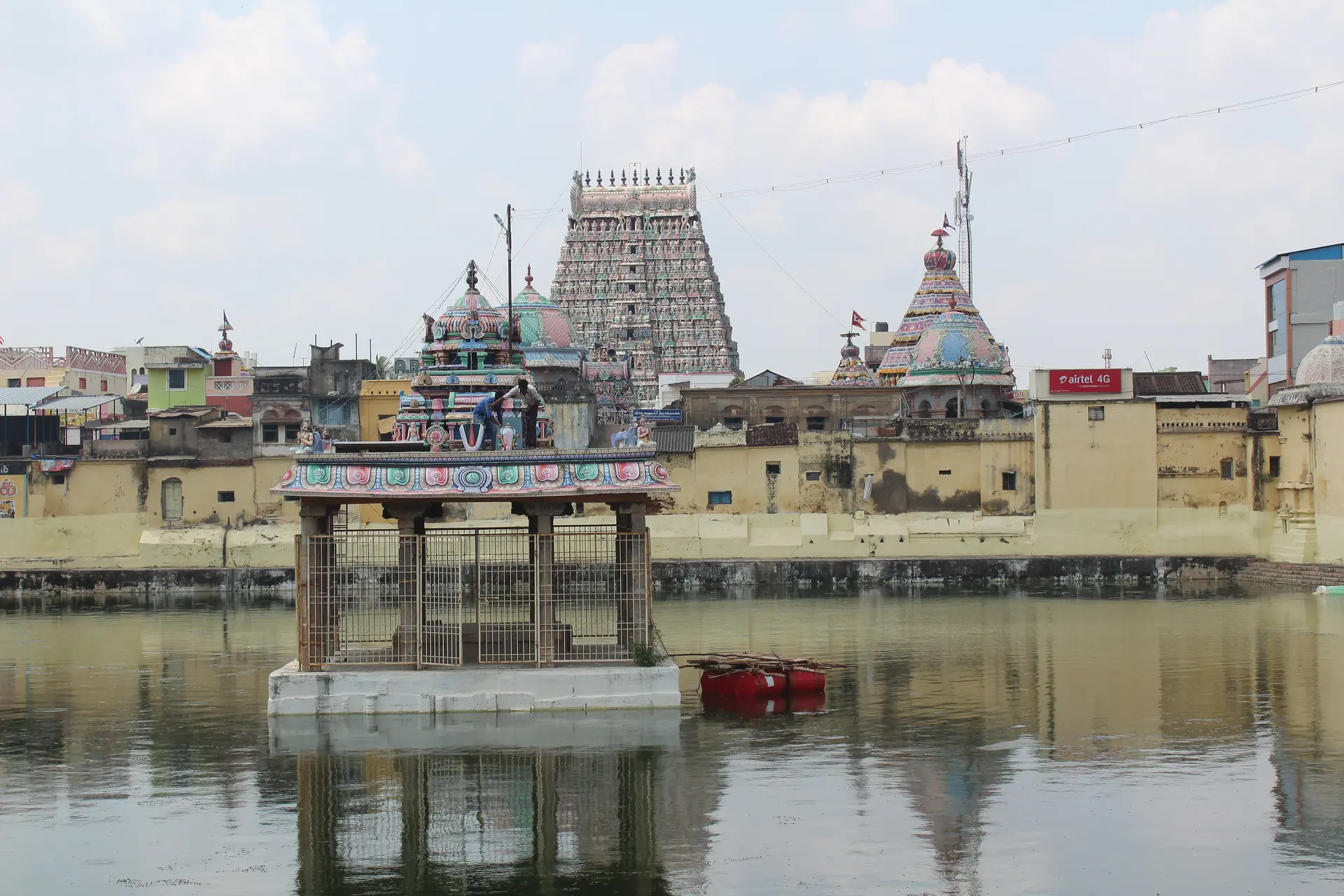
Adi Kumbeswarar Temple, Kumbakonam, Tamil Nadu
Kumbakonam, Tamil Nadu, India
27.6 km away

Kalahasteeswarar Temple, Kumbakonam, Tamil Nadu
Kumbakonam, Tamil Nadu, India
28.7 km away
References
Sources consulted for this page. Source categories describe the publication, not a guarantee that every claim is verified. Traditional accounts and outside interpretations may differ.
- 01Punnai Nallur Mariamman Temple | Thanjavur District | India — thanjavur.nic.inofficialSupports site identity, history, or publicly described devotion; healing narratives are attributed beliefs, not clinical evidence.
- 02Arulmigu Marriamman Temple, Punnainallur, Thanjavur - 613501, Thanjavur District [TM014047].,Punnainallur Sri Mariyamman,Punnainallur Sri Mariyamman — hrce.tn.gov.inofficialSupports site identity, history, or publicly described devotion; healing narratives are attributed beliefs, not clinical evidence.
- 03Punnainallur Mariamman Temple — en.wikipedia.orgSource contextSupports site identity, history, or publicly described devotion; healing narratives are attributed beliefs, not clinical evidence.
- 04Coordinate reference for Punnainallur Mariamman Temple — www.wikidata.orgSource contextIdentity and geographic positioning only; not used to approve religious claims or access policy.
- 05Punnainallur Mariamman Temple — Thanjavur tourismguideSupports the attributed account or visitor practice in the healing section; not evidence of clinical efficacy.
- 06Punnainallur Mariamman Temple — reference accountencyclopediaSupports the attributed account or visitor practice in the healing section; not evidence of clinical efficacy.
Share a photo
Help visitors recognize Punnainallur Mariamman Temple. Every submission is reviewed before publication.