Minor Basilica of Our Lady of the Rosary of Manaoag
A Marian call remembered in pilgrimage, murals, and prayer
Understand sacred places, explore living traditions, and learn how to engage respectfully with Pilgrim Map.
Access has not been verified. Check current local guidance before planning a visit.
Manaoag, Pangasinan, Philippines
Read the sourcesVisit essentials
A quick read before you go
- Etiquette
- Dress appropriately for church, follow the queue, and give others room to pray.
Overview
The Minor Basilica of Our Lady of the Rosary of Manaoag is a Dominican pilgrimage church in Pangasinan. Devotion centres on the Marian image known locally as Apo Baket. Families and individual pilgrims come to pray, seek help through illness or uncertainty, and give thanks. This page describes the basilica that houses the image, while recognizing that the church and the sacred image are distinct entities.
Why this place is sacred
The images and murals allow pilgrims to encounter a tradition of intercession through specific stories rather than an abstract reputation for miracles. The church's documented mission history and Dominican stewardship offer a different kind of context. Both matter, but neither the grandeur of the basilica nor its ecclesiastical status verifies every healing report associated with it.
Healing traditions
Traditional miracle narrative
Manaoag's basilica identifies the restoration of a dead child to life as one of the miracles represented in its murals. The image of Our Lady of the Rosary stands at the center of that story and the pilgrimage's continuing prayers for protection and healing. The official account reviewed here names no child and provides few circumstances, so the story is retained without additional details.
Ways to participate
Pray the rosary or offer a personal intention before the image, then look at the murals as expressions of the community's memory. The basilica also provides arrangements for prayer requests. Follow staff guidance for blessings and candle offerings; touching the image is not a condition for participation.
These accounts describe religious traditions and reported experiences. They do not promise a cure or replace medical care.
Context and lineage
The basilica tells of a farmer who saw a radiant woman holding a child and a rosary above a tree. She asked for a church on that spot, and the account became associated with the town's name and the idea of a call. A separate healing narrative, depicted in a mural, concerns a woman bringing her sick child from Binmaley. In the shrine's telling, the child died on the journey and returned to life after the mother prayed before Mary.
These are attributed devotional accounts, not independently established clinical histories.
Traditions and practice
Mass, Marian prayer, and thanksgiving are central to the pilgrimage. The basilica publishes worship and fiesta information through its own channels. A visitor can attend a public service or approach the devotional spaces at a quieter time. Do not assume that a particular offering or physical action is necessary to secure a blessing.
Catholic
ActiveThe shrine honours Our Lady of the Rosary of Manaoag within this tradition.
Plan your visit
Manaoag is in Pangasinan on Luzon. Use the basilica's current visitor and worship information when planning transport or a group visit. Religious celebrations can bring substantial queues, so leave flexibility for rest and access needs. Verify opening hours and the availability of specific devotional areas directly; a photograph or an old travel account does not establish today's arrangements.
Respectful visit
Dress appropriately for church, follow the queue, and give others room to pray. Seek permission before photographing an individual at prayer or making a professional recording. Keep illness narratives private unless their owners choose to share them. The dignity of a person seeking help matters more than capturing a dramatic pilgrimage image.
Location
Map loads as you approach this section.
Pilgrim reflections
A portrait of encounter, not a score
Pilgrims describe what they felt, how present they could become, and whether the place would shape a journey. There are no stars and no ranking of traditions.
No reviewed reflections yet
The first pilgrims can help describe the character of being here.
Share a reflection
Available after an account-backed “Been there.” Every reflection is reviewed before publication.
Nearby sacred places
Explore other sacred places in the region. Proximity does not establish access or travel time; check each place’s guidance.
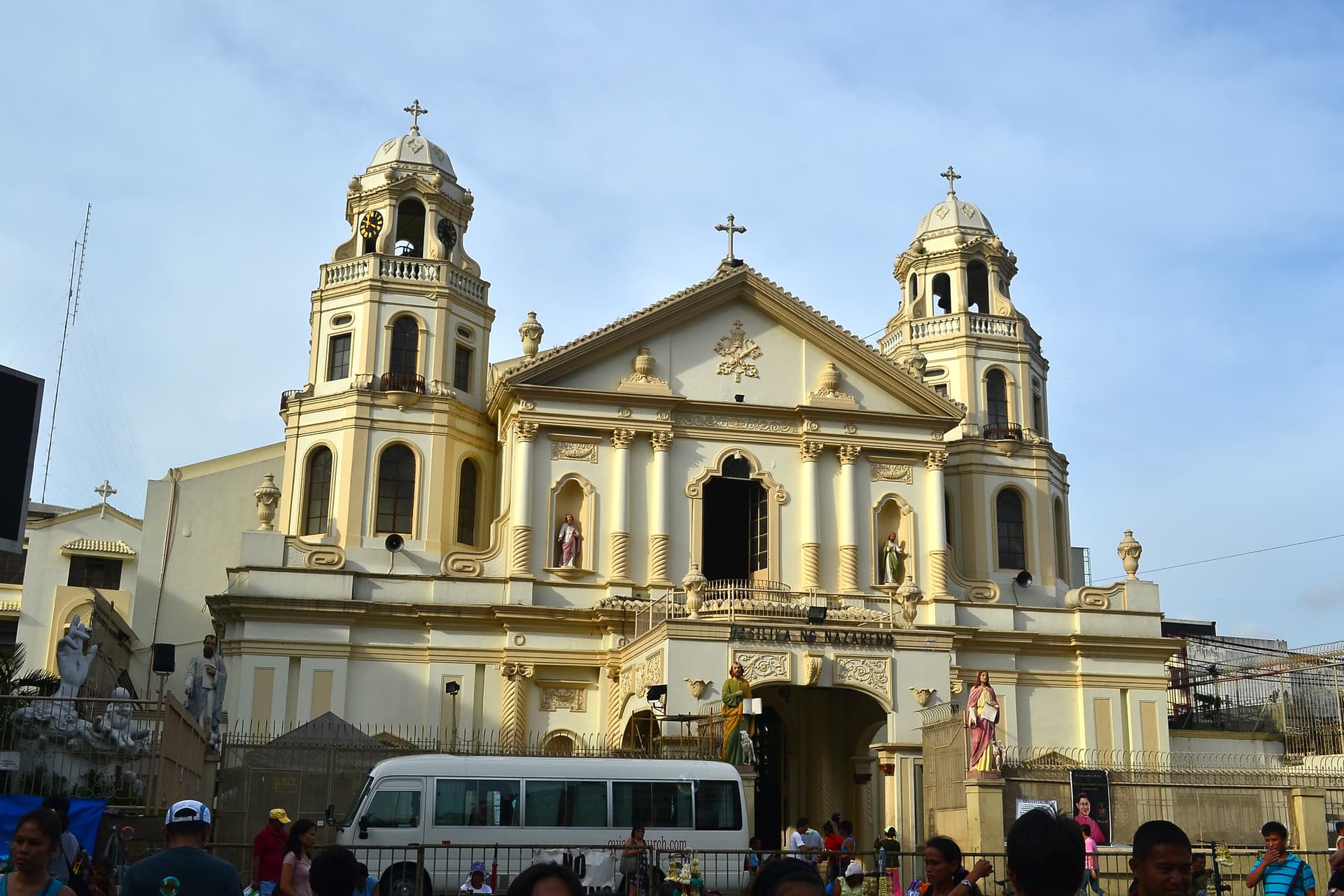
Quiapo Church (Minor Basilica and National Shrine of Jesus Nazareno)
Quiapo, Manila, Manila, Philippines
169.3 km away
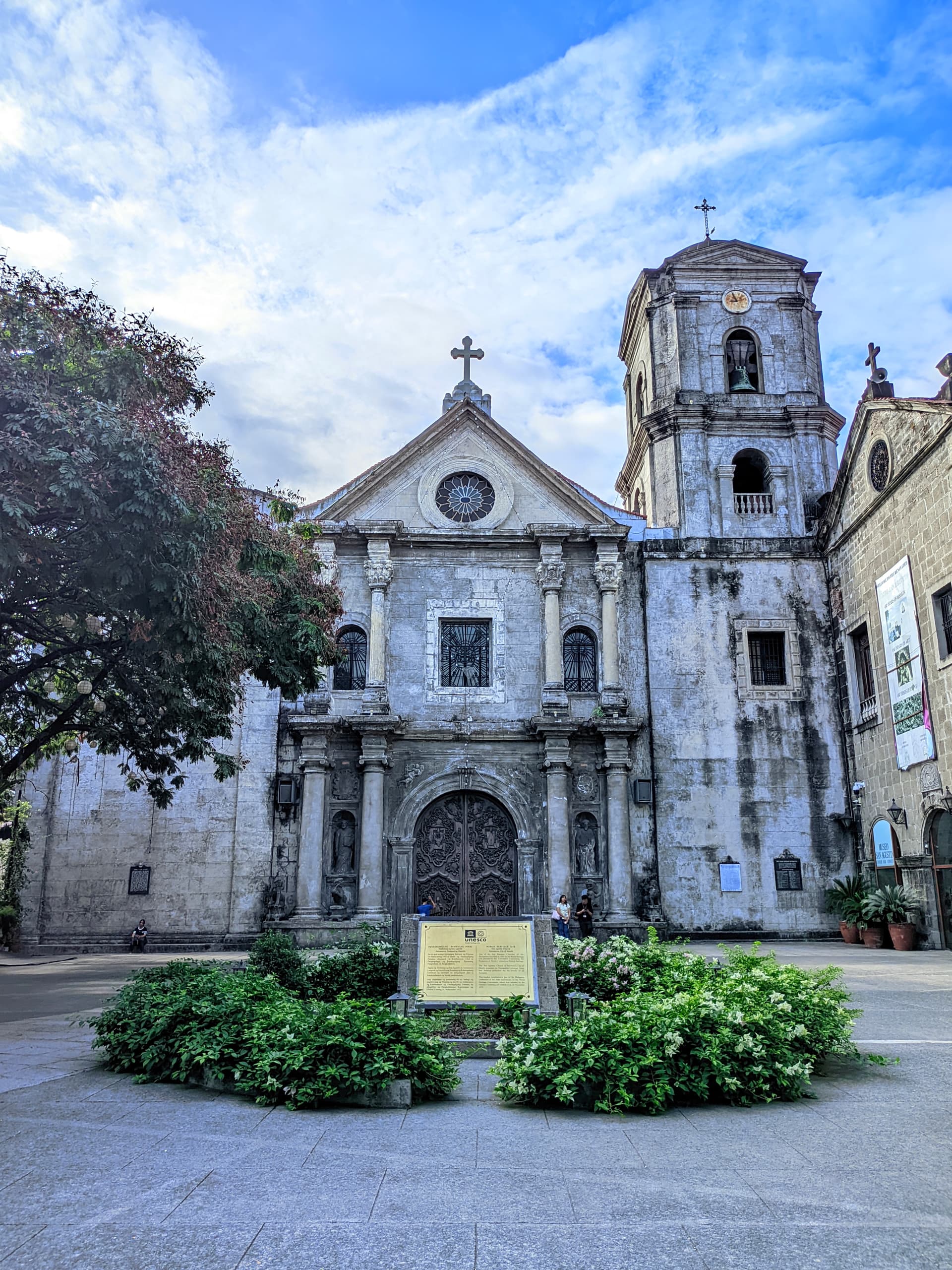
San Agustin Church
Intramuros, Manila, Intramuros, Manila, Metro Manila, Philippines
170.0 km away
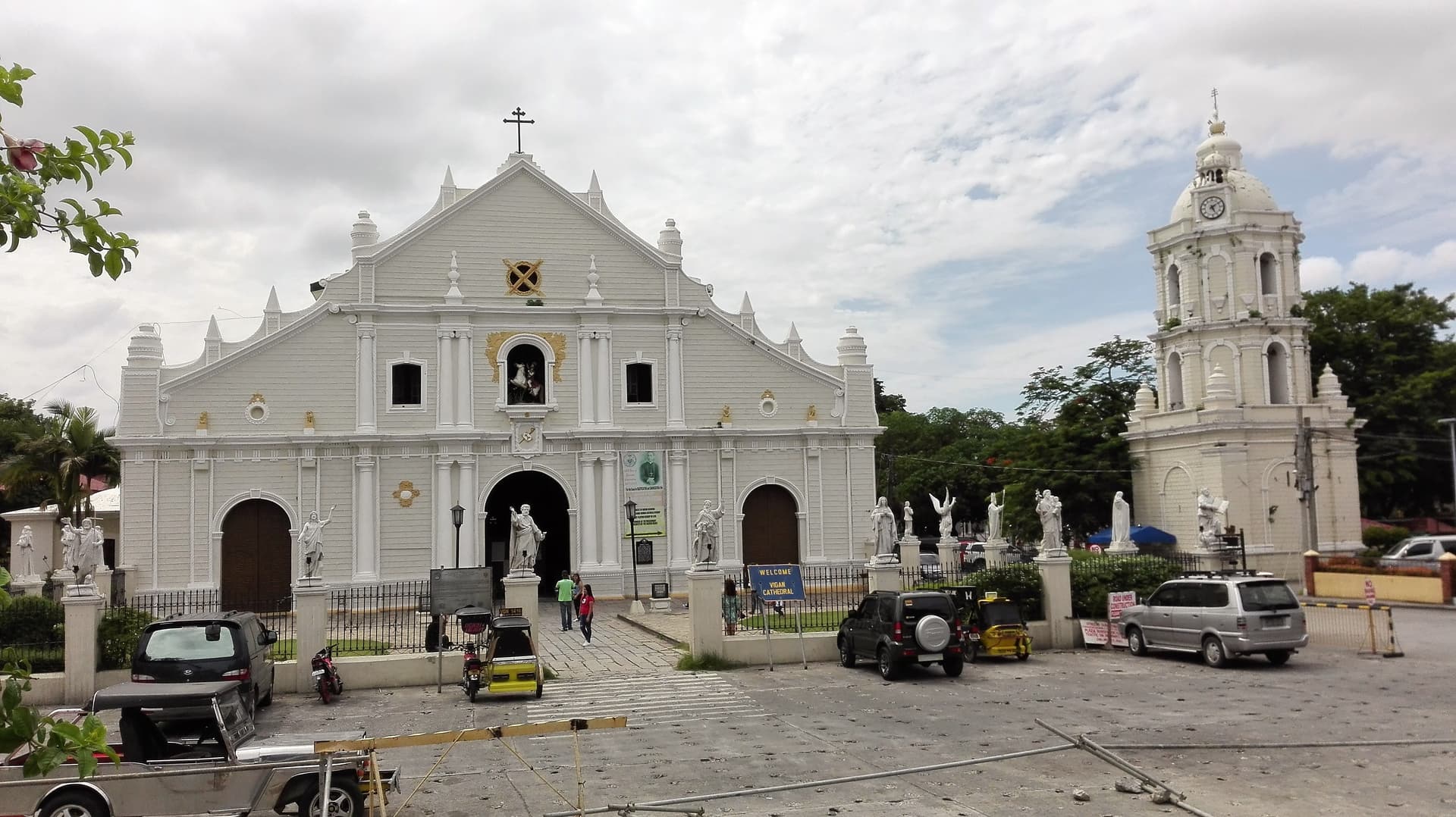
Vigan Cathedral (St. Paul Metropolitan Cathedral)
Vigan City, Vigan City, Ilocos Sur, Philippines
170.6 km away
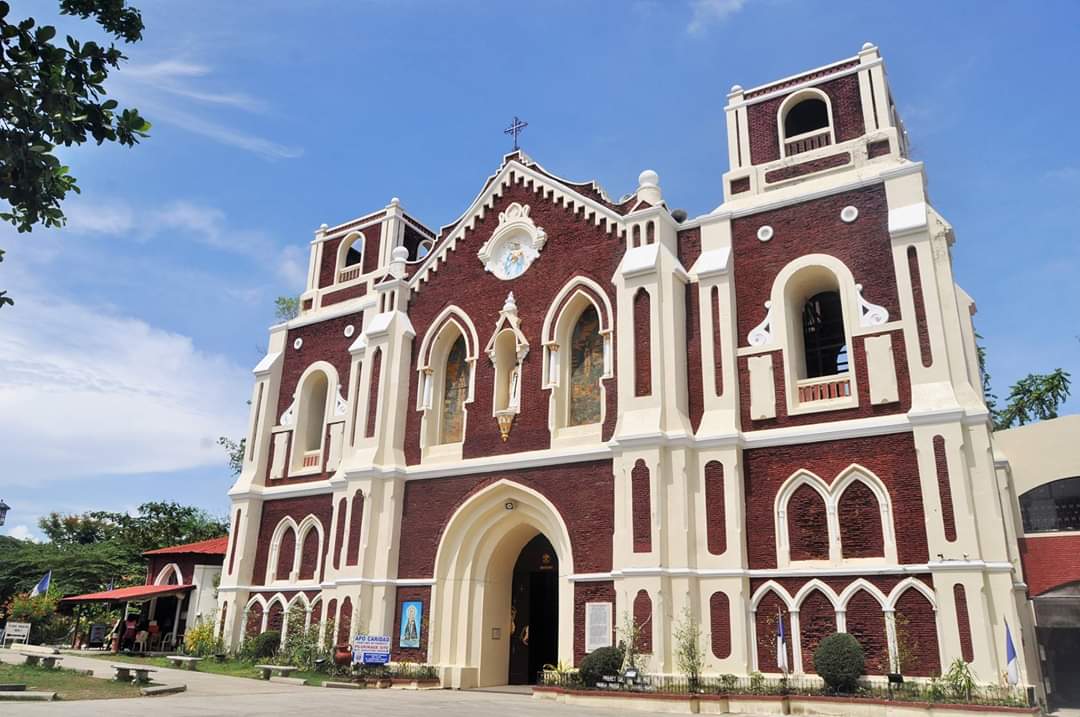
Bantay Church (St. Augustine Church)
Bantay, Bantay, Ilocos Sur, Philippines
171.2 km away
References
Sources consulted for this page. Source categories describe the publication, not a guarantee that every claim is verified. Traditional accounts and outside interpretations may differ.
- 01Manaoag | The Official Website of the Province of Pangasinan — pangasinan.gov.phofficialSupports site identity, history, or publicly described devotion; healing narratives are attributed beliefs, not clinical evidence.
- 02The Minor Basilica of Manaoag — manaoagminorbasilica.orgSource contextSupports site identity, history, or publicly described devotion; healing narratives are attributed beliefs, not clinical evidence.
- 03Who We Are | ManaoagMinorBasilica — manaoagminorbasilica.orgSource contextSupports site identity, history, or publicly described devotion; healing narratives are attributed beliefs, not clinical evidence.
- 04Coordinate reference for Minor Basilica of Our Lady of the Rosary of Manaoag — www.wikidata.orgSource contextIdentity and geographic positioning only; not used to approve religious claims or access policy.
- 05Who we are — Minor Basilica of ManaoagofficialSupports the attributed account or visitor practice in the healing section; not evidence of clinical efficacy.
- 06Prayer requests — Minor Basilica of ManaoagofficialSupports the attributed account or visitor practice in the healing section; not evidence of clinical efficacy.
Share a photo
Help visitors recognize Minor Basilica of Our Lady of the Rosary of Manaoag. Every submission is reviewed before publication.