Husain Tekri, Jaora
Karbala remembrance and a shared pilgrimage of petitions
Understand sacred places, explore living traditions, and learn how to engage respectfully with Pilgrim Map.
Access has not been verified. Check current local guidance before planning a visit.
Jaora, Madhya Pradesh, India
Read the sourcesVisit essentials
A quick read before you go
- Etiquette
- Follow directions about modest dress, head covering, and footwear.
Overview
Husain Tekri is a shrine complex near Jaora in Madhya Pradesh, associated with remembrance of Karbala and with pilgrims seeking relief from suffering. Muslims of different affiliations and visitors from other communities come here. Its ritual life has been studied through sustained ethnographic research, which helps explain how religious belonging, everyday care, and hopes for healing meet at the site.
Why this place is sacred
Pilgrims may interpret suffering through spiritual affliction, while researchers examine the social relationships and practices through which people seek help. These perspectives need not erase one another, but neither justifies diagnosing an individual from their behaviour. Religious participation must remain voluntary and should not displace necessary medical care.
Healing traditions
Shrine-origin and relief tradition
Husain Tekri's local account tells of riders understood as the martyrs of Karbala appearing at the future shrine and of water appearing where there had been none. The memorial complex became a place where people sought relief from suffering. These narratives explain the site's devotional authority; the reviewed material does not establish a named recovery or prove that spirits cause mental illness.
Ways to participate
Visit the memorial shrines respectfully and offer a prayer where welcomed. Ask custodians about ordinary public observances, while keeping any participation voluntary. Give people in distress privacy and space; do not take part in coercive practices or treat fire, smoke, or restraint as a route to healing.
These accounts describe religious traditions and reported experiences. They do not promise a cure or replace medical care.
Context and lineage
Local accounts link the shrine's emergence under the Nawabs of Jaora with extraordinary signs and the presence of Karbala's martyrs. One narrative describes riders understood as the martyrs' spirits and the appearance of water. These accounts explain the site's devotional authority, but should not be presented as verified events. The memorial shrines are not the original burial places of Imam Husayn and the other figures commemorated at Karbala.
Traditions and practice
Prayer, petitions, and rites described as hazri are associated with the complex, alongside commemorations linked to the Islamic calendar. A visitor should not seek out intense or private encounters as something to watch. Historic or ethnographic descriptions explain a practice; they do not authorize participation, photography, restraint, or intervention in another person's care.
Islam
ActiveThe shrine honours Husayn ibn Ali and the Karbala martyrs within this tradition.
Plan your visit
Use current local and shrine information for Husain Tekri outside Jaora in Ratlam district. Major commemorations can change crowding and access. Confirm transport, public visiting areas, and any arrangements needed for mobility limitations. Accommodation and care services should not be assumed from older accounts, and this guide does not present the shrine as a clinical provider.
Respectful visit
Follow directions about modest dress, head covering, and footwear. Do not photograph people in distress or collect personal testimonies without clear consent. Respect the different communities present without describing the site as belonging equally to every tradition. Quiet public worship and the complex's history can be appreciated without entering sensitive healing spaces.
Location
Map loads as you approach this section.
Pilgrim reflections
A portrait of encounter, not a score
Pilgrims describe what they felt, how present they could become, and whether the place would shape a journey. There are no stars and no ranking of traditions.
No reviewed reflections yet
The first pilgrims can help describe the character of being here.
Share a reflection
Available after an account-backed “Been there.” Every reflection is reviewed before publication.
Nearby sacred places
Explore other sacred places in the region. Proximity does not establish access or travel time; check each place’s guidance.
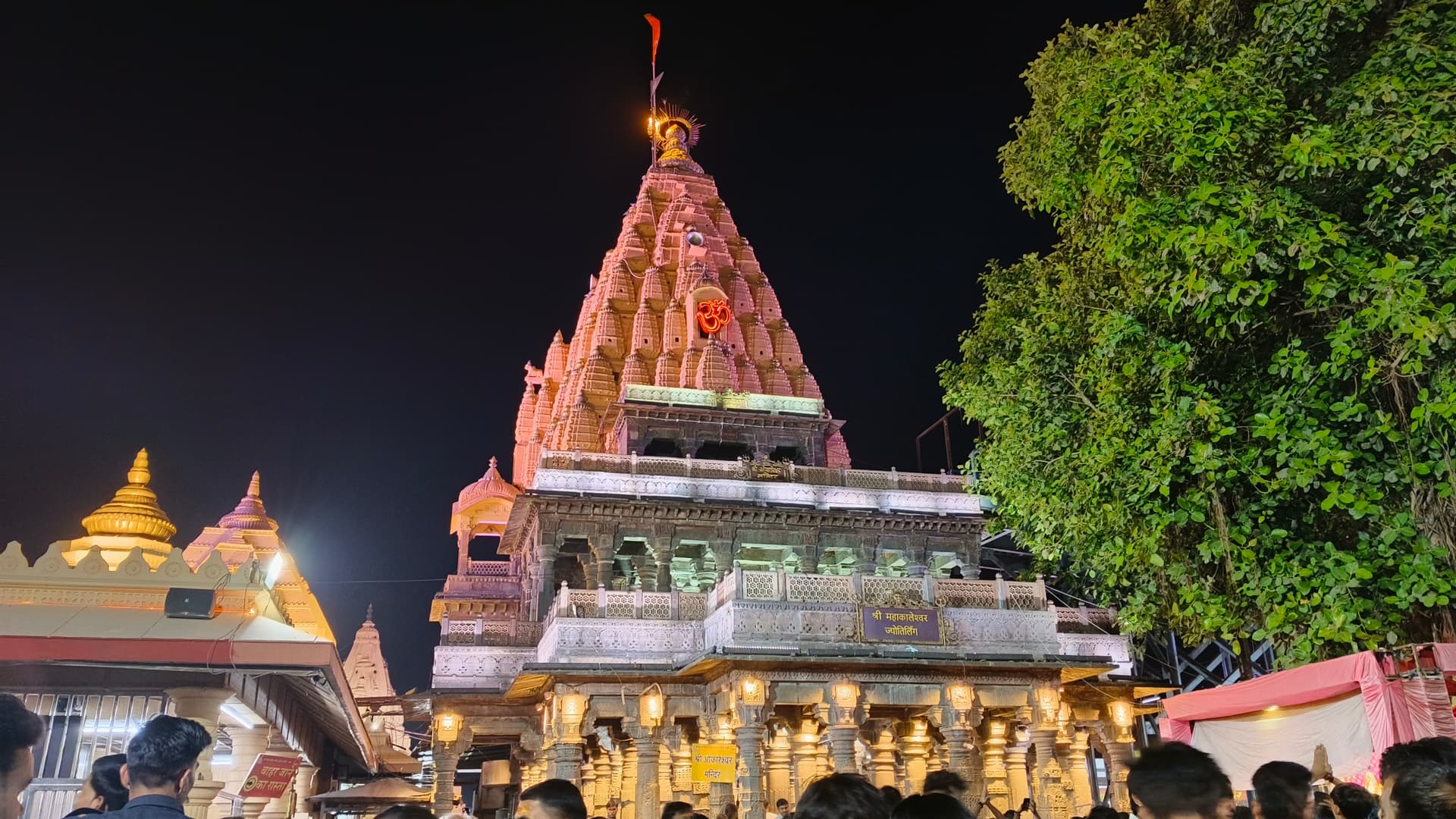
Mahakaleshwar Jyotirlinga Shiva Temple, Ujjain, Madhya Pradesh
Ujjain, Madhya Pradesh, India
82.4 km away
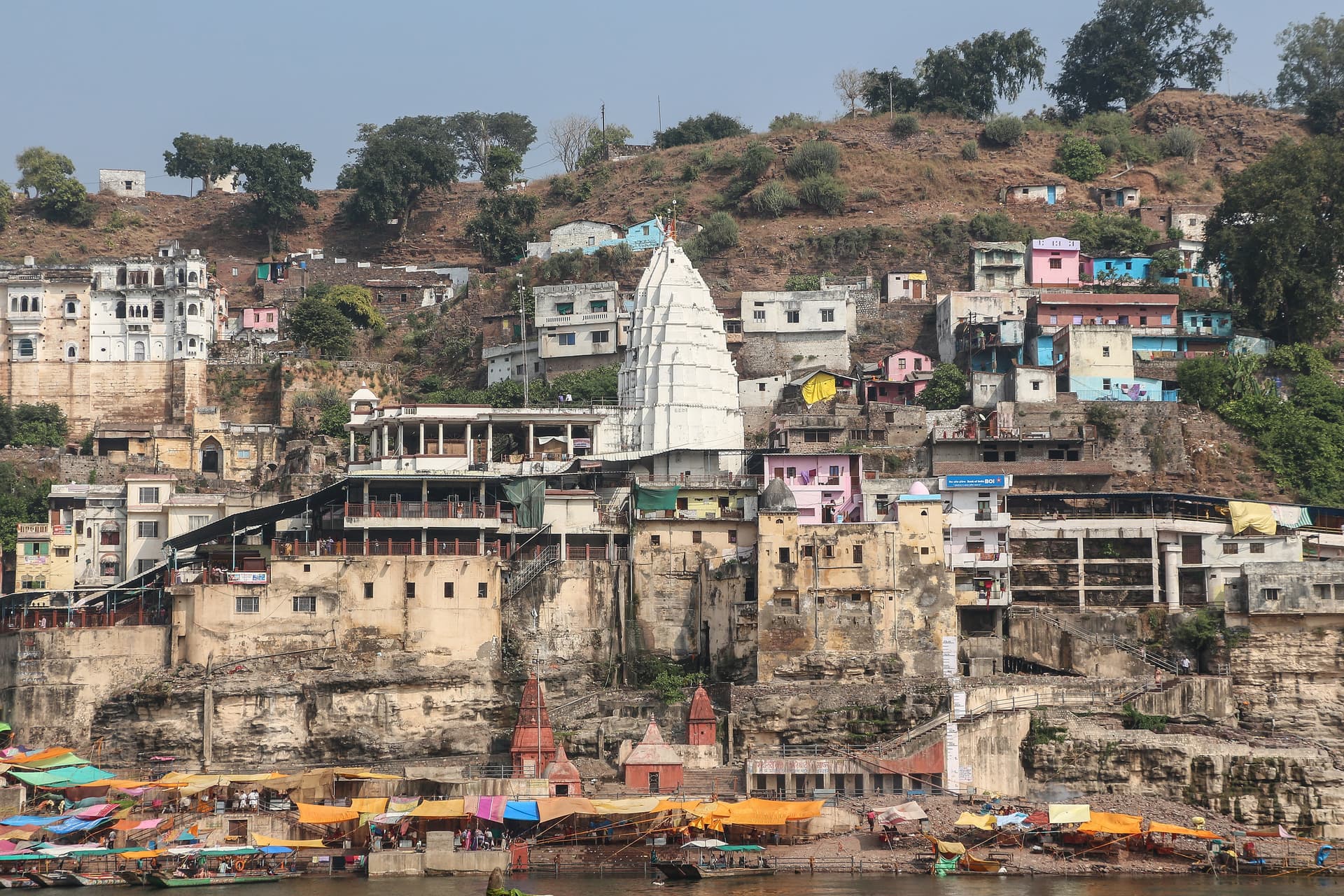
Omkareshwar Jyotir Linga Shiva temple, Omkareshwar, Madhya Pradesh
Omkareshwar, Madhya Pradesh, India
187.7 km away

Buddhist Monuments at Sanchi
Amkhera, Madhya Pradesh, India
264.8 km away
Saiyed Ali Mira Datar Dargah, Unava
Unava, Gujarat, India
284.1 km away
References
Sources consulted for this page. Source categories describe the publication, not a guarantee that every claim is verified. Traditional accounts and outside interpretations may differ.
- 01About – HusainTekri.in — hussaintekri.inSource contextSupports site identity, history, or publicly described devotion; healing narratives are attributed beliefs, not clinical evidence.
- 02Home - jaora Municipal Corporation — npjaora.inofficialSupports site identity, history, or publicly described devotion; healing narratives are attributed beliefs, not clinical evidence.
- 03The Powerful Ephemeral: Everyday Healing in an Ambiguously Islamic Place | JSTOR — jstor.orgacademicSupports site identity, history, or publicly described devotion; healing narratives are attributed beliefs, not clinical evidence.
- 04Coordinate reference for Husain Tekri, Jaora — www.urbipedia.orgSource contextIdentity and geographic positioning only; not used to approve religious claims or access policy.
- 05About Husain Tekri — local shrine accountofficialSupports the attributed account or visitor practice in the healing section; not evidence of clinical efficacy.
- 06The Powerful Ephemeral — ethnographic study of healing at Husain TekriacademicSupports the attributed account or visitor practice in the healing section; not evidence of clinical efficacy.
Share a photo
Help visitors recognize Husain Tekri, Jaora. Every submission is reviewed before publication.