Bhimashankar Shiva Jyotir Linga temple, Bhimashankar, Maharashtra
A Jyotirlinga deep in the Sahyadri forest, where Shiva's presence and a sacred river rise together
Understand sacred places, explore living traditions, and learn how to engage respectfully with Pilgrim Map.
Access has not been verified. Check current local guidance before planning a visit.
Bhimashankar, Maharashtra, India
Read the sources
Image of Bhimashankar Shiva Jyotir Linga temple, Bhimashankar, Maharashtra. Image source · CC-BY-3.0
Station Bhimashankar (commonly counted sixth) of 12
Twelve JyotirlingasVisit essentials
A quick read before you go
- Duration
- Half to full day for temple darshan; trekkers should allow a full day for the Shidi Ghat or…
- Access
- In the Sahyadri / Western Ghats, about 120–125 km from Pune (3.5–4.5 hours) and 210–225 km from…
Overview
Bhimashankar asks you to climb. It sits deep in the evergreen Sahyadri forest of the northern Western Ghats, mist-laden and green, and to reach it is already to enter a different register from the plains. It is one of the twelve Jyotirlingas — the self-manifested lingams of light, the most charged of all Shaiva shrines, where Shiva is believed to have appeared not as a made image but as a fiery column of his own presence.
Bhimashankar is commonly counted the sixth of the twelve.
Tradition holds that Shiva manifested here to destroy a demon named across sources as both Bhima, son of Kumbhakarna, and Tripurasura, then remained at the gods' request. The sacred Bhima river is said to spring from perspiration shed during that battle, collecting into a kund in the Sahyadris and flowing out as a living river.
The visible temple is largely eighteenth-century work over an older shrine, but the deeper experience is of its setting within the Bhimashankar Wildlife Sanctuary. The pristine Western Ghats forest shelters the Shekru, the Indian giant squirrel and Maharashtra's state animal. Here devotion and biodiversity are bound together, and the pilgrimage engages both worship and wonder at the wild.
Why this place is sacred
Bhimashankar's density gathers from three sources. As a Jyotirlinga, it is one of only twelve places where Shiva is held to have manifested directly as a column of light — a category of sacredness that draws pilgrims from across India and structures a major pan-Indian pilgrimage circuit. To stand before the lingam here is to stand at one of those twelve points of luminous presence.
The sanctity flows outward into the landscape. The Bhima river is said to rise from this very spot, born of the perspiration of the battle, so that a living, sacred waterway has its source in the shrine. And the whole place is wrapped in pristine evergreen forest, protected as a wildlife sanctuary and home to the rare Shekru, the Indian giant squirrel.
Here the sense of the sacred is expressed not only through ritual but through biodiversity — the mist, the green canopy, the elusive wildlife. The pilgrimage becomes as much an immersion in a wild mountain world as a temple visit.
A Shaiva temple enshrining the Bhimashankar Jyotirlinga, marking the place where Shiva is held to have manifested as light to destroy a demon and then remained at the gods' request.
An earlier shrine is attested in texts from the thirteenth century; the present sabhamandap and shikhara were built in the eighteenth century by Nana Phadnavis of the Peshwas, with earlier land granted by Shivaji. The temple has grown into a major all-India pilgrimage destination, drawing vast crowds at Mahashivratri and through the month of Shravan, while the surrounding forest has been protected as the Bhimashankar Wildlife Sanctuary, binding the shrine to a living ecosystem.
Experience and orientation
Pilgrims describe arriving into a serene, green, often mist-laden world — the Sahyadri forest closing around the approach to the temple. The darshan itself, especially during festivals, means long queues, but devotees speak of them as moving rather than merely tiring: the slow procession toward the Jyotirlinga becomes part of the devotion. Abhishekam of the lingam with water, milk and bilva, and the daily aartis, mark the temple's ritual life.
For those who come on foot, the experience deepens. Trekkers climb the ghat routes — Shidi Ghat, Ganesh Ghat — and report the thrill of the ascent and, if they are fortunate, sightings of the elusive Shekru high in the canopy. The combination is unusual: intense Jyotirlinga devotion fused with immersion in a wild, protected forest. A visit here can engage both worship and a quieter wonder at the living landscape, the two reinforcing each other rather than competing.
Reach Bhimashankar by road, about 120–125 km from Pune (3.5–4.5 hours) and 210–225 km from Mumbai (5–6 hours), or on foot via the Khandas trek routes (Shidi Ghat, Ganesh Ghat). Remove footwear before entering and keep silence in the garbhagriha queue. Take darshan of the Jyotirlinga; on permitted days and with booking you may join the abhishekam. Photography is prohibited inside the sanctum.
If you trek or explore the forest, follow the wildlife-sanctuary rules — stay on trails, do not feed animals — and watch the canopy at dawn or dusk for the Shekru.
Context and lineage
Tradition holds that the demon Bhima, son of Kumbhakarna, performed severe penance, gained a boon, and terrorised the worlds; Shiva manifested here as Bhimashankar and destroyed him, then remained at the gods' request — though across the sources the demon's name appears as both Bhima and Tripurasura. The Bhima river is said to spring from the perspiration shed by Shiva, or by the assembled gods, during the battle, collecting into a kund in the Sahyadris.
The shrine is referenced in texts from the thirteenth century; the present sabhamandap and shikhara were built in the eighteenth century by Nana Phadnavis of the Peshwas, with earlier land granted to the temple by Shivaji. A separate Bhimashankar in Assam and other claimants create an ongoing debate over which is the canonical sixth Jyotirlinga; this entry concerns the widely accepted Maharashtra Sahyadri site.
Shaivism within Hinduism, in the Jyotirlinga tradition, with Peshwa-era Maratha patronage; the surrounding forest now held under wildlife-sanctuary protection.
Shiva (as Bhimashankar)
Presiding deity
Bhima / Tripurasura
The demon
Nana Phadnavis
Builder of the present structure
Shivaji
Earlier patron
Traditions and practice
Abhishekam — ritual bathing of the lingam with water, milk and bilva — together with daily aartis forms the core of worship. The Mahashivratri night observance and Kartik Purnima, which commemorates the victory over the demon, are the great occasions.
Daily darshan runs roughly from 4:30 AM to 9:30 PM. Abhishekam is permitted inside the sanctum on auspicious days — Mondays, Pradosh, through Shravan, and at Mahashivratri — until about 6 PM, and otherwise until about 2 PM; VIP darshan passes are available during peak periods. Many pilgrims combine the visit with trekking the ghat routes.
Let the approach through the forest be part of the pilgrimage rather than just transit. If you can, time abhishekam on a permitted day, or simply join the darshan queue and let its slow rhythm settle you. Afterward, give time to the sanctuary — walk a stretch of forest trail, watch the canopy for the Shekru — and let worship and wonder at the wild reinforce each other.
Hinduism (Shaivism)
ActiveOne of the twelve Jyotirlingas — self-manifested lingams of light — of Lord Shiva, commonly counted as the sixth. Shiva is venerated as Bhimashankar, who manifested here after vanquishing the demon Bhima/Tripurasura. The sacred Bhima river is said to rise from this spot.
Daily darshan and aartis; abhishekam of the lingam; intensified worship on Mondays, Pradosh, through Shravan, at Kartik Purnima and Mahashivratri.
Perspectives and open questions
Bhimashankar is read as a Peshwa-era Jyotirlinga temple, a place of Shiva's luminous presence, and a node in a wider Jyotirlinga symbolism; these readings stand together.
Scholarly perspective
Recognised as a Jyotirlinga Shaiva pilgrimage temple in Nagara/Hemadpanthi style; the visible structure is largely eighteenth-century Peshwa-era work over an older, textually attested shrine.
Living and traditional perspectives
Venerated as the abode where Shiva remained after destroying the demon Bhima; the Bhima river's source carries its own sanctity in regional devotion.
Alternative interpretations
Among the twelve Jyotirlingas, Bhimashankar is associated in some traditions with particular planetary or directional symbolism within the wider Jyotirlinga mandala.
Open questions
The original shrine's age is uncertain, and several regions contest which Bhimashankar is the canonical sixth Jyotirlinga.
Plan your visit
Access and arrival
In the Sahyadri / Western Ghats, about 120–125 km from Pune (3.5–4.5 hours) and 210–225 km from Mumbai (5–6 hours); reachable by road, or on foot via the Khandas trek routes.
Basic lodging is available near the temple and in the surrounding area; Pune offers the nearest full range of accommodation.
Respectful visit
Modest dress; footwear removed before entering; silence in the garbhagriha queue.
Prohibited inside the sanctum; follow on-site instructions elsewhere. No smoking or alcohol on the premises.
Water, milk, bilva (bel) leaves and flowers for abhishekam are customary.
Avoid littering and loud noise; respect wildlife-sanctuary rules on forest trails — no feeding animals, stay on trails.
Monsoon ghat treks are slippery and risky; choose the season carefully. Respect wildlife-sanctuary rules on the forest trails — no feeding animals, stay on the paths.
Current practical details
Address
mandir, Bhimashankar, Manchar, Maharashtra 410509, India
Phone
Hours, fees, and access can change — verify on the official source before you travel. Practical details last checked Jun 2026.
Location
Map loads as you approach this section.
Pilgrim reflections
A portrait of encounter, not a score
Pilgrims describe what they felt, how present they could become, and whether the place would shape a journey. There are no stars and no ranking of traditions.
No reviewed reflections yet
The first pilgrims can help describe the character of being here.
Share a reflection
Available after an account-backed “Been there.” Every reflection is reviewed before publication.
Nearby sacred places
Explore other sacred places in the region. Proximity does not establish access or travel time; check each place’s guidance.

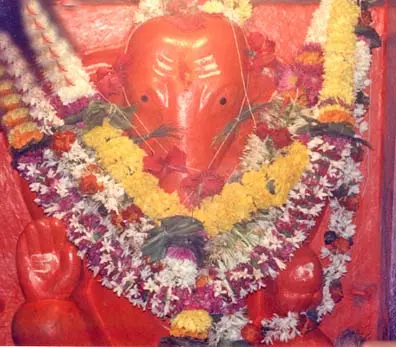

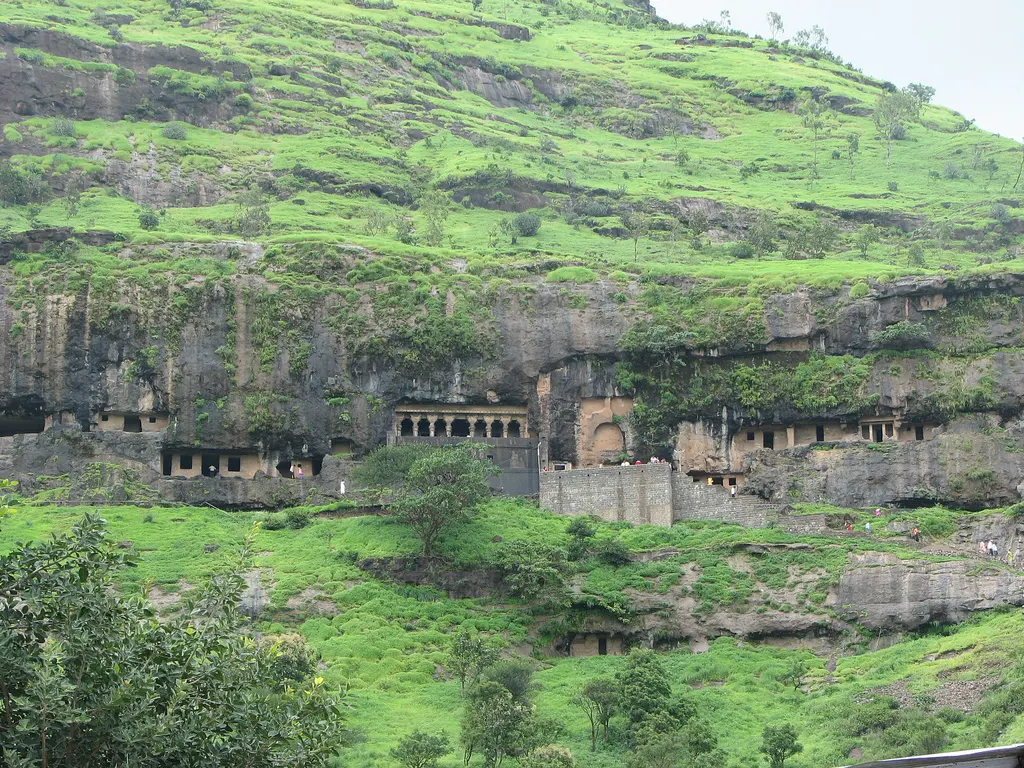
References
Sources consulted for this page. Source categories describe the publication, not a guarantee that every claim is verified. Traditional accounts and outside interpretations may differ.
- 01Bhimashankar Temple — Wikipedia — Wikipedia contributorsacademicConfirms Jyotirlinga status, Nagara/Hemadpanthi architecture, 18th-c. Sabhamandap and shikhara by Nana Phadnavis, Shivaji's land grant, source of the Bhima river.
- 02Bhimashankar — Department of Tourism, Government of Maharashtra — Maharashtra TourismofficialOfficial tourism page confirming Jyotirlinga status and Sahyadri location.
- 03Bhimashankar Temple, Pune | Jyotirlinga | Shivtirtha Bhimashankar — Bhimashankar Temple TrustofficialOfficial temple-trust site for schedule and pilgrimage information.
- 04Bhimashankar Jyotirlinga Temple in Maharashtra — Behind Every TempleSource contextArchitectural and legendary detail; Sahyadri setting and wildlife context.
- 05Bhimashankar Jyotirlinga — the most serene temple of Shiva — TirthayatraSource contextTripurasura legend, origin of the Bhima river from Shiva's sweat, Kartik Purnima victory.
- 06Bhimashankar Wildlife Sanctuary — LearnUPSCofficialConfirms sanctuary protects northern Western Ghats forest and the Indian giant squirrel (Shekru), Maharashtra's state animal.
- 07Bhimashankar Temple Darshan Timings 2026, VIP Pass, Aarti & Pooja Time — TempleDarshanTime.comSource contextDarshan ~4:30 AM-9:30 PM, abhishekam timing rules, Mahashivratri/Shravan crowds, VIP booking.
- 08Bhimashankar Jyotirlinga Travel Guide: Timings, How to Reach, Trek Routes, Sanctuary Highlights — Tisreo TourSource contextTrek routes (Shidi Ghat, Ganesh Ghat), distances from Pune (~120-125 km) and Mumbai, best season Nov-Feb.
Photo gallery
3 curated photos
Pilgrim glossary
- Mandala
- A symbolic diagram of the cosmos used in meditation and ritual.
Share a photo
Help visitors recognize Bhimashankar Shiva Jyotir Linga temple, Bhimashankar, Maharashtra. Every submission is reviewed before publication.