Bửu Long Pagoda
Bửu Long: Theravada discipline gathered around stupa and alms
Understand sacred places, explore living traditions, and learn how to engage respectfully with Pilgrim Map.
Access has not been verified. Check current local guidance before planning a visit.
Long Bình, Ho Chi Minh City, Vietnam
Read the sources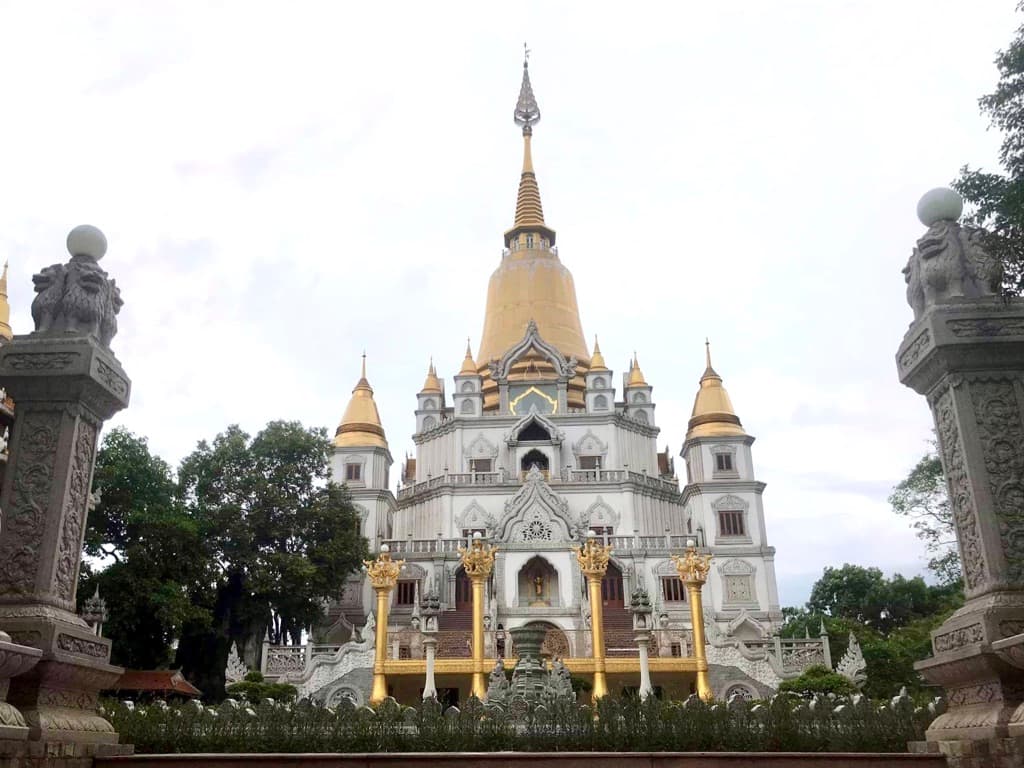
Bửu Long Pagoda in Thủ Đức, Ho Chi Minh City, Vietnam. Image source · CC BY-SA 4.0
Visit essentials
A quick read before you go
- Duration
- Leave time for the stupa setting and the monastery's quieter devotional core.
- Access
- Google's strong exact record supplies 81 Nguyễn Xiển and a contact number.
Overview
The stupa complex gives Bửu Long a strong public silhouette, but its religious center is disciplined practice. Theravada monastic life joins meditation, teaching, and almsgiving to reverence for Śākyamuni. Alms are especially important to interpret carefully: giving supports the monastic community and expresses a relationship between lay and ordained life, not a transaction purchasing spiritual advantage. Visitors may arrive for the architecture and find a quieter order than expected. Public paths, worship areas, and residential spaces carry different permissions.
The research securely identifies a Southeast Asian Theravada setting but does not authorize detailed claims about every visual influence. The page therefore names the broader devotional context while leaving unsupported stylistic attribution aside.
Why this place is sacred
Bửu Long's spacious forms can produce awe, yet Theravada practice asks for a more measured response. A stupa gathers remembrance and reverence; meditation gathers the mind; almsgiving sustains reciprocal religious life. These functions explain sacredness more securely than visual spectacle or claims of energetic calm.
The monastery serves Theravada worship, meditation, monastic discipline, and lay support through almsgiving.
A working monastery now receives many architecture-focused visitors from across metropolitan Ho Chi Minh City.
Experience and orientation
Distance can make the complex appear ceremonial before the resident community becomes visible. Slow down near halls and learn where public circulation ends. If monks are moving for daily tasks, leave their route open rather than asking for a photograph. A period of stillness in a permitted area can clarify the difference between scenic quiet and formal meditation.
Locate the stupa, Buddha worship area, meditation spaces, public courtyards, and monastic residences.
Context and lineage
The current sources support the exact Thủ Đức monastery, its stupa complex, Theravada identity, meditation, almsgiving, and monastic function. They do not settle every building date or stylistic genealogy. No UNESCO World Heritage designation is claimed.
Theravada Buddhism gives the complex its monastic, meditative, and alms-based religious order.
Śākyamuni Buddha
teacher and principal focus of Theravada reverence
Traditions and practice
Worship may include bows, chanting, meditation, and giving accepted food or necessities to the monastic community. Timing and form matter. Visitors should not hand items to monks or stage an alms gesture without guidance from the monastery.
Resident monastic practice and lay devotion continue amid substantial architectural tourism.
Observe how open stupa space and a quieter meditation area ask for different postures of attention.
Theravada Buddhism
ActiveBửu Long sustains stupa devotion, meditation, almsgiving, and monastic discipline within the city.
Bows, chanting, meditation, teaching, alms, and lay support follow monastery guidance.
Perspectives and open questions
Stupa architecture, Theravada discipline, almsgiving, meditation, and metropolitan tourism offer separate lines of interpretation.
Scholarly perspective
The site makes Buddhist diversity within Vietnam visible. Comparison with Mahayana pagodas can be useful only when Theravada categories are allowed to speak for themselves. Architecture matters, but practice explains why the institution remains sacred.
Living and traditional perspectives
Reverence for Śākyamuni is joined to discipline, meditation, and the reciprocal support of the monastic sangha.
Open questions
No automatic calm, merit, or blessing is promised by circling the stupa or making an unguided gift.
Plan your visit
Access and arrival
Google's strong exact record supplies 81 Nguyễn Xiển and a contact number. Treat both as dated operational evidence and ask the monastery about same-day ceremony access.
No retreat or visitor lodging is promised; use licensed accommodation unless the monastery confirms a program.
Respectful visit
Cover shoulders and knees and remove shoes wherever marked.
Ask before including monks, meditation, or giving; keep equipment out of stupa and altar approaches.
Use monastery-approved donation or alms arrangements rather than approaching a monk spontaneously.
Residential quarters, reserved meditation areas, altar platforms, and closed stupa interiors remain restricted.
Do not equate ornate form with luxury or describe almsgiving as payment for guaranteed merit.
Current practical details
Address
81 Nguyễn Xiển, Long Bình, Hồ Chí Minh 71300, Vietnam
Phone
Hours
Hours, fees, and access can change — verify on the official source before you travel. Practical details last checked Jul 2026.
Location
Map loads as you approach this section.
Pilgrim reflections
A portrait of encounter, not a score
Pilgrims describe what they felt, how present they could become, and whether the place would shape a journey. There are no stars and no ranking of traditions.
No reviewed reflections yet
The first pilgrims can help describe the character of being here.
Share a reflection
Available after an account-backed “Been there.” Every reflection is reviewed before publication.
Nearby sacred places
Explore other sacred places in the region. Proximity does not establish access or travel time; check each place’s guidance.

Jade Emperor Pagoda
Ho Chi Minh City, Ho Chi Minh City, Vietnam
17.8 km away
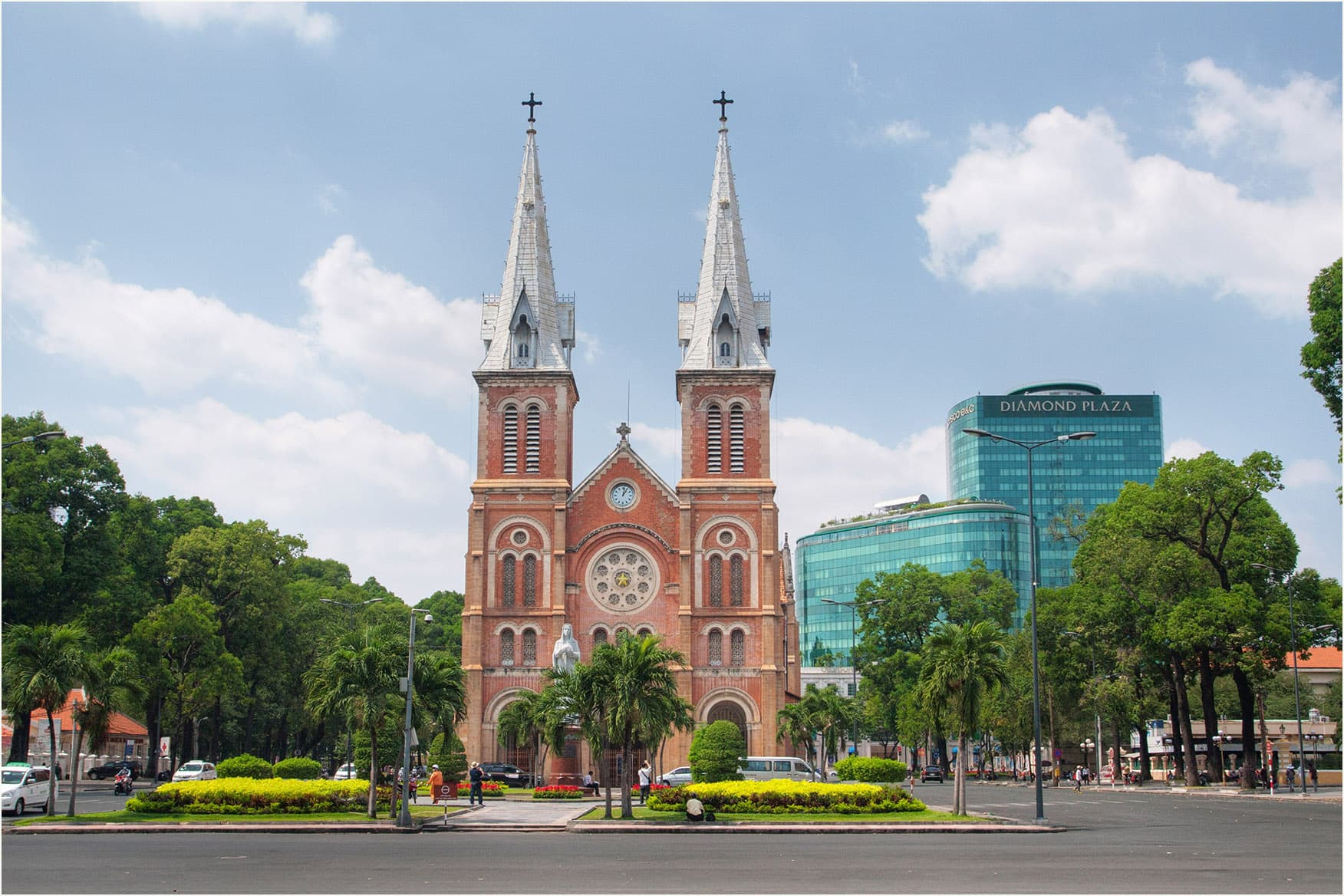
Notre-Dame Cathedral Basilica of Saigon
Sài Gòn, Ho Chi Minh City, Vietnam
18.5 km away

Mariamman Hindu Temple, Ho Chi Minh City
District 1, Ho Chi Minh City, Vietnam
19.3 km away
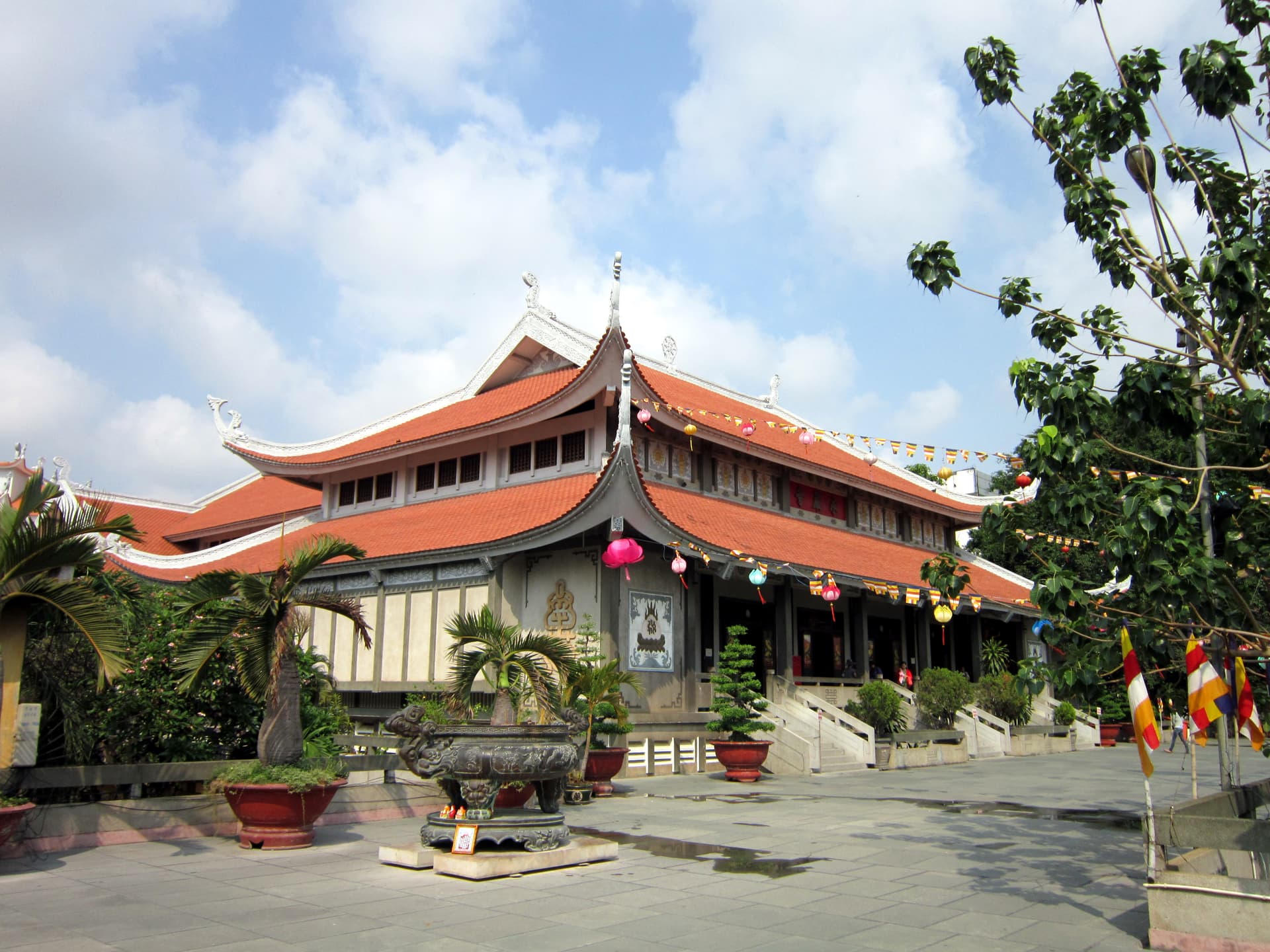
Vĩnh Nghiêm Pagoda, Ho Chi Minh City
Xuân Hòa, Ho Chi Minh City, Vietnam
19.4 km away
References
Sources consulted for this page. Source categories describe the publication, not a guarantee that every claim is verified. Traditional accounts and outside interpretations may differ.
- 01Báu vật ở ngôi chùa không khói nhang — Giáo hội Phật giáo Việt NamofficialExact Buddhist-authority feature for Bửu Long identity, Theravada lineage, Śākyamuni-only image practice, history, and incense-free visitor conduct.
- 02Vietnam National Authority of Tourism — Vietnam National Authority of TourismofficialNational tourism authority context; no weak Google Places fields were persisted.
- 03Ban Văn hóa Trung ương GHPGVN khảo sát chùa Bửu Long — Giác Ngộ Online, Vietnam Buddhist SanghaspiritualExact Buddhist-authority report corroborating the temple identity and Gotama stupa as the veneration place for relics of Śākyamuni and holy disciples.
- 04National Assembly approves provincial-level administrative reorganization — Government of Viet NamofficialAuthoritative 2025 successor-province and municipality boundaries.
- 05Buu Long Pagoda — Google PlacesofficialStrong exact-entity practical metadata from the authoritative current preflight.
- 06Vietnamese-language reference search for Chùa Bửu Long — Vietnamese Wikipedia contributorsacademicDiscovery reference only; unsupported details were not promoted into factual prose.
Pilgrim glossary
- Stupa
- A dome-shaped Buddhist monument that holds relics or marks a sacred place.
- Sangha
- The community of Buddhist practitioners, traditionally monks and nuns.
Share a photo
Help visitors recognize Bửu Long Pagoda. Every submission is reviewed before publication.