Boljuni Stećak Necropolis
A careful encounter with Boljuni Stećak Necropolis
Understand sacred places, explore living traditions, and learn how to engage respectfully with Pilgrim Map.
Access has not been verified. Check current local guidance before planning a visit.
Boljuni, Boljuni, Stolac Municipality, Herzegovina-Neretva Canton, Bosnia and Herzegovina
Read the sources
Image of Boljuni Stećak Necropolis. Image source
Visit essentials
A quick read before you go
- Duration
- Allow enough unhurried time to follow the permitted route at Boljuni Stećak Necropolis; shorten…
- Access
- Check the most current official, parish, municipal, museum, or custodian source before setting…
Overview
Boljuni Stećak Necropolis is the archaeological site identified by reviewed authorities in Boljuni. It belongs to Bosnia and Herzegovina's religious and cultural history, while archaeological stewardship, continuing research, and conservation carry its present meaning. The guide draws on 3 contextual sources plus separately checked image provenance, substantial evidence that does not make every date, access condition, or devotional interpretation equally certain. Respect means receiving what custodians and evidence show while leaving room for what the record does not establish.
Why this place is sacred
For Boljuni Stećak Necropolis, a threshold can feel different when generations have crossed it with prayer, grief, obligation, or care. At Boljuni Stećak Necropolis, that human continuity is more defensible than any claim about measurable spiritual energy. For Boljuni Stećak Necropolis, the archaeological site gathers physical form, remembered use, and the evidence of ancient ritual traditions into one location in Boljuni.
For Boljuni Stećak Necropolis, visitors may experience quiet, compression, openness, distance, or attention more sharply there, but such responses remain personal. The source-backed claim is narrower: Boljuni Stećak Necropolis has been identified, located, interpreted, and protected as a distinct sacred or heritage place. For Boljuni Stećak Necropolis, keeping that boundary clear allows contemplation without appropriating the community's meaning or presenting an inward response as proof.
The reviewed record treats Boljuni Stećak Necropolis according to its documented archaeological site identity and Ancient context. For Boljuni Stećak Necropolis, where an original purpose, dedication, or ritual sequence is not explicitly supported, this guide leaves it unresolved rather than filling the silence.
The life of Boljuni Stećak Necropolis is read through surviving fabric, institutional memory, present stewardship, and changing visitor conditions. For Boljuni Stećak Necropolis, those layers are related, but the page does not assume that a medieval, archaeological, or founding-era meaning survives unchanged.
Experience and orientation
Let the approach to Boljuni Stećak Necropolis establish orientation. For Boljuni Stećak Necropolis, notice whether the place is entered from a village street, a monastic court, a museum path, or open terrain, and attend to the point where ordinary movement becomes regulated by worship or conservation. For Boljuni Stećak Necropolis, inside or near the archaeological site, allow your eyes and hearing to adjust before reaching for a camera.
The useful questions at Boljuni Stećak Necropolis are concrete: what is still used, what is protected, what is repaired, what remains inaccessible, and what can be understood only through the people or scholarship responsible for it?
Use the mapped point for Boljuni Stećak Necropolis as orientation, not as permission. For Boljuni Stećak Necropolis, follow the recognized entrance, posted route, and staff or community direction; do not substitute a nearby chapel, monastery, ruin, or viewpoint when the named identity is closed.
Context and lineage
The available authority set identifies Boljuni Stećak Necropolis precisely as the archaeological site in Boljuni; no additional founding date, architect, or stylistic label is promoted where the reviewed sources do not support one. For Boljuni Stećak Necropolis, boljuni is a named UNESCO World Heritage component; UNESCO's Stolac documentation describes its 274 tombstones, inscriptions and distinctive iconography.
These statements belong to the historical record for Boljuni Stećak Necropolis; devotional accounts, later memory, and present visitor interpretation are kept in their own lanes. For Boljuni Stećak Necropolis, when sources disagree or omit a detail, the omission remains visible instead of being harmonized into a false certainty.
The relevant lineage for Boljuni Stećak Necropolis includes local communities, archaeological teams, heritage custodians, and the people responsible for conservation. For Boljuni Stećak Necropolis, the page does not invent named founders or artists where none are verified.
Traditions and practice
The practices once associated with Boljuni Stećak Necropolis cannot be reconstructed with certainty from the surviving record. For Boljuni Stećak Necropolis, this guide names only practices supported by the reviewed status and does not infer a local calendar, rite, or pilgrimage custom from the building type alone.
At Boljuni Stećak Necropolis, move as a witness to an archaeological landscape rather than as someone recreating a lost rite. Let the surviving fabric, terrain, and conservation boundaries at Boljuni Stećak Necropolis set the pace; do not climb, trace, touch, or rearrange features in pursuit of a photograph or personal ritual.
For a personal practice at Boljuni Stećak Necropolis, pause at the recognized threshold, read the site-specific guidance, and choose one feature to observe without trying to possess it. For Boljuni Stećak Necropolis, you might trace the relationship between structure and landscape with your eyes, sit silently where seating is clearly permitted, or write a brief note only after leaving.
At Boljuni Stećak Necropolis, restraint is a form of attention: no staged ritual, touching, incense, candle, offering, or movement should be introduced without explicit permission.
Ancient
HistoricalThe reviewed sources place Boljuni Stećak Necropolis within ancient ritual and settlement history; the page treats that association as archaeological interpretation rather than a surviving creed.
Any practice at Boljuni Stećak Necropolis follows verified present use and local instruction. Historic forms are not recreated where evidence or authority is absent.
Perspectives and open questions
Boljuni Stećak Necropolis can be read through community tradition, historical evidence, conservation practice, and personal response. For Boljuni Stećak Necropolis, these perspectives may illuminate one another, but the page does not force them into a single explanation.
Scholarly perspective
Scholarly and official records establish the identity, location, and documented context of Boljuni Stećak Necropolis. For Boljuni Stećak Necropolis, the detailed evidence is summarized in the historical section above rather than retold here. For Boljuni Stećak Necropolis, where that evidence remains incomplete, the responsible scholarly position is to preserve the gap, distinguish a surviving structure from a reconstructed practice, and avoid certainty borrowed from repetition online.
Living and traditional perspectives
No living community tradition is assigned to the ancient practices once associated with Boljuni Stećak Necropolis. For Boljuni Stećak Necropolis, archaeological sources support ritual interpretation, but the lost participants cannot explain the place in their own words; modern spiritual readings therefore remain distinct from historical evidence.
Alternative interpretations
Some visitors may bring symbolic or esoteric readings to Boljuni Stećak Necropolis. For Boljuni Stećak Necropolis, such readings remain personal or alternative unless a cited community or scholarly source documents them; they must not be relabeled as ancient teaching, local tradition, or archaeological conclusion.
Open questions
What remains unknown at Boljuni Stećak Necropolis includes dynamic access details and any historical claim omitted by the authority set. No additional mystery is manufactured from those gaps. For Boljuni Stećak Necropolis, uncertainty here is part of the record, not a problem to solve with confident prose.
Plan your visit
Access and arrival
Check the most current official, parish, municipal, museum, or custodian source before setting out for Boljuni Stećak Necropolis; the editorial review confirms the mapped archaeological site in Boljuni, but it does not establish permanent public hours. At Boljuni Stećak Necropolis, a locked door, service in progress, restoration barrier, or posted closure must be treated as controlling.
No accommodation claim for Boljuni Stećak Necropolis has been verified. For Boljuni Stećak Necropolis, use established lodging in or near Boljuni and never assume a monastery, parish, or shrine can host visitors.
Respectful visit
Choose modest clothing suitable for the sacred or protected setting at Boljuni Stećak Necropolis; if local signs or custodians specify head, shoulder, leg, footwear, or worship-space rules, follow them without debate.
Ask before photographing the interior of Boljuni Stećak Necropolis, and never photograph worshippers, clergy, graves, icons, relics, manuscripts, or conservation work when permission is absent or unclear.
Bring no offering to Boljuni Stećak Necropolis unless the community publishes or directly explains an appropriate form. For Boljuni Stećak Necropolis, a donation box, ticket, candle stand, or ritual object should be used only as locally instructed.
At Boljuni Stećak Necropolis, barriers, locked areas, private doors, sanctuary limits, archaeological edges, and monastic enclosure are not invitations to search for another way in. For Boljuni Stećak Necropolis, children and groups should remain close enough to avoid noise or accidental contact.
Do not treat Boljuni Stećak Necropolis as an empty backdrop for spiritual performance. For Boljuni Stećak Necropolis, active prayer, funerary space, enclosure, archaeological deposits, fragile art, and restoration work each create limits that override a visitor's preferred experience.
Location
Map loads as you approach this section.
Pilgrim reflections
A portrait of encounter, not a score
Pilgrims describe what they felt, how present they could become, and whether the place would shape a journey. There are no stars and no ranking of traditions.
No reviewed reflections yet
The first pilgrims can help describe the character of being here.
Share a reflection
Available after an account-backed “Been there.” Every reflection is reviewed before publication.
Nearby sacred places
Explore other sacred places in the region. Proximity does not establish access or travel time; check each place’s guidance.

Radimlja Stećak Necropolis
Near Stolac, Near Stolac, Herzegovina-Neretva Canton, Bosnia and Herzegovina
8.2 km away
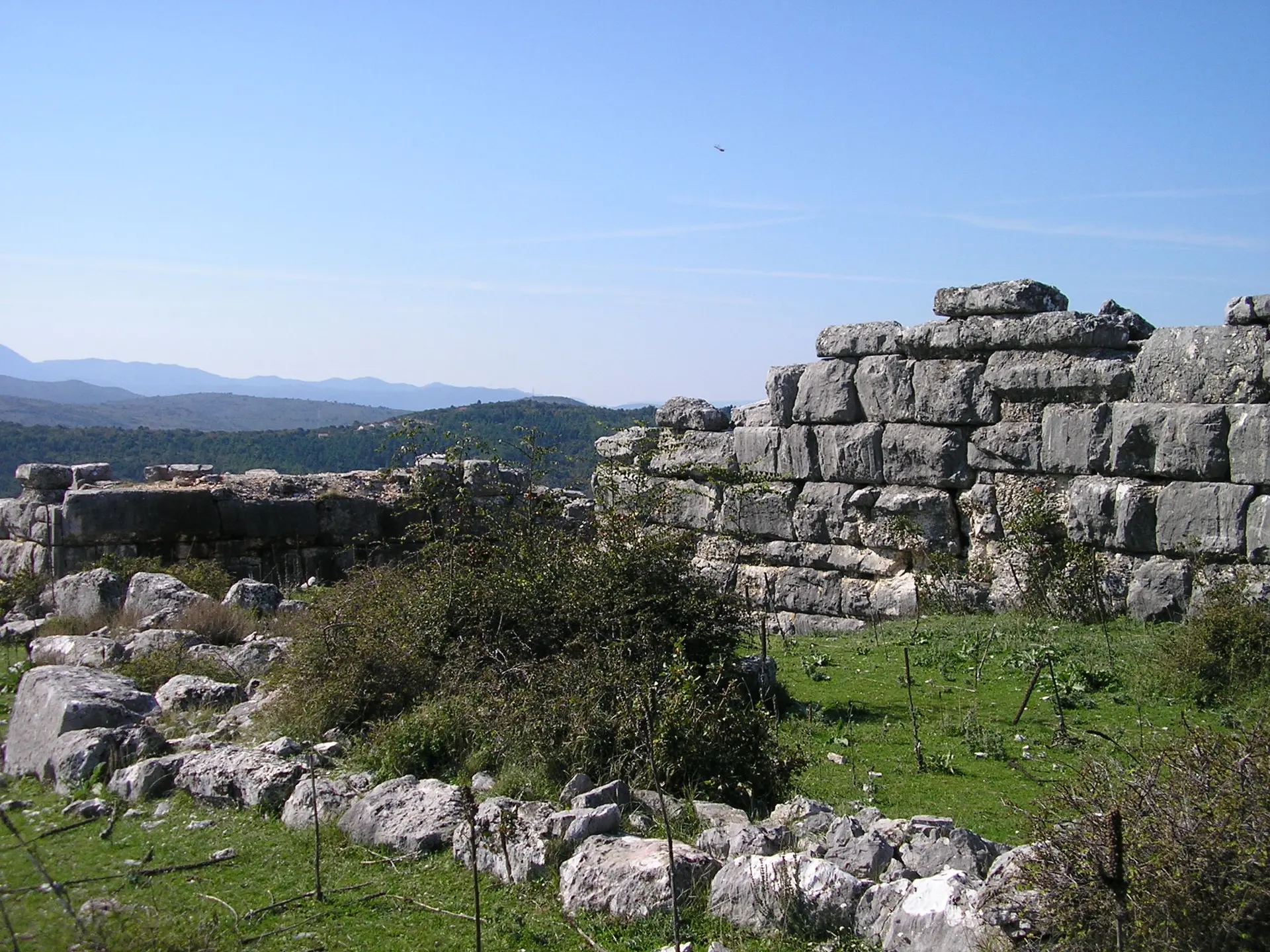
Daorson megalithic site, Bosnia
Poprati, Herzegovina-Neretva, Bosnia and Herzegovina
9.5 km away
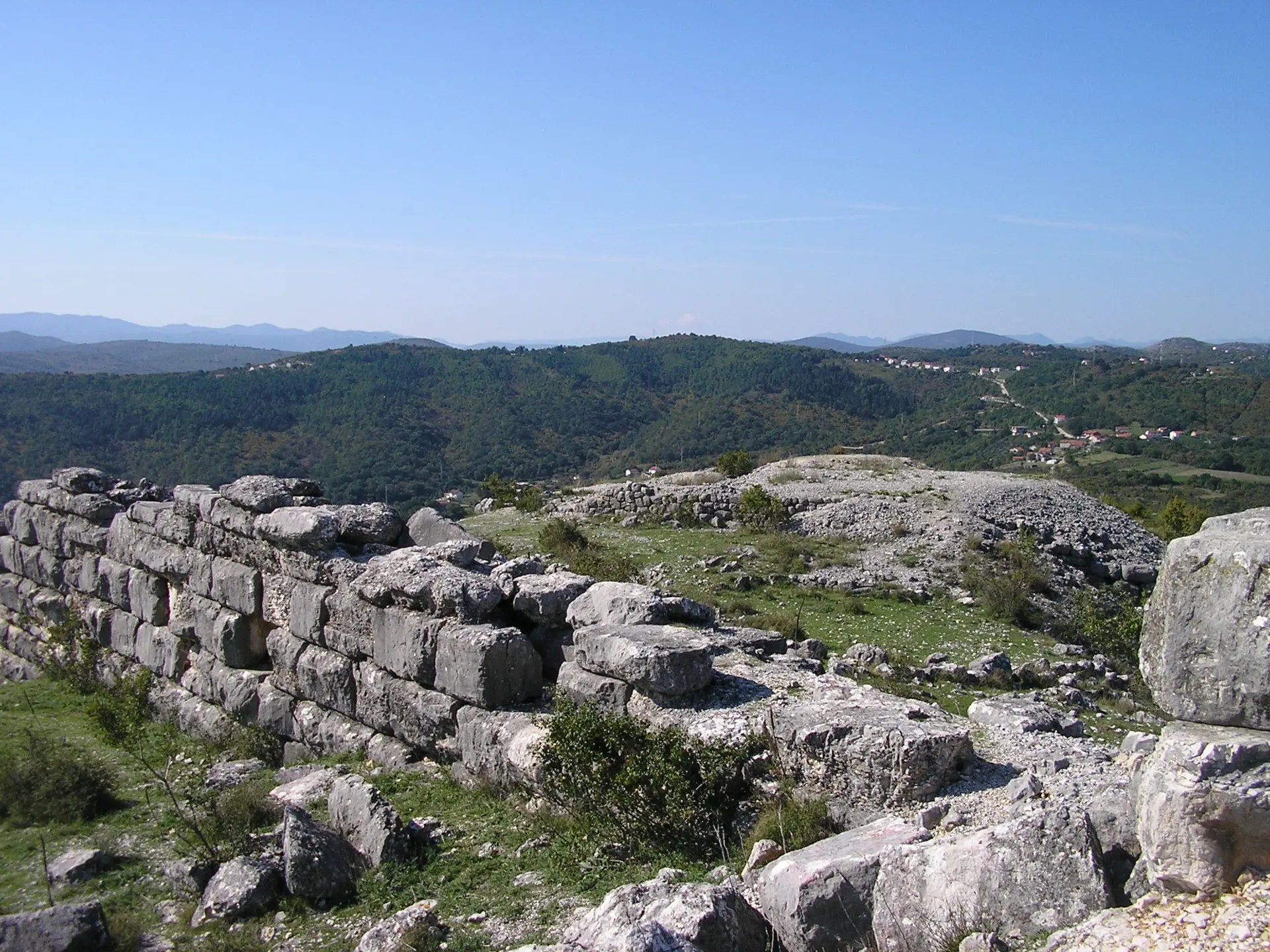
Daorson Illyrian City
Stolac, Herzegovina-Neretva, Bosnia and Herzegovina
9.5 km away

Žitomislić Monastery
Žitomislići, Žitomislići, Mostar, Herzegovina-Neretva Canton, Bosnia and Herzegovina
20.7 km away
References
Sources consulted for this page. Source categories describe the publication, not a guarantee that every claim is verified. Traditional accounts and outside interpretations may differ.
- 01Stećci Medieval Tombstone Graveyards - Maps - UNESCO World Heritage Centre — whc.unesco.orgofficialSupports identity, location, heritage, religious context, or present-day use only to the extent stated by this source.
- 02The natural and architectural ensemble of Stolac - UNESCO World Heritage Centre — whc.unesco.orgofficialSupports identity, location, heritage, religious context, or present-day use only to the extent stated by this source.
- 03Stećci Medieval Tombstone Graveyards - UNESCO World Heritage Centre — whc.unesco.orgofficialSupports identity, location, heritage, religious context, or present-day use only to the extent stated by this source.
- 04Image provenance for Boljuni Stećak Necropolis — Ma ▀ ▄ GaacademicExact image-subject and reuse-license provenance only; not used for historical or devotional claims.
Share a photo
Help visitors recognize Boljuni Stećak Necropolis. Every submission is reviewed before publication.