Akal Takht, Amritsar, Punjab
Part ofSri Harmandir Sahib (The Golden Temple), Amritsar, Punjab
The Throne of the Immortal — the highest seat of temporal authority in Sikhism
Understand sacred places, explore living traditions, and learn how to engage respectfully with Pilgrim Map.
Access has not been verified. Check current local guidance before planning a visit.
Amritsar, Punjab, India
Read the sources
Image of Akal Takht, Amritsar, Punjab. Image source · CC-BY-SA-4.0
Station 1 of 5
Five Takhts of SikhismVisit essentials
A quick read before you go
- Duration
- 1–3 hours, often combined with a fuller visit to the Golden Temple complex.
- Access
- Within the Sri Harmandir Sahib (Golden Temple) complex in Amritsar, Punjab; well connected by…
Overview
The Akal Takht — the Throne of the Immortal — stands within the Golden Temple complex in Amritsar, directly facing the Harmandir Sahib across the Amrit Sarovar. The arrangement is deliberate and theological: the Harmandir Sahib answers to the spiritual life of the soul, and the Akal Takht to the just ordering of the world. Between them runs the doctrine that defines Sikh sovereignty — miri-piri, the conviction that temporal authority and spiritual devotion are not two things but one.
Raised in 1606 as the Akal Bunga by Guru Hargobind, the sixth Guru, it is the first and supreme of the Five Takhts — the seat from which the whole community gathers as the Sarbat Khalsa and the Jathedar issues hukamnamas binding on Sikhs everywhere.
The Akal Takht is also a place marked by suffering, destroyed during Operation Blue Star in 1984 and rebuilt in a reconstruction still contested within the Panth. To stand before it today, with Gurbani sounding across the water and the langar feeding all comers nearby, is to encounter a living institution that has held collective Sikh sovereignty from a single seat for more than four centuries.
Why this place is sacred
The thinness of the Akal Takht lies less in solitude than in concentration. Here the Sikh community's deepest principle — that the life of the spirit and just action in the world cannot be separated — is given architectural form, set in dialogue with the Harmandir Sahib across the water. For over four hundred years the collective will of the Khalsa has been voiced from this one seat.
It is also a place of remembered loss: the 1984 destruction and rebuilding are present in living memory. Visitors often describe a charged stillness here, a sense of both serenity and weight, where reverence and history are inseparable.
Raised by Guru Hargobind in 1606 as the Akal Bunga, a seat of sovereignty facing the Harmandir Sahib, to declare that the Guru's authority embraced both temporal and spiritual life.
From its founding it became the place where the Sarbat Khalsa gathers and the Jathedar issues hukamnamas. Destroyed during Operation Blue Star in June 1984 and rebuilt — through a government-sponsored reconstruction later rejected by parts of the Panth, then rebuilt again, the structure reopening for prayers on Baisakhi 1997 — it continues today as the supreme temporal seat of the Sikh faith.
Experience and orientation
Most visitors first take in the Akal Takht from across the Amrit Sarovar, where it rises in gold and marble opposite the Harmandir Sahib. The recitation of Gurbani carries over the water almost without pause. Within the wider complex, the rhythms of seva and langar shape the atmosphere as much as the architecture, and people speak of a palpable sense of equality here.
To pay respects at the Takht is to enter a place that is at once devotional and historic, where the ceremonial life of the throne continues daily.
The Akal Takht stands within the Sri Harmandir Sahib (Golden Temple) complex in Amritsar, facing the Harmandir Sahib across the Amrit Sarovar. Cover your head, remove and store footwear, and wash your feet before entering. Move with reverence; observe rather than disturb the ceremonial life.
Context and lineage
At his succession in 1606 Guru Hargobind, the sixth Guru, donned two swords symbolising miri (temporal authority) and piri (spiritual authority), and raised the Akal Bunga as a seat of sovereignty facing the Harmandir Sahib. From it the Sarbat Khalsa gathers and the Jathedar issues hukamnamas, asserting that the Guru's authority encompasses both the soul and the social order.
The foundation is historically placed at 15 June 1606, though it is liturgically commemorated around 2 July — a difference of calendar that remains unresolved in detail.
Sikhism. The Akal Takht is the first and supreme of the Five Takhts, the seats of temporal authority in the faith, and stands at the heart of the Sri Harmandir Sahib complex.
Guru Hargobind
Sixth Guru and founder
Bhai Gurdas
Scholar and builder
Baba Buddha
Revered elder
The Jathedar of the Akal Takht
Custodian of authority
Traditions and practice
Recitation of Gurbani and ardas; the ceremonial opening and closing of the Takht; gatherings of the Sarbat Khalsa; the issuing of hukamnamas; and observance of the Takht's foundation anniversary.
Daily worship, seva, and langar in the surrounding complex continue, alongside the ongoing role of the Jathedar in guiding the worldwide Sikh community.
Let the visit unfold slowly. Sit and listen to the kirtan carrying across the pool; take part in langar and seva, which are open to all; and reflect on the dialogue between the two structures facing each other — the spiritual and the temporal held together. Observe the ceremonial life of the Takht with reverence rather than as spectacle.
Sikhism
ActiveFounded by Guru Hargobind in 1606 as the Akal Bunga, the Akal Takht ('Throne of the Immortal') is the first and supreme of the Five Takhts and the highest seat of temporal authority for the Khalsa. It embodies miri-piri — the union of temporal and spiritual power — and faces the Harmandir Sahib, balancing worldly justice with spiritual guidance.
Daily worship and recitation of Gurbani; deliberations of the Sikh leadership; the issuing of hukamnamas by the Jathedar; and the convening of the Sarbat Khalsa.
Perspectives and open questions
The meaning of the Akal Takht is firmly rooted in Sikh doctrine, with its modern history the subject of living, sometimes contested, debate.
Scholarly perspective
Scholars identify the Akal Takht as the institutional birthplace of Sikh temporal sovereignty — the point at which miri-piri was given a standing seat — and as the supreme of the Five Takhts whose Jathedar issues binding hukamnamas.
Living and traditional perspectives
Sikh tradition reveres the Akal Takht as the throne of Akal Purakh — the Timeless One — the earthly seat from which the collective will of the Khalsa is voiced and the Panth is guided.
Alternative interpretations
No esoteric reinterpretation is prominent; the Takht's meaning rests firmly on the Sikh doctrine of the inseparability of spiritual and temporal life.
Open questions
Debate continues within the community over aspects of the 1984 reconstruction and the proper exercise of the Takht's authority — living questions rather than mysteries. The exact reconciliation of the historical (15 June 1606) and observed (2 July) foundation dates is also not fully resolved.
Plan your visit
Access and arrival
Within the Sri Harmandir Sahib (Golden Temple) complex in Amritsar, Punjab; well connected by air, rail and road. Entry is free; head covering and shoe storage are provided without charge.
Free and donation-based pilgrim lodging (sarais) operate within and around the complex; Amritsar also offers a full range of hotels.
Respectful visit
Heads covered by everyone; modest clothing covering shoulders and knees; avoid shorts, sleeveless tops and tight clothing.
Permitted in many outdoor areas of the complex but restricted in certain interiors and during ceremonies; follow signage and respect worshippers.
Voluntary donations and seva; partaking of langar is encouraged. No alcohol, tobacco or chewing gum may be brought in.
Remove and store footwear and wash feet before entering; no smoking, alcohol or intoxicants; maintain reverence and avoid disturbing worshippers.
The 1984 destruction and the contested reconstruction are profoundly sensitive within the Sikh community; approach this history with care and take no partisan position.
Current practical details
Address
JVCG+753 Harmandir Sahib, Golden Temple Rd, Atta Mandi, Katra Ahluwalia, Amritsar, Amritsar Cantt., Punjab 143006, India
Phone
Hours
Hours, fees, and access can change — verify on the official source before you travel. Practical details last checked Jun 2026.
Location
Map loads as you approach this section.
Pilgrim reflections
A portrait of encounter, not a score
Pilgrims describe what they felt, how present they could become, and whether the place would shape a journey. There are no stars and no ranking of traditions.
No reviewed reflections yet
The first pilgrims can help describe the character of being here.
Share a reflection
Available after an account-backed “Been there.” Every reflection is reviewed before publication.
Nearby sacred places
Explore other sacred places in the region. Proximity does not establish access or travel time; check each place’s guidance.

Sri Harmandir Sahib (The Golden Temple), Amritsar, Punjab
Amritsar, Punjab, India
0.1 km away
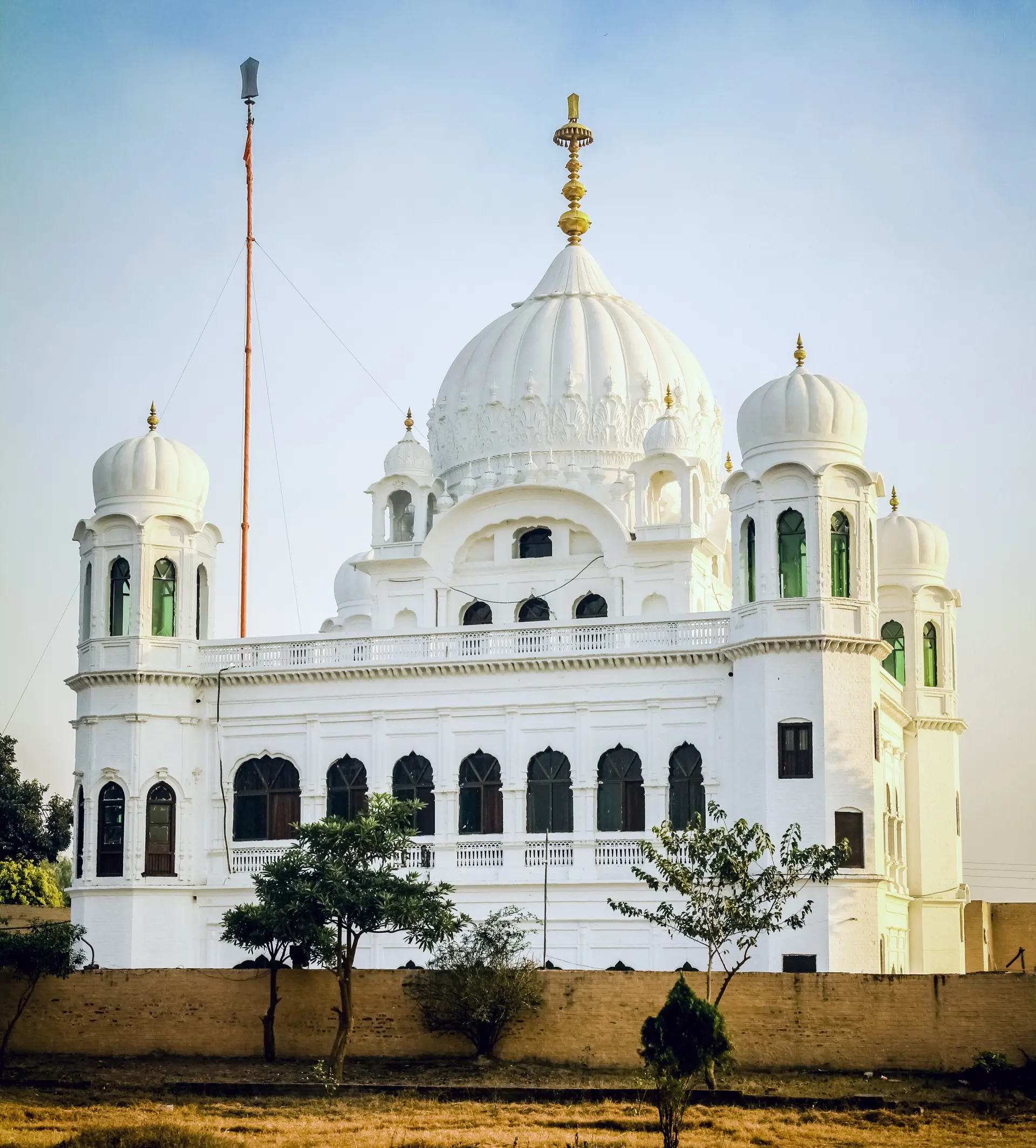
Gurdwara Darbar Sahib, Kartarpur, Pakistan
Kartarpur, Punjab, Pakistan
53.6 km away

Bhagsunag Sacred Spring Kund
Bhagsu, Himachal Pradesh, India
154.2 km away
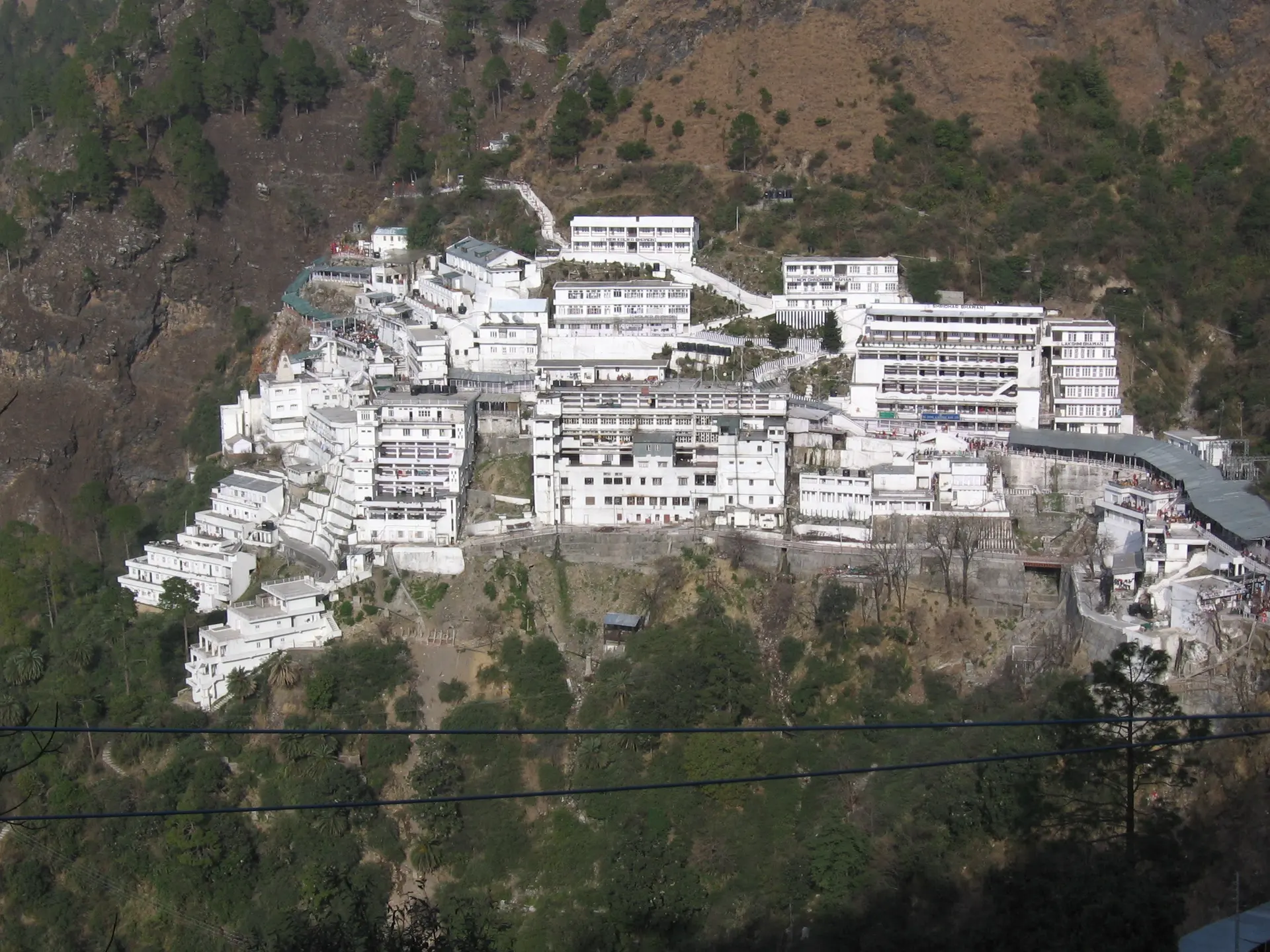
Vaishno Devi Temple, Jammu
Vaishno Devi, Jammu and Kashmir, India
157.0 km away
References
Sources consulted for this page. Source categories describe the publication, not a guarantee that every claim is verified. Traditional accounts and outside interpretations may differ.
- 01Akal Takht — Britannica — Encyclopaedia BritannicaacademicEstablished 1606 by Guru Hargobind for temporal matters; highest seat of earthly authority for the Khalsa; hukamnamas binding on all Sikhs; located in the Darbar Sahib complex.
- 02Akal Takht Sahib — Throne of Sikh Authority at Golden Temple — Golden Temple Amritsar (SGPC-linked site)officialOfficial description of the Akal Takht within the complex, its authority, Jathedar and daily worship.
- 03Golden Temple Rules & Guidelines | Visitor Etiquette — Golden Temple AmritsarofficialOfficial visitor rules: head covering, shoe removal and foot-washing, modest dress, no tobacco/alcohol, silence and reverence within the complex.
- 04Akal Takht — Wikipedia — Wikipedia contributorsacademicFoundation by Guru Hargobind 1606 as Akal Bunga; miri-piri; first and supreme of the Five Takhts; seat of the Jathedar; 1984 destruction and reconstruction history.
- 05History of the Akal Takhat — SikhNet — SikhNetspiritualSikh-community account of the founding, the two swords of miri and piri, and the Takht's role as seat of temporal authority opposite the Harmandir Sahib.
- 06Operation Blue Star — Wikipedia — Wikipedia contributorsacademicJune 1984 army assault; tanks firing 105mm shells destroyed the Akal Takht; subsequent controversial reconstruction.
- 07Sri Akal Takht Sahib — Discover Sikhism — Discover SikhismspiritualFounding ceremony, two kirpans of miri-piri, role of Bhai Gurdas and Baba Buddha in construction, significance as seat of justice.
Share a photo
Help visitors recognize Akal Takht, Amritsar, Punjab. Every submission is reviewed before publication.