Tiruchendur Subramaniya Swamy Temple
Murugan's seaside abode and a pilgrimage of protection and renewal
Understand sacred places, explore living traditions, and learn how to engage respectfully with Pilgrim Map.
Access has not been verified. Check current local guidance before planning a visit.
Tiruchendur, Tamil Nadu, India
Read the sourcesVisit essentials
A quick read before you go
- Etiquette
- Dress respectfully, remove footwear at the appropriate boundary, and follow photography…
Overview
Tiruchendur's Subramaniya Swamy Temple stands beside the sea in southern Tamil Nadu. It is one of Murugan's six principal abodes, drawing pilgrims for darshan, vows, and major festivals. Prayers for health belong within this broader devotion to Murugan as protector and teacher. The coastal setting and sacred water traditions make the place distinctive without turning it into a generic bathing or wellness destination.
Why this place is sacred
For devotees, Murugan's victory can express protection and the overcoming of suffering. The nearby Nazhi Kinaru well has its own place in pilgrimage and purification. A sacred association with water should not be confused with a guarantee of its suitability for drinking or with evidence that bathing treats illness.
Healing traditions
Healing hymn and devotional narrative
The Subrahmanya Bhujangam is traditionally associated with Adi Shankara's visit to Tiruchendur. Devotional introductions describe him praying to Subrahmanya during serious illness, while the hymn appeals to the deity for relief and protection. The account gives the temple's healing reputation a specific voice in sacred poetry, rather than establishing a medical effect of ash or recitation.
Ways to participate
Offer a prayer to Murugan or read a translation of a short passage from the hymn. Ask temple staff about ordinary darshan and the proper handling of prasadam. Do not ingest sacred ash as medicine or enter the sea when conditions or your health make bathing unsafe.
These accounts describe religious traditions and reported experiences. They do not promise a cure or replace medical care.
Context and lineage
The temple tradition places Murugan here before and after his defeat of Surapadman and the asuras. In the sacred narrative, he worshipped Shiva at this place, and the coastal sanctuary preserves the memory of that encounter. Kanda Sashti and Soorasamharam continue to recall the victory in the festival calendar. The temple's material fabric also reflects successive patronage and rebuilding in response to the effects of the sea and weather.
Traditions and practice
Puja, darshan, and vow fulfillment structure visits throughout the year, with large gatherings for the principal Murugan festivals. Ask the temple about current access to the well and other devotional spaces. Sea conditions and official directions take priority over descriptions of customary bathing; no ritual requires a visitor to enter unsafe water.
Hinduism
ActiveThe shrine honours Murugan within this tradition.
Plan your visit
Use the Tamil Nadu temple administration's current information for Tiruchendur. The public heritage archive at tiruchendur.org offers religious context but should not be mistaken for a live booking authority. Plan for coastal heat, queues, and rest, and confirm suitable access if walking or standing is difficult. Festival transport and entry arrangements can differ from an ordinary day.
Respectful visit
Dress respectfully, remove footwear at the appropriate boundary, and follow photography restrictions. Do not step across offerings or block processions. Give people performing vows space and privacy. Participate only in practices you understand and freely choose, without assuming that a demanding act produces a better health outcome.
Location
Map loads as you approach this section.
Pilgrim reflections
A portrait of encounter, not a score
Pilgrims describe what they felt, how present they could become, and whether the place would shape a journey. There are no stars and no ranking of traditions.
No reviewed reflections yet
The first pilgrims can help describe the character of being here.
Share a reflection
Available after an account-backed “Been there.” Every reflection is reviewed before publication.
Nearby sacred places
Explore other sacred places in the region. Proximity does not establish access or travel time; check each place’s guidance.

Arulmigu Nellaiappar Temple, Tirunelveli, Tamil Nadu
Tirunelveli, Tamil Nadu, India
54.9 km away
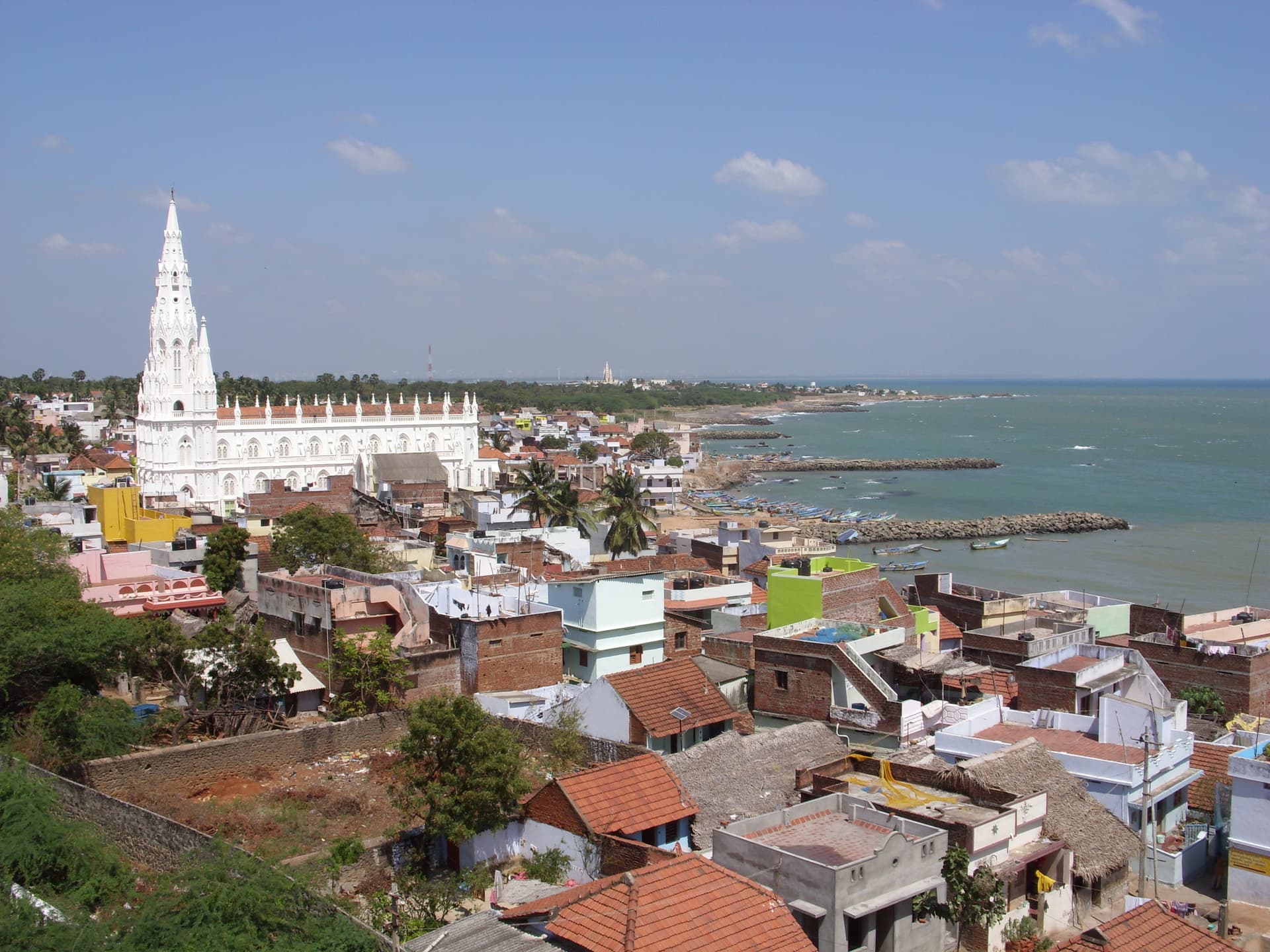
Our Lady of Ransom Church, Kanyakumari
Kanyakumari, Tamil Nadu, India
78.2 km away
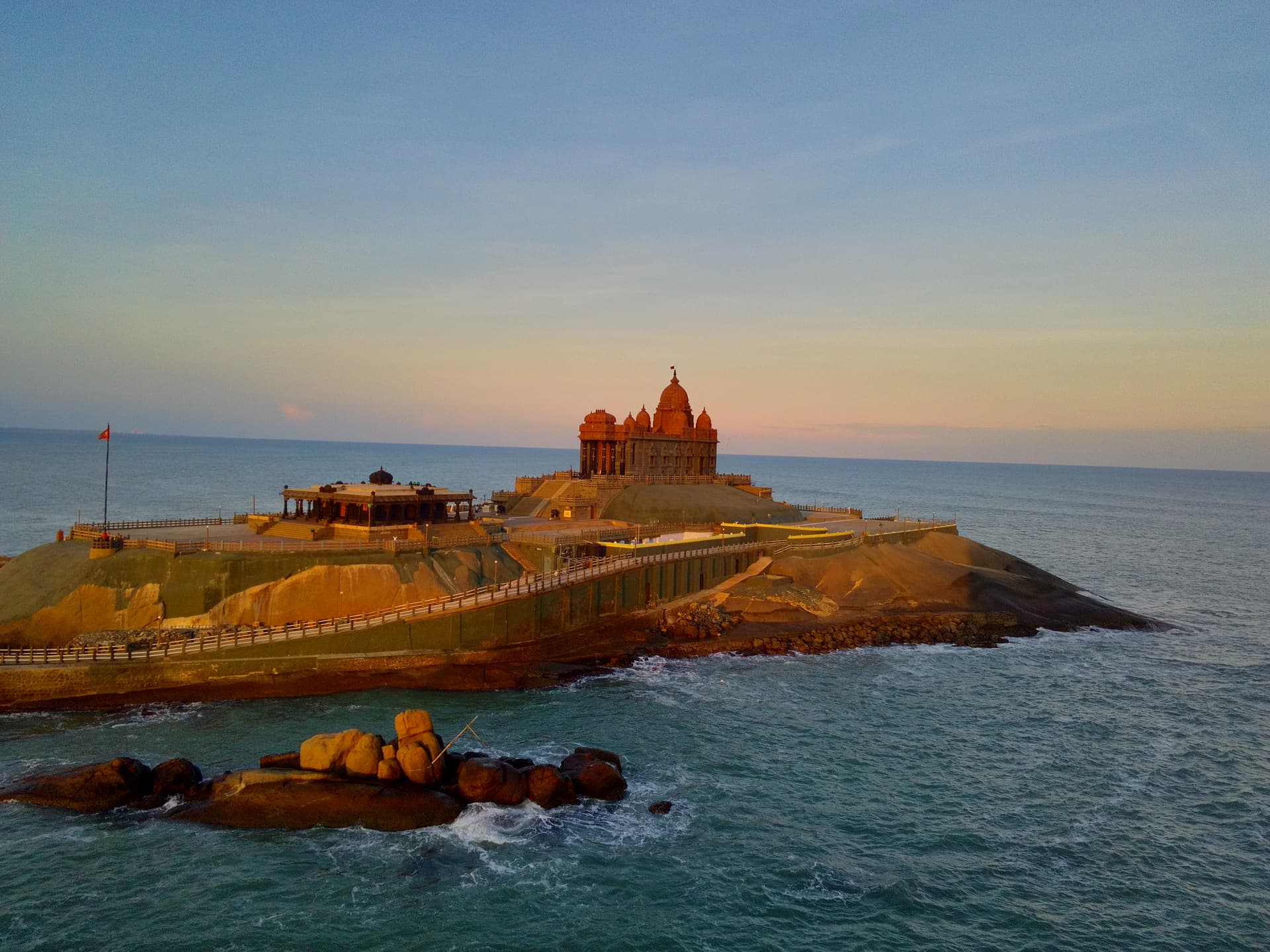
Vivekananda Rock Memorial, Kanyakumari
Kanyakumari, Tamil Nadu, India
78.7 km away

Agasthiyar Falls (Papanasam)
Tamil Nadu, India
87.3 km away
References
Sources consulted for this page. Source categories describe the publication, not a guarantee that every claim is verified. Traditional accounts and outside interpretations may differ.
- 01Events & Festivals in India | A Ministry of Tourism Initiative — utsav.gov.inofficialSupports site identity, history, or publicly described devotion; healing narratives are attributed beliefs, not clinical evidence.
- 02History – Tiruchendur Śrī Subrahmanya Swāmi Devasthānam — tiruchendur.orgSource contextSupports site identity, history, or publicly described devotion; healing narratives are attributed beliefs, not clinical evidence.
- 03Śrī Subramanya Swami Devasthanam, Tiruchendur – Tiruchendur Śrī Subrahmanya Swāmi Devasthānam — tiruchendur.orgSource contextSupports site identity, history, or publicly described devotion; healing narratives are attributed beliefs, not clinical evidence.
- 04Subramaniya Swamy Temple, Tiruchendur — en.wikipedia.orgSource contextSupports site identity, history, or publicly described devotion; healing narratives are attributed beliefs, not clinical evidence.
- 05Coordinate reference for Tiruchendur Subramaniya Swamy Temple — www.wikidata.orgSource contextIdentity and geographic positioning only; not used to approve religious claims or access policy.
- 06Subrahmanya Bhujangam — Sanskrit textspiritualSupports the attributed account or visitor practice in the healing section; not evidence of clinical efficacy.
- 07Subrahmanya Bhujangam tradition — South Indian SocietyspiritualSupports the attributed account or visitor practice in the healing section; not evidence of clinical efficacy.
Share a photo
Help visitors recognize Tiruchendur Subramaniya Swamy Temple. Every submission is reviewed before publication.