Stavronikita Monastery
A small Athonite monastery poised above the Aegean
Understand sacred places, explore living traditions, and learn how to engage respectfully with Pilgrim Map.
Access has not been verified. Check current local guidance before planning a visit.
Mount Athos, monastic community of Mount Athos, Greece
Read the sources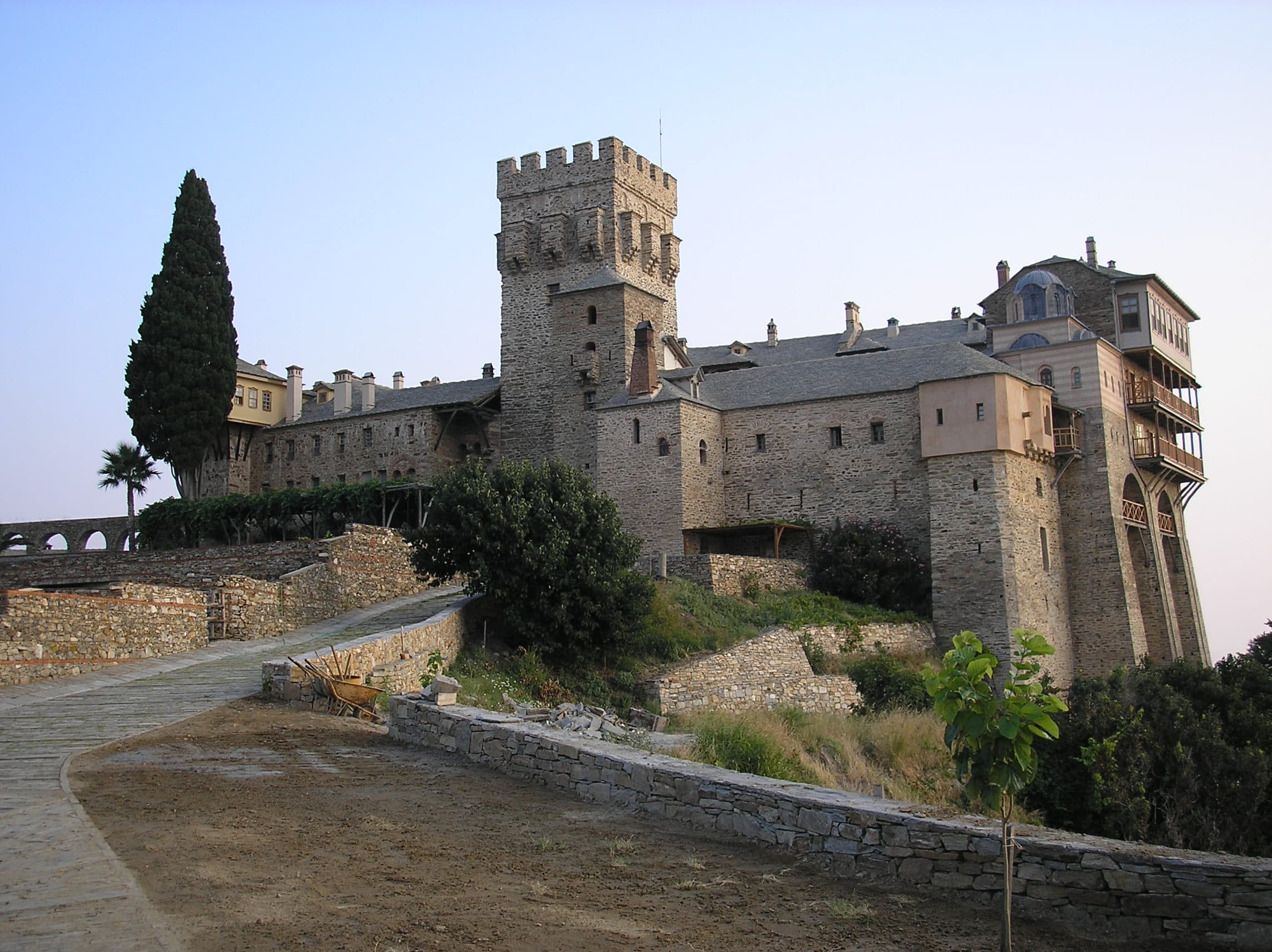
Stavronikita Monastery - rights-reviewed Wikimedia image. Image source · CC BY-SA 3.0
Visit essentials
A quick read before you go
- Duration
- Give Stavronikita Monastery enough time for worship.
- Access
- Use UNESCO World Heritage Centre and Mount Athos authorities for current general hours and…
Overview
Stavronikita stands on a rocky coastal position between larger Athonite houses. Sources trace monastic use of the site to the early centuries of organized life on Mount Athos, while the present monastery took shape through later rebuilding. Its compact scale and sea-facing walls are visually distinctive, but a pilgrimage account should begin with the monastic day: worship, silence, work, hospitality, and obedience within an Eastern Orthodox community. Mount Athos is not open public terrain.
Entry requires authorization, the peninsula's avaton excludes women, and individual monasteries control hospitality. These restrictions are integral to current governance and should be described plainly, without endorsement, evasion, or sensationalism. Remote views do not create permission to approach, photograph, or publish private routines.
Why this place is sacred
The monastery's limited ground concentrates church, cells, walls, and shore into a close relationship. That compression can make the discipline of enclosure visible, yet it does not grant outsiders insight into monks' interior lives. Respectful interpretation stops at what the community and heritage authorities make public.
The exact encyclopedia and Wikidata records identify Stavronikita, its dedication to Saint Nicholas, and its location. UNESCO documents Mount Athos as a living Orthodox monastic and artistic property. Google Places corroborates the physical location only.
Orthodox worship carries continuity; repair, institutional change, and community stewardship also shape the monastery.
Experience and orientation
Begin with current Mount Athos authority instructions. Monastic movement, worship, and conservation share the site without assigning one purpose to everyone. Life centers on Orthodox offices, Divine Liturgy, work, and hospitality under monastic rule. Authorized visitors must arrange access in advance, accept assigned spaces and times, dress conservatively, and request every photograph.
Use UNESCO and Mount Athos guidance to distinguish visitor space from worship, residential, conservation, and administrative areas.
Context and lineage
The exact encyclopedia and Wikidata records identify Stavronikita, its dedication to Saint Nicholas, and its location. UNESCO documents Mount Athos as a living Orthodox monastic and artistic property. Google Places corroborates the physical location only.
Stavronikita Monastery belongs to Eastern Orthodox Christianity here. Route evidence places Stavronikita Monastery on Monastic Community of Mount Athos; this exact Stavronikita Monastery relationship is distinct.
Traditions and practice
The monastery's life centers the Orthodox offices, Divine Liturgy, work, and hospitality under monastic rule. Authorized visitors should arrange access in advance, accept assigned spaces and times, dress conservatively, and request permission before any photograph.
Describe current practice only through direct Eastern Orthodox and Mount Athos authority guidance, not visitor inference.
Notice who worships, who cares for the monastery, and what its authorities invite.
Eastern Orthodox Christianity
ActiveStavronikita is an Eastern Orthodox monastery dedicated to Saint Nicholas on the eastern coast of Mount Athos. It belongs to the Holy Mountain's living monastic polity and UNESCO World Heritage property. Access is highly regulated, and the monastery must be presented first as a community of prayer rather than a scenic structure.
The monastery's life centers the Orthodox offices, Divine Liturgy, work, and hospitality under monastic rule. Authorized visitors should arrange access in advance, accept assigned spaces and times, dress conservatively, and request permission before any photograph.
Perspectives and open questions
Read Stavronikita through living Eastern Orthodox practice; its Mount Athos relationship complements architecture, community history, and conservation.
Scholarly perspective
Institutional sources bound the history; exact-entity evidence leaves unresolved Eastern Orthodox matters explicit.
Living and traditional perspectives
The Eastern Orthodox community's language is the primary interpretive frame.
Open questions
Stavronikita Monastery carries no claimed paranormal, therapeutic, or guaranteed transformative effect.
Plan your visit
Access and arrival
Use UNESCO World Heritage Centre and Mount Athos authorities for current general hours and access. Ask Stavronikita Monastery staff directly about its Eastern Orthodox services. Check Monastic Community of Mount Athos seasonal and holiday closures separately. The matched map record lists Mount Athos 630 86, Greece.
No lodging claim is verified; consult current Mount Athos sources for monastery reception and access.
Respectful visit
Dress modestly for Stavronikita Monastery; follow its rules on covering, footwear, and sacred thresholds.
Follow Mount Athos and heritage guidance; ask before photographing people, rites, interiors, devotional objects, or protected surfaces.
Use only offerings and donation channels authorized by the UNESCO World Heritage Centre and Mount Athos authorities.
Respect barriers, private rooms, protected fabric, and uninterrupted prayer.
Promise no outcome, improvise no rite, and never stage worshippers for monastery or Mount Athos accounts.
Location
Map loads as you approach this section.
Pilgrim reflections
A portrait of encounter, not a score
Pilgrims describe what they felt, how present they could become, and whether the place would shape a journey. There are no stars and no ranking of traditions.
No reviewed reflections yet
The first pilgrims can help describe the character of being here.
Share a reflection
Available after an account-backed “Been there.” Every reflection is reviewed before publication.
Nearby sacred places
Explore other sacred places in the region. Proximity does not establish access or travel time; check each place’s guidance.
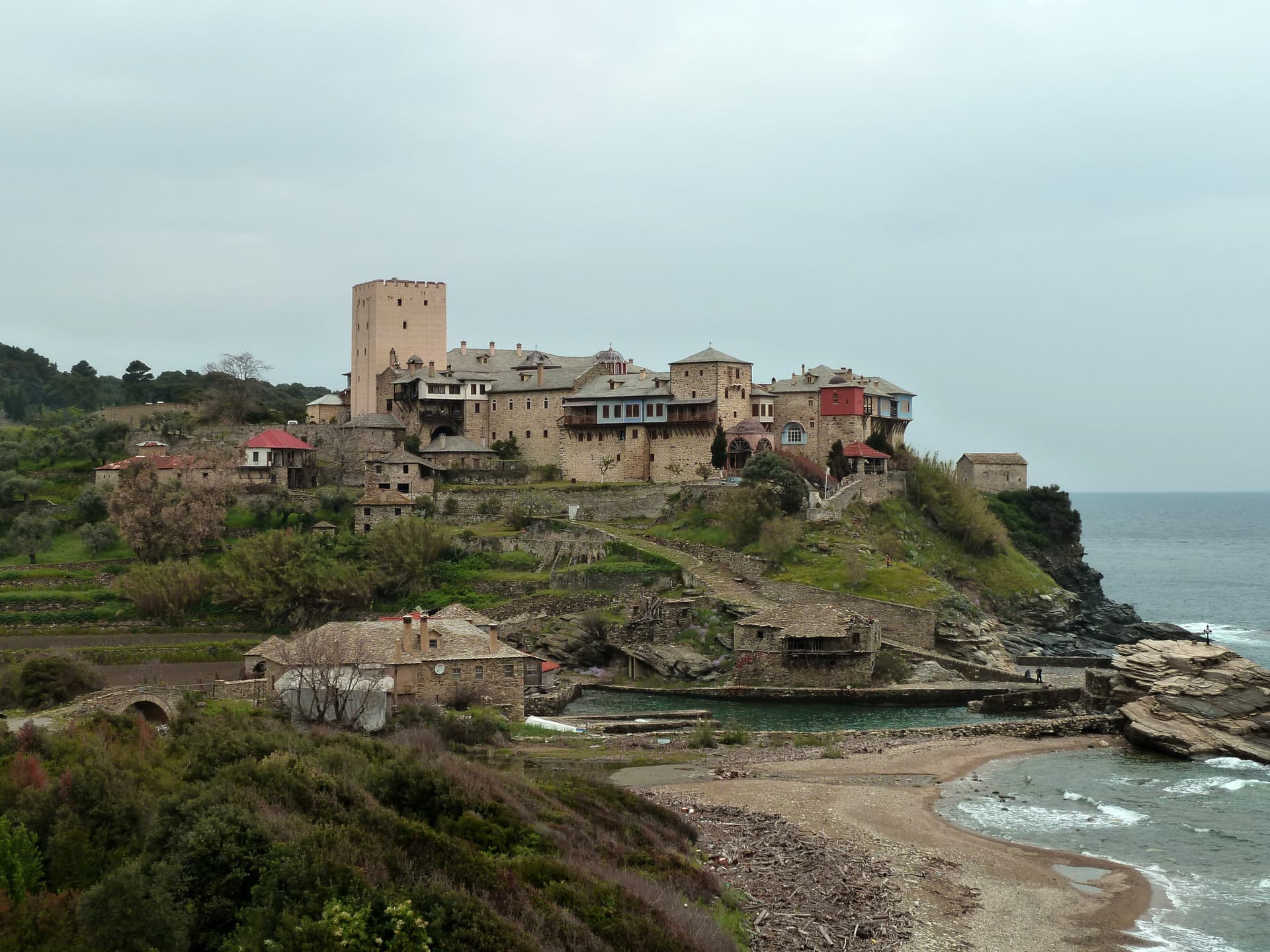
Pantokratoros Monastery
Mount Athos, Mount Athos, Chalkidiki, Central Macedonia, Greece
2.0 km away
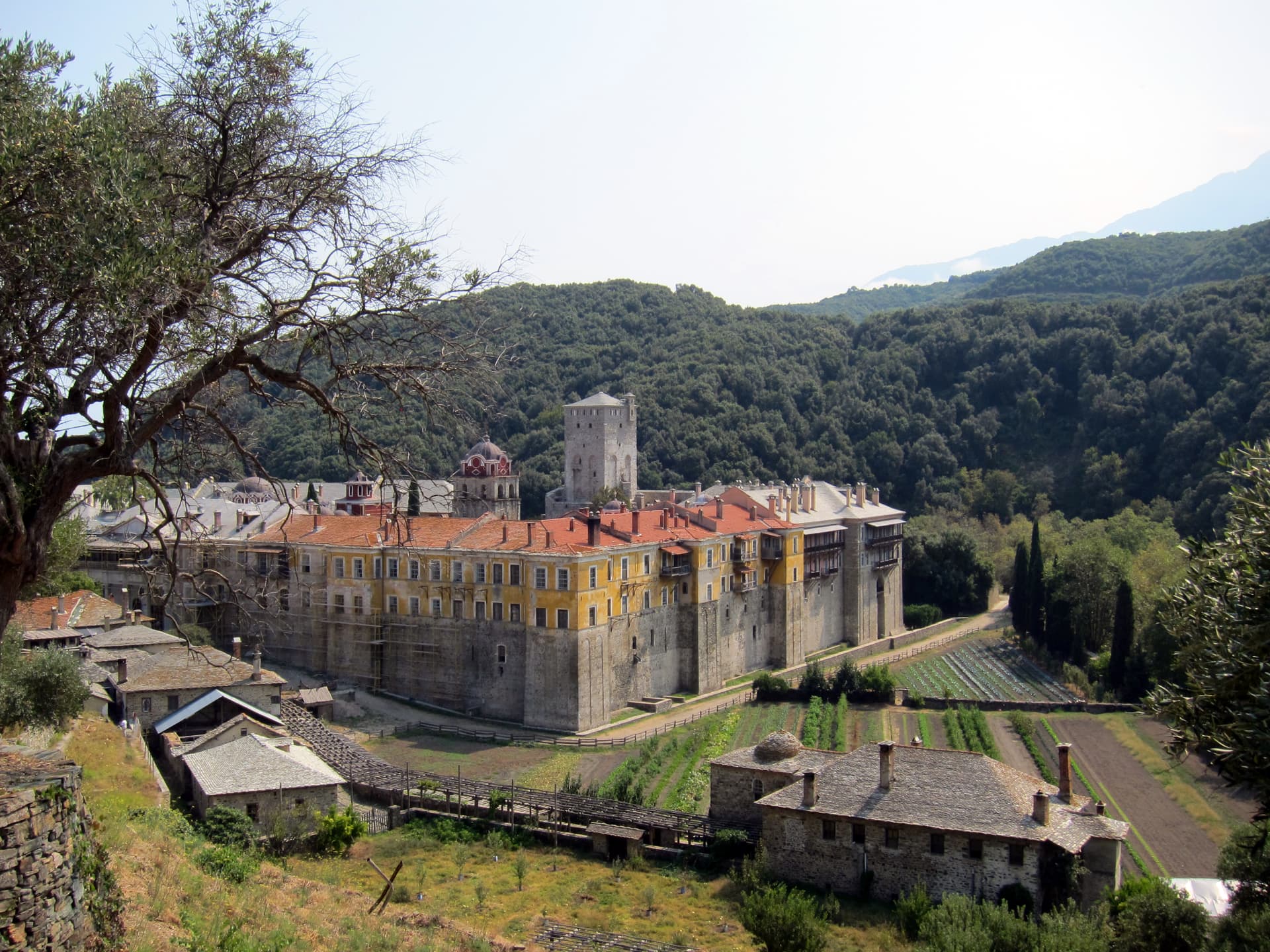
Iviron Monastery
Mount Athos, Mount Athos, Chalkidiki, Central Macedonia, Greece
2.6 km away
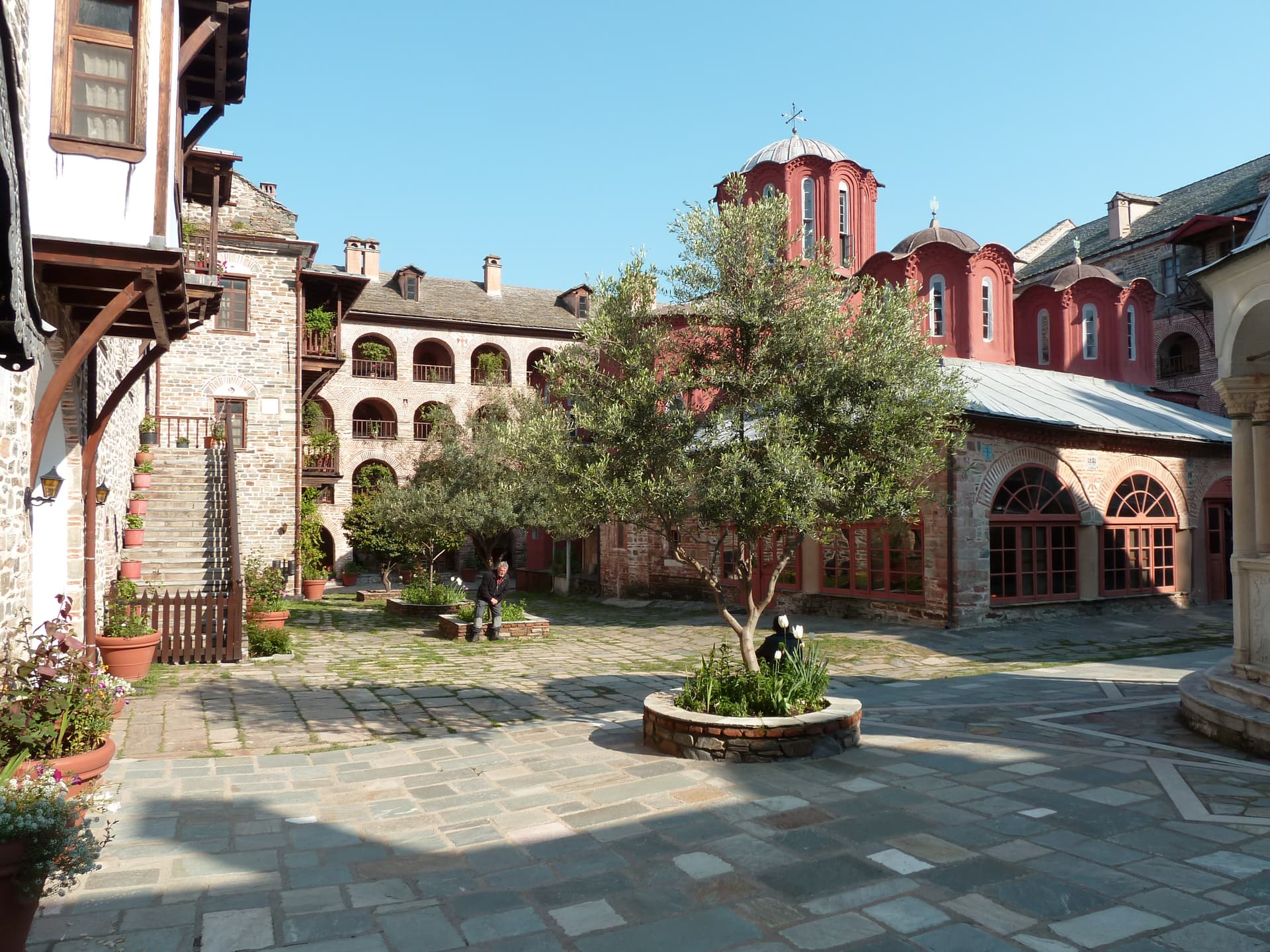
Koutloumousiou Monastery
Mount Athos, Mount Athos, Chalkidiki, Central Macedonia, Greece
3.0 km away
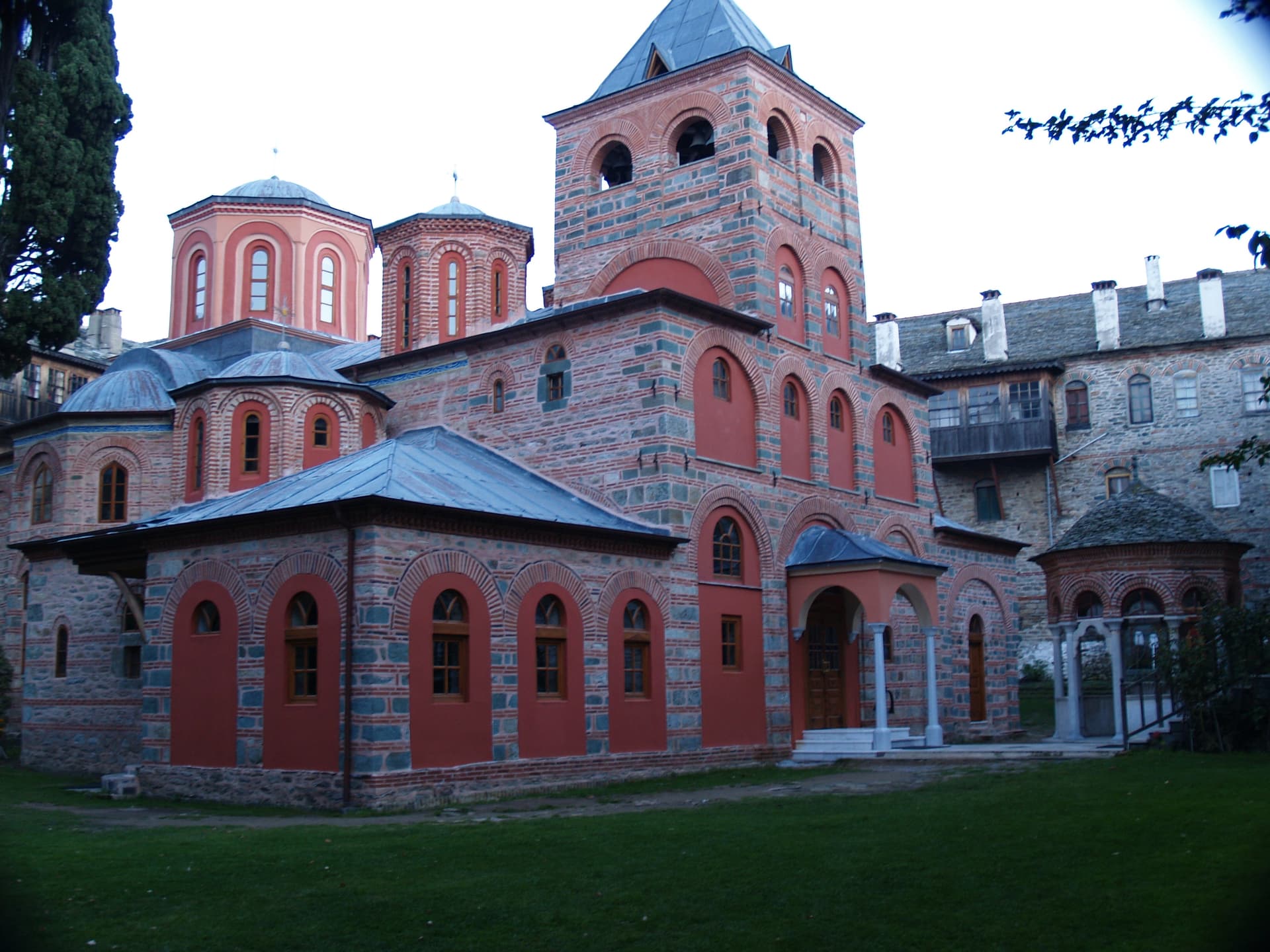
Filotheou Monastery
Mount Athos, Mount Athos, Chalkidiki, Central Macedonia, Greece
4.9 km away
References
Sources consulted for this page. Source categories describe the publication, not a guarantee that every claim is verified. Traditional accounts and outside interpretations may differ.
- 01UNESCO World Heritage Centre and Mount Athos authorities — UNESCO World Heritage Centre and Mount Athos authoritiesofficialInstitutional or custodian source used for current identity and visitor guidance; time-sensitive details require rechecking.
- 02Mount Athos — UNESCO World Heritage CentreofficialWorld Heritage record for the living monastic community and its twenty monasteries.
- 03Stavronikita — Wikipedia contributorsSource contextExact supplied entity page used for identity and bounded historical orientation; claims are corroborated where an institutional source is available.
- 04Wikidata entity Q1141004 — Wikidata contributorsSource contextStructured identity and coordinate cross-check for the exact supplied entity.
- 05Stavronikita Monastery - Google Maps place record — GoogleSource contextStrong exact-entity match used only for coordinates, address, phone, and operational status.
Share a photo
Help visitors recognize Stavronikita Monastery. Every submission is reviewed before publication.