Shrine of Abaz Aliu, Mt. Tomorri, Albania
Argentina's most venerated folk saint, where water bottles fill the desert and a mother's devotion outlasts death
Understand sacred places, explore living traditions, and learn how to engage respectfully with Pilgrim Map.
Access has not been verified. Check current local guidance before planning a visit.
Kapinovë, Berat, Albania
Read the sources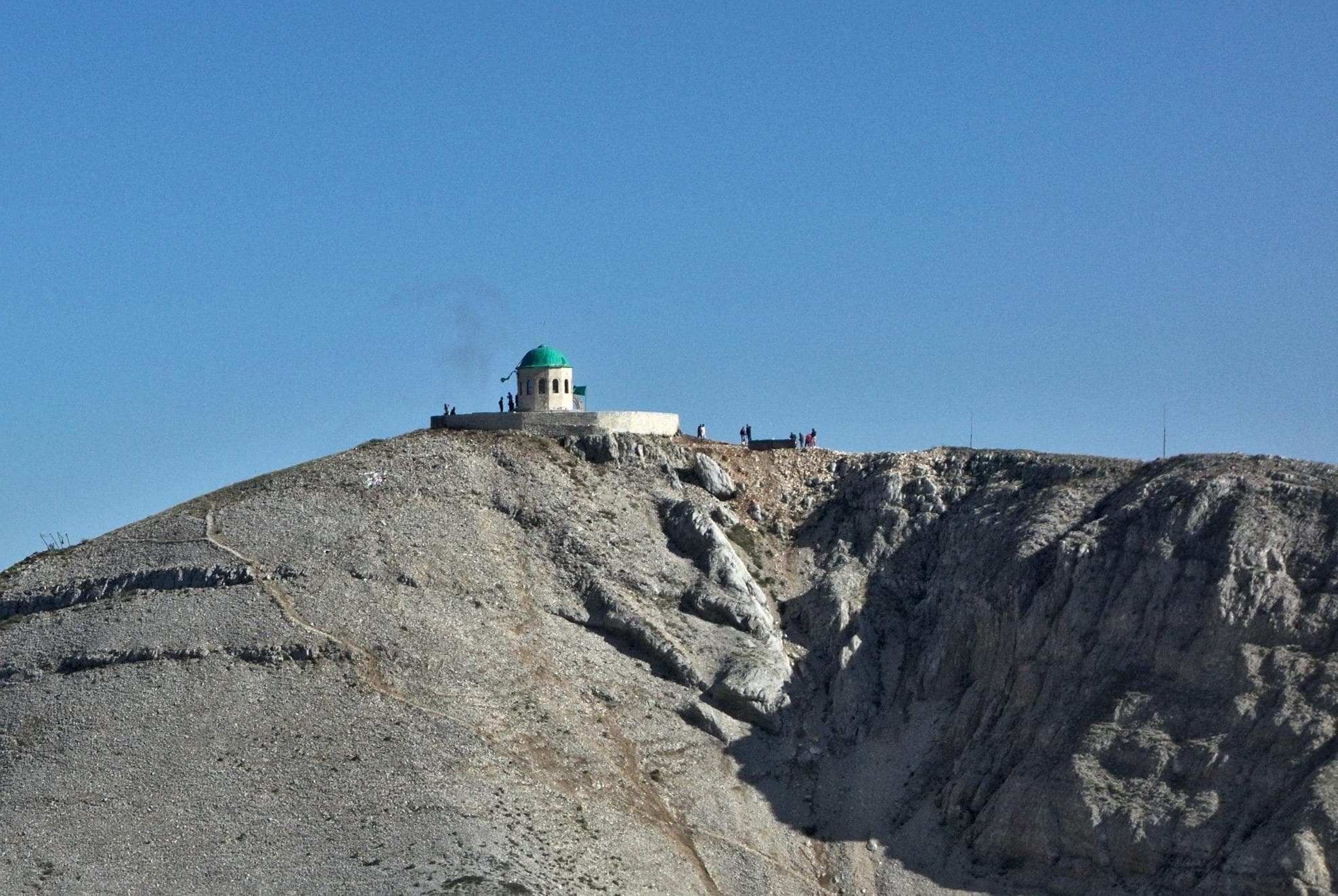
Image of Shrine of Abaz Aliu, Mt. Tomorri, Albania. Image source · CC-BY-SA-4.0
Visit essentials
A quick read before you go
- Duration
- 1-3 hours
- Access
- 64 km east of San Juan city on Route 141.
Overview
The story is simple and it does not require belief to understand. A young mother followed her husband into the desert. He had been conscripted during the Argentine civil wars. She carried her baby. She ran out of water. She died. Days later, muleteers found her body with the baby still alive, nursing at her breast.
The Catholic Church has never recognized Deolinda Correa as a saint. It has not needed to. The devotion grew on its own — among gauchos, then truck drivers, then anyone who travels Argentine roads. Roadside shrines topped with water bottles appear across thousands of kilometres.
The main shrine at Vallecito, 64 kilometres east of San Juan city, has grown into a complex resembling a small town: chapels built by devotees, walls covered in license plates, rooms filled with wedding dresses, photographs, miniature houses, and other ex-votos left by those whose prayers were answered.
Over 200,000 people come during Easter, May 1, and Christmas. They bring water. In the desert where she died of thirst, water is what you offer.
Why this place is sacred
What makes this place thin is the absence of mediation. No pope recognized this saint. No bishop administers this shrine. The devotion grew because people needed it to grow. A mother died for love and her child survived. That was enough. The water bottles are not symbolic — they are the thing itself, offered where it was most needed and most absent.
Grave of a woman who died in the desert.
From roadside grave to Argentina's largest folk shrine complex, built entirely through popular devotion.
Experience and orientation
The approach is through dry San Juan landscape. At Vallecito, the shrine complex appears gradually — not a single building but an accumulation. Chapels, rooms of offerings, walls of license plates, thousands of water bottles catching light. The effect is cumulative rather than architectural. Each object represents a specific person's need.
Easter, May 1, and Christmas for the pilgrimages. Other times for the quiet weight of the offerings.
Context and lineage
During the Argentine civil wars of the mid-nineteenth century, Deolinda Correa followed her forcibly conscripted husband across the San Juan desert, carrying their baby. She died of thirst. Muleteers found her body days later with the baby still alive at her breast. The story spread among gauchos and rural workers.
From gaucho oral tradition through roadside shrines to national folk devotion.
Traditions and practice
Leaving water bottles at roadside shrines. Walking pilgrimages to Vallecito.
Over 200,000 pilgrims at peak seasons. Truck drivers maintain roadside shrines across Argentina. Ex-votos include license plates, wedding dresses, photographs, miniature houses.
Bring water. Leave it at the shrine.
Argentine Folk Catholicism
ActiveArgentina's most popular folk saint. Not recognized by the Catholic Church. Patron of travelers, truck drivers, and gauchos.
Water bottle offerings. Roadside shrines. Pilgrimages at Easter, May 1, Christmas.
Perspectives and open questions
A folk devotion that grew without institutional permission, filling a spiritual need the Church did not address.
Scholarly perspective
Scholars study Difunta Correa as a case of popular religion operating outside institutional structures, reflecting gaucho culture and the spiritual needs of mobile workers.
Living and traditional perspectives
For devotees, she is the mother who would not stop. The baby surviving is the proof. The water is what you owe her.
Alternative interpretations
The devotion connects to maternal archetypes that predate Christianity. The desert setting and water symbolism create a ritual ecology found in sacred traditions worldwide.
Open questions
The historical Deolinda Correa may be a composite figure. Multiple dates and versions of the story exist. What matters to devotees is not historical accuracy but spiritual truth.
Plan your visit
Access and arrival
64 km east of San Juan city on Route 141. Vehicle required. Desert conditions.
Basic facilities at Vallecito. San Juan city (64 km) has full accommodation options.
Respectful visit
No formal requirements.
Permitted.
Water bottles are the universal offering. Personal items may be left as ex-votos.
Respectful behavior toward other devotees' offerings
Extremely crowded during Easter, May 1, and Christmas. Desert climate — bring your own water for the journey as well.
Current practical details
Address
J5P7+H3M, Berat, Albania
Hours
Hours, fees, and access can change — verify on the official source before you travel. Practical details last checked Jun 2026.
Location
Map loads as you approach this section.
Pilgrim reflections
A portrait of encounter, not a score
Pilgrims describe what they felt, how present they could become, and whether the place would shape a journey. There are no stars and no ranking of traditions.
No reviewed reflections yet
The first pilgrims can help describe the character of being here.
Share a reflection
Available after an account-backed “Been there.” Every reflection is reviewed before publication.
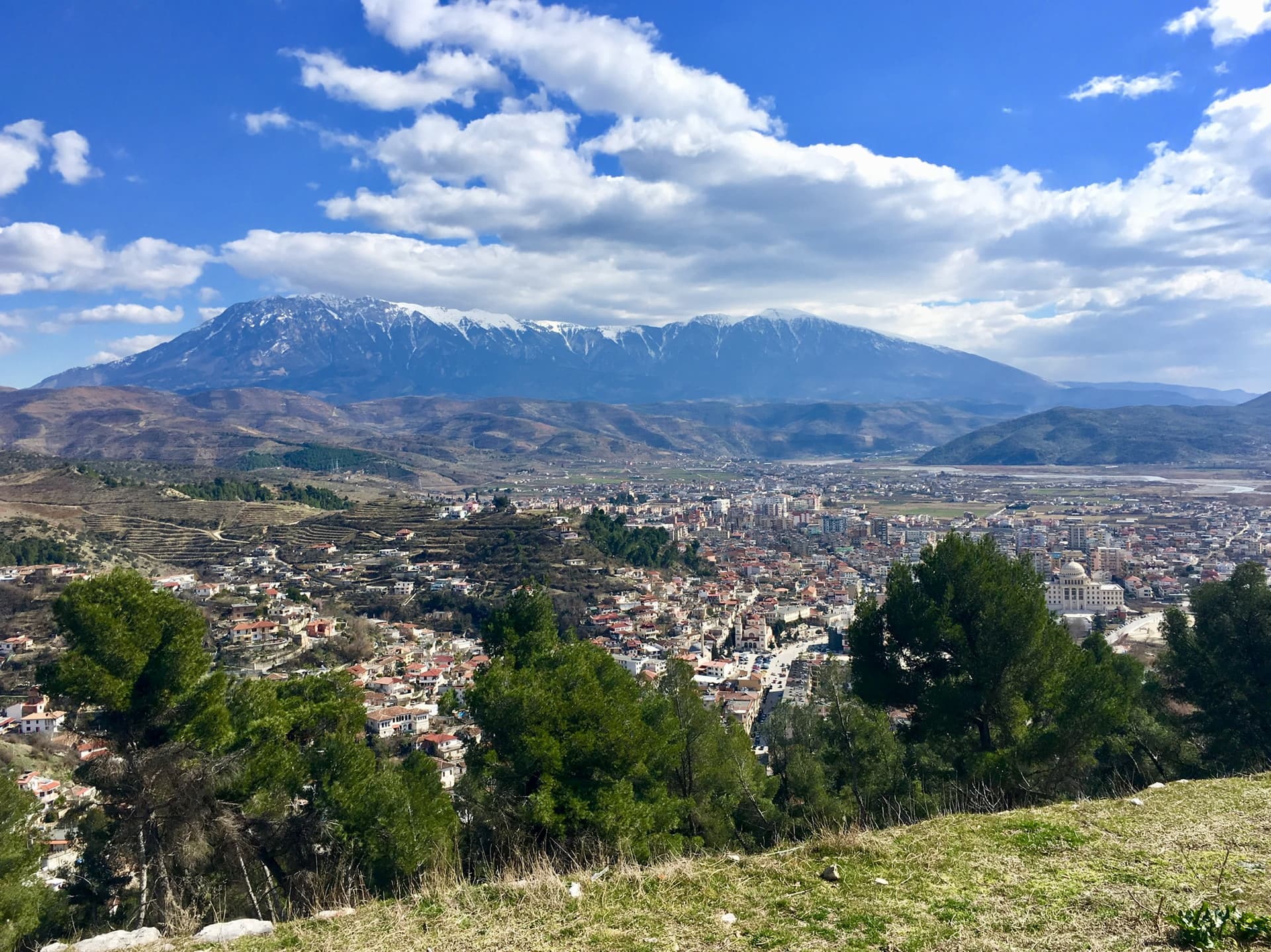
Nearby sacred places
Explore other sacred places in the region. Proximity does not establish access or travel time; check each place’s guidance.


References
Sources consulted for this page. Source categories describe the publication, not a guarantee that every claim is verified. Traditional accounts and outside interpretations may differ.
- 01Bektashi World Headquarters - Tomorri ceremonies — Kryegjyshata Boterore BektashianeofficialOfficial Bektashi source
- 02Tomor Pilgrimage - Sara Kuehn — Sara KuehnacademicAcademic pilgrimage study
- 03Abbas Ali Türbe - Wikipedia — Wikipedia contributorsencyclopediaOverview with dates
- 04AroundUs - Abbas Ali Türbe — AroundUsSource contextLocation and access details
- 05Archiqoo - Abbas Ibn Ali Türbe — ArchiqooofficialArchitectural description
- 06Pilgrimage expecting 600,000 devotees — Invest in AlbanianewsScale of pilgrimage
Share a photo
Help visitors recognize Shrine of Abaz Aliu, Mt. Tomorri, Albania. Every submission is reviewed before publication.