Mount Tomorri, Albania
Albania's sacred mountain where Bektashi and Christian pilgrims climb the same slopes under the same August sky
Understand sacred places, explore living traditions, and learn how to engage respectfully with Pilgrim Map.
Access has not been verified. Check current local guidance before planning a visit.
Ujanik, Berat, Albania
Read the sources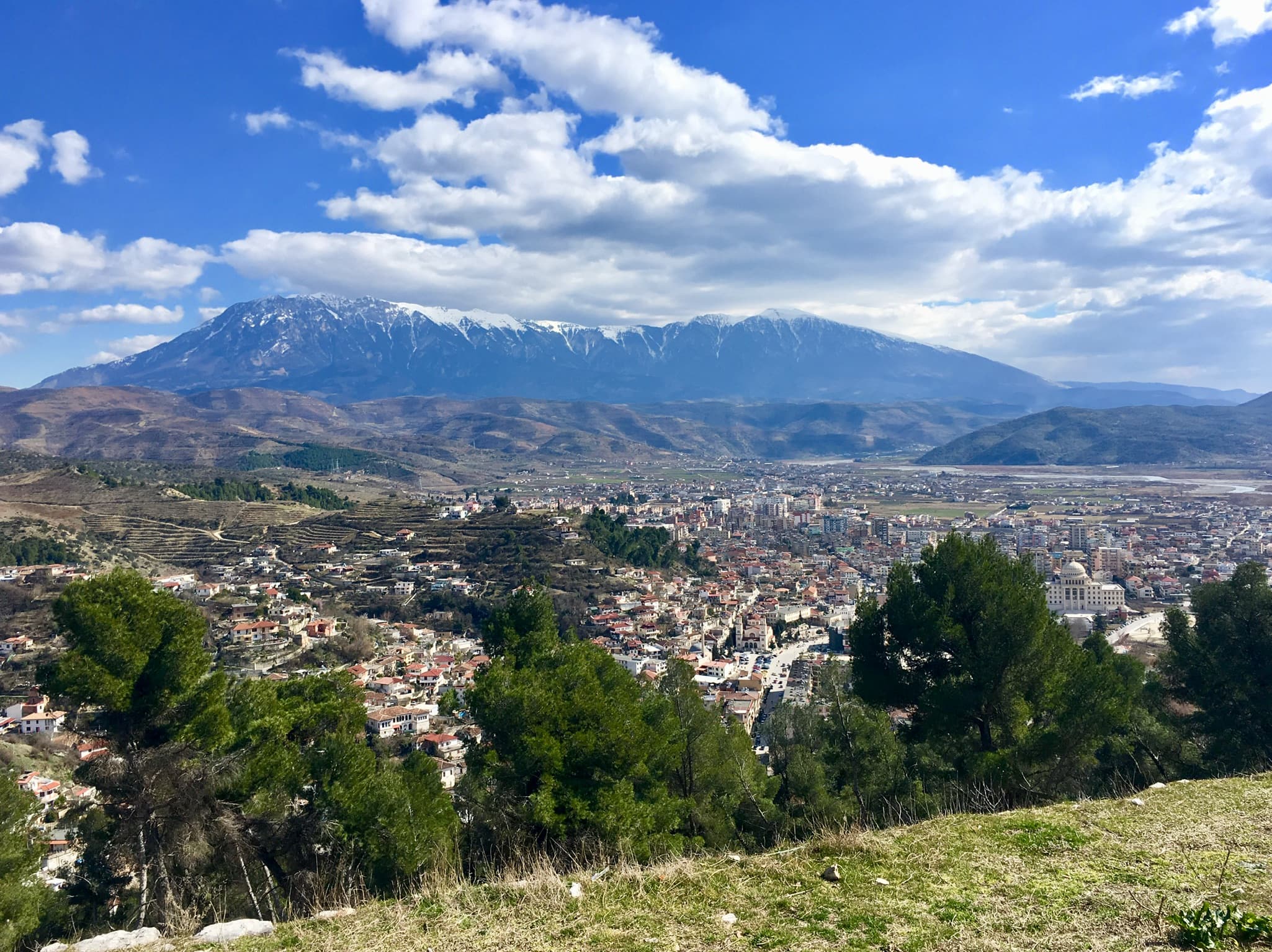
Image of Mount Tomorri, Albania. Image source · CC-BY-SA-4.0
Visit essentials
A quick read before you go
- Duration
- Full day for pilgrimage or summit hike
- Access
- From Berat, drive east approximately 20-30 km.
Overview
Mount Tomorri, Albania's third-highest peak, is one of the country's two most frequented sacred places. For the Bektashi Sufi order, deeply rooted in Albanian culture, Abbas ibn Ali, son of Imam Ali, is believed to return here each August on a white horse to protect the land. Albanian Christians make Marian pilgrimage to the mountain on Assumption Day.
From August 20th to 25th, Bektashi faithful climb to the tekke of Kulmak and the Abbas Ali Türbe near the summit. They light candles, offer money, sacrifice lambs, and mark their foreheads with blood for purification. Sunni Muslims, Catholics, Orthodox Christians, and secular Albanians also ascend alongside Bektashi devotees, expressing Albania's historical interfaith coexistence. Outside pilgrimage season, Tomorri returns to wildflower meadows, rare raptors, and alpine silence.
Why this place is sacred
Mountains occupy a particular place in the geography of the sacred. They are approached from below, requiring effort. They offer perspective on the world left behind. They expose the body to elements the lowlands cushion against. Mount Tomorri does all of this, and adds something more.
The Bektashi tradition holds that Abbas ibn Ali returns to this specific mountain each August. This is not a metaphor for the faithful but a lived reality. The Christian tradition places the Assumption of Mary five days before the Bektashi feast begins, creating a shared sacred calendar rooted in the same earth. The mountain does not arbitrate between these claims. It holds them both, as mountains do — impassive to interpretation, responsive to presence.
What the Illyrians saw when they looked up at this peak, we do not know. But the fact that veneration preceded both Islam and Christianity suggests that the mountain's sacred quality inheres in its physical reality rather than in any single story told about it.
Sacred mountain with roots in pre-Christian Illyrian veneration. Bektashi pilgrimage formalized from at least the 17th century.
From Illyrian sacred peak through Ottoman-era Bektashi devotion to modern interfaith pilgrimage. The communist period banned religious practice, but the mountain's significance survived.
Experience and orientation
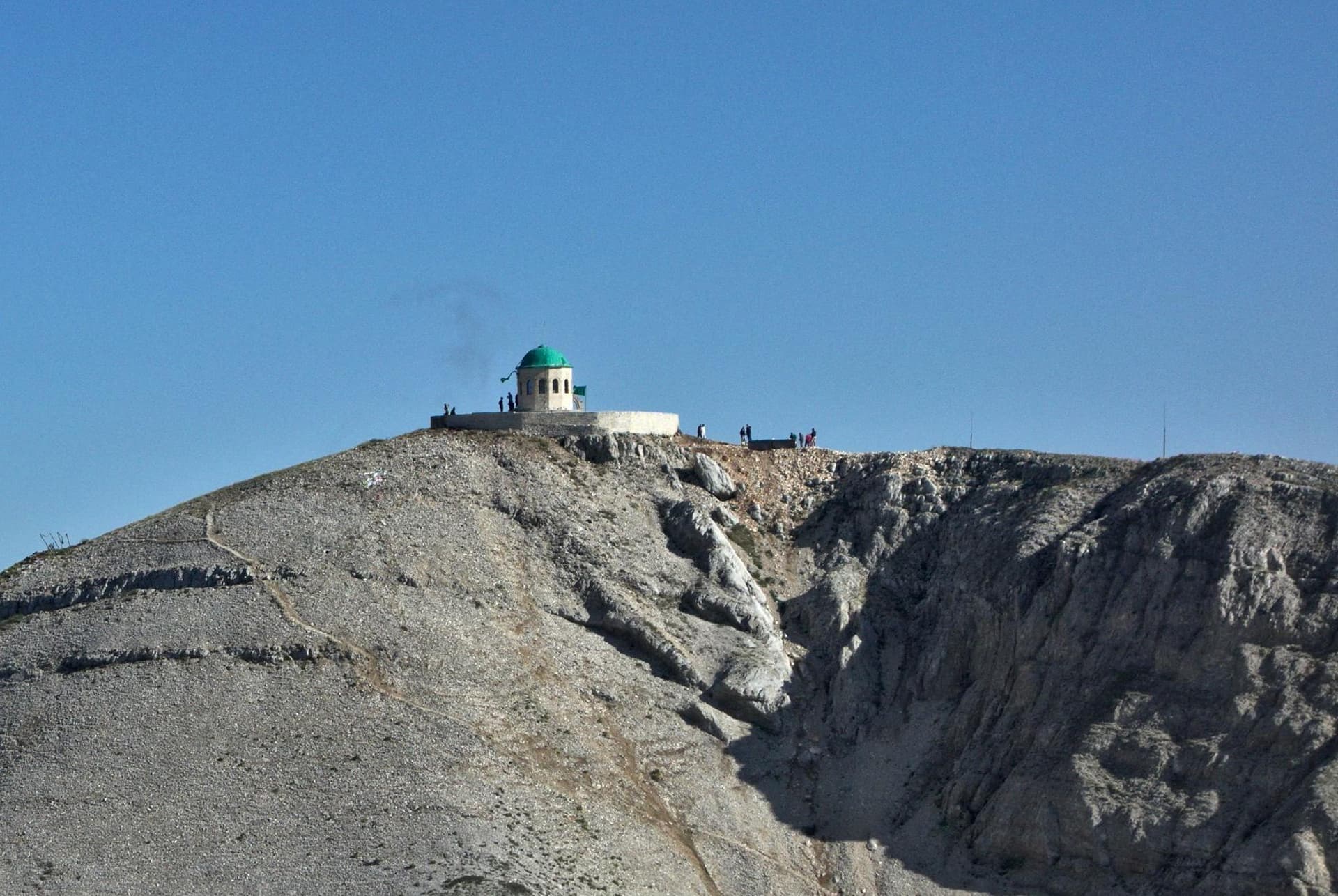
If you come during the Bektashi pilgrimage from August 20 to 25, you will not be alone. Hundreds of thousands of pilgrims make the ascent, and the atmosphere layers prayer and music, animal sacrifice and shared meals, physical exhaustion and spiritual intensity. The pilgrims first visit the shrine bearing the hoof print of Abbas Ali's horse, then proceed to the Kulmak tekke for the rituals.
If you come outside pilgrimage season, between June and September, the mountain offers a different experience. The national park preserves alpine meadows, rare flora, and birds of prey. The trails climb through landscapes that shift with altitude. The summit provides views across southern Albania. The silence is deep.
Both experiences are valid. The mountain accommodates them without contradiction.
For pilgrimage season: arrive early, bring supplies, be prepared for crowds and ritual activity. For hiking: check trail conditions, carry water, and allow a full day.
Context and lineage
In Bektashi tradition, Abbas ibn Ali came to Albania on a white horse to save it from barbarians and continues to return each August. The mountain's sacredness likely predates both Islam and Christianity.
From pre-Christian Illyrian mountain veneration through the Bektashi Sufi tradition to interfaith pilgrimage.
Abbas ibn Ali (Abaz Aliu)
Venerated Bektashi figure believed to visit Mount Tomorr annually
Dervish Iliaz
Rebuilt the Kulmak tekke in 1915-1916
Traditions and practice
Bektashi pilgrimage (August 20-25): visiting shrines, animal sacrifice, candle lighting, monetary donations, blood purification. Christian pilgrimage August 15 for Assumption Day.
The pilgrimage has grown since the end of communism, drawing an estimated 600,000 devotees in peak years.
Approach with openness and respect for practices that may be unfamiliar. Outside the season, carry awareness that you walk on sacred ground.
Bektashi Islam
ActiveOne of the three most sacred Bektashi sites in Albania.
Pilgrimage August 20-25 with animal sacrifice, candle lighting, and purification rituals.
Christianity
ActiveChristians climb on August 15 for the Assumption of the Virgin Mary.
Pilgrimage ascent on Assumption Day.
Perspectives and open questions
Mount Tomorri can be read as a geological formation, a national park, a Bektashi holy site, a Christian pilgrimage destination, and a pre-Christian sacred peak.
Scholarly perspective
Scholars recognize Mount Tomorri as one of the most important interfaith sacred landscapes in the Balkans. The Bektashi pilgrimage is studied as an example of Sufi practice incorporating pre-Islamic elements.
Living and traditional perspectives
For Bektashi devotees, the mountain is a place of active divine presence. Abbas ibn Ali returns here annually. For Albanian Christians, the Assumption pilgrimage connects faith to the most dominant feature of the southern landscape.
Alternative interpretations
The convergence of traditions suggests that certain landscapes possess qualities that consistently attract veneration regardless of the prevailing religion.
Open questions
The nature of pre-Christian worship at the mountain is largely undocumented.
Plan your visit
Access and arrival
From Berat, drive east approximately 20-30 km. Bus available (approximately 1 hour, 300 ALL). Some roads may require 4WD. Parking approximately 200 ALL.
Very limited on the mountain. Berat (20-30 km) offers full accommodation.
Respectful visit
Appropriate outdoor clothing. Modest dress during pilgrimage.
Ask permission before photographing ceremonies or individuals.
Non-Bektashi visitors are not expected to make offerings.
Do not enter ritual sacrifice areas uninvited | Do not photograph ceremonies without permission | Leave no trace
The August pilgrimage involves animal sacrifice. Mountain terrain requires proper equipment. Weather changes rapidly at altitude.
Current practical details
Address
Gjerbës, Albania
Hours, fees, and access can change — verify on the official source before you travel. Practical details last checked Jun 2026.
Location
Map loads as you approach this section.
Pilgrim reflections
A portrait of encounter, not a score
Pilgrims describe what they felt, how present they could become, and whether the place would shape a journey. There are no stars and no ranking of traditions.
No reviewed reflections yet
The first pilgrims can help describe the character of being here.
Share a reflection
Available after an account-backed “Been there.” Every reflection is reviewed before publication.
Nearby sacred places
Explore other sacred places in the region. Proximity does not establish access or travel time; check each place’s guidance.


References
Sources consulted for this page. Source categories describe the publication, not a guarantee that every claim is verified. Traditional accounts and outside interpretations may differ.
- 01Bektashi World Headquarters - Mount Tomorri pilgrimage — Kryegjyshata Boterore BektashianeofficialOfficial Bektashi source
- 02Tomor Pilgrimage, Albania - Sara Kuehn — Sara KuehnacademicAcademic study of pilgrimage
- 03Tomorri Mountain - Official Tourism Website — Albanian National Tourism AgencyofficialOfficial tourism info
- 04Tomorr - Wikipedia — Wikipedia contributorsencyclopediaComprehensive overview
- 05Holy Pilgrimage - Albanian Daily News — Albanian Daily NewsnewsPilgrimage description
- 06Mount Tomorr - Elite Travel Albania — Elite Travel AlbaniaguideTravel overview
Share a photo
Help visitors recognize Mount Tomorri, Albania. Every submission is reviewed before publication.