Ongi Monastery Ruins
ruined Buddhist monastic complex
Understand sacred places, explore living traditions, and learn how to engage respectfully with Pilgrim Map.
Access has not been verified. Check current local guidance before planning a visit.
Saikhan-Ovoo, Dundgovi, Mongolia
Read the sources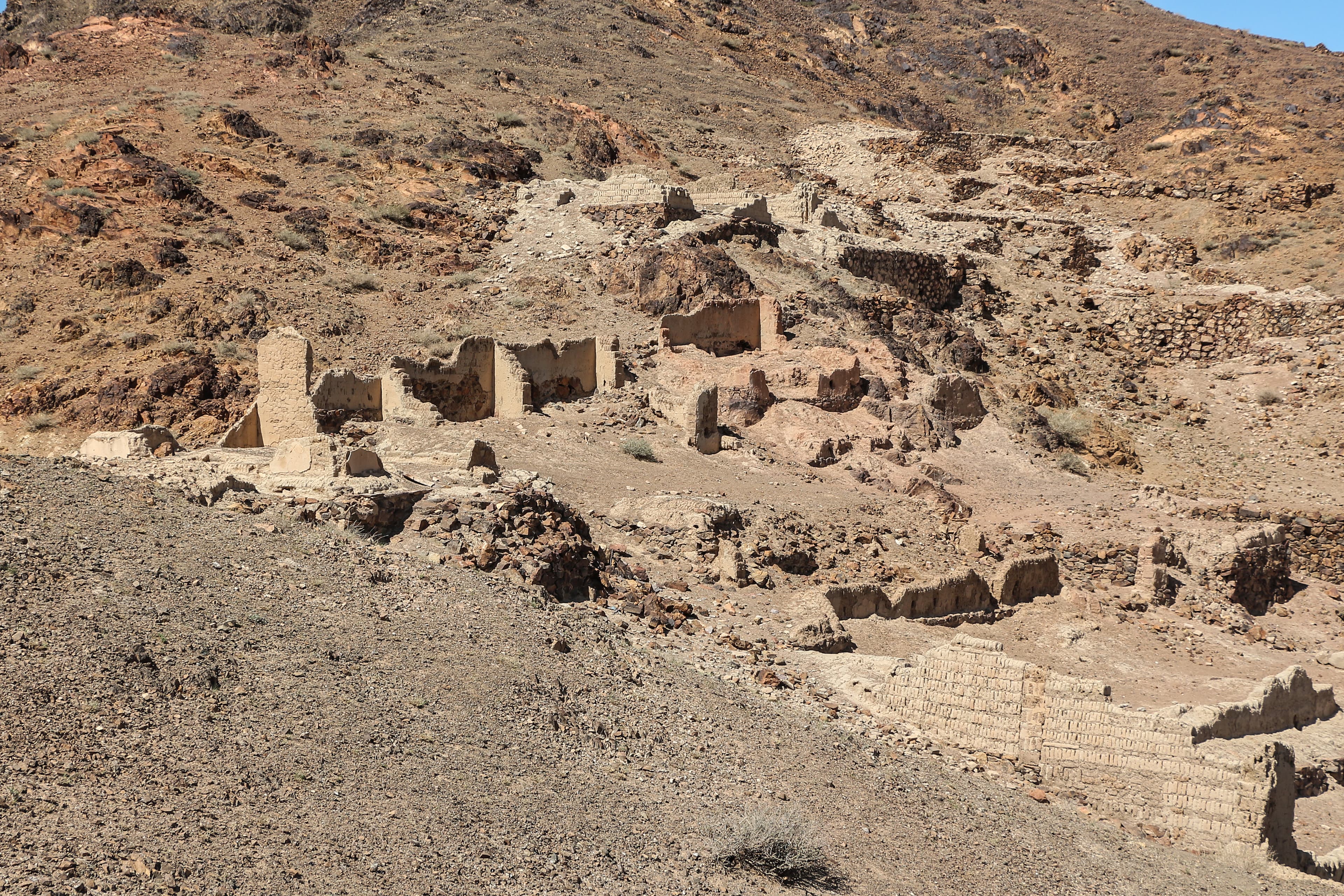
Image of Ongi Monastery Ruins. Image source · CC0
Visit essentials
A quick read before you go
- Etiquette
- Treat walls, paintings, objects, and archaeological surfaces as protected evidence.
Overview
The state-news account separates the principal complex from another ruined monastery in the district. This record therefore uses the mapped visitor complex rather than a generic regional point.
Why this place is sacred
Twentieth-century destruction transformed the monastery into an archaeological-historical destination. Baseline tertiary dates are retained as secondary, not controlling evidence.
Experience and orientation
Conditions at the threshold take precedence over this profile; closed doors, services, conservation barriers, and resident privacy must be honored.
Context and lineage
Mongolian Buddhism
Traditions and practice
No ongoing ritual schedule is asserted for the ruins. A rebuilt or revived temple should not be generalized to the entire archaeological complex.
Mongolian Buddhism
HistoricalMongolian Buddhism is included only to the historical or current level supported for this exact site.
Perspectives and open questions
MONTSAME supports the site’s location, ruined status, and distinction from the second monastery; Google and Commons remain orientation and image-provenance sources.
Plan your visit
Verify local road and site conditions in Saikhan-Ovoo before departure; the pin does not authorize entry into unstable or conserved structures.
Respectful visit
Treat walls, paintings, objects, and archaeological surfaces as protected evidence. Do not touch, trace, climb, move stones, or leave new marks.
Location
Map loads as you approach this section.
Pilgrim reflections
A portrait of encounter, not a score
Pilgrims describe what they felt, how present they could become, and whether the place would shape a journey. There are no stars and no ranking of traditions.
No reviewed reflections yet
The first pilgrims can help describe the character of being here.
Share a reflection
Available after an account-backed “Been there.” Every reflection is reviewed before publication.
Nearby sacred places
Explore other sacred places in the region. Proximity does not establish access or travel time; check each place’s guidance.
References
Sources consulted for this page. Source categories describe the publication, not a guarantee that every claim is verified. Traditional accounts and outside interpretations may differ.
- 01One of Nine Wonders of Dundgobi aimag: Ongiin Khiid — MONTSAME Mongolian National News AgencyofficialExact visitor location, ruined monastic identity, and distinction from Khoshuu Khurliin Khiid.
- 02Ongi Monastery — Wikipedia contributorsacademicIdentity and historical overview; key claims require cautious framing.
- 03Wikidata record Q21503615 — Wikidata contributorsacademicStructured identity, coordinate, and heritage metadata.
- 04Google Maps listing for Ongi Monastery — Google MapsSource contextWhole-site identity, coordinates, website, and current practical listing only.
- 05File:Ongii Monastery 09.jpg — Bernard GagnonacademicExact image-subject and reuse-license provenance only; not used for historical claims.
Share a photo
Help visitors recognize Ongi Monastery Ruins. Every submission is reviewed before publication.