Magura Cave Rock Art
Magura Cave Rock Art
Understand sacred places, explore living traditions, and learn how to engage respectfully with Pilgrim Map.
Access has not been verified. Check current local guidance before planning a visit.
Rabisha, Vidin Province, Bulgaria
Read the sources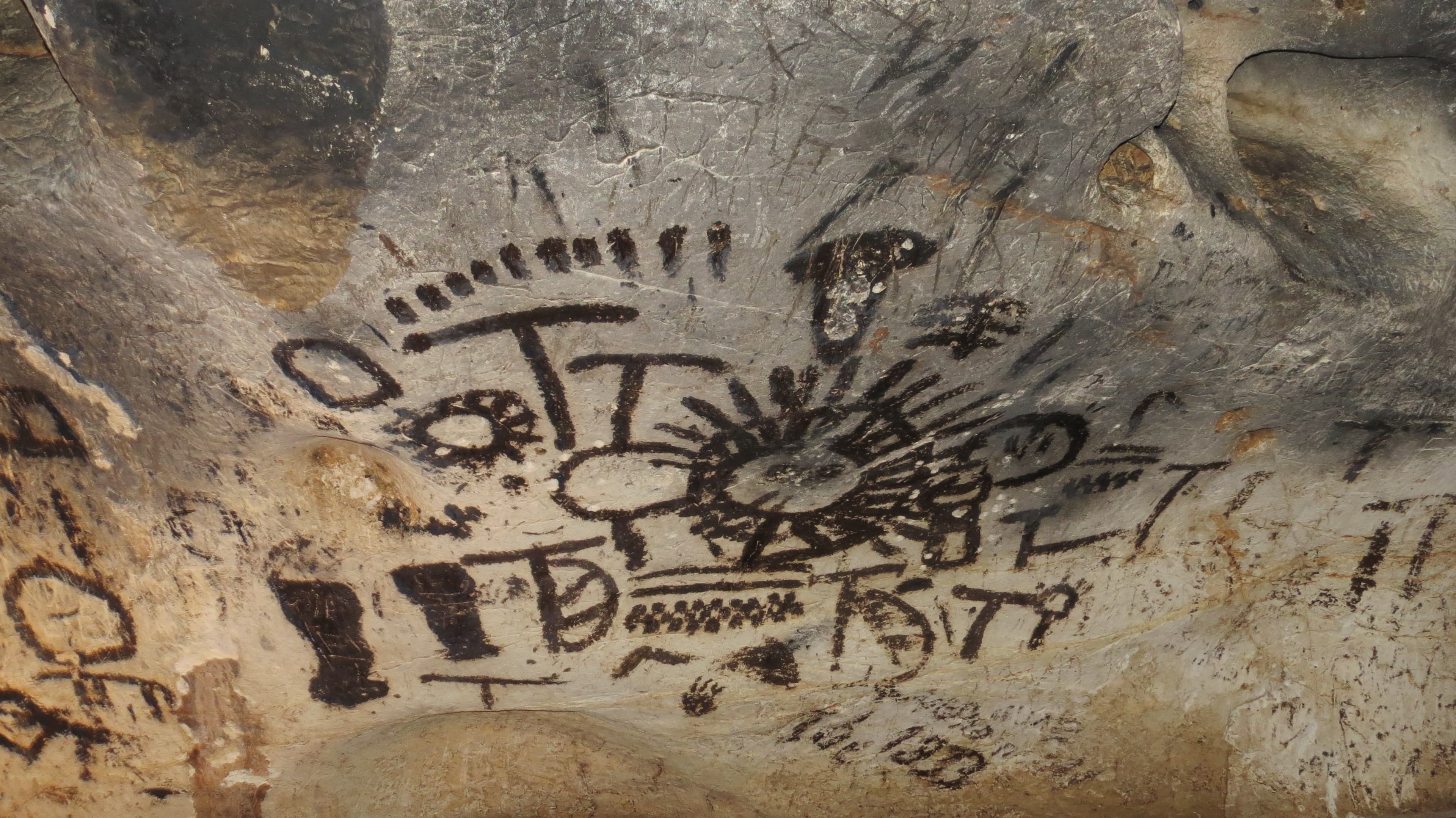
Image of Magura Cave Rock Art. Image source · CC BY-SA 3.0
Visit essentials
A quick read before you go
- Etiquette
- Remain on marked trails and never touch the wall paintings.
Overview
Bulgarian government material describes images made with bat guano across several periods, while UNESCO's 1984 Tentative List entry uses a narrower Bronze and Early Iron Age frame. This inconsistency requires caution: the page does not repeat an earliest-calendar superlative or assign every figure to one date. Tentative List status is a nomination inventory, not World Heritage inscription.
Why this place is sacred
Dating claims differ across official summaries, and the proposed calendar reading remains an interpretation. A responsible visit attends to the images without treating uncertain chronology or symbolism as settled.
Experience and orientation
Use the main cave entrance only as the approach point; the protected painting gallery is a distinct interior component.
Context and lineage
The rock art belongs to a large natural cave with multiple halls and branches. Archaeological habitation evidence and ritual interpretations have been connected with the painted gallery, but the images cannot be reduced to a single calendar or ceremony. The official heritage boundary concerns Magura Cave and its drawings.
Traditions and practice
No documented ritual survives for visitors to perform. Treat the figures as protected archaeological evidence and leave symbolic meanings open where sources disagree.
Prehistoric ritual traditions (interpretive)
HistoricalPrehistoric ritual traditions provide an interpretive frame for the painted gallery; they are not represented as a living practice at Magura.
Perspectives and open questions
Government and UNESCO records establish the protected paintings, but their dates and the proposed calendar program do not fully agree.
Scholarly perspective
The images support archaeological study, while exact dates, symbolic programs, and the calendar interpretation remain open questions. UNESCO tentative status does not validate every claim in the old nomination text.
Living and traditional perspectives
Ritual interpretations may help frame the prehistoric images, yet the evidence does not recover a complete ceremony or continuous tradition.
Open questions
The date and meaning of several image groups remain unresolved.
Plan your visit
Government sources describe paid guided access and separately charged access to the painting gallery. Schedules, languages, and gallery availability can change, so verify them with the current local operator before travel.
Respectful visit
Wear sturdy footwear suitable for the protected site.
Follow current conservation and worship rules for photography.
Do not leave material offerings unless the current custodian explicitly permits them.
Respect barriers, staff instructions, and areas closed for conservation or worship.
Do not present the proposed calendar reading or any single chronology as settled.
Location
Map loads as you approach this section.
Pilgrim reflections
A portrait of encounter, not a score
Pilgrims describe what they felt, how present they could become, and whether the place would shape a journey. There are no stars and no ranking of traditions.
No reviewed reflections yet
The first pilgrims can help describe the character of being here.
Share a reflection
Available after an account-backed “Been there.” Every reflection is reviewed before publication.
Nearby sacred places
Explore other sacred places in the region. Proximity does not establish access or travel time; check each place’s guidance.

Gamzigrad-Romuliana, Palace of Galerius
Gamzigrad, Gamzigrad / Zaječar, Zaječar District, Serbia
37.1 km away
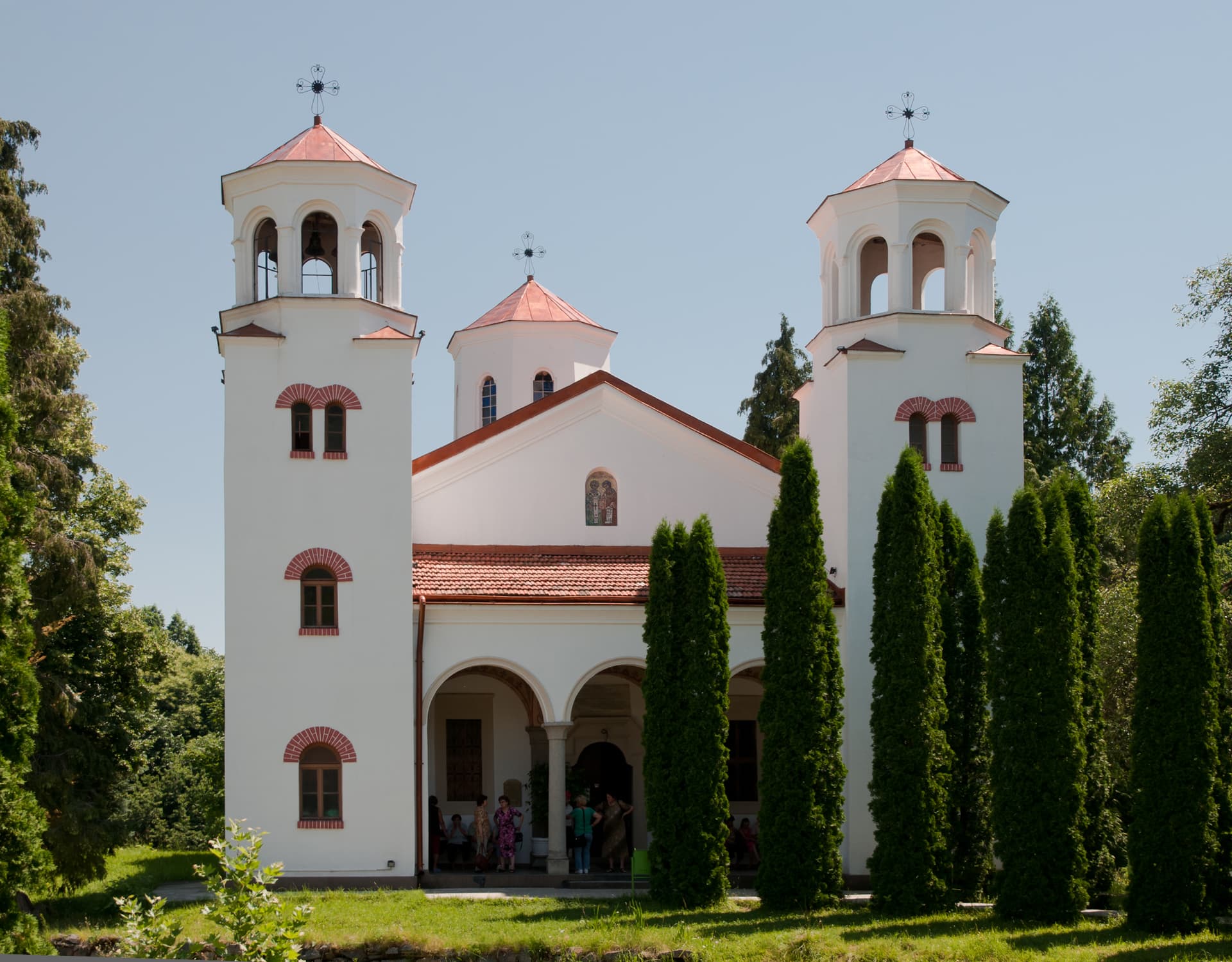
Klisura Monastery
Barzia / Varshets, Montana Province, Bulgaria
78.7 km away

Poganovo Monastery
Poganovo, Poganovo / Dimitrovgrad, Pirot District, Serbia
83.3 km away

Sisojevac Monastery
Sisevac, Sisevac, Pomoravlje District, Serbia
84.2 km away
References
Sources consulted for this page. Source categories describe the publication, not a guarantee that every claim is verified. Traditional accounts and outside interpretations may differ.
- 01Official website for Magura Cave Rock Art — Magura Cave Rock ArtofficialOfficial institutional source identified through Wikidata.
- 02The Magura Cave — Ministry of Tourism of BulgariaofficialGovernment identity, guided access, slippery-path warning, marked-trail rule, and no-touch instruction. accessed 2026-09-04.
- 03The Magoura cave with drawings from the bronze age — UNESCO World Heritage CentreofficialExact Tentative List property, reference 45, submitted 1984; tentative status is not inscription. accessed 2026-09-04.
- 04Magura Cave — Wikipedia contributorsacademicWhole-cave background retained from the immutable baseline; it does not identify the painting gallery as a separate entity.
- 05Wikidata record Q1884722 — Wikidata contributorsacademicWhole-cave structured record retained from the immutable baseline; it is not used as the exact identity of the rock-art gallery.
- 06Google Maps listing for Magura Cave — Google MapsSource contextWhole-site identity, coordinates, website, and current practical listing only.
- 07File:Magura cave calendar 1528.jpg — The original uploader was Octopus at Slovenian Wikipedia .academicRechecked 2026-09-04: the photograph depicts Magura rock art and is licensed CC BY-SA 3.0; the uploader's calendar interpretation is not treated as historical proof.
Share a photo
Help visitors recognize Magura Cave Rock Art. Every submission is reviewed before publication.