Country guide
Bulgaria
Bulgaria brings together sacred architecture, pilgrimage traditions, and landscapes shaped by memory, ritual, and local devotion.
56 sacred sites across 29 regions. Use the tradition links to narrow in.
Browse by region
Explore Bulgaria region by region
Open a regional guide to see its sacred sites, traditions, and map.
Explore Bulgaria by facet
Refine the atlas
Related Bulgaria guides
Showing 1-48 of 56 sites in this country guide

Aladzha Monastery
Golden Sands / Varna, Varna Province, Bulgaria
Aladzha Monastery is a documented monastery in Golden Sands / Varna, Varna Province, Bulgaria, connected with Bulgarian Orthodox Christianity....

Alexander Nevsky Cathedral
Sofia, Sofia City Province, Bulgaria
Alexander Nevsky Cathedral is the Bulgarian Orthodox Church’s patriarchal cathedral in central Sofia....
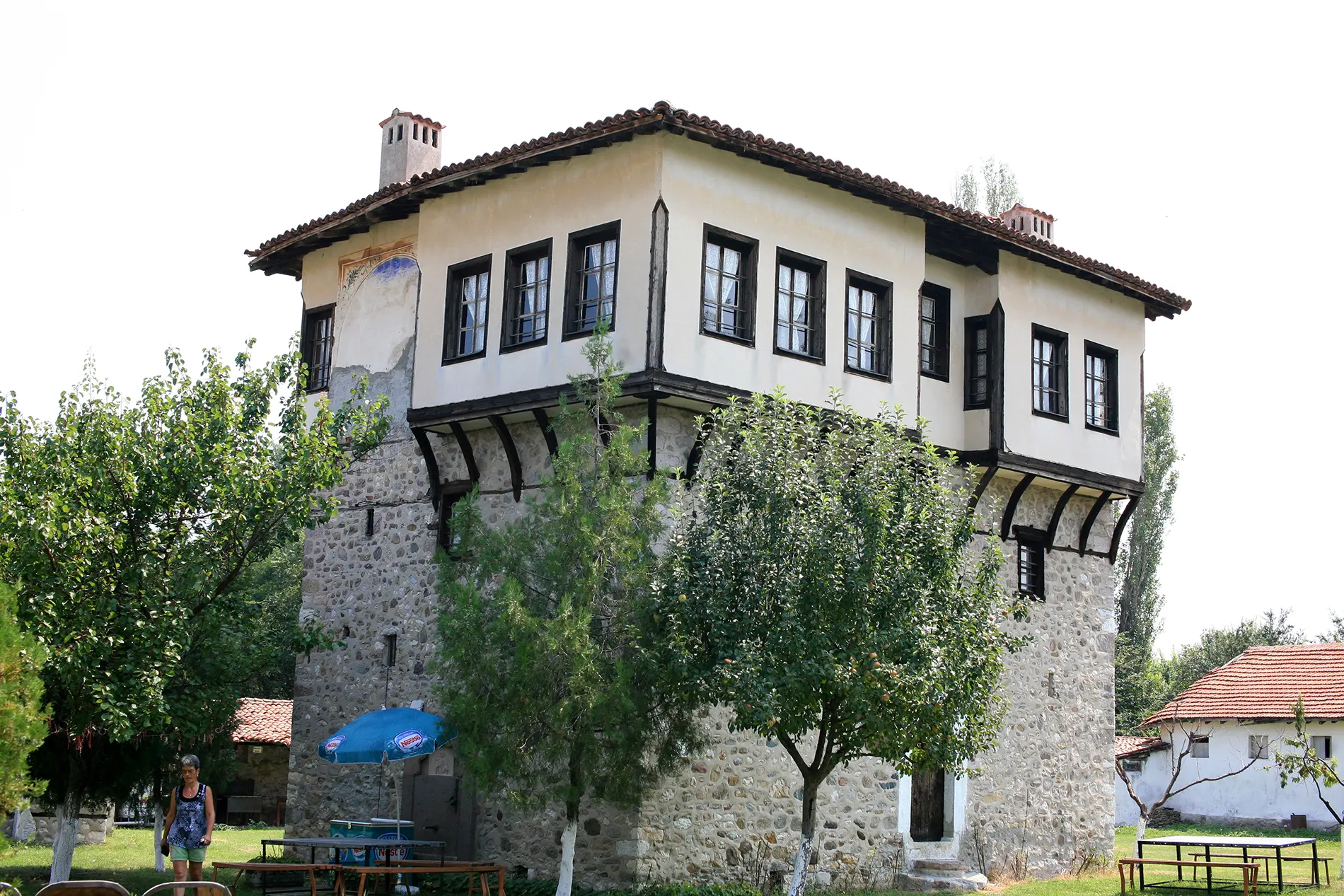
Arapovo Monastery
Zlatovrah / Asenovgrad, Plovdiv Province, Bulgaria
Arapovo Monastery of Saint Nedelya is an active Orthodox monastery near Zlatovrah and Asenovgrad....
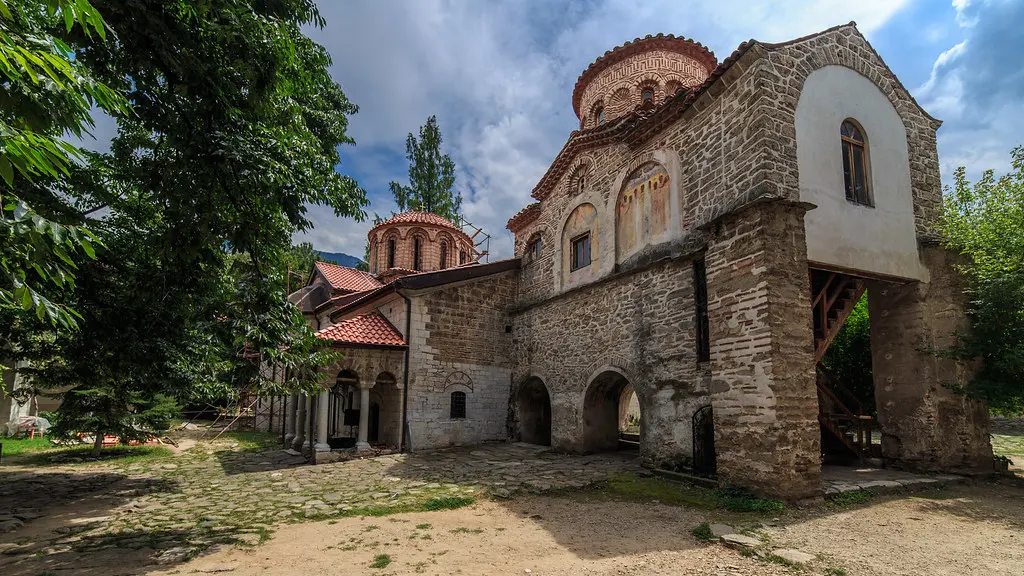
Bachkovo Monastery, Plovdiv, Bulgaria
Bachkovo, Plovdiv, Bulgaria
Bachkovo Monastery has held its ground for nearly a thousand years in the Rhodope Mountains, founded by a Georgian commander serving Byzantium and sustained through...
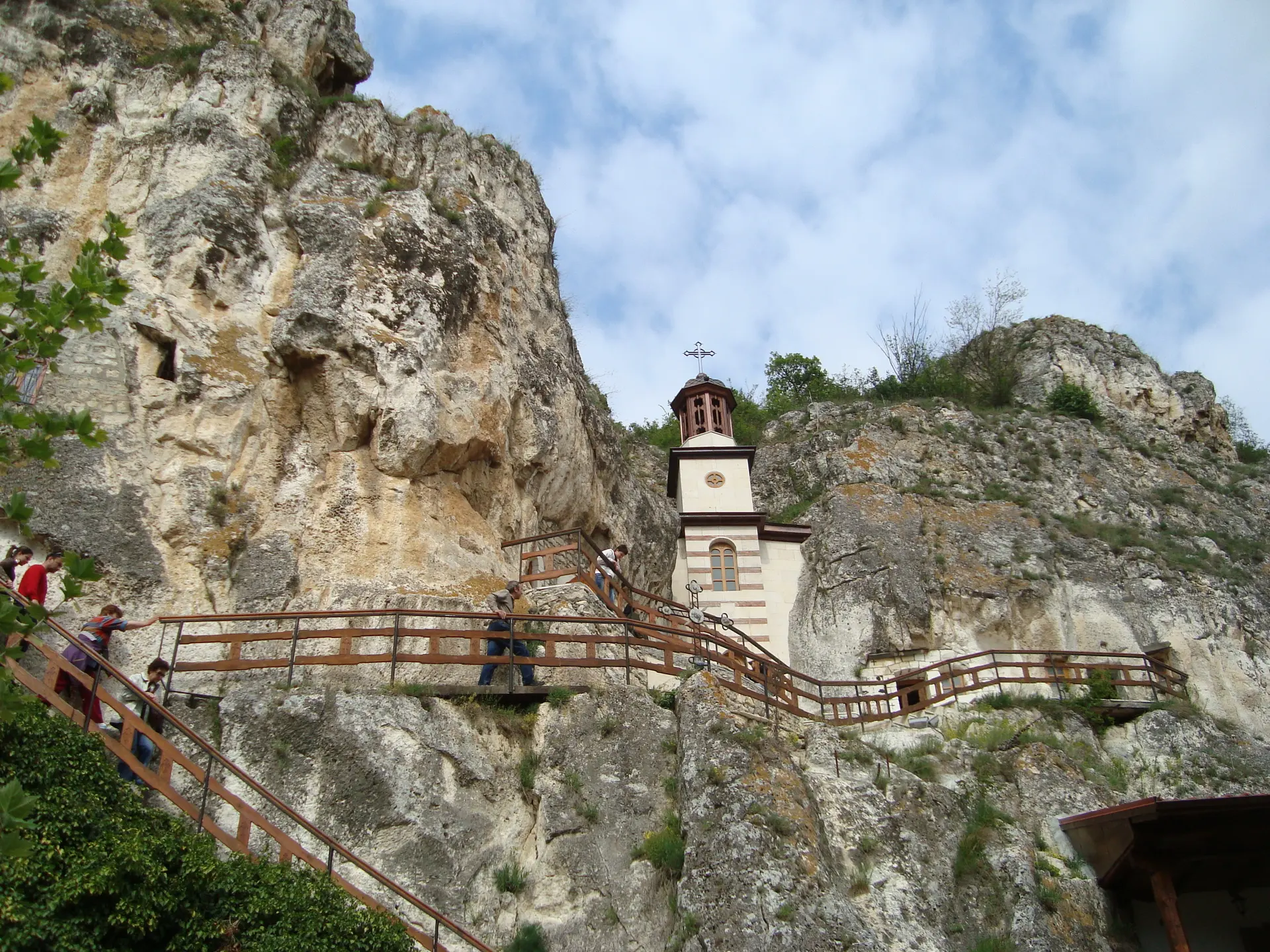
Basarbovo Monastery
Basarbovo, Ruse, Bulgaria
Basarbovo Monastery is carved into limestone cliffs above the Rusenski Lom river in northeastern Bulgaria. It is the only active cave monastery in the country....
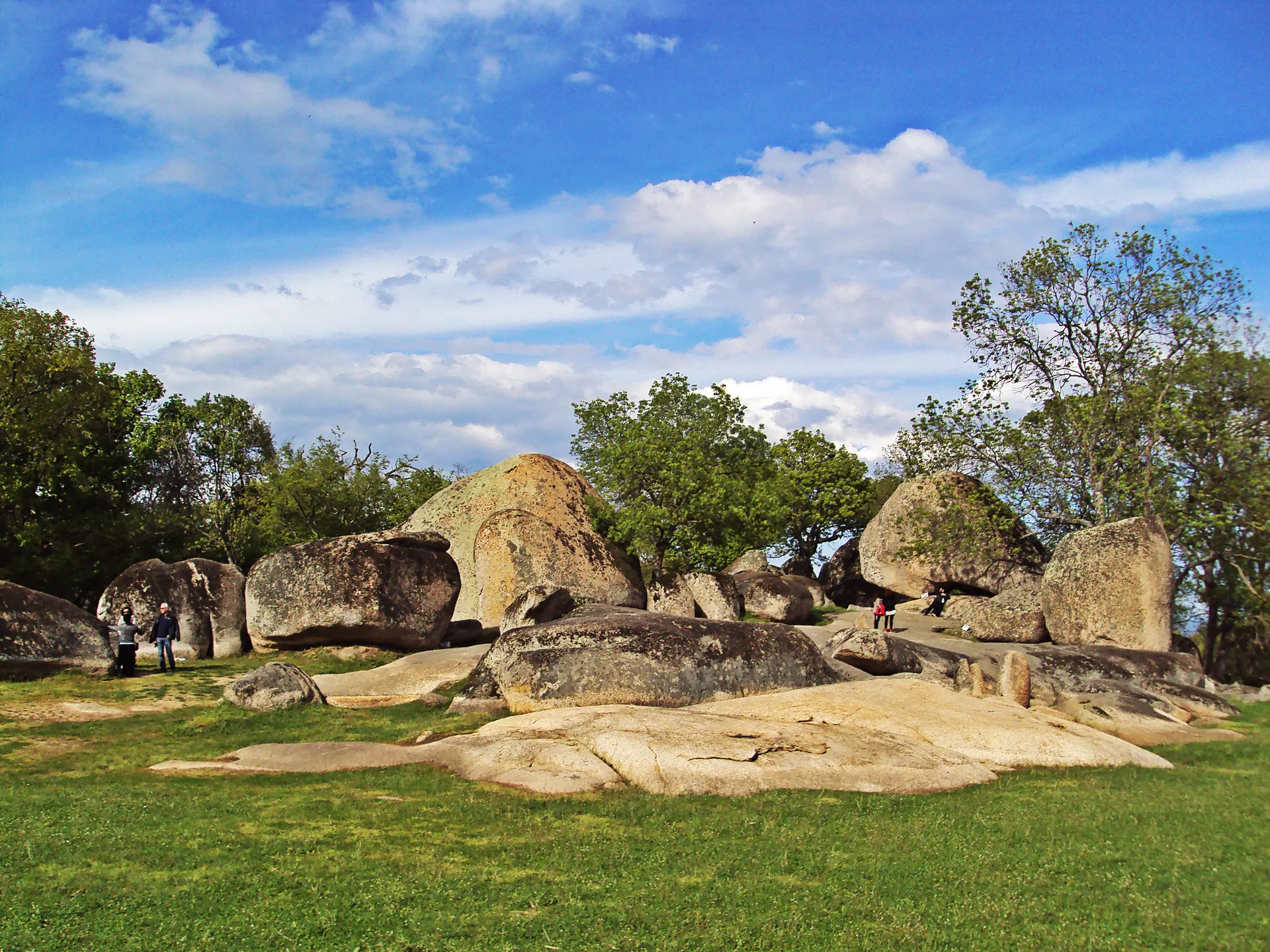
Beglik Tash
Primorsko, Burgas Province, Bulgaria
Beglik Tash is an archaeological rock complex in the forest near Primorsko, interpreted as a Thracian sanctuary....
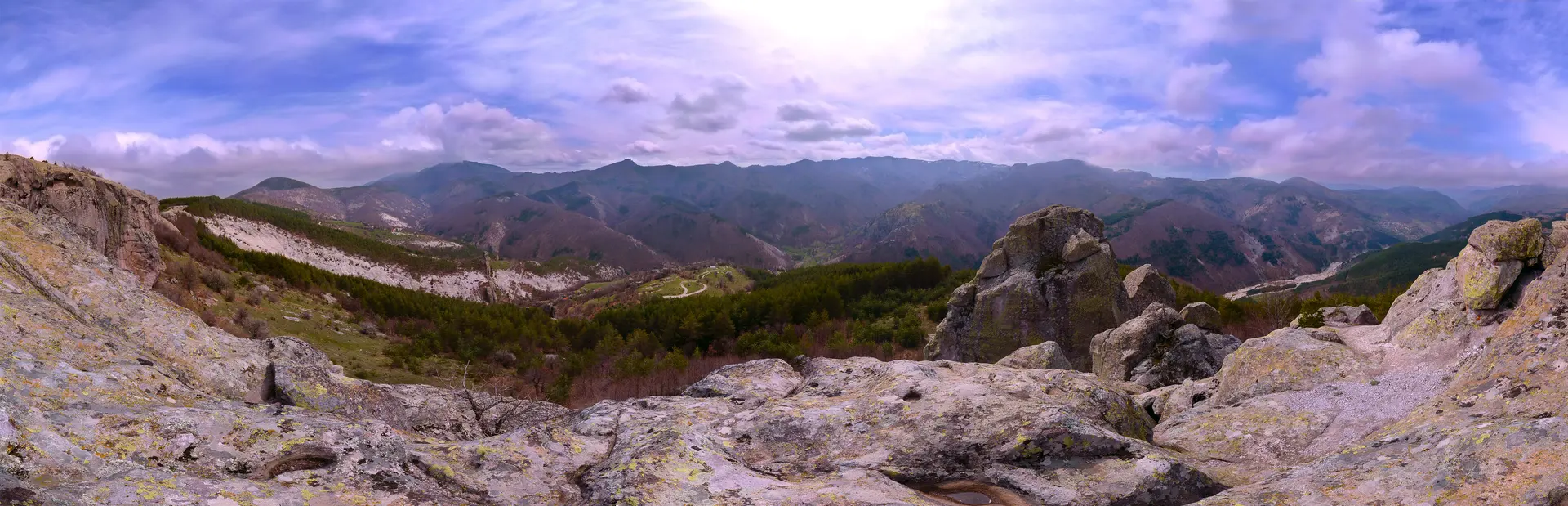
Belintash
Near Mostovo (central Rhodope Mountains), Plovdiv, Bulgaria
Belintash is a bare rock plateau at 1,225 meters in the central Rhodope Mountains, where the Thracian Bessi tribe once maintained a sanctuary to Sabazios, their sky god....
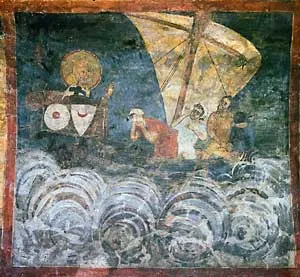
Boyana Church
Sofia, Sofia City Province, Bulgaria
Boyana Church is a three-part medieval church ensemble on Sofia’s outskirts and a UNESCO World Heritage property....

Cave of Saint John of Rila
Rila Monastery, Kyustendil Province, Bulgaria
Cave of Saint John of Rila is a documented sacred site in Rila Monastery, Kyustendil Province, Bulgaria, connected with Bulgarian Orthodox Christianity....

Cherepish Monastery
Lyutibrod, Vratsa Province, Bulgaria
Cherepish Monastery is a documented monastery in Lyutibrod, Vratsa Province, Bulgaria, connected with Bulgarian Orthodox Christianity....
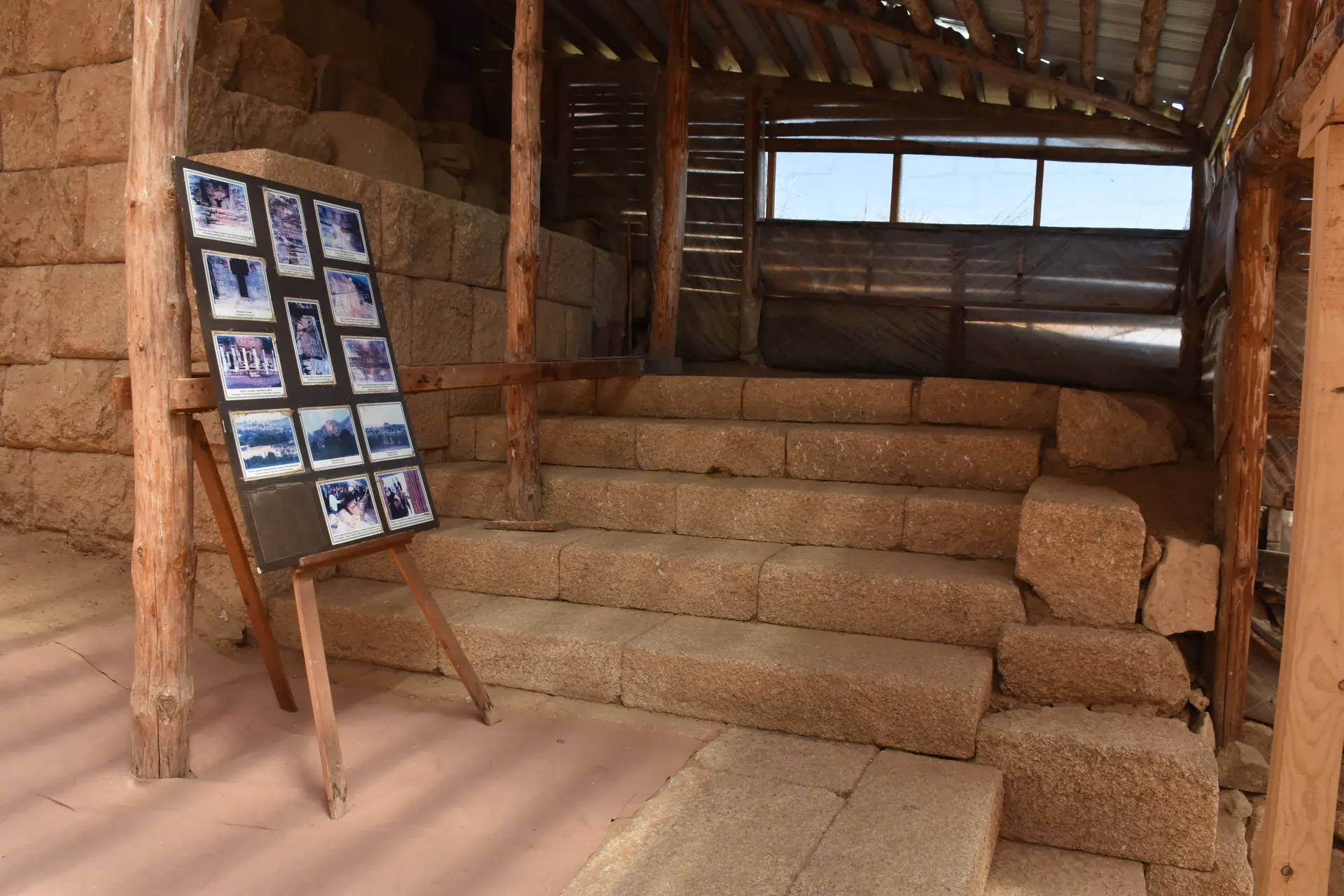
Chetinyova Mogila
Starosel, Plovdiv Province, Bulgaria
Chetinyova Mogila is the monumental mound often marketed as the Starosel Tomb. Its circular chamber, stone enclosure, corridor, and decorated architectural elements...
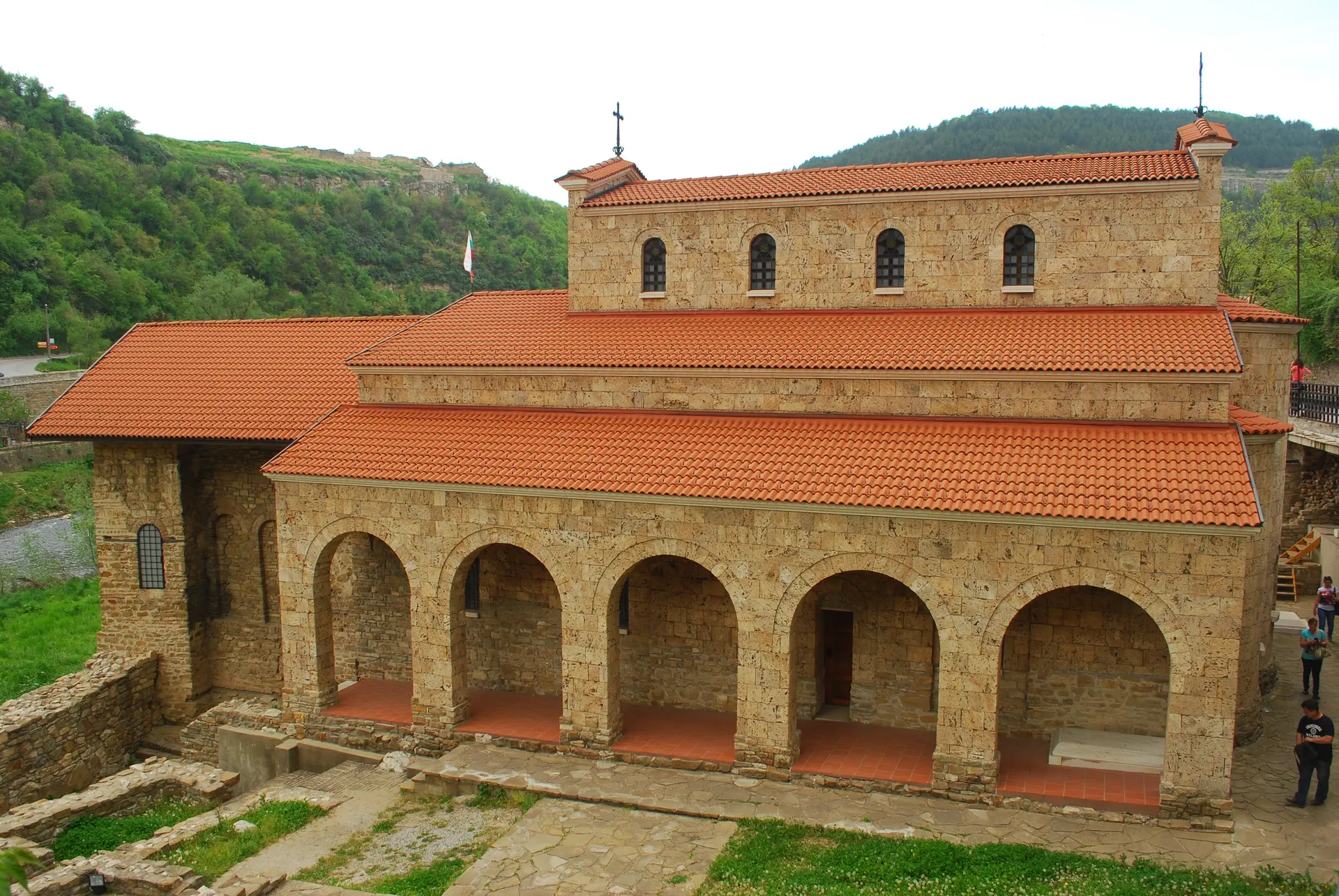
Church of the Holy Forty Martyrs
Veliko Tarnovo, Veliko Tarnovo Province, Bulgaria
The Church of the Holy Forty Martyrs is a medieval royal church at the foot of Tsarevets, now presented through the Regional Museum of History in Veliko Tarnovo....
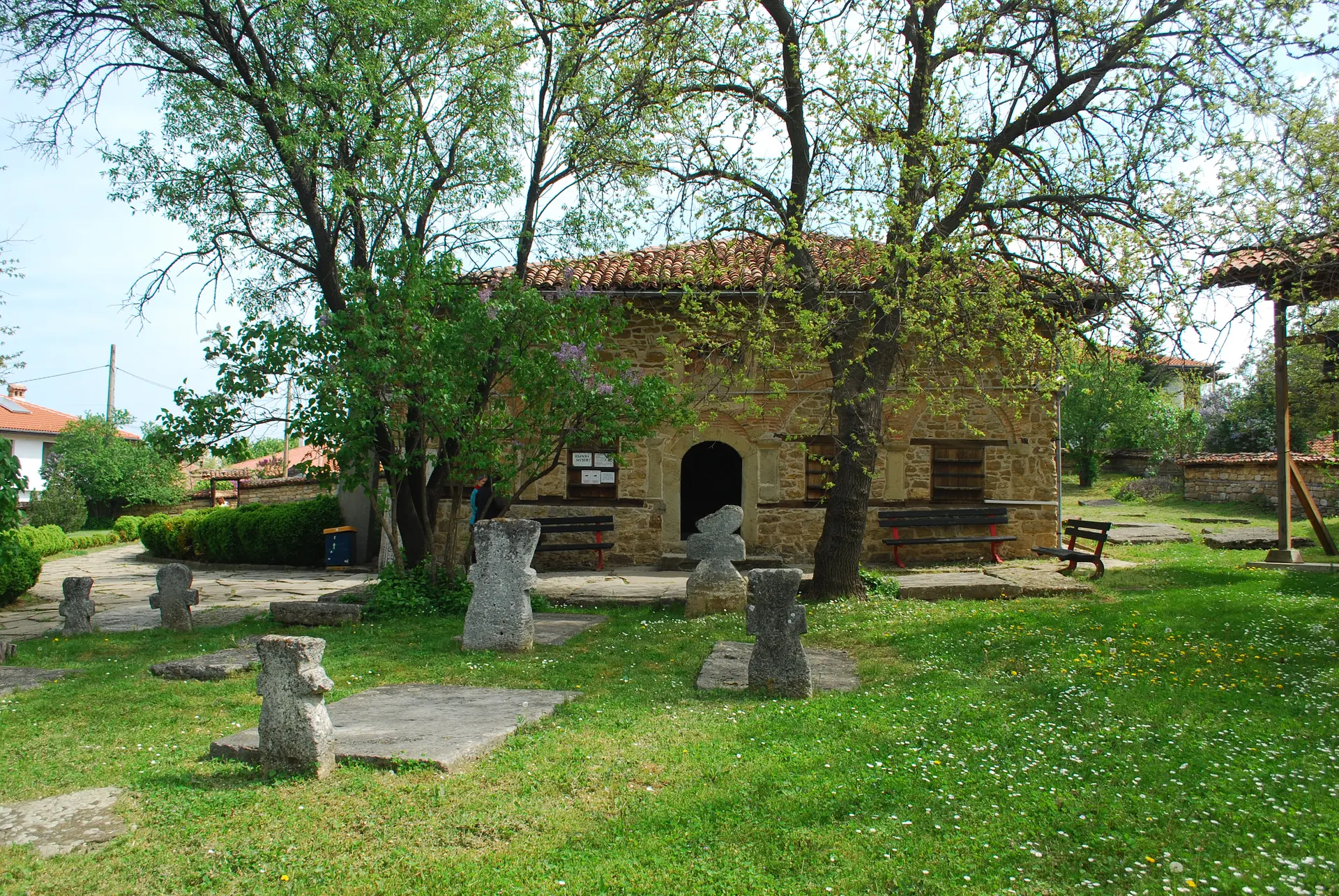
Church of the Nativity of Christ
Tarnovo pilgrimage circuit, Arbanasi, Bulgaria
The Church of the Nativity in Arbanasi is a protected historic church administered by the Regional Museum of History in Veliko Tarnovo....

Demir Baba Teke, near the village of Sveshtari, Bulgaria
Malak Porovets, Razgrad, Bulgaria
Demir Baba Teke is an Alevi Muslim shrine built in the 16th century over Thracian rock altars dating to the 4th century BC....

Dolni Glavanak Cromlech
Dolni Glavanak, Haskovo, Bulgaria
The Dolni Glavanak Cromlech is the best-preserved stone circle in Bulgaria, a ring of fifteen deliberately pyramid-shaped stones arranged by Thracian communities some...

Dragalevtsi Monastery
Sofia, Sofia City Province, Bulgaria
Dragalevtsi Monastery is a documented monastery in Sofia, Sofia City Province, Bulgaria, connected with Bulgarian Orthodox Christianity....

Dryanovo Monastery
Dryanovo, Gabrovo Province, Bulgaria
Dryanovo Monastery is a documented monastery in Dryanovo, Gabrovo Province, Bulgaria, connected with Bulgarian Orthodox Christianity....

Etropole Monastery
Etropole, Sofia Province, Bulgaria
Etropole Monastery is a documented monastery in Etropole, Sofia Province, Bulgaria, connected with Bulgarian Orthodox Christianity....
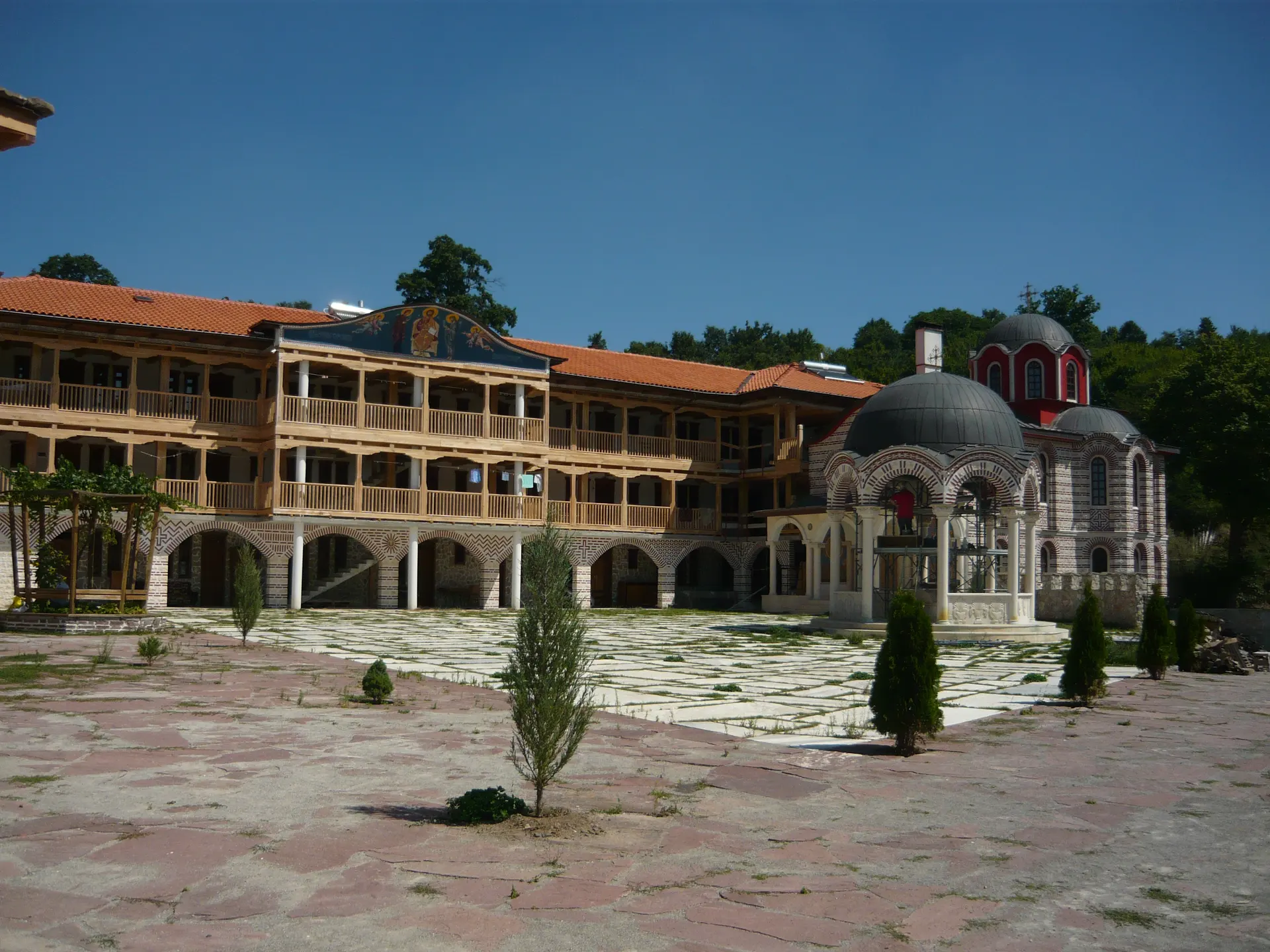
Gigintsi Monastery
Gigintsi, Pernik Province, Bulgaria
Gigintsi Monastery, also called Chernogorski Monastery, is an active Orthodox monastery in Pernik Province....

Glozhene Monastery
Glozhene, Lovech Province, Bulgaria
Glozhene Monastery is a documented monastery in Glozhene, Lovech Province, Bulgaria, connected with Bulgarian Orthodox Christianity....
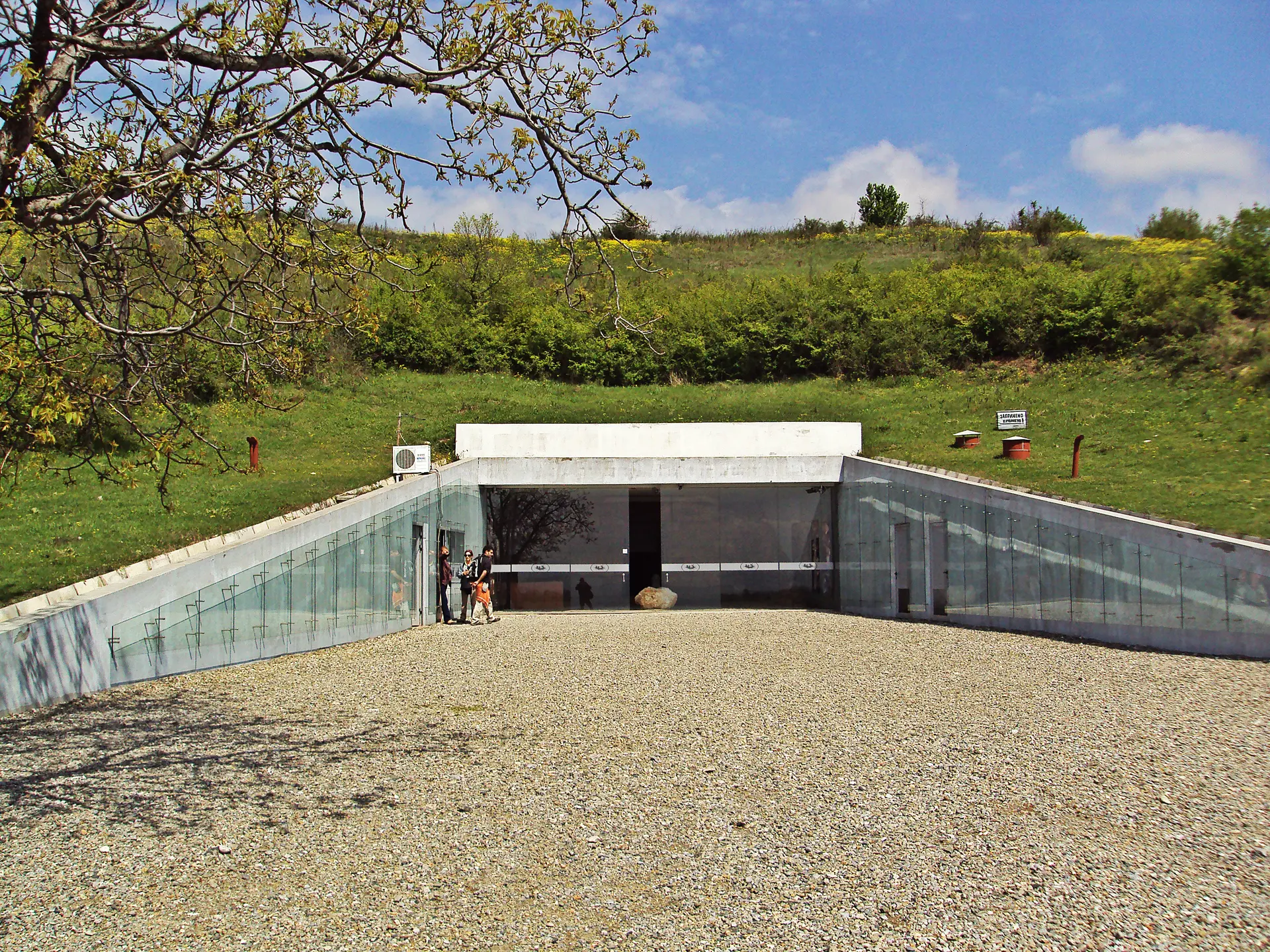
Golyama Kosmatka Tomb of Seuthes III
Shipka, Stara Zagora Province, Bulgaria
Golyama Kosmatka is a monumental Thracian mound and tomb near Shipka in the Valley of the Thracian Kings....
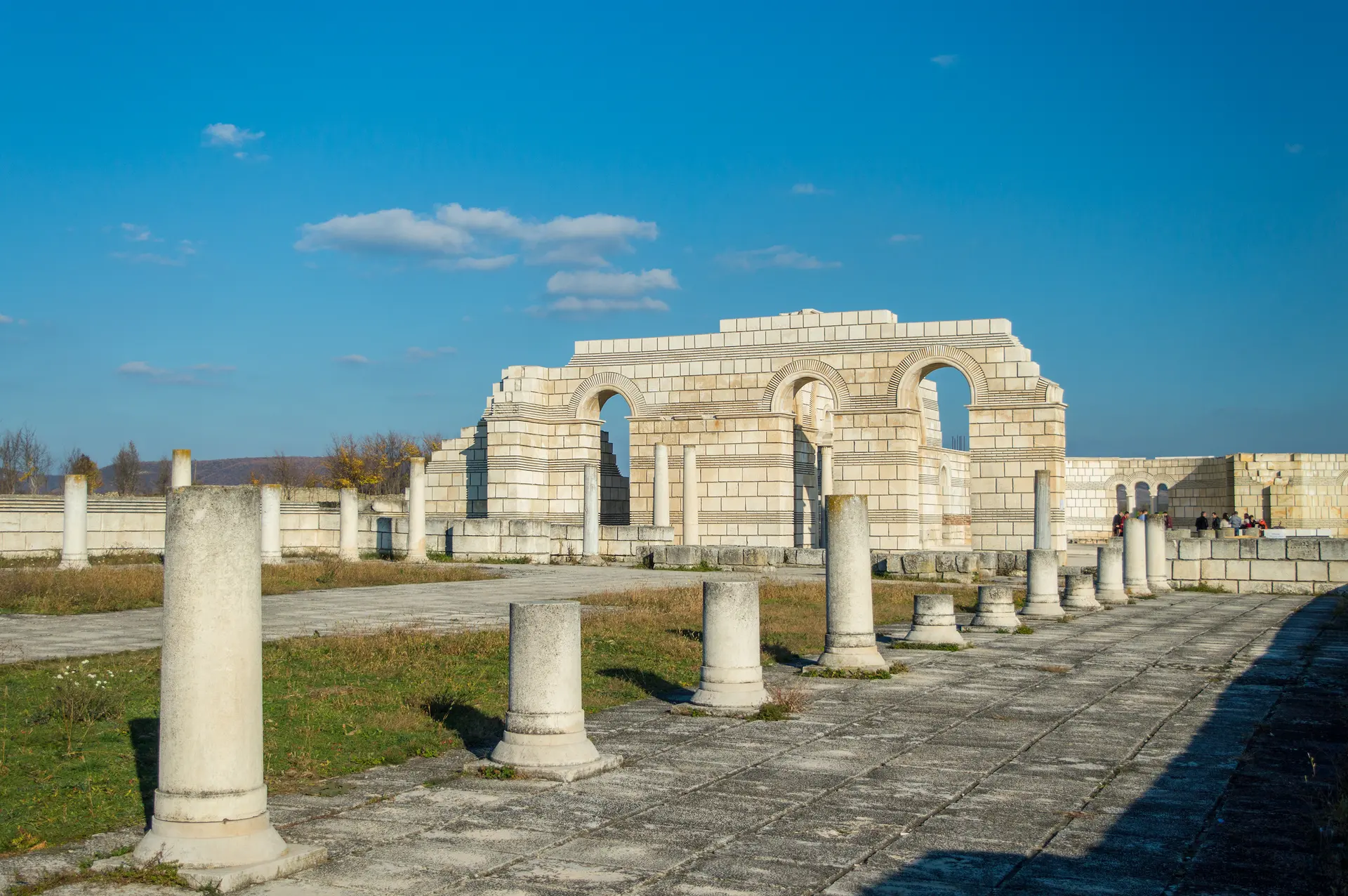
Great Basilica of Pliska
Pliska, Shumen Province, Bulgaria
The Great Basilica is a major early medieval Christian monument within the Pliska National Historical and Archaeological Reserve....

Horizont tumulus, Kozi Gramadi
Plovdiv, Bulgaria
The Horizont Tumulus near Starosel contains the only known Thracian heroon with a colonnade of Doric columns....

Kapinovo Monastery
Kapinovo, Veliko Tarnovo Province, Bulgaria
Kapinovo Monastery stands beside the Veselina River south of Veliko Tarnovo, its church and fortified-looking residential ranges holding together medieval memory, active...

Karadjov kamak, Mostovo
Plovdiv, Bulgaria
Karadjov Kamak rises to 1,448 meters in the Rhodope Mountains, a massive rock plateau where the Bessi tribe, the priestly caste of the Thracians, practiced their cult of...
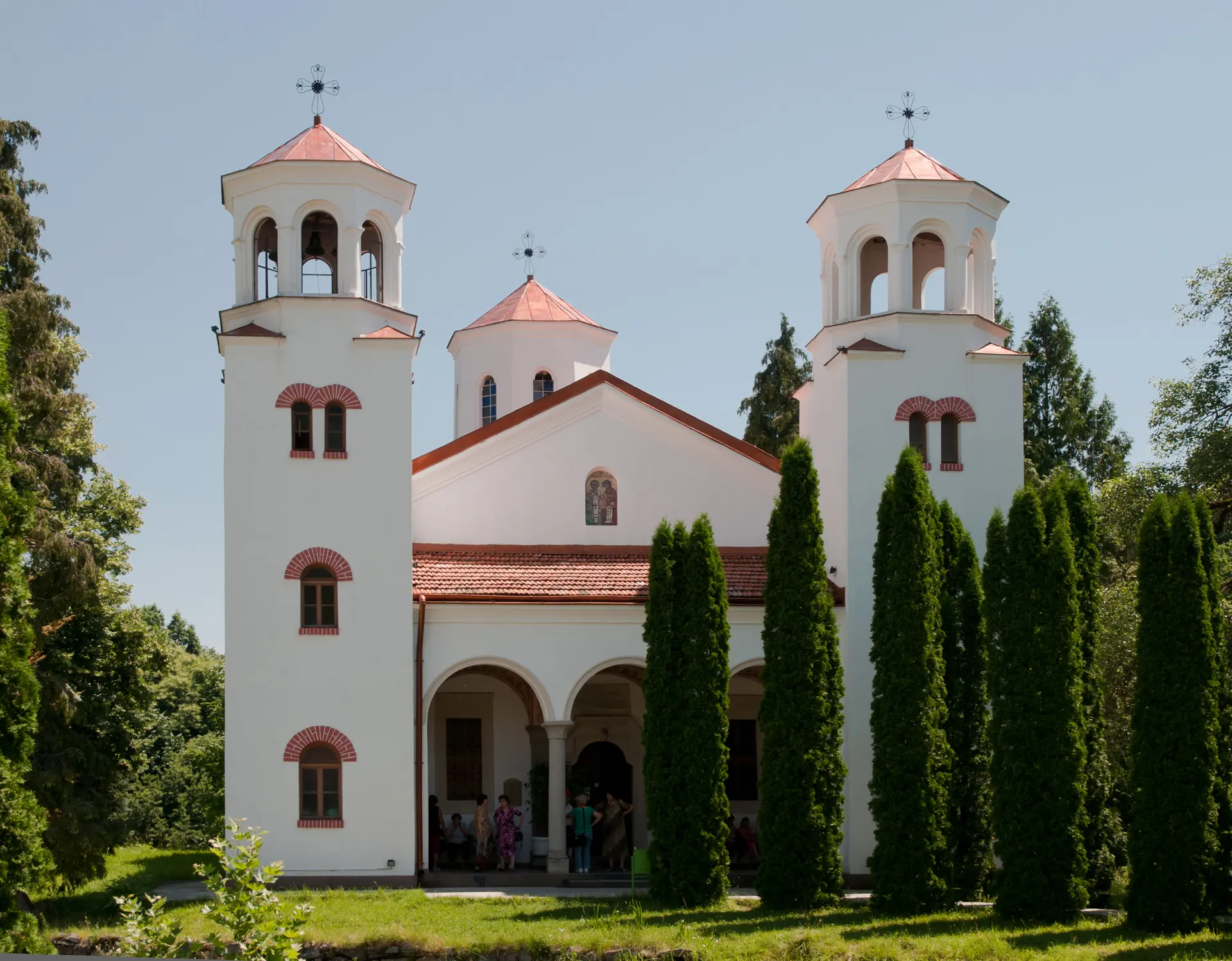
Klisura Monastery
Barzia / Varshets, Montana Province, Bulgaria
Klisura Monastery of Saints Cyril and Methodius is an active Bulgarian Orthodox monastery near Barzia and Varshets....

Kremikovtsi Monastery
Sofia, Sofia City Province, Bulgaria
Kremikovtsi Monastery is a documented monastery in Sofia, Sofia City Province, Bulgaria, connected with Bulgarian Orthodox Christianity....
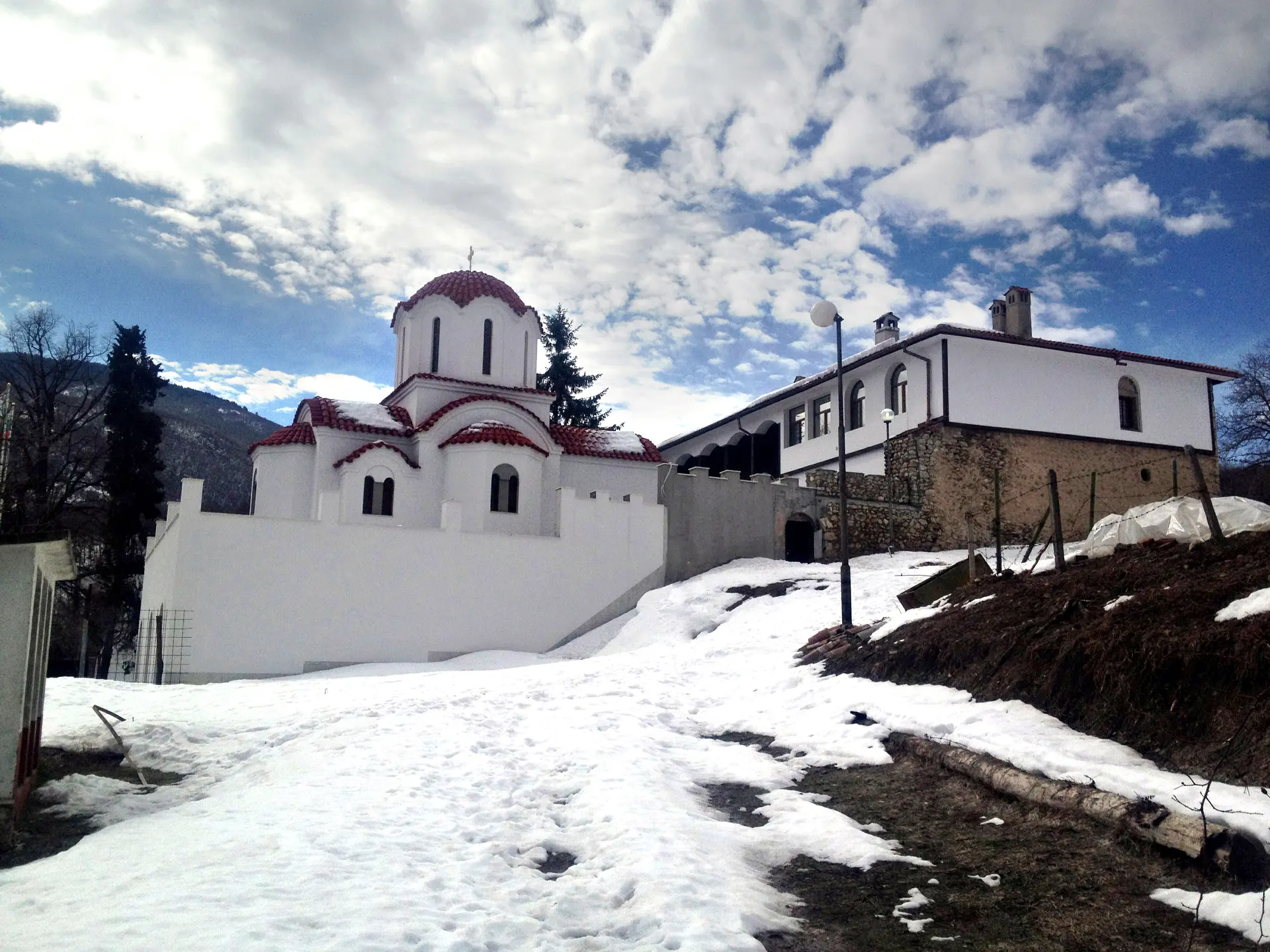
Kuklen Monastery
Kuklen, Plovdiv Province, Bulgaria
Kuklen Monastery of Saints Cosmas and Damian is an active Bulgarian Orthodox monastery near Kuklen, south of Plovdiv....

Lozen Monastery of Saint Saviour
Lozen / Sofia, Sofia City Province, Bulgaria
Lozen Monastery of Saint Saviour is a documented monastery in Lozen / Sofia, Sofia City Province, Bulgaria, connected with Bulgarian Orthodox Christianity....
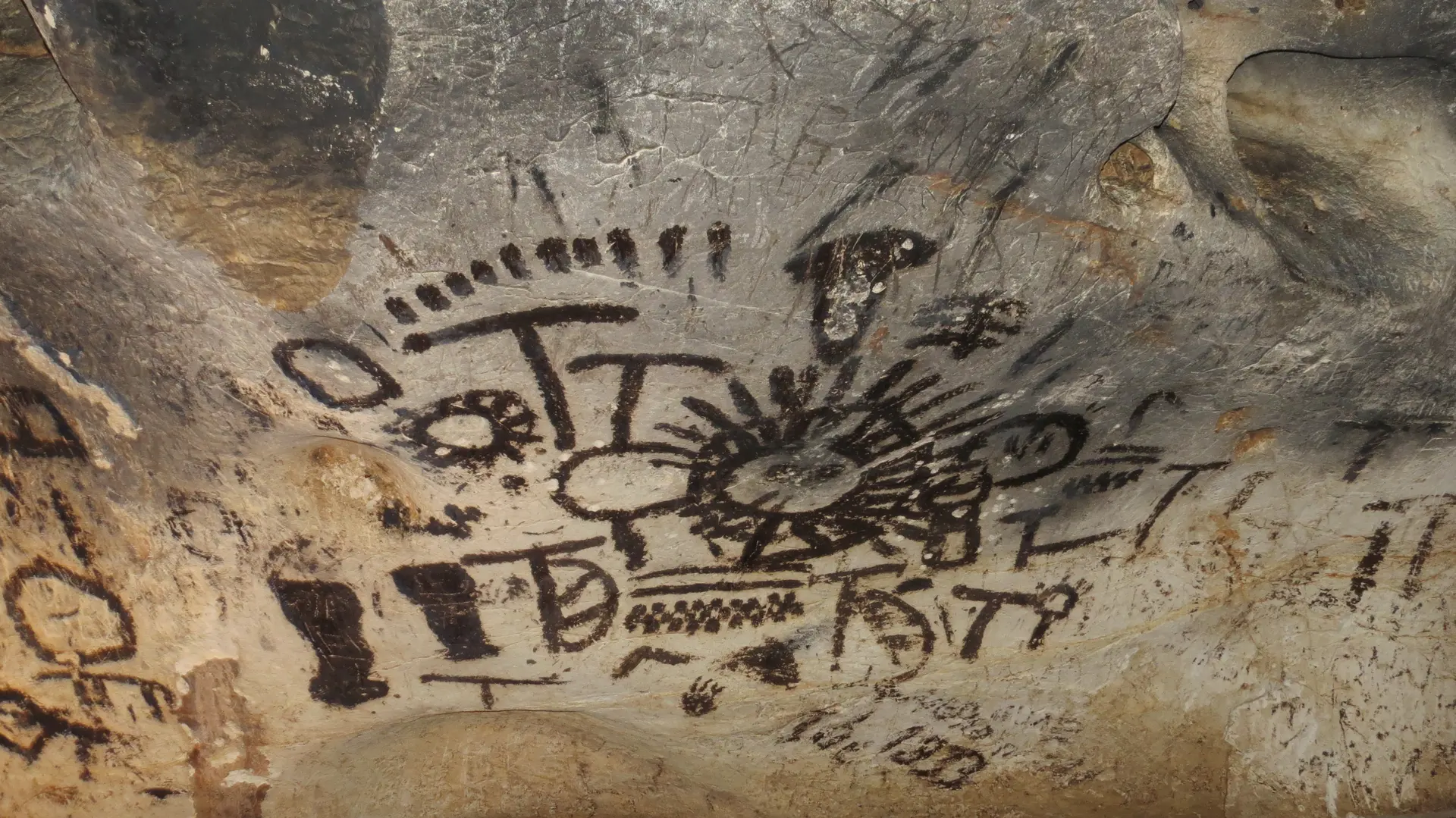
Magura Cave Rock Art
Rabisha, Vidin Province, Bulgaria
Magura Cave near Rabisha contains groups of prehistoric wall images in a side gallery....
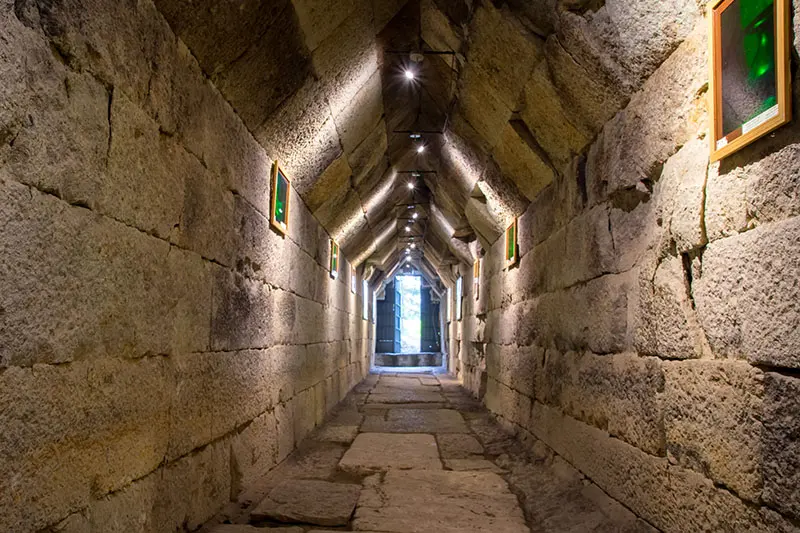
Mezek Thracian Tomb
Mezek, Haskovo Province, Bulgaria
The Mezek Thracian Tomb is a substantial beehive tomb near Mezek and Svilengrad....
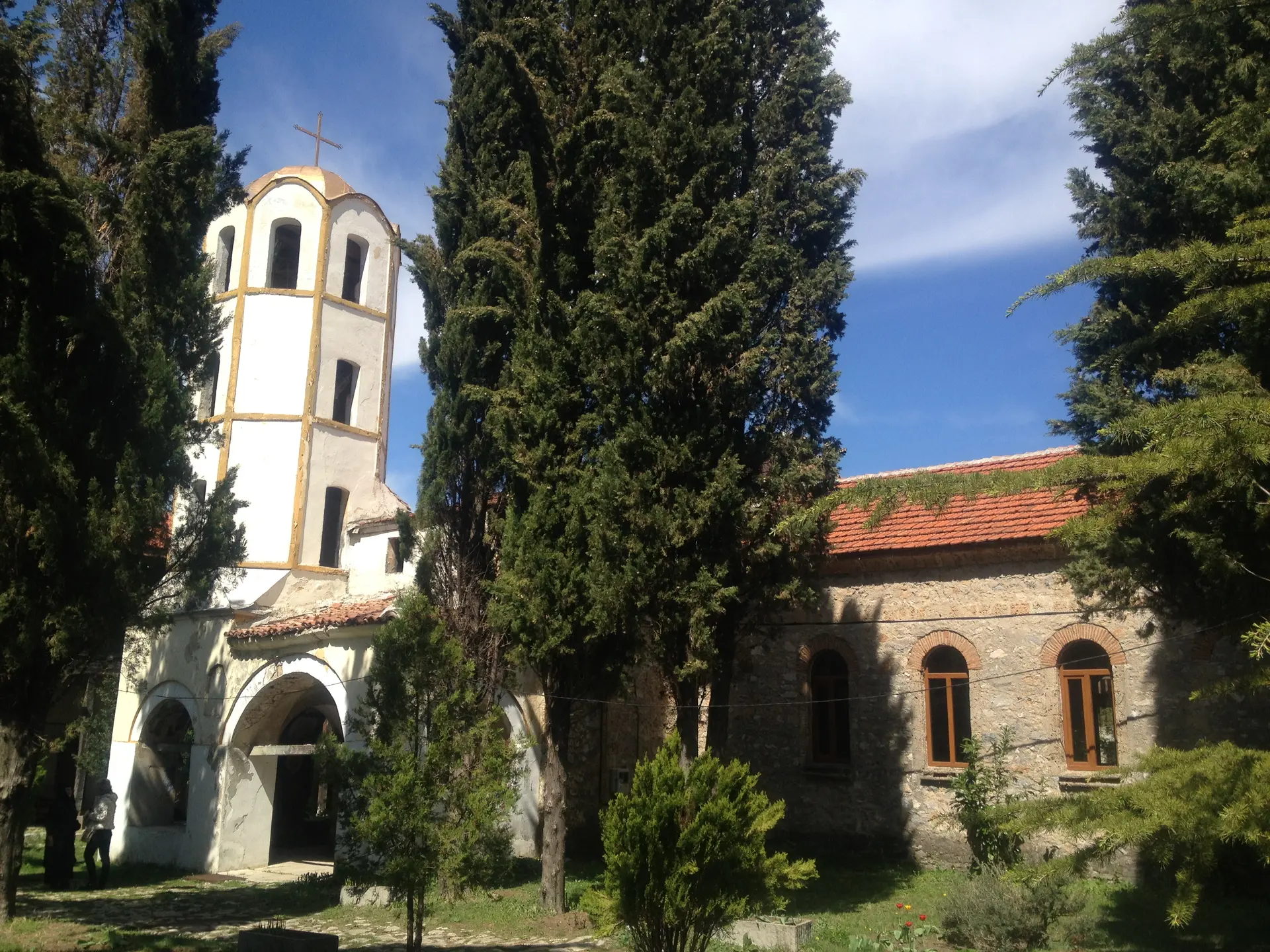
Muldava Monastery
Muldava / Asenovgrad, Plovdiv Province, Bulgaria
Muldava Monastery of Saint Petka is a Bulgarian Orthodox monastery near Muldava and Asenovgrad....

Osenovlashki Monastery
Osenovlag, Sofia Province, Bulgaria
Osenovlashki Monastery is a documented monastery in Osenovlag, Sofia Province, Bulgaria, connected with Bulgarian Orthodox Christianity....
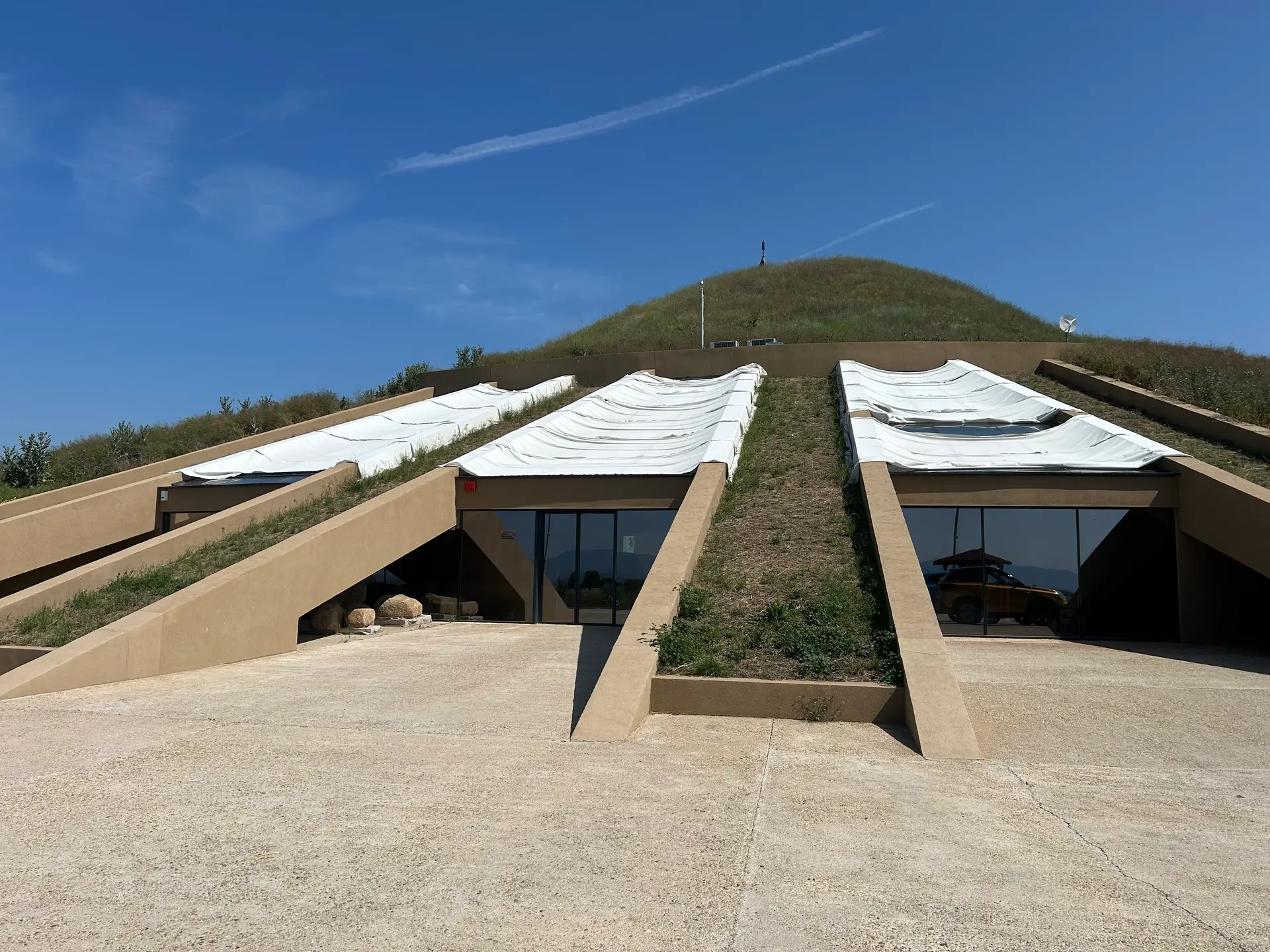
Ostrusha Tomb
Shipka, Stara Zagora Province, Bulgaria
Ostrusha is a specific Thracian funerary complex beneath a mound near Shipka. Its chambered architecture and surviving painted decoration belong to the wider royal...

Patriarchal Monastery of the Holy Trinity
Veliko Tarnovo, Veliko Tarnovo Province, Bulgaria
Patriarchal Monastery of the Holy Trinity is a documented monastery in Veliko Tarnovo, Veliko Tarnovo Province, Bulgaria, connected with Bulgarian Orthodox Christianity....

Perperikon
Gorna Krepost, Kardzhali, Bulgaria
Perperikon is a city carved entirely from volcanic rock, rising from a hilltop in the eastern Rhodope Mountains....

Plakovo Monastery
Plakovo, Veliko Tarnovo Province, Bulgaria
Plakovo Monastery of St Elijah the Prophet lies in the wooded hills south of Veliko Tarnovo, about two kilometres from Kapinovo Monastery....
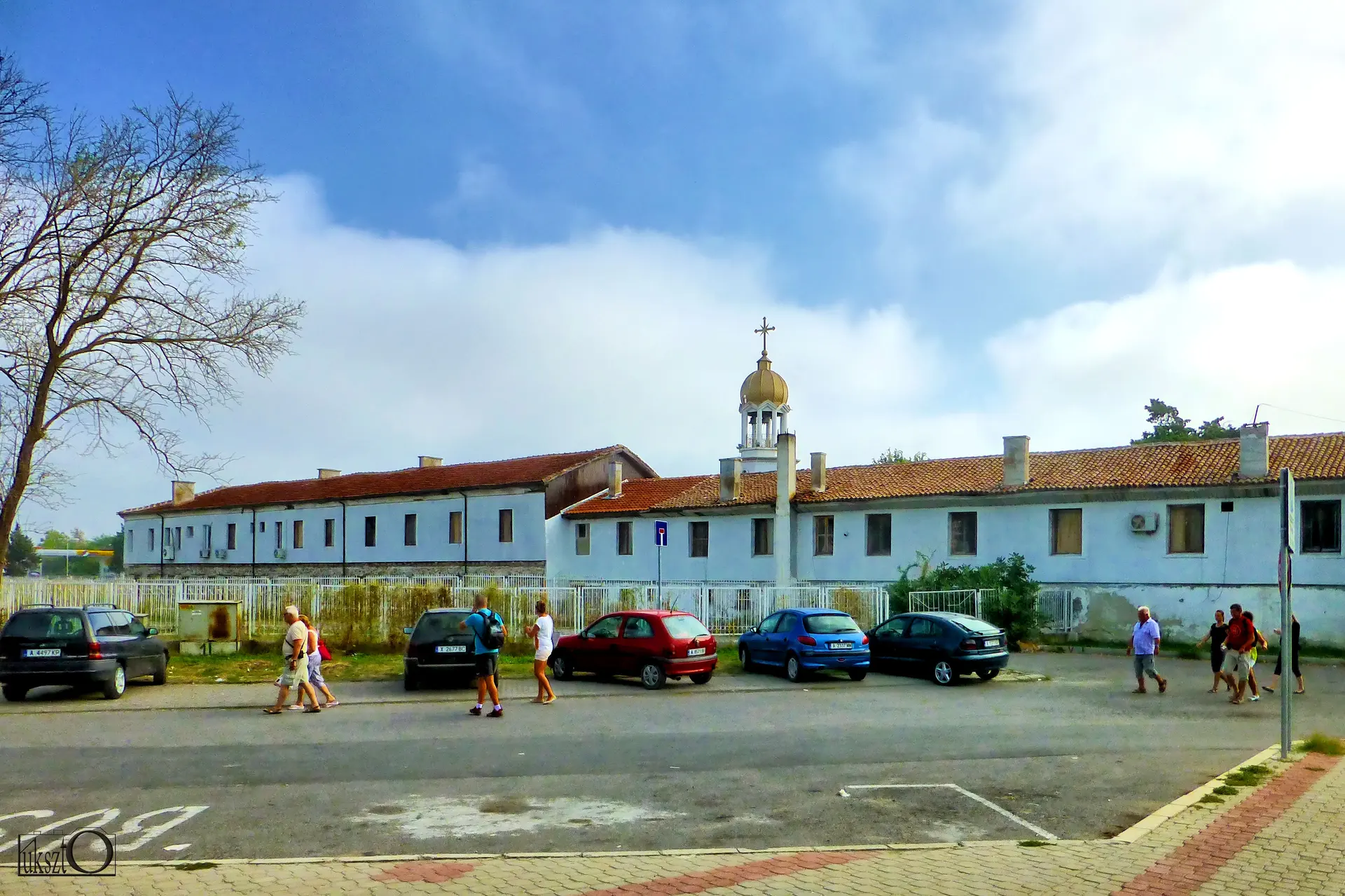
Pomorie Monastery of Saint George
Pomorie, Burgas Province, Bulgaria
Pomorie Monastery of Saint George is an active Bulgarian Orthodox monastery in Pomorie....
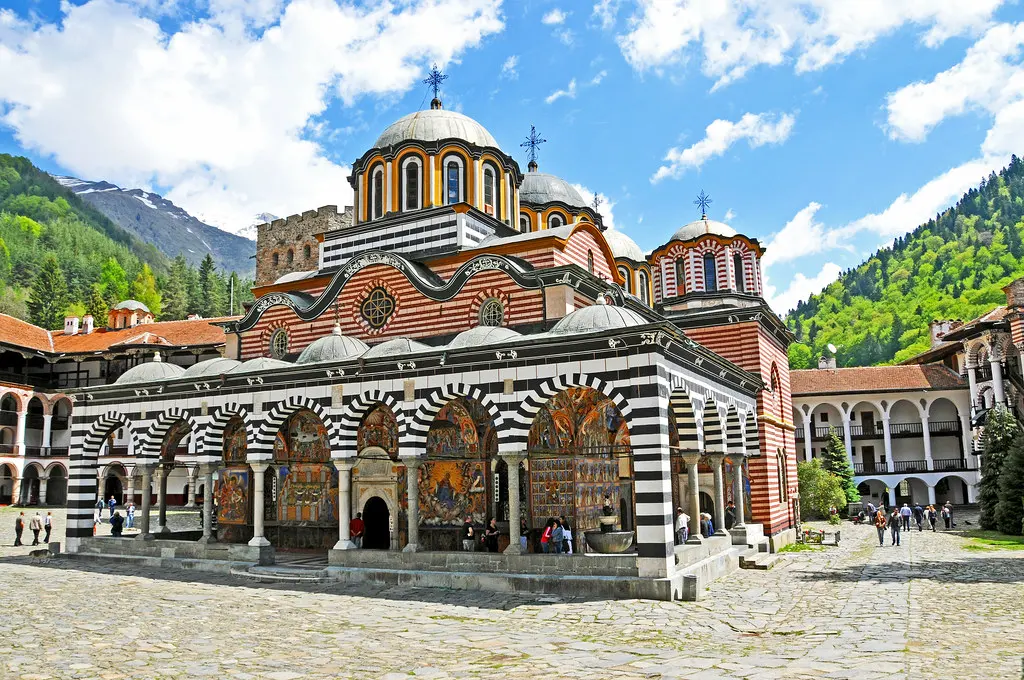
Rila
Kyustendil, Bulgaria
Rila Monastery has been the spiritual center of Bulgarian Orthodox Christianity for over a thousand years. Founded in the 10th century by the hermit St....

Rock-Hewn Churches of Ivanovo
Ivanovo, Ruse Province, Bulgaria
Rock-Hewn Churches of Ivanovo is a documented church in Ivanovo, Ruse Province, Bulgaria, connected with Bulgarian Orthodox Christianity....
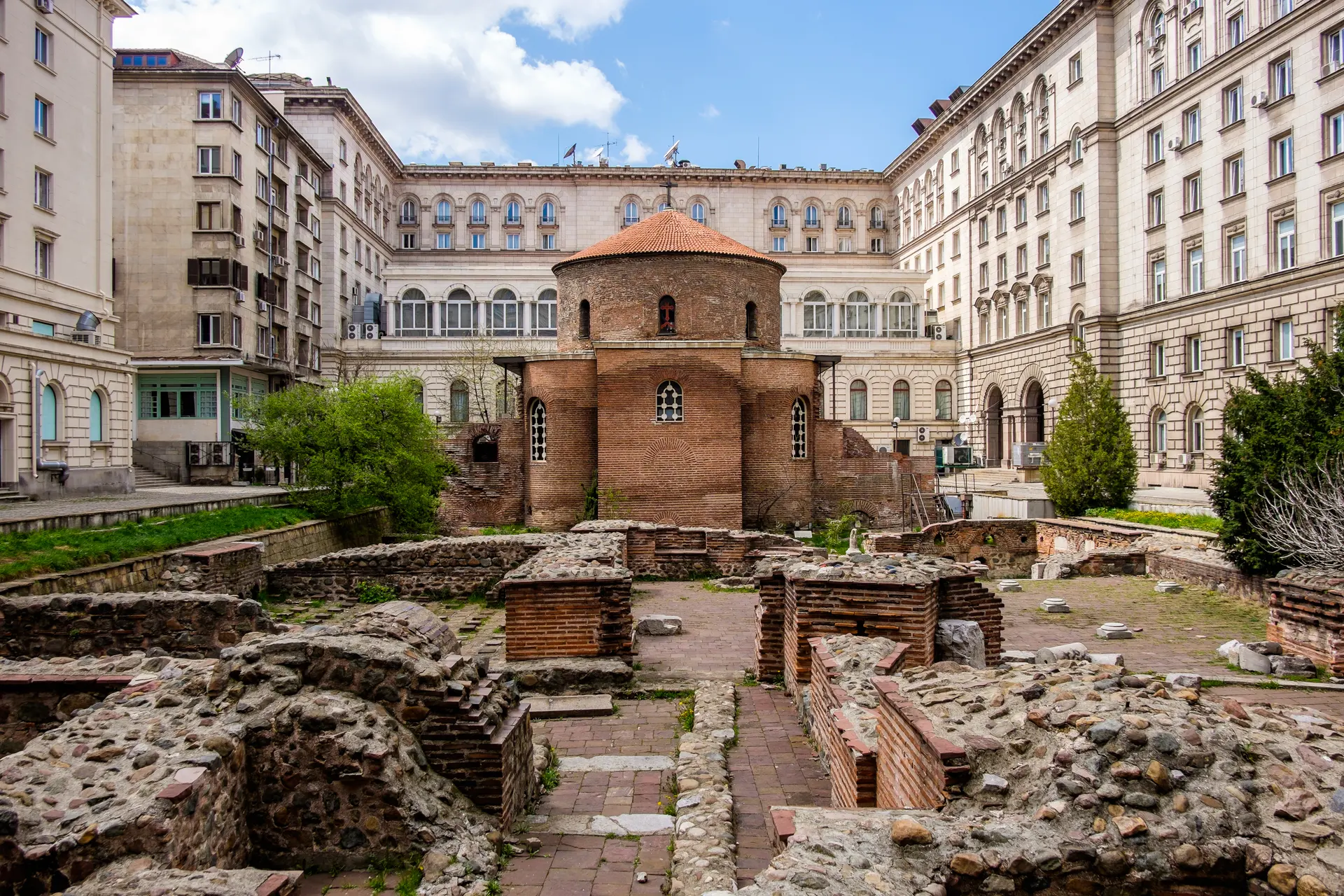
Rotunda of Saint George
Sofia, Sofia City Province, Bulgaria
The Rotunda of Saint George is an early Christian monument in central Sofia and a functioning Bulgarian Orthodox church....

Rozhen Monastery
Rozhen, Blagoevgrad Province, Bulgaria
Rozhen Monastery is a documented monastery in Rozhen, Blagoevgrad Province, Bulgaria, connected with Bulgarian Orthodox Christianity....
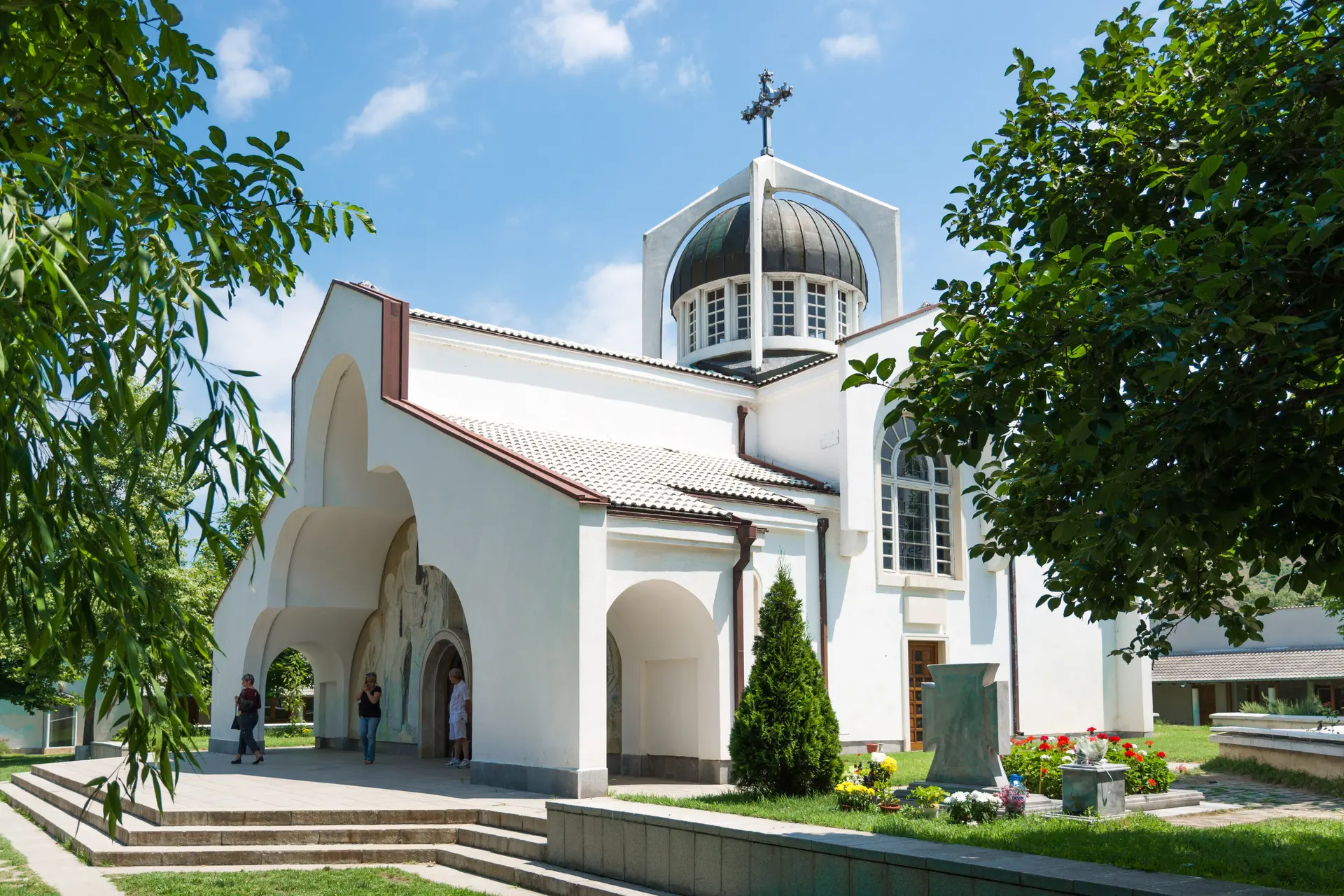
Rupite Church of Saint Petka
Rupite / Petrich, Blagoevgrad Province, Bulgaria
The Church of Saint Petka of Bulgaria is the memorial church built at Rupite with funds provided by Vanga and consecrated in 1994....

Russian Church of Saint Nicholas
Sofia, Sofia City Province, Bulgaria
The Church of Saint Nicholas the Miracle-Maker is the Russian Orthodox metochion in central Sofia....
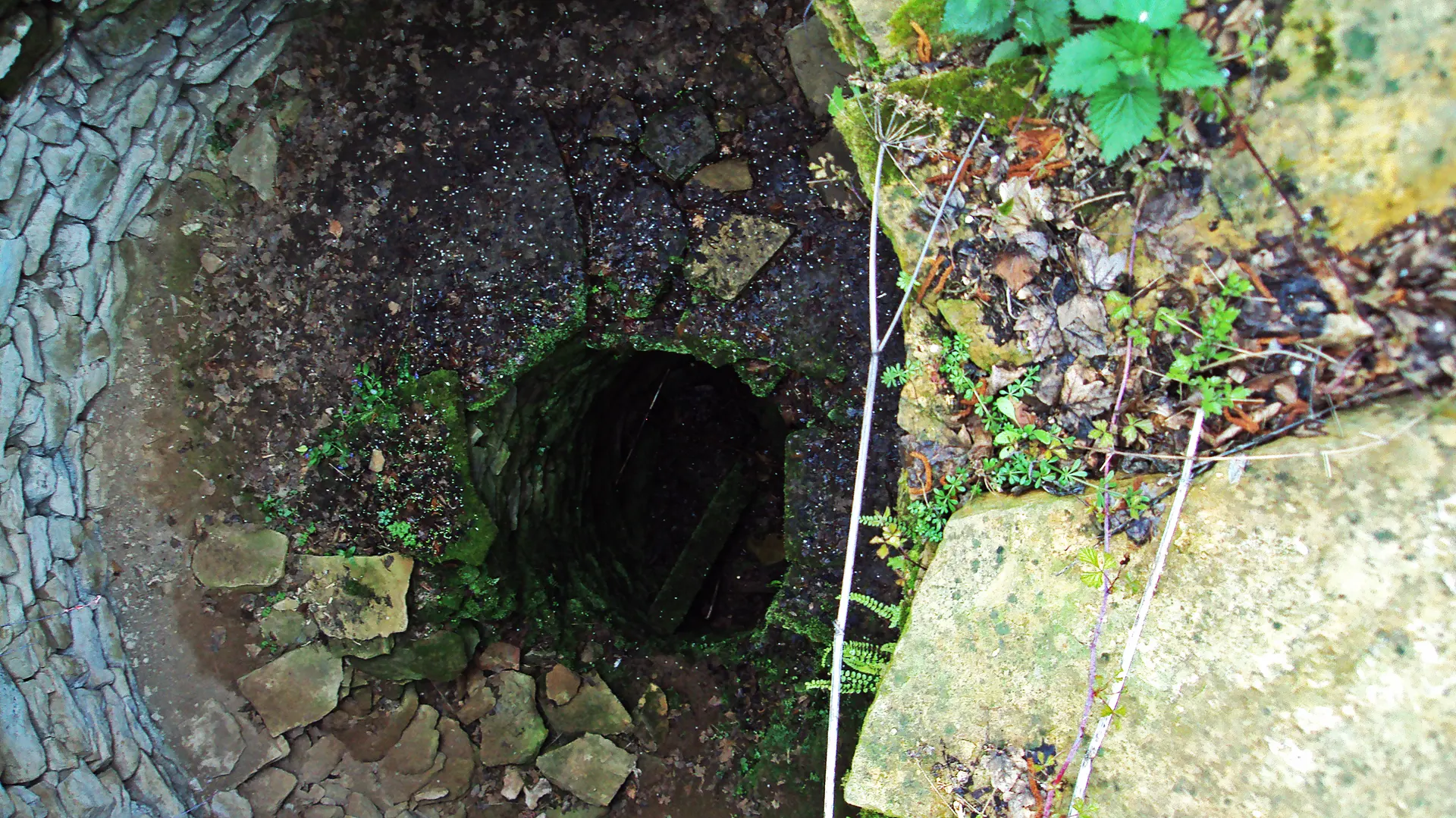
Sacred pit of Garlo, Bulgaria
Krasava, Pernik, Bulgaria
Near the village of Garlo in western Bulgaria, thirteen stone steps descend into the earth to a round domed chamber built over three thousand years ago....
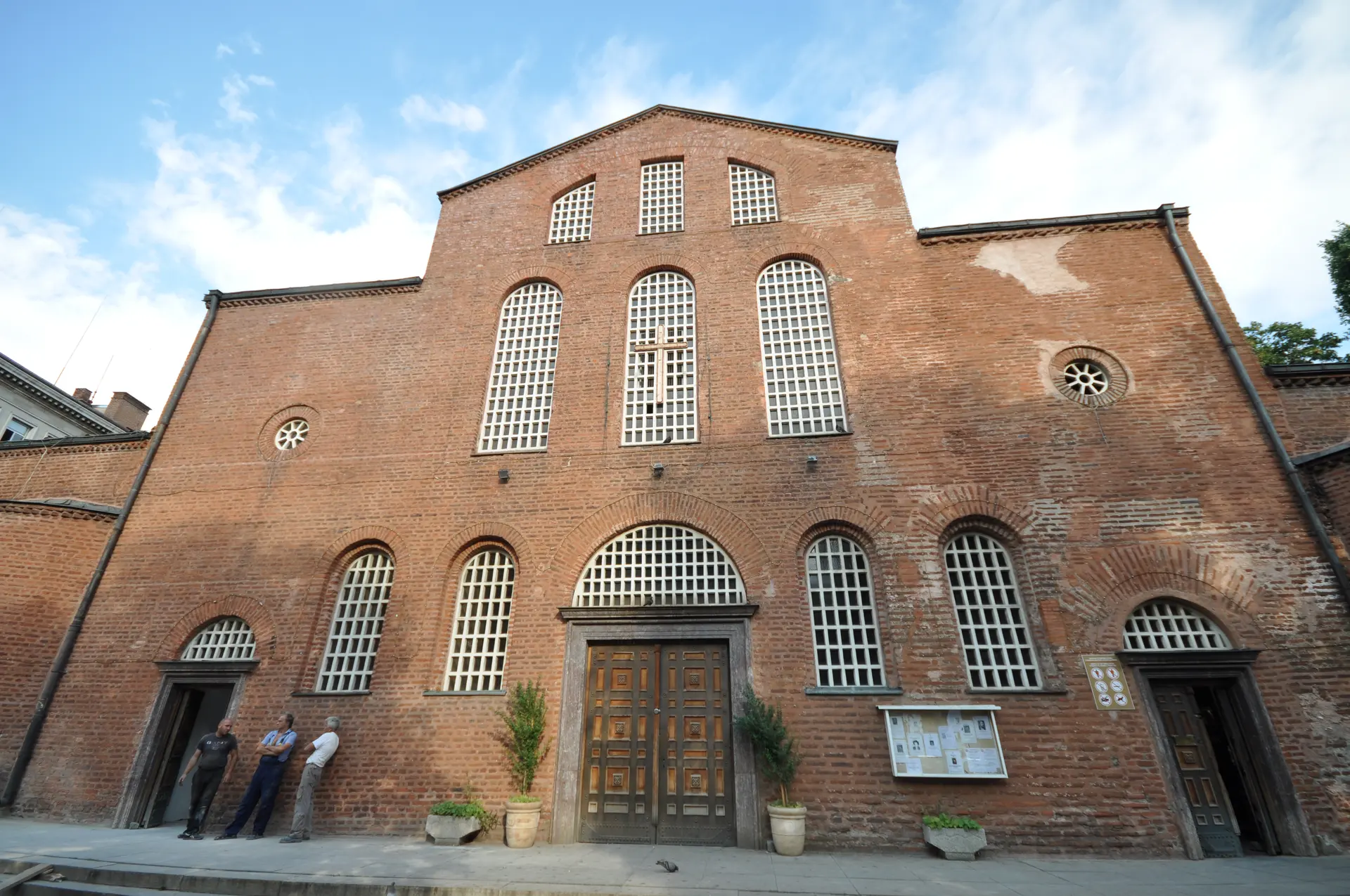
Saint Sofia Church
Sofia, Sofia City Province, Bulgaria
Saint Sofia Church is a functioning Bulgarian Orthodox church and the historic namesake of Bulgaria’s capital....
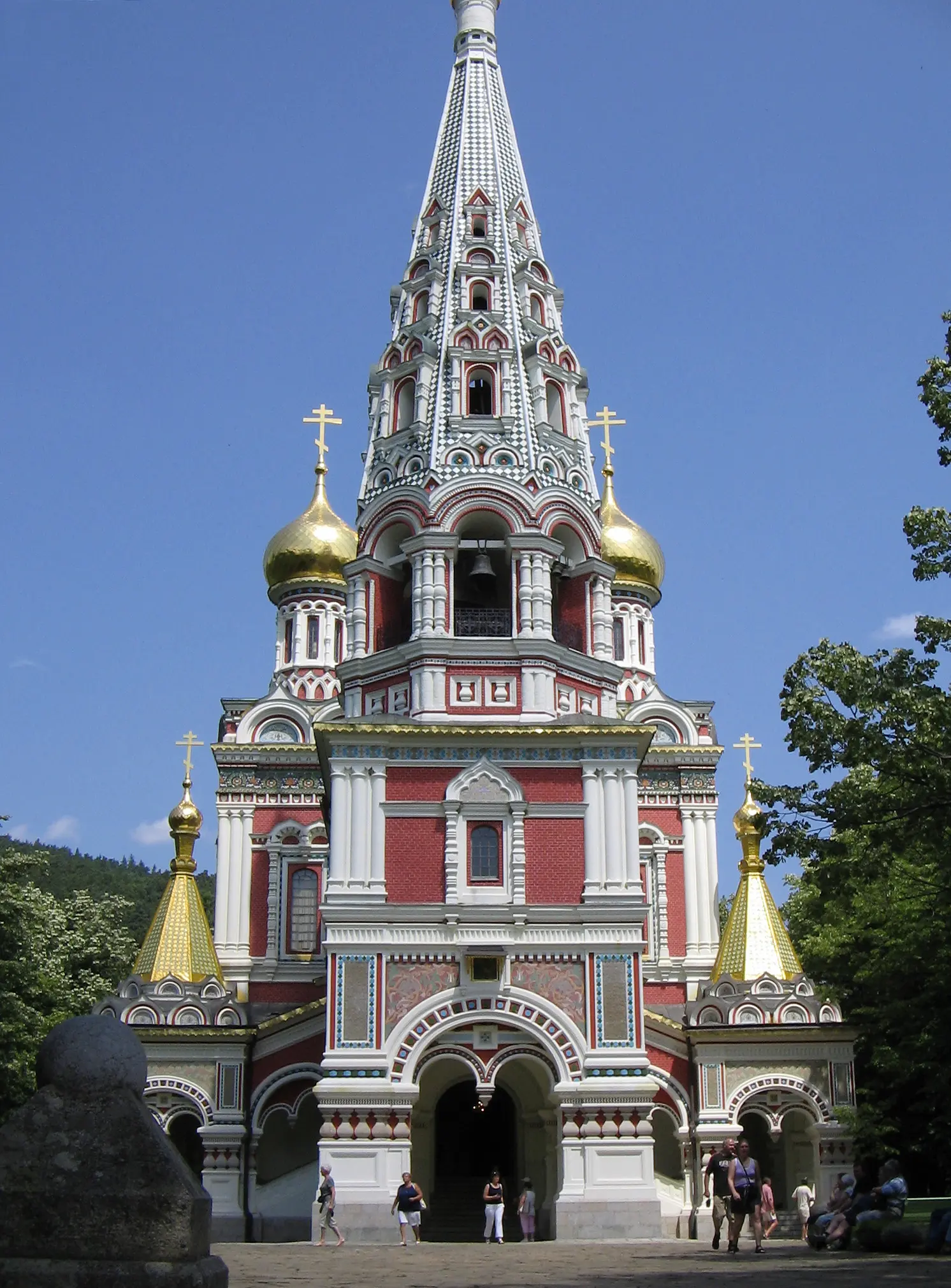
Shipka Memorial Church
Shipka, Stara Zagora Province, Bulgaria
Shipka Memorial Church is the Orthodox Church of the Nativity near the town of Shipka....

Sokolski Monastery
Etar / Gabrovo, Gabrovo Province, Bulgaria
Sokolski Monastery is a documented monastery in Etar / Gabrovo, Gabrovo Province, Bulgaria, connected with Bulgarian Orthodox Christianity....
Showing 1-48 of 56 sites
Key questions
Bulgaria sacred-site questions
What sacred sites can I explore in Bulgaria?
Pilgrim Map lists sacred places in Bulgaria across living worship sites, heritage landmarks, pilgrimage destinations, and culturally significant landscapes. The current guide lists 56 sites organized by region and tradition.
Which traditions are represented in Bulgaria?
The most represented traditions include Bulgarian Orthodox Christianity, Historical regional religious traditions, Ancient Greek and Roman, Christianity, Celtic and Prehistoric, Islam.
How should I plan a sacred-site visit in Bulgaria?
Start with regional clusters, compare nearby places on the map, then open individual site pages for coordinates, etiquette, and sacred context where available.
Can I view Bulgaria sacred sites on a map?
Yes. Switch to map view to compare geographic clusters, then open individual site pages for coordinates, visiting context, and related places.