Kamigamo-jinja Shrine
Thunder, mountain form, and cultivated water at Kyoto’s upper Kamo shrine
Understand sacred places, explore living traditions, and learn how to engage respectfully with Pilgrim Map.
Access has not been verified. Check current local guidance before planning a visit.
Kyoto, Kyoto Prefecture, Japan
Read the sources
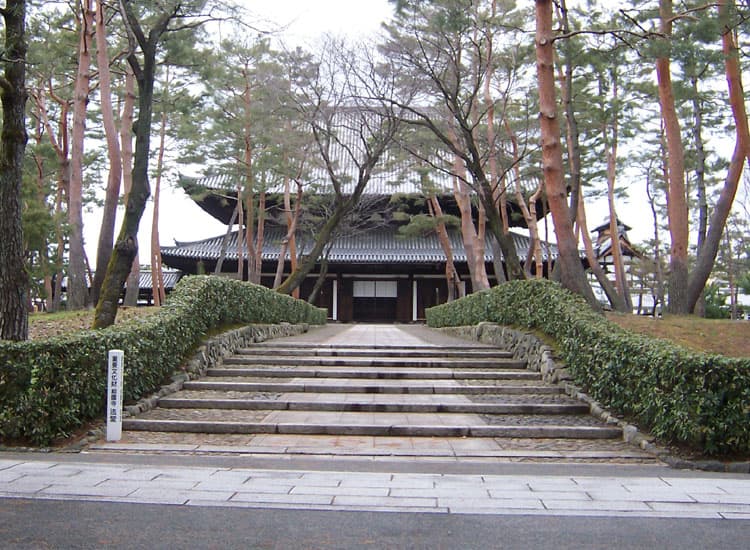
Image of Kamigamo-jinja Shrine. Image source
Visit essentials
A quick read before you go
- Duration
- Let Kamigamo-jinja Shrine's available route determine the duration.
- Access
- Check transport, admission, booking, and mobility with Kamigamo-jinja Shrine.
Overview
Kamigamo's approach opens across a broad lawn and shallow Nara stream toward two white-sand cones, the tatesuna, before the worship buildings. Recalling sacred Mount Kōyama, they show that landscape participates in worship of the thunder deity Kamo Wake-ikazuchi. Water, mountain form, planted ground, and architecture together express protection rather than presenting one object for admiration.
Kamigamo and Shimogamo are the paired Kamo shrines. During Aoi Matsuri, an imperial-style procession travels from Kyoto's palace area to both sanctuaries. More than costume pageantry, its rites renew the protective relationship among Kamo deities, city, and imperial court; visitors can recognize that living act while leaving interpretation to shrine authorities.
Kamigamo's commonly given foundation date is 678, though its sacred geography and Kamo clan associations exceed one construction event. Present buildings reflect later Japanese renewal of important sanctuaries. UNESCO includes it among the Historic Monuments of Ancient Kyoto, a cultural designation that does not replace active Shinto prayer.
After the tatesuna, gates and roofed halls narrow the openness and distinguish approachable space from areas reserved for ritual personnel. Wash at the temizuya when operating, walk beside the central axis, wait during ceremonies, and treat ropes and low barriers as religious boundaries rather than photographic invitations.
The connection among thunder, cultivated water, and mountain presence needs no claim of universal spiritual effect. Generations have worshipped Kamo Wake-ikazuchi here, and contemporary priests continue. Prayer, festival memory, tatesuna, and the stream's ordinary movement belong to one cultivated, inhabited, ritually maintained institution.
Why this place is sacred
Kamo Wake-ikazuchi gives Kamigamo its sacred focus. The tatesuna recall the form of sacred Kōyama, while the Nara stream places water inside the shrine’s ritual landscape. These elements do not establish a universal nature spirituality; they express the particular protective relationship maintained by the Kamo shrine and its priesthood.
Kamigamo-jinja Shrine centers religious attention on Kamo Wake-ikazuchi-no-Ōkami.
Kamigamo-jinja Shrine endures through custodianship, repair, and continuing observance.
Experience and orientation
Walk the broad lawn before entering the tighter sequence of gates and worship buildings. At the tatesuna, remain outside the marked boundary and allow prayer traffic to pass. Purify where facilities are operating, then use the side of the central approach. The stream and sand cones deserve attention without becoming platforms for staged photographs.
Use Kamigamo-jinja Shrine's current directions and posted route.
Context and lineage
Kamigamo and Shimogamo form Kyoto's linked Kamo shrines; their Aoi Matsuri preserves an imperial ritual relationship. Later fabric at Kamigamo-jinja Shrine reflects renewal, not one construction moment.
Shinto
Traditions and practice
At Kamigamo-jinja Shrine, established observance includes purification, quiet prayer, seasonal rites, and participation in the living Aoi Matsuri tradition.
Kamigamo-jinja Shrine's custodians continue services and religious care.
At Kamigamo-jinja Shrine, watch first; unfamiliar rites need not be copied.
Shinto
ActiveKamigamo-jinja Shrine remains a living Shinto institution.
See Kamigamo-jinja Shrine's documented practices above.
Perspectives and open questions
Kamigamo-jinja Shrine holds religious, historical, and material registers.
Scholarly perspective
Historical interpretation at Kamigamo-jinja Shrine follows its cited record.
Living and traditional perspectives
Shinto supplies Kamigamo-jinja Shrine's authoritative devotional frame.
Alternative interpretations
No esoteric overlay is asserted for Kamigamo-jinja Shrine.
Open questions
Kamigamo-jinja Shrine's changing schedule remains outside this account.
Plan your visit
Access and arrival
Check transport, admission, booking, and mobility with Kamigamo-jinja Shrine.
No visitor lodging at Kamigamo-jinja Shrine is established here.
Respectful visit
Wear practical clothing; follow Kamigamo-jinja Shrine's shoe instructions.
Photograph only where Kamigamo-jinja Shrine explicitly permits it.
Use only offering places provided by Kamigamo-jinja Shrine.
Rinse at the temizuya, avoid the central line of the approach, and never enter roped or priest-only areas.
Never interrupt worship or private observance at Kamigamo-jinja Shrine.
Location
Map loads as you approach this section.
Pilgrim reflections
A portrait of encounter, not a score
Pilgrims describe what they felt, how present they could become, and whether the place would shape a journey. There are no stars and no ranking of traditions.
No reviewed reflections yet
The first pilgrims can help describe the character of being here.
Share a reflection
Available after an account-backed “Been there.” Every reflection is reviewed before publication.
Nearby sacred places
Explore other sacred places in the region. Proximity does not establish access or travel time; check each place’s guidance.



References
Sources consulted for this page. Source categories describe the publication, not a guarantee that every claim is verified. Traditional accounts and outside interpretations may differ.
- 01Kamigamo-jinja Shrine official site — Kamigamo-jinja Shrine custodial institutionofficialPrimary institutional source for identity, religious life, and visitor rules.
- 02Google Maps place record for Kamigamo-jinja Shrine — Google PlacesofficialExact-place identity, coordinates, operational status, and official website candidate.
- 03Historic Monuments of Ancient Kyoto — UNESCO World Heritage CentreofficialOfficial World Heritage property record and component context.
- 04Kamigamo Shrine — Wikipedia contributorsSource contextGeneral reference cross-checked against the institutional source.
- 05Wikidata record for Kamigamo Shrine — Wikidata contributorsacademicStructured identity and coordinate cross-check.
- 06Kyoto City Official Travel Guide — Kyoto City Tourism AssociationSource contextOfficial destination context; current details require checking the site page.
Share a photo
Help visitors recognize Kamigamo-jinja Shrine. Every submission is reviewed before publication.