Gurdwara Bangla Sahib
Guru Har Krishan's care for the sick remembered through worship and service
Understand sacred places, explore living traditions, and learn how to engage respectfully with Pilgrim Map.
Access has not been verified. Check current local guidance before planning a visit.
New Delhi, Delhi, India
Read the sourcesVisit essentials
A quick read before you go
- Etiquette
- Cover your head, remove footwear, and avoid tobacco or intoxicants on the premises.
Overview
Gurdwara Bangla Sahib in central New Delhi is a major Sikh place of worship associated with Guru Har Krishan. Its golden dome and sarovar are familiar landmarks, but its meaning also lies in the congregation and the practice of service. Visitors come to pray, listen, share langar, and remember a Guru whose life is closely connected with care for people suffering from illness.
Why this place is sacred
The remembered response to suffering continues through the gurdwara's emphasis on care and hospitality. Water and the sarovar have devotional significance, but that does not make them substitutes for treatment or establish that drinking or bathing produces a cure. People of different backgrounds can encounter the place through service and respectful participation.
Healing traditions
Guru's care during an epidemic
The Delhi Sikh Gurdwara Management Committee recounts Guru Har Krishan caring for people during a smallpox epidemic and blessing water that sufferers received. Sikh tradition associates that water with relief and remembers the Guru's compassion at the place now occupied by Bangla Sahib. The account gives the shrine's healing reputation its human center: care for people during a shared crisis.
Ways to participate
Cover your head, remove your shoes, and spend time listening to kirtan or offering a prayer. Share langar or ask how to help with service. If receiving water, use the arrangements provided by the gurdwara and follow current guidance; do not treat water from the sarovar as medicine.
These accounts describe religious traditions and reported experiences. They do not promise a cure or replace medical care.
Context and lineage
The gurdwara stands on the site associated with Raja Jai Singh's bungalow, where Guru Har Krishan stayed during his visit to Delhi in 1664. Sikh tradition remembers the young Guru helping people during an epidemic and associates water from the site with relief. He himself died after contracting smallpox. The account places compassionate service at the centre of the shrine's healing reputation, rather than presenting the Guru as untouched by human vulnerability.
Traditions and practice
Listen to kirtan, spend time in the congregation, or join langar according to the volunteers' directions. Seva offers a way to contribute without making the visit about obtaining a personal benefit. Ask what help is useful and follow the established routine. Participation in worship and use of water areas remain governed by local guidance.
Sikhism
ActiveThe shrine honours Guru Granth Sahib within this tradition.
Plan your visit
The gurdwara is near the Connaught Place area of New Delhi. The Delhi Sikh Gurdwara Management Committee provides institutional information, while Delhi Tourism identifies visitor access. Confirm current arrangements for groups and mobility needs. Allow time for shoe storage, head covering, and the movement between the prayer hall, sarovar, and meal facilities.
Respectful visit
Cover your head, remove footwear, and avoid tobacco or intoxicants on the premises. Dress respectfully and follow the congregation's conduct around the Guru Granth Sahib. Ask before photographing people, especially those receiving assistance. In the communal kitchen and dining areas, follow volunteers' instructions and respect the equal welcome extended to others.
Location
Map loads as you approach this section.
Pilgrim reflections
A portrait of encounter, not a score
Pilgrims describe what they felt, how present they could become, and whether the place would shape a journey. There are no stars and no ranking of traditions.
No reviewed reflections yet
The first pilgrims can help describe the character of being here.
Share a reflection
Available after an account-backed “Been there.” Every reflection is reviewed before publication.
Nearby sacred places
Explore other sacred places in the region. Proximity does not establish access or travel time; check each place’s guidance.
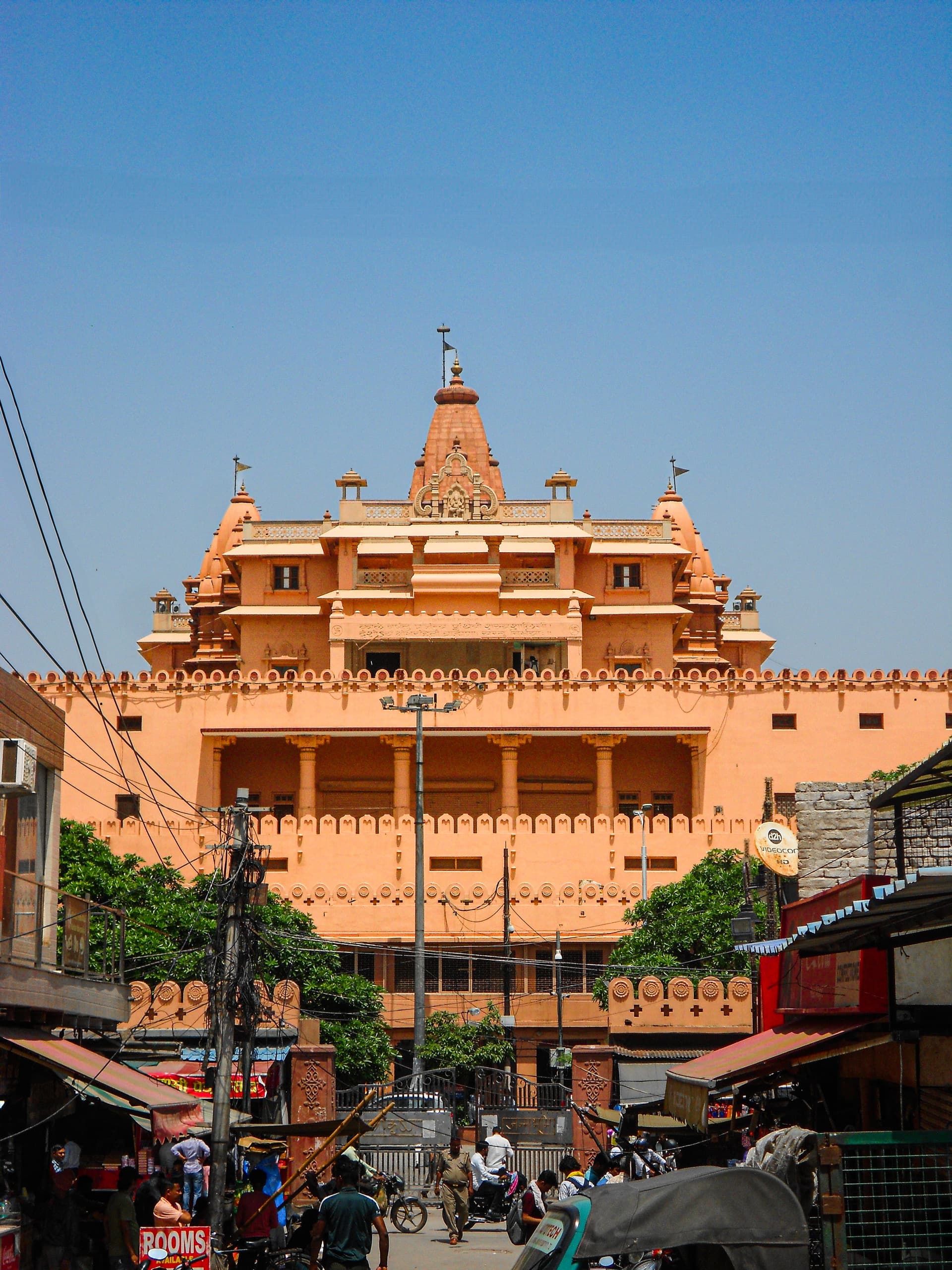
Shri Krishna Janmasthan Temple
Mathura, Uttar Pradesh, India
135.6 km away

Brahma Sarovar, Kurukshetra, Haryana
Kurukshetra, Haryana, India
153.0 km away

Dargah Hazrat Sabir e Pak Piran, Kaliyar Shareef, Uttarakhand
Piran Kaliyar, Uttarakhand, India
160.4 km away
Mehandipur Balaji Temple
Mehandipur, Rajasthan, India
190.9 km away
References
Sources consulted for this page. Source categories describe the publication, not a guarantee that every claim is verified. Traditional accounts and outside interpretations may differ.
- 01Explore the Gurudwara Bangla Sahib in Delhi | Incredible India — incredibleindia.gov.inofficialSupports site identity, history, or publicly described devotion; healing narratives are attributed beliefs, not clinical evidence.
- 02Delhi Sikh Gurdwara Management Committee — dsgmc.inSource contextSupports site identity, history, or publicly described devotion; healing narratives are attributed beliefs, not clinical evidence.
- 03:: Delhi Tourism - Gurudawra Bangla Sahib :: — delhitourism.gov.inofficialSupports site identity, history, or publicly described devotion; healing narratives are attributed beliefs, not clinical evidence.
- 04Coordinate reference for Gurdwara Bangla Sahib — www.wikidata.orgSource contextIdentity and geographic positioning only; not used to approve religious claims or access policy.
- 05Gurdwara Bangla Sahib — Delhi Sikh Gurdwara Management CommitteeofficialSupports the attributed account or visitor practice in the healing section; not evidence of clinical efficacy.
- 06Langar service — Delhi Sikh Gurdwara Management CommitteeofficialSupports the attributed account or visitor practice in the healing section; not evidence of clinical efficacy.
Share a photo
Help visitors recognize Gurdwara Bangla Sahib. Every submission is reviewed before publication.