Basílica de Nuestra Señora de la Encina, Ponferrada
A source-bounded encounter with Basílica de Nuestra Señora de la Encina, Ponferrada
Understand sacred places, explore living traditions, and learn how to engage respectfully with Pilgrim Map.
Access has not been verified. Check current local guidance before planning a visit.
Ponferrada, Ponferrada, Castilla y León (León), Spain
Read the sources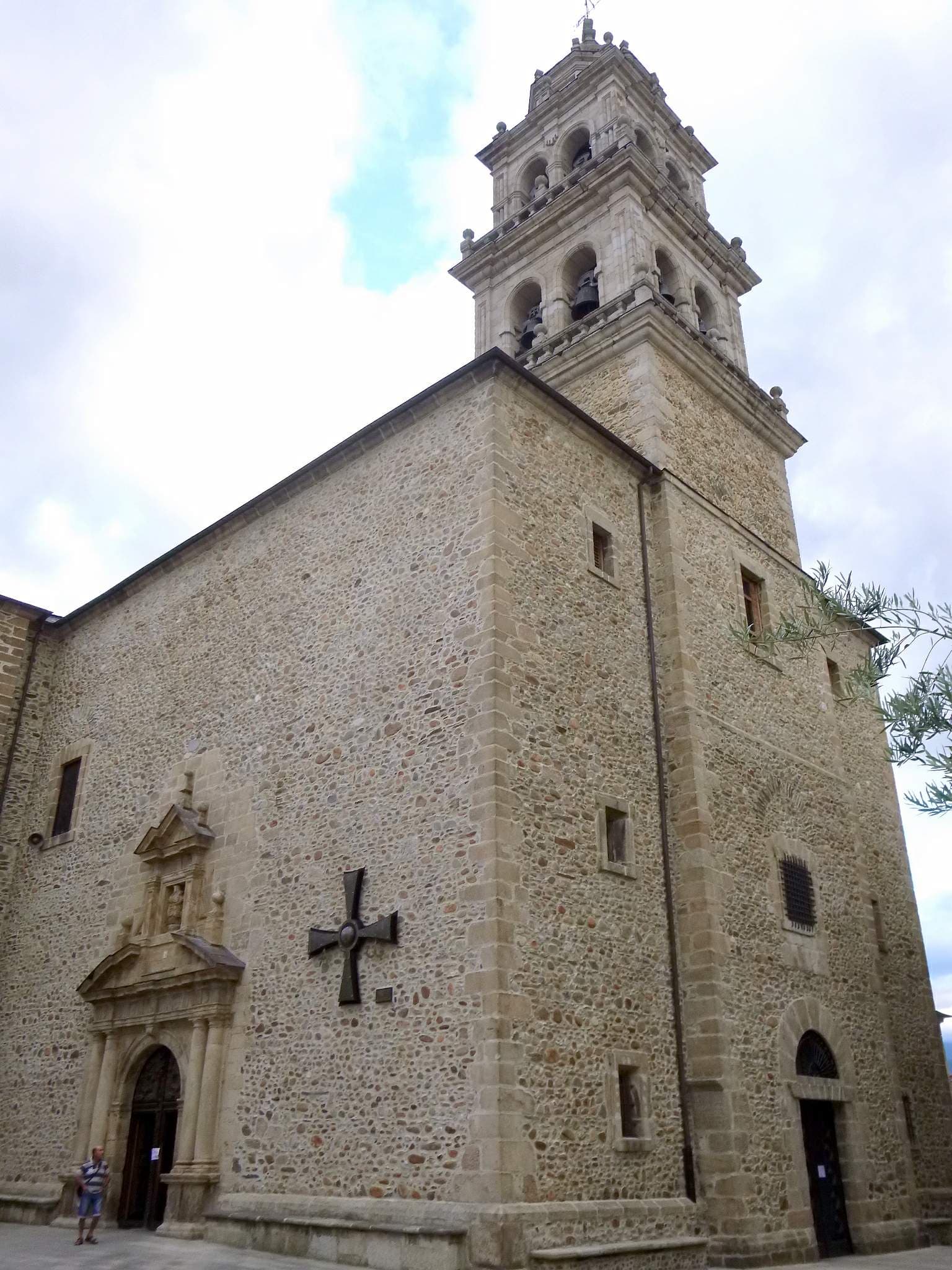
Basílica de Nuestra Señora de la Encina, Ponferrada - rights-reviewed exact-subject image. Image source · CC0
Visit essentials
A quick read before you go
- Duration
- Allow flexible time; no fixed duration is asserted.
- Access
- The reviewed site is in Ponferrada, Ponferrada, Castilla y León (León), Spain; route proximity…
Overview
Basílica de Nuestra Señora de la Encina, Ponferrada is the exact whole-site entity in Ponferrada, Ponferrada, Castilla y León (León), Spain, rather than a route label or nearby point of interest. It is a living church and pilgrimage site within Roman Catholic Christianity on Camino Francés (French Way), supported by reviewed route, religious, cultural-inheritance, and structured identity evidence. Google Places, Wikidata, the supplied encyclopedic record, and a rights-cleared exact-subject image converge on this place.
The basilica and regional tourism authority identify Nuestra Señora de la Encina as a living Catholic sanctuary in Ponferrada. Principal evidence includes Www.basilicadelaencina.es; Basilica senora encina; and Rights-cleared image for Basílica de Nuestra Señora de la Encina, Ponferrada. Hours, service times, fees, closures, photography rules, and accessibility remain unsettled. The worshipping responsible group and relevant church authority take precedence over tourism framing.
Why this place is sacred
The Camino Francés (French Way) connection orients Basílica de Nuestra Señora de la Encina, Ponferrada but does not replace its congregation, dedication, or historical context. Structured dates and classifications are clues, not a full archival chronology; material-history designation can protect fabric without conveying prayer, memory, conflict, survival, or daily stewardship. The entry therefore preserves supported identity, route membership, sacred use, material history, authority, and cultural, religious, and arrival boundaries while leaving disputed or volatile details unresolved.
This makes the 'living church and pilgrimage site' more legible without reducing sacred life to scenery or treating uncertainty as a defect. A map pin alone cannot explain its meaning to worshippers, pilgrims, custodians, or communities shaped by its history.
living church and pilgrimage site
The reviewed sources establish identity and selected classifications; a fuller building chronology remains source-dependent.
Experience and orientation
Use cited Roman Catholic Christianity evidence to understand terms and religious customs before arrival, then confirm the destination name, address, and whole-site boundary. Notice signs of active worship, restricted rooms, local-steward activity, restoration, or ceremonies before assuming every space is available. The basilica belongs to custodians and communities before it becomes a Camino Francés (French Way) stop; silence, waiting, rerouting, or declining a photograph may therefore be respectful.
Observe architecture and landscape without displacing people who are praying, working, grieving, teaching, or maintaining the site. Responses vary with faith, knowledge, access, weather, ceremony, crowding, and personal circumstance; no universal emotional response is promised.
Confirm the exact destination and read posted community guidance before entering.
Context and lineage
For this release package, the documented reference boundary is explicit: Www.basilicadelaencina.es; Basilica senora encina; Rights-cleared image for Basílica de Nuestra Señora de la Encina, Ponferrada. The historical frame for Basílica de Nuestra Señora de la Encina, Ponferrada begins with an named place audit rather than a single dramatic origin story. Wikidata's structured claims currently yield this bounded profile: The basilica and the regional tourism authority identify Nuestra Señora de la Encina as a living Catholic sanctuary in Ponferrada.
These claims are attributed to the structured record because an inception value, institutional classification, dedication, and construction phase can describe different things. The route framework of Camino Francés (French Way) adds a second layer: movement between places, inherited devotional geography, and contemporary wayfinding. A third layer is the authority of Roman Catholic Christianity, expressed through worship, memory, custodianship, or lineage rather than through tourism branding.
Material changes, rebuilding, disaster, political rule, and institutional transitions should be added only from consulted evidence that identify the exact structure and period.
The route and tradition context is Camino Francés (French Way) within Roman Catholic Christianity.
Traditions and practice
Do not treat the basilica as a stage set for generic spiritual exercise, prescribe a private ritual, borrow restricted devotional actions, or imply that a traveler can reproduce resident-body worship independently. Roman Catholic devotional actions and the site-based resident body govern participation by invitation, schedule, role, and local rules. Camino Francés (French Way) pilgrims may prepare with route and religious records, but route completion never overrides local authority.
Quietly observe where permitted, follow posted directions, and ask before entering a service, procession, shrine area, cloister, sanctuary, or resident-body space; permitted contemplation must remain unobtrusive and responsive to people already present. Offerings, candles, donations, dress, seating, head coverings, footwear, ritual movement, and sacramental participation vary by tradition and place.
Current ceremonies and participation rules require direct confirmation.
Observe quietly where permitted and follow the responsible community's guidance.
Roman Catholic Christianity
ActiveBasílica de Nuestra Señora de la Encina, Ponferrada is interpreted within Roman Catholic Christianity and the source-confirmed context of Camino Francés (French Way).
Perspectives and open questions
A living-tradition perspective begins with Roman Catholic Christianity and the meanings articulated by locally authorized communities. Basílica de Nuestra Señora de la Encina, Ponferrada can be understood through several evidence-bound perspectives without forcing them into agreement. A material history perspective considers classification, conservation, documentation, and public interpretation, while recognizing that designation does not own sacred meaning. A historical perspective asks how institutions, buildings, routes, political power, labor, repair, and memory changed across time.
Scholarly perspective
A pilgrimage perspective places the basilica within Camino Francés (French Way), emphasizing movement and relationships among sites rather than ranking destinations. Critical inquiry asks whose voice is quoted, whose suffering or work is minimized, and whether temporary-guest language reproduces colonial or commercial assumptions. Entry permission and chronology remain open rather than being silently assigned to one perspective. No paranormal, energy, healing, or universal-transformation claim is introduced without claim-specific evidence.
Living and traditional perspectives
According to Roman Catholic Christianity sources, sacred meaning belongs to living practice and inherited memory.
Alternative interpretations
No unsupported alternative claim is added.
Open questions
Current access, unsettled chronology, and any contested interpretation remain explicit gaps.
Plan your visit
Access and arrival
The reviewed site is in Ponferrada, Ponferrada, Castilla y León (León), Spain; route proximity alone cannot resolve a similarly named church, monastery, temple, mission, mountain, or chapel. Directly recheck opening and worship times, reservations, permits, admission, transport, road conditions, accessibility, photography, dress, and restoration closures. Official and living-community websites can change faster than a database entry, so check the same day when entry matters.
Allow for worship and community use, with an alternative plan if the site is closed, full, under repair, or receiving a ceremony. A map listing does not establish step-free entry: historic stairs, steep paths, thresholds, weather, and security arrangements require specific confirmation. On the multi-stage Camino Francés (French Way), verify each destination rather than assuming route-wide schedules or rules.
Plan with the exact name Basílica de Nuestra Señora de la Encina, Ponferrada and reviewed Google place identifier, then compare the result with the cited entity and image.
Use current route and local sources; no lodging recommendation is made.
Respectful visit
Use context-appropriate modest dress and follow posted requirements.
Check permission on site before photographing worship, people, interiors, objects, or restricted areas; a rights-cleared editorial image does not authorize guest photography. Ask before recording a person or ceremony, and do not treat consent to attend as consent to publish someone's image.
Do not improvise offerings; follow explicit local guidance.
Do not block doors, aisles, processions, prayer areas, or custodial work. Never handle devotional objects, enter cordoned spaces, move offerings, stage poses, or treat altars and sacred thresholds as props. Preserve the site's cultural, religious, and access boundaries rather than smoothing them into route promotion.
The entry preserves the cultural, religious, and access boundaries identified for Basílica de Nuestra Señora de la Encina, Ponferrada instead of smoothing them into route promotion.
Location
Map loads as you approach this section.
Pilgrim reflections
A portrait of encounter, not a score
Pilgrims describe what they felt, how present they could become, and whether the place would shape a journey. There are no stars and no ranking of traditions.
No reviewed reflections yet
The first pilgrims can help describe the character of being here.
Share a reflection
Available after an account-backed “Been there.” Every reflection is reviewed before publication.
Nearby sacred places
Explore other sacred places in the region. Proximity does not establish access or travel time; check each place’s guidance.

Santa María la Real do Cebreiro
Pedrafita do Cebreiro, Lugo, Spain
41.5 km away
Astorga Cathedral (Catedral de Santa María)
Astorga, Astorga, Castilla y León (León), Spain
44.9 km away

Monastery of Samos
Samos, Lugo, Spain
63.6 km away
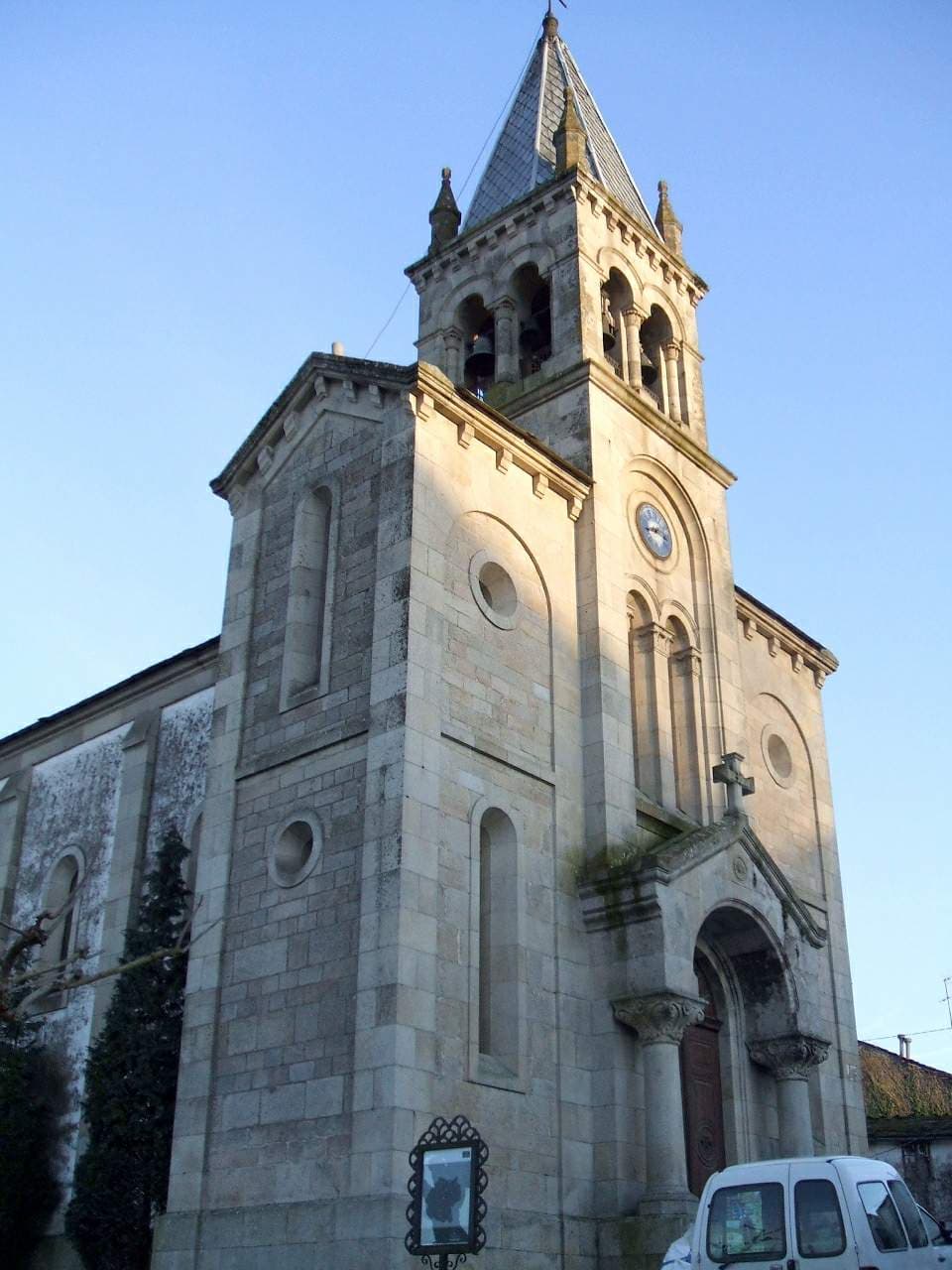
Igrexa de Santa Mariña, Sarria
Sarria, Sarria, Galicia (Lugo), Spain
72.1 km away
References
Sources consulted for this page. Source categories describe the publication, not a guarantee that every claim is verified. Traditional accounts and outside interpretations may differ.
- 01Www.basilicadelaencina.es — Basílica de Nuestra Señora de la EncinaSource contextExact-site, route, heritage, or access evidence reviewed for source line 83.
- 02Basilica senora encina — Castilla y León TourismofficialExact-site, route, heritage, or access evidence reviewed for source line 83.
- 03Rights-cleared image for Basílica de Nuestra Señora de la Encina, Ponferrada — ZaratemanacademicExact-subject image and reuse record: CC0.
- 04Google Places identity check for Basílica de Nuestra Señora de la Encina, Ponferrada — Google PlacesSource contextFresh exact-site identity, address, status, and coordinate check; not used as cultural authority.
Share a photo
Help visitors recognize Basílica de Nuestra Señora de la Encina, Ponferrada. Every submission is reviewed before publication.