Aglag Buteel Monastery
Contemporary Buddhist devotion expressed through monastery and landscape art
Understand sacred places, explore living traditions, and learn how to engage respectfully with Pilgrim Map.
Access has not been verified. Check current local guidance before planning a visit.
Bornuur, Töv, Mongolia
Read the sources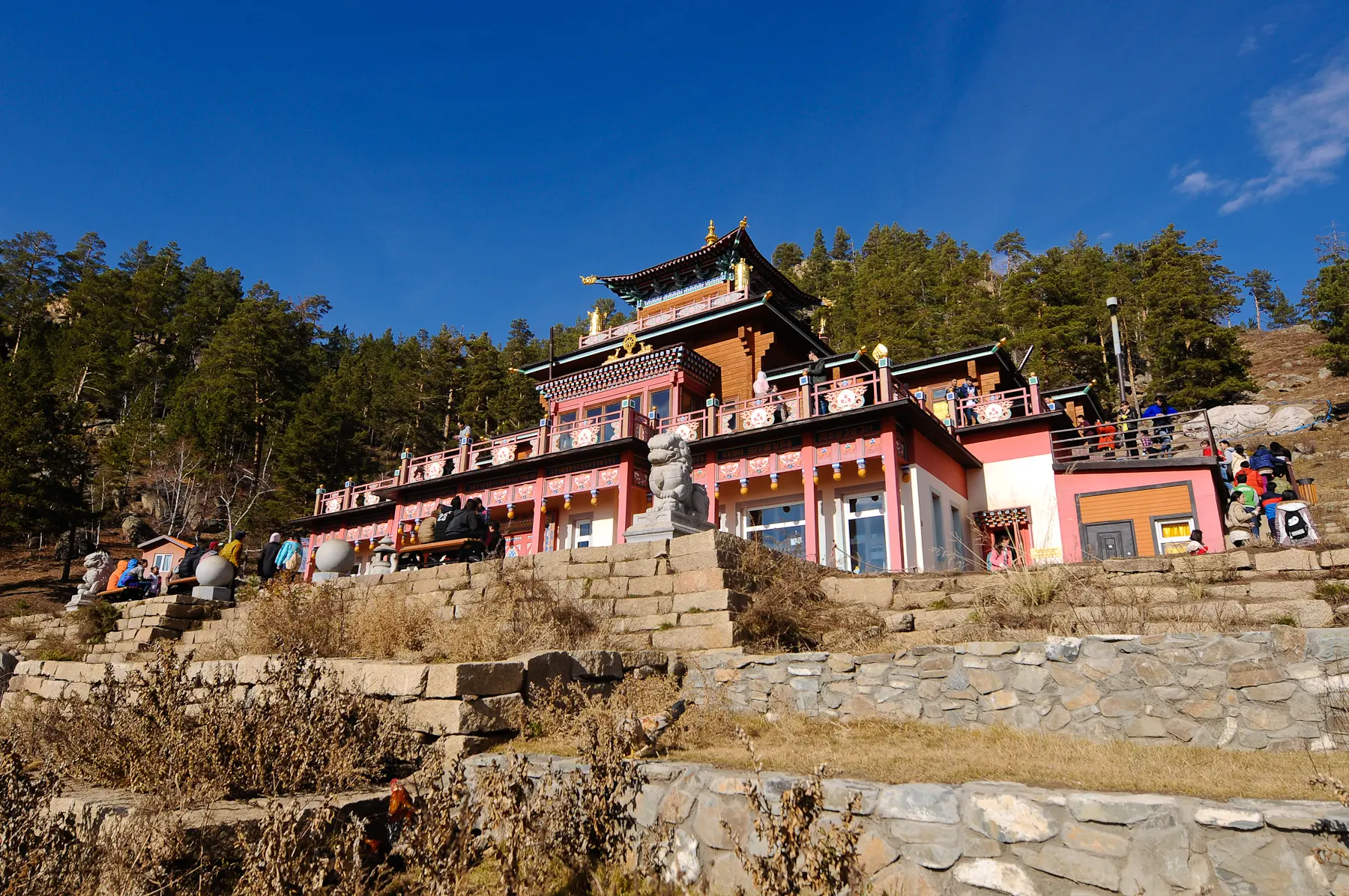
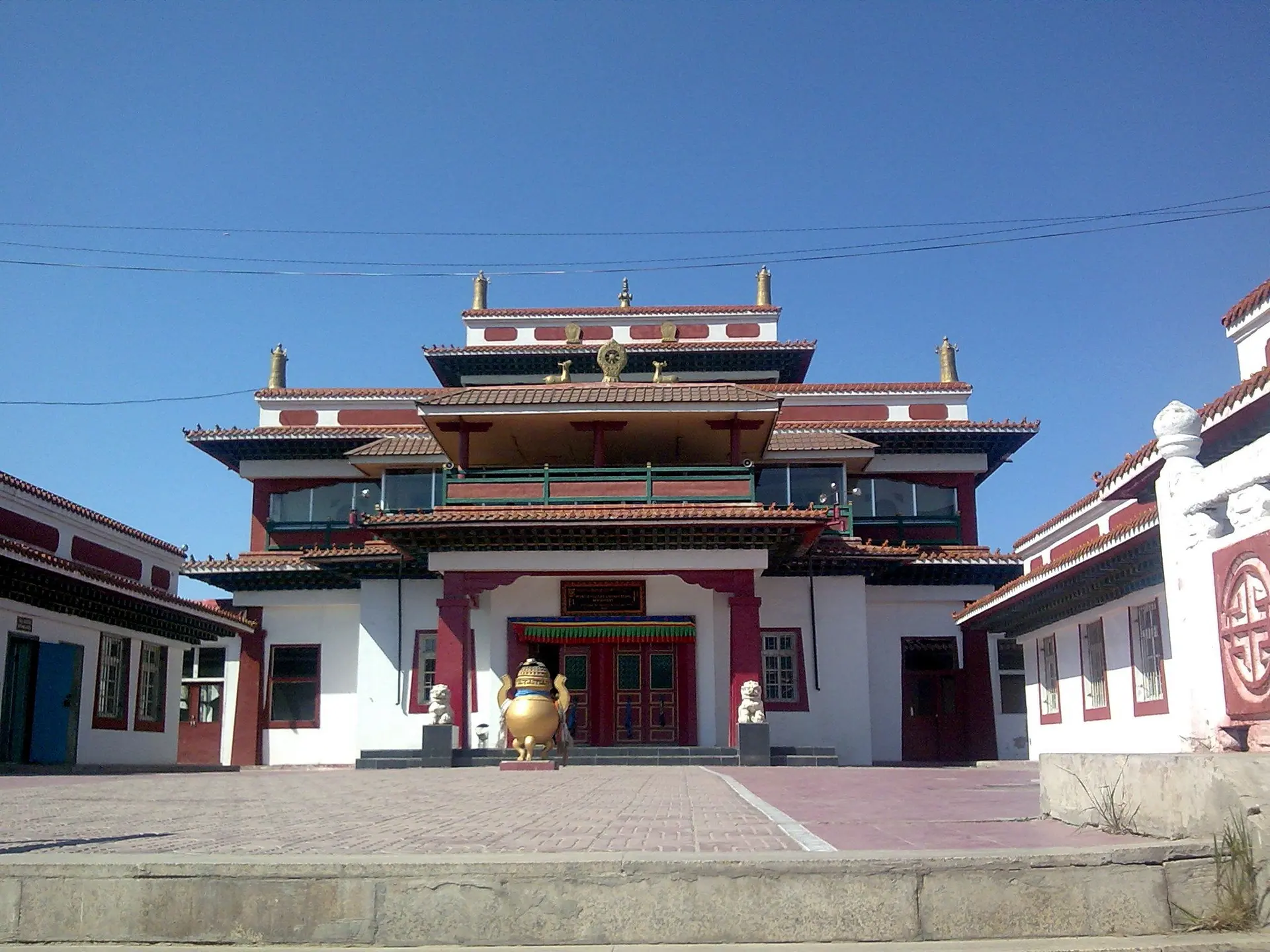
Image of Aglag Buteel Monastery. Image source · CC BY-SA 4.0
Visit essentials
A quick read before you go
- Access
- Use established public approaches north of Ulaanbaatar and obtain current local guidance rather…
- Etiquette
- Wear modest clothing suitable for a functioning religious place and follow any building-specific…
Overview
Religious art, natural setting, and monastic practice form one contemporary project, but a visitor should not invent meanings for individual forms.
Why this place is sacred
The public visitor guide supports present identity; detailed foundation history and individual artwork meanings need custodial attribution.
Sources distinguish Aglag Buteel Monastery's documented history from its current classification as active worship and art site.
Experience and orientation
Ceremonies, opening, road conditions, and landscape access should be checked at the time of travel.
Use established public approaches north of Ulaanbaatar and obtain current local guidance rather than relying on a fixed route description.
Context and lineage
Mongolian Buddhism
Traditions and practice
The monastery is an active Buddhist place, while sculptures and paths should be encountered through the explanations and limits set by custodians.
Mongolian Buddhism
ActiveMongolian Buddhism is documented as part of the identity and interpretive context of Aglag Buteel Monastery.
Perspectives and open questions
For Aglag Buteel Monastery, Official Ulaanbaatar visitor guide anchors the public factual frame, while Mongolian Buddhism supplies the attributed sacred context. Neither source class is used outside its stated scope.
Plan your visit
Access and arrival
Use established public approaches north of Ulaanbaatar and obtain current local guidance rather than relying on a fixed route description.
Respectful visit
Wear modest clothing suitable for a functioning religious place and follow any building-specific requests.
Ask before photographing interiors, sacred images, clergy, worshippers, or services.
Keep circulation clear, do not interrupt worship, and do not enter closed community spaces or handle ritual objects.
Location
Map loads as you approach this section.
Pilgrim reflections
A portrait of encounter, not a score
Pilgrims describe what they felt, how present they could become, and whether the place would shape a journey. There are no stars and no ranking of traditions.
No reviewed reflections yet
The first pilgrims can help describe the character of being here.
Share a reflection
Available after an account-backed “Been there.” Every reflection is reviewed before publication.
Nearby sacred places
Explore other sacred places in the region. Proximity does not establish access or travel time; check each place’s guidance.
References
Sources consulted for this page. Source categories describe the publication, not a guarantee that every claim is verified. Traditional accounts and outside interpretations may differ.
- 01Ulaanbaatar tourism guideofficialUsed for identity, location, historical scope, or heritage context as stated in the editorial summary.
- 02Mongolia Tourist Information CenterofficialUsed for identity, location, historical scope, or heritage context as stated in the editorial summary.
- 03File:Aglag Buteel Monastery.jpg — Zazaa MongoliaacademicExact subject and reuse-license provenance only; not used for historical claims.
Share a photo
Help visitors recognize Aglag Buteel Monastery. Every submission is reviewed before publication.