Geser Temple
A working sanctuary shaped by Tibetan Buddhism in Mongolia
Ulaanbaatar, Ulaanbaatar, Mongolia
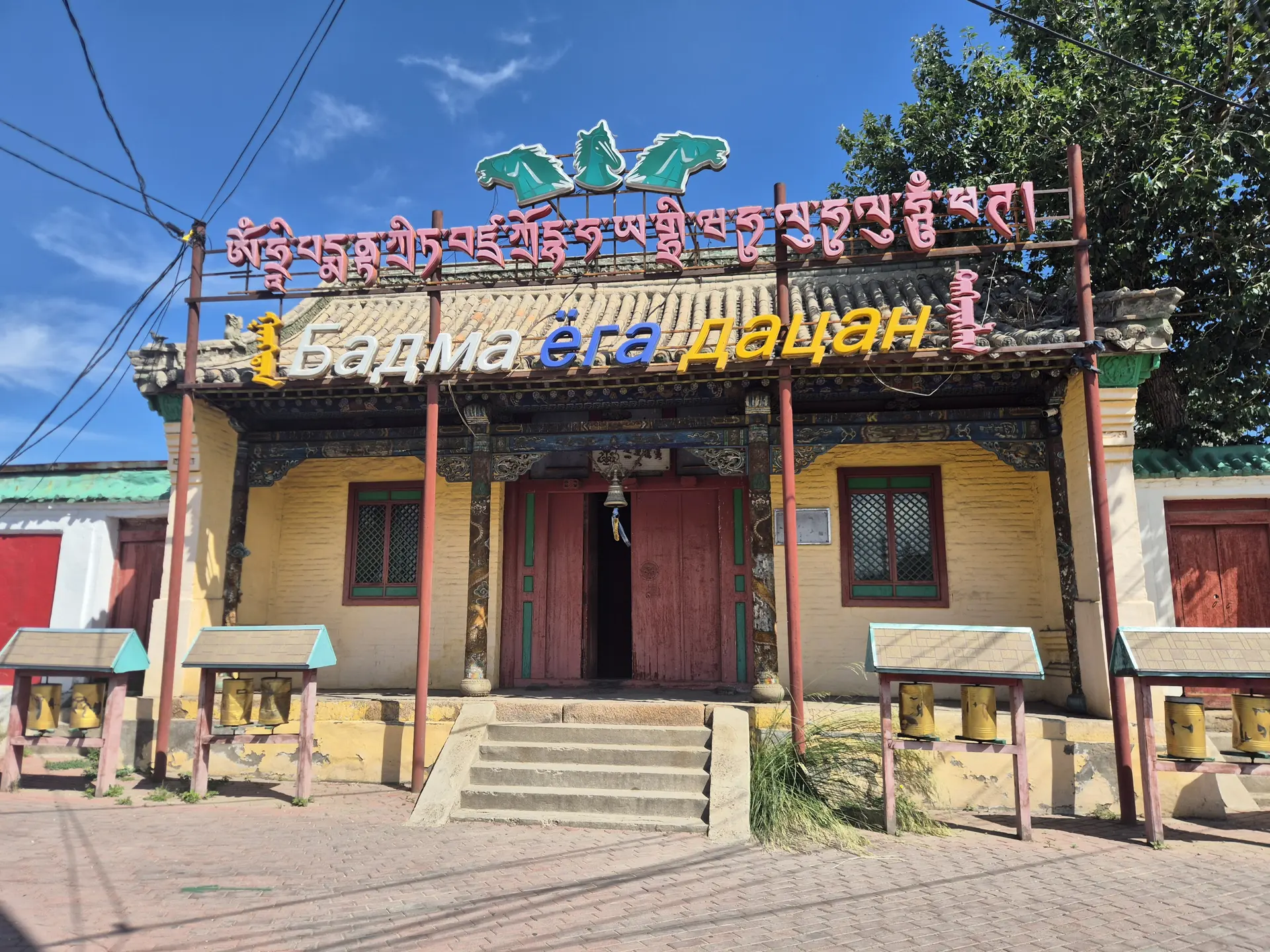
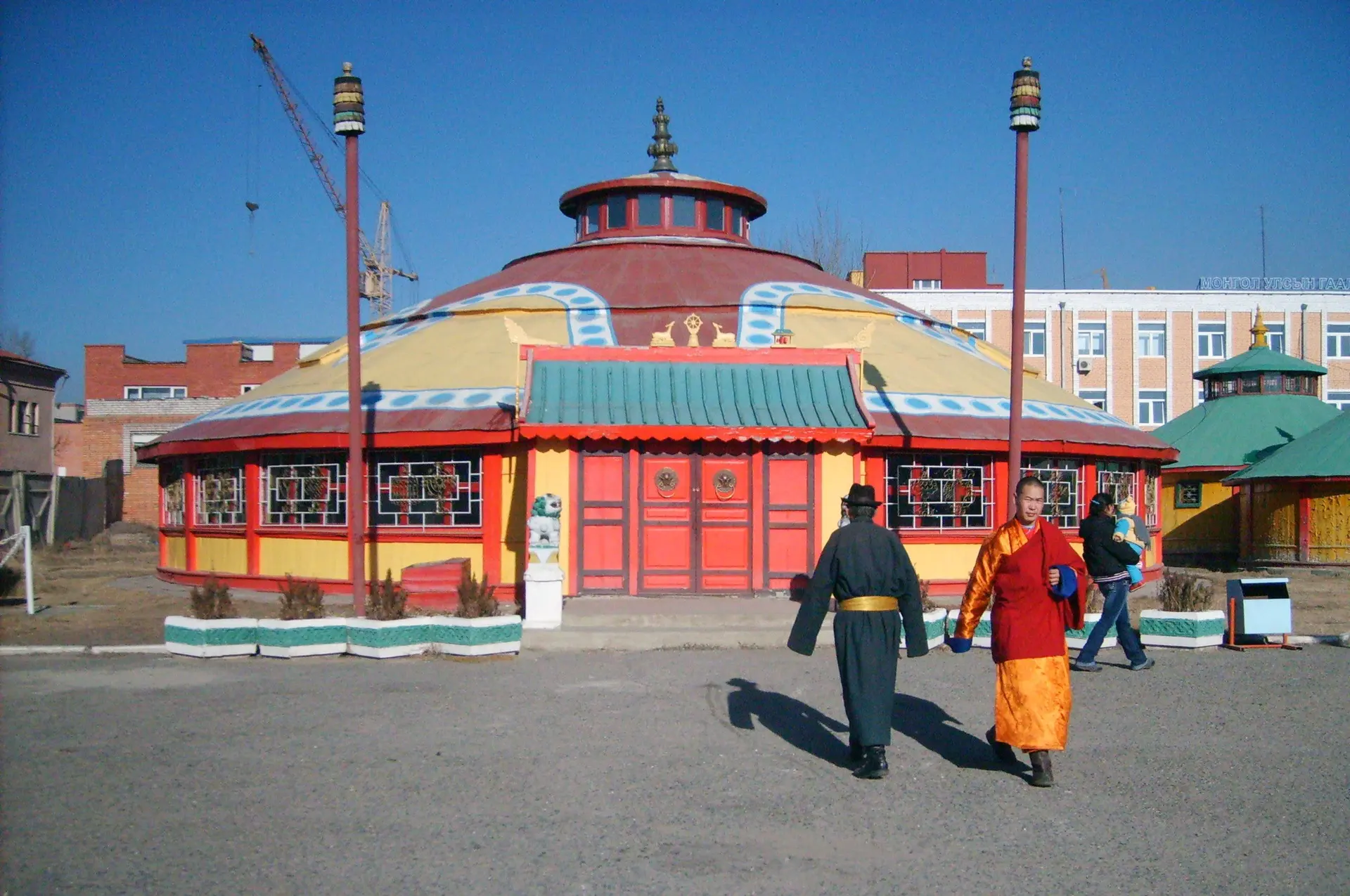
Image of Geser Temple. Image source
Visit essentials
Before you go
- Etiquette
- For Geser Temple, treat the site as a place of worship first.
Overview
Within Ulaanbaatar, Geser Temple is recorded as a temple connected to Tibetan Buddhism in Mongolia. For Geser Temple, the page draws only on the cited identity and heritage records, an exact coordinate match, and verified image provenance, leaving unresolved details for later research.
Why this place is sacred
The significance of Geser Temple begins with continuing use rather than spectacle. In this account of Geser Temple, its association with Tibetan Buddhism in Mongolia calls for attention to the people who pray, serve, or maintain the site now. At Geser Temple, architecture and history matter, but they do not replace the living religious context.
Experience and orientation
In this account of Geser Temple, arrive without assuming the building is arranged for tourism. At Geser Temple, pause at the threshold, notice whether worship is underway, and let the pace of the community shape your own. At Geser Temple, a quiet visit can remain meaningful even when interior areas or ceremonies are not open to observation.
Context and lineage
Geser Temple, also listed as Geser Sum Monastery, is a Buddhist temple in central Ulaanbaatar; Wikidata and the current listing agree within metres. For Geser Temple, this public account stays within that verified scope and leaves unresolved ritual or access details unstated.
Traditions and practice
Tibetan Buddhism in Mongolia
ActiveThe reviewed evidence associates Geser Temple with Tibetan Buddhism in Mongolia. In this account of Geser Temple, this entry records that relationship without claiming to represent every practitioner or disclose teachings beyond the cited public sources. At Geser Temple, community directions, current custodians, and tradition-specific practice should take priority whenever they are available at the site.
Perspectives and open questions
This account separates three things: the documented identity of Geser Temple, the meaning held within Tibetan Buddhism in Mongolia, and interpretations a visitor may bring. For Geser Temple, the first is source-checkable; the second deserves tradition-specific authority; the third is personal and is not presented as evidence.
Plan your visit
In this account of Geser Temple, current opening and route information remains unclear in the reviewed evidence. At Geser Temple, the structured identity record supports the map point, but this page publishes no phone number, booking advice, or copied schedule. Consult the relevant heritage or religious authority before setting out for Geser Temple.
Respectful visit
For Geser Temple, treat the site as a place of worship first. In this account of Geser Temple, keep voices low, avoid interrupting services, dress with shoulders and knees covered, and ask before photographing people, interiors, icons, altars, or ritual activity. At Geser Temple, posted instructions and directions from custodians take precedence over this general guidance.
Location
Map loads as you approach this section.
Pilgrim reflections
A portrait of encounter, not a score
Pilgrims describe what they felt, how present they could become, and whether the place would shape a journey. There are no stars and no ranking of traditions.
No reviewed reflections yet
The first pilgrims can help describe the character of being here.
Share a reflection
Available after an account-backed “Been there.” Every reflection is reviewed before publication.
Nearby sacred places
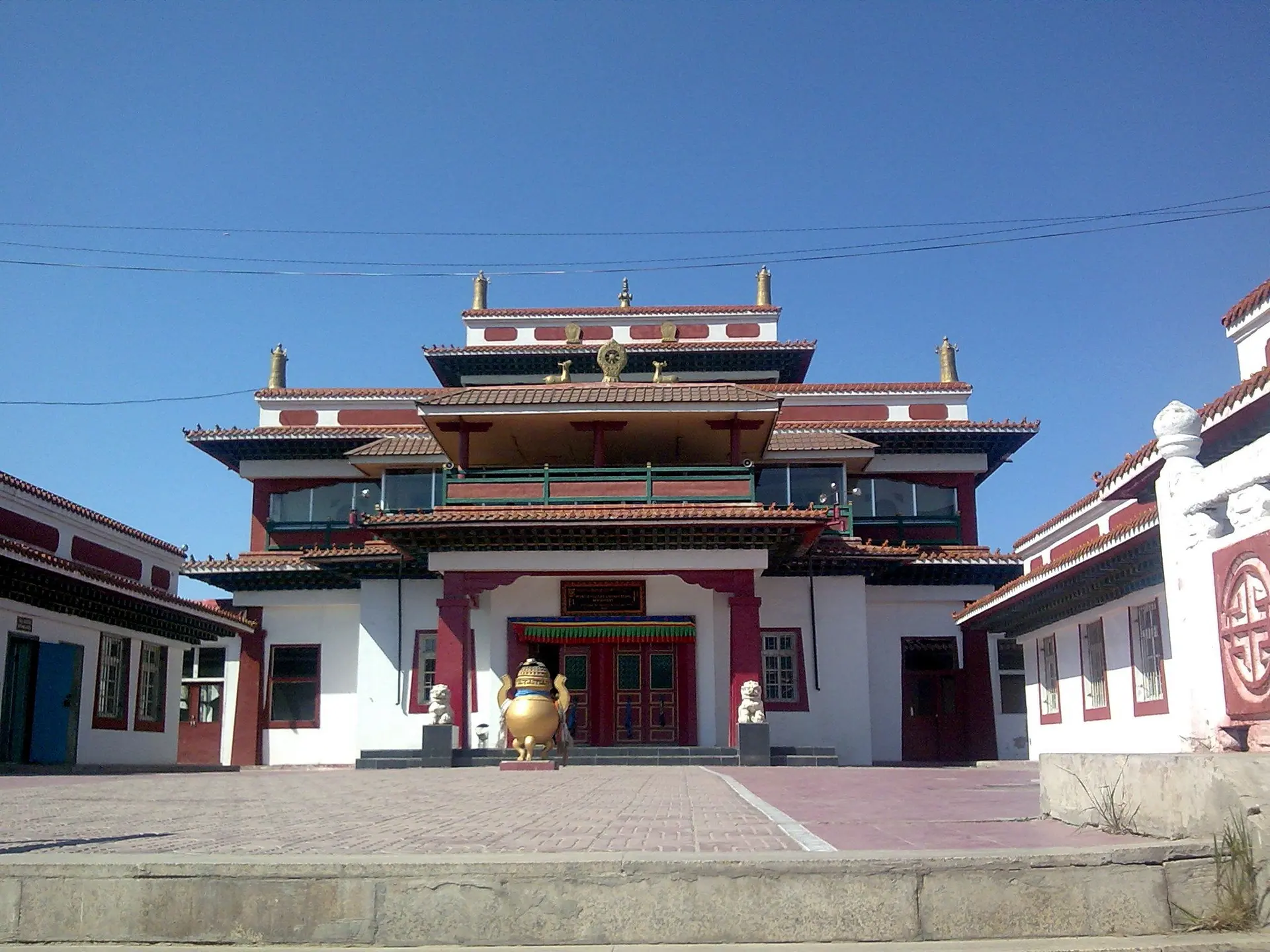
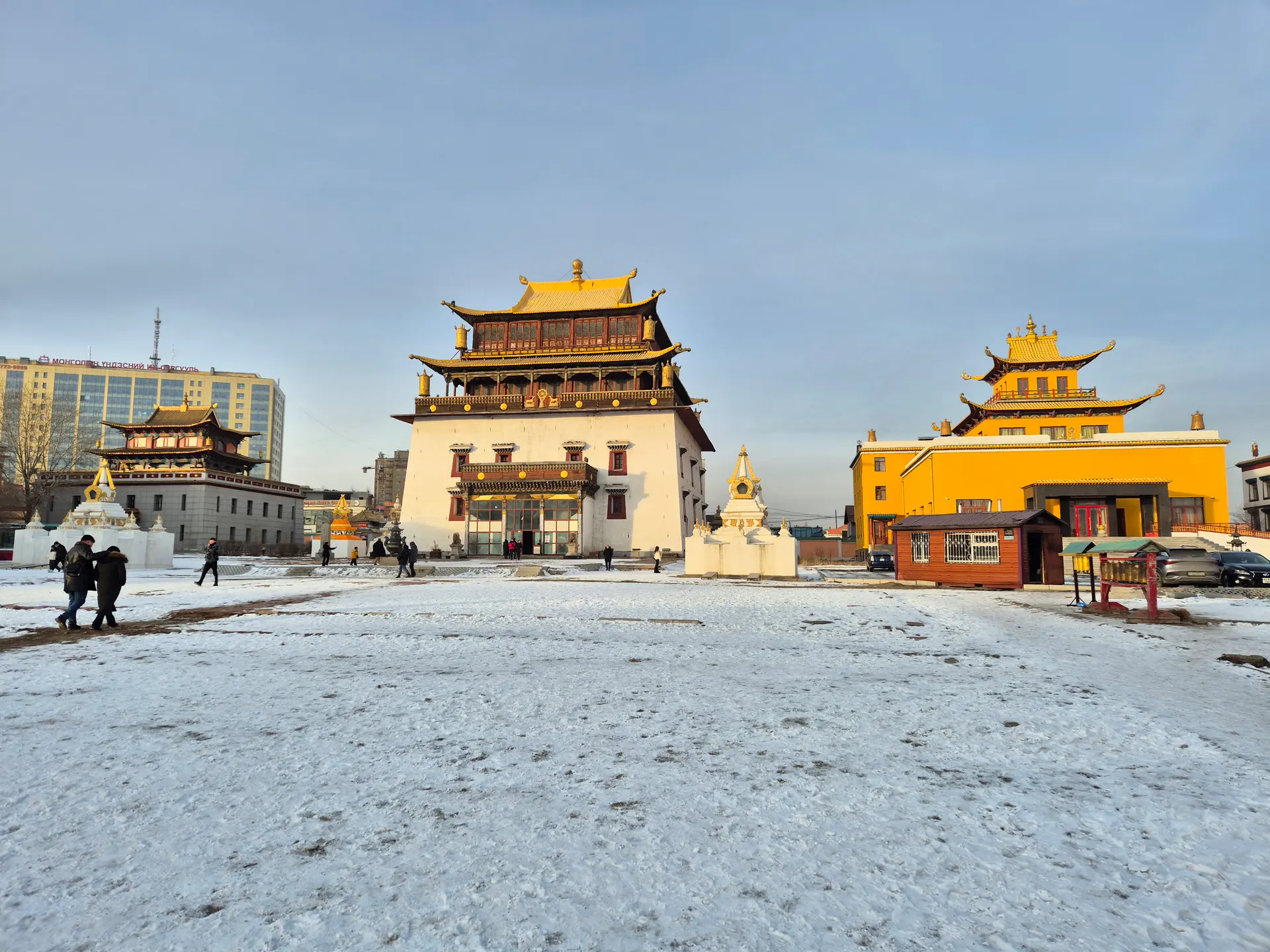
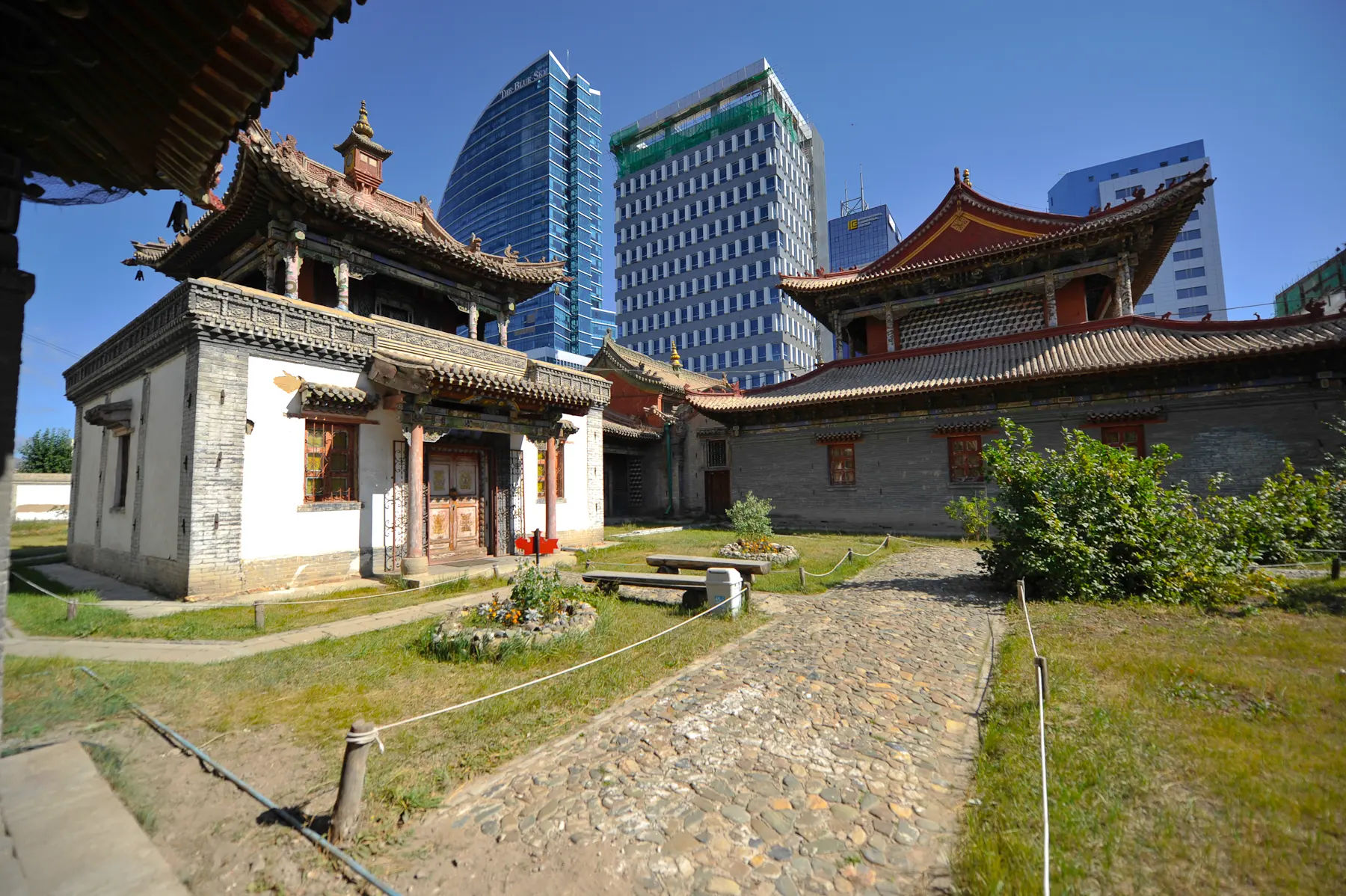
Explore other sacred places in the region. Proximity does not establish access or travel time; check each place’s guidance.
References
Sources consulted for this page. Source categories describe the publication, not a guarantee that every claim is verified. Traditional accounts and outside interpretations may differ.
- 01Geser Sum Monastery Wikidata recordacademicUsed for identity, location, historical scope, or heritage context as stated in the editorial summary.
- 02Geser Sum Monastery imageacademicUsed for identity, location, historical scope, or heritage context as stated in the editorial summary.
- 03Exact Google Maps listing for Geser TempleSource contextUsed for identity, location, historical scope, or heritage context as stated in the editorial summary.
- 04File:Geser Sum Monastery.jpg — ChongkianacademicExact subject and reuse-license provenance only; not used for historical claims.
Share a photo
Help visitors recognize Geser Temple. Every submission is reviewed before publication.