Country guide
Costa Rica
Costa Rica brings together sacred architecture, pilgrimage traditions, and landscapes shaped by memory, ritual, and local devotion.
4 sacred sites across 3 regions. Use the tradition links to narrow in.
Browse by region
Explore Costa Rica region by region
Open a regional guide to see its sacred sites, traditions, and map.
Explore Costa Rica by facet
Traditions
Showing 1-4 of 4 sites in this country guide

Basilica of Our Lady of the Angels, Cartago
Cartago, Cartago, Costa Rica
The Basilica of Our Lady of the Angels in Cartago is Costa Rica's principal Marian sanctuary....

Irazu Volcano
Santa Rosa, Cartago, Costa Rica
At 3,432 meters, Irazu is the tallest active volcano in Costa Rica and one of the few places in the Americas where both the Atlantic and Pacific Oceans are theoretically...
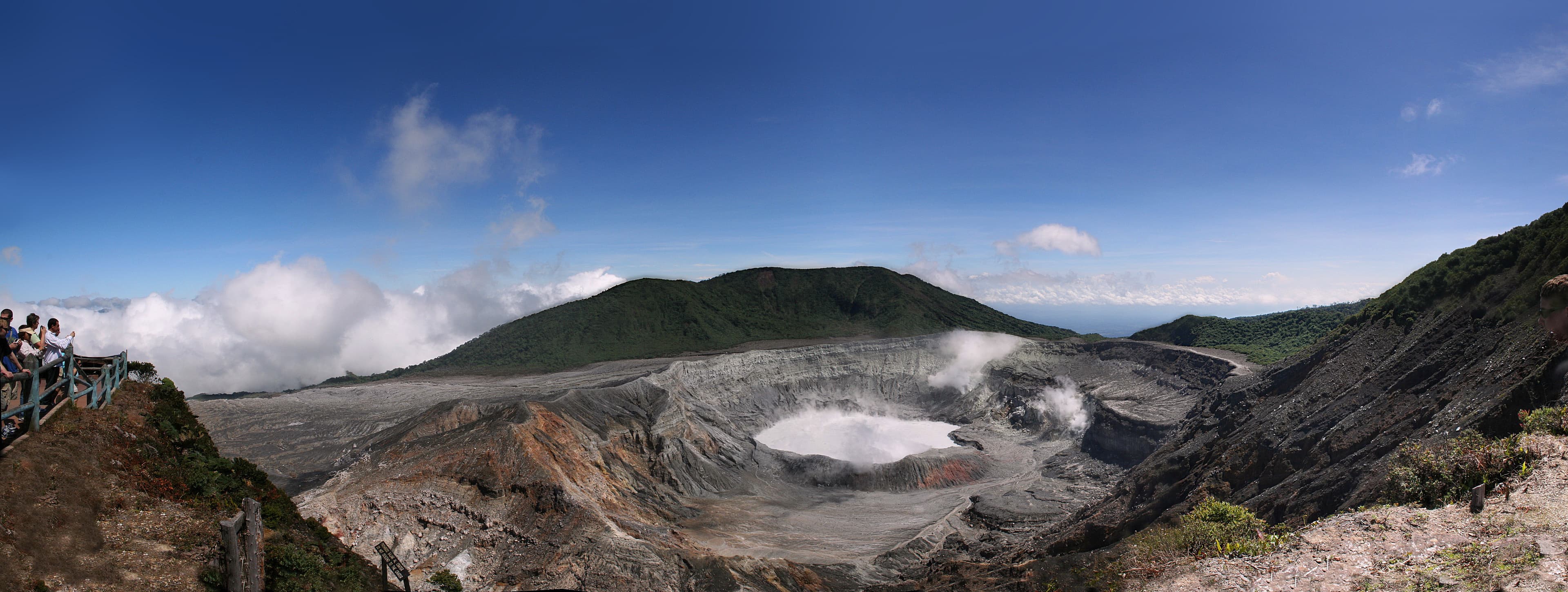
Poas Volcano
Toro Amarillo, Alajuela, Costa Rica
Poas Volcano holds one of the world's largest active craters, a turquoise lake of sulfuric acid that steams and shifts color while fumarolic vents release the Earth's...
San Ramon Nonato Church, Sabanilla
Sabanilla, Montes de Oca, Costa Rica
San Ramon Nonato Church in Sabanilla, Costa Rica, has a documented connection with prayers for pregnant women and families....
Key questions
Costa Rica sacred-site questions
What sacred sites can I explore in Costa Rica?
Pilgrim Map lists sacred places in Costa Rica across living worship sites, heritage landmarks, pilgrimage destinations, and culturally significant landscapes. The current guide lists 4 sites organized by region and tradition.
Which traditions are represented in Costa Rica?
The most represented traditions include Roman Catholic, Indigenous, Pre-Columbian.
How should I plan a sacred-site visit in Costa Rica?
Start with regional clusters, compare nearby places on the map, then open individual site pages for coordinates, etiquette, and sacred context where available.
Can I view Costa Rica sacred sites on a map?
Yes. Switch to map view to compare geographic clusters, then open individual site pages for coordinates, visiting context, and related places.