Sutai Mountain
Mountain presence and living stewardship in Khovd / Govi-Altai
Understand sacred places, explore living traditions, and learn how to engage respectfully with Pilgrim Map.
Access has not been verified. Check current local guidance before planning a visit.
Darvi / Tonkhil area, Govi-Altai, Mongolia
Read the sources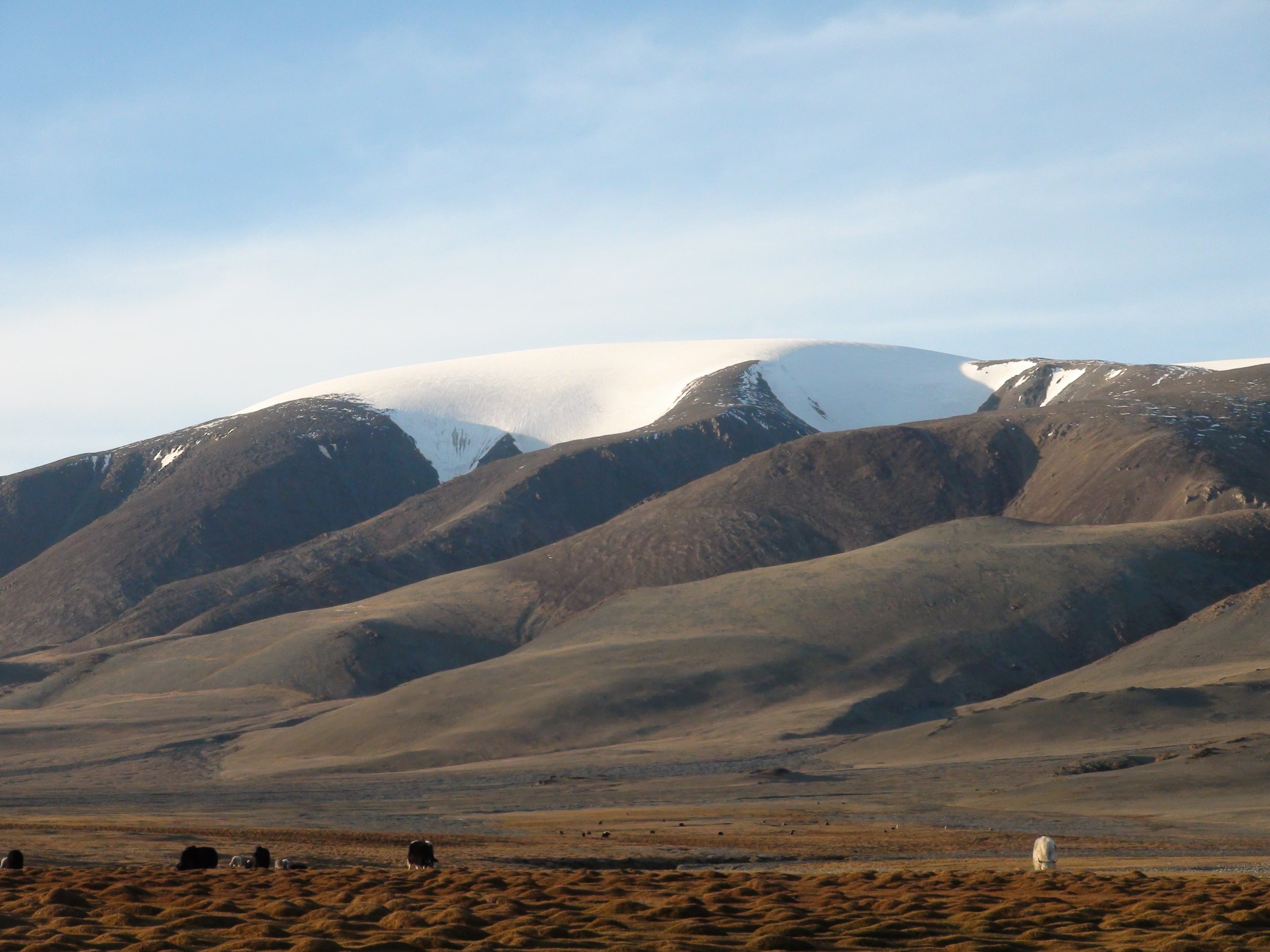
Image of Sutai Mountain. Image source
Visit essentials
A quick read before you go
- Access
- Sutai Mountain, Govi-Altai, Mongolia
- Etiquette
- At Sutai Mountain, restraint is part of the visit: use established tracks, leave the ground…
Overview
Sutai Mountain stands in Khovd / Govi-Altai, Mongolia, as a documented sacred natural site associated with Mongolian traditional religion and sacred-land stewardship. At Sutai Mountain, this profile is intentionally concise: it preserves the verified name, location, living or historical status, and visitor-care context without turning uncertain traditions into fact.
Why this place is sacred
At Sutai Mountain, reverence is expressed through restraint. For Sutai Mountain, the record acknowledges a living sacred-land context while keeping private practice, contested meaning, and unverified claims outside this public page.
Experience and orientation
For Sutai Mountain, a visit is shaped as much by limits as by views. In this account of Sutai Mountain, notice access boundaries, changing conditions, and evidence of custodianship. Sutai Mountain asks for presence without possession: no collecting, rearranging, or turning culturally held land into a private stage.
Context and lineage
For historical orientation, this profile keeps Sutai Mountain within the boundaries shared by its cited identity records: a sacred natural site in Darvi / Tonkhil area, connected to Mongolian traditional religion and sacred-land stewardship. At Sutai Mountain, scholarly description, traditional understanding, and a visitor's interpretation are not collapsed into one voice.
Traditions and practice
Mongolian traditional religion and sacred-land stewardship
ActiveThe reviewed evidence associates Sutai Mountain with Mongolian traditional religion and sacred-land stewardship. For Sutai Mountain, this entry records that relationship without claiming to represent every practitioner or disclose teachings beyond the cited public sources. In this account of Sutai Mountain, community directions, current custodians, and tradition-specific practice should take priority whenever they are available at the site.
Perspectives and open questions
In this account of Sutai Mountain, sources can establish a place, a history, and an institutional setting without exhausting sacred meaning. At Sutai Mountain, traditional claims are attributed to their tradition, while contemporary metaphysical readings remain unpublished unless a reliable source documents them as such.
Plan your visit
Access and arrival
Sutai Mountain, Govi-Altai, Mongolia
Respectful visit
At Sutai Mountain, restraint is part of the visit: use established tracks, leave the ground unchanged, and do not assume that public coordinates make every ritual area open. For Sutai Mountain, seek current local guidance before photography, camping, or ceremonial activity.
Location
Map loads as you approach this section.
Pilgrim reflections
A portrait of encounter, not a score
Pilgrims describe what they felt, how present they could become, and whether the place would shape a journey. There are no stars and no ranking of traditions.
No reviewed reflections yet
The first pilgrims can help describe the character of being here.
Share a reflection
Available after an account-backed “Been there.” Every reflection is reviewed before publication.
Nearby sacred places
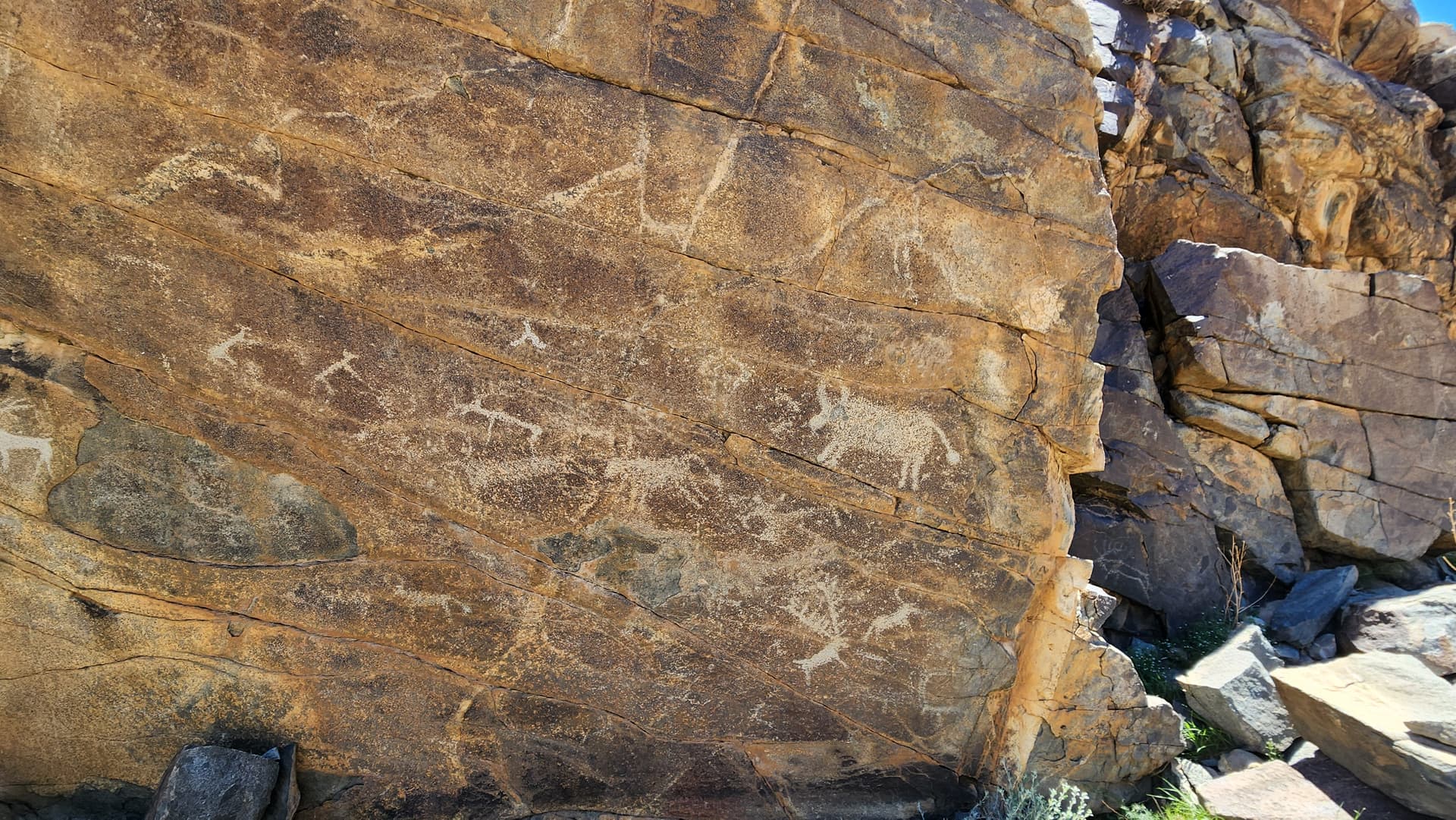
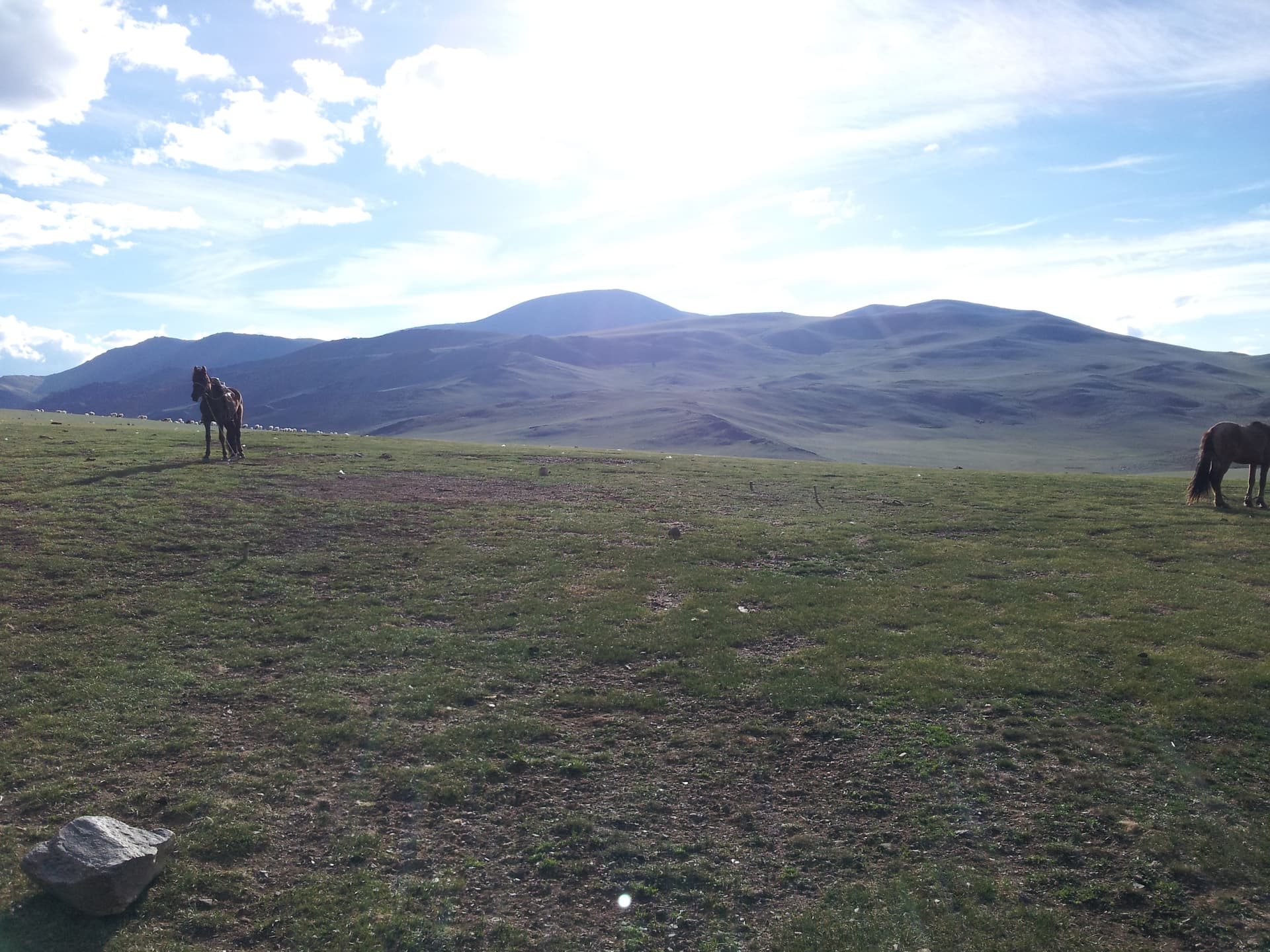
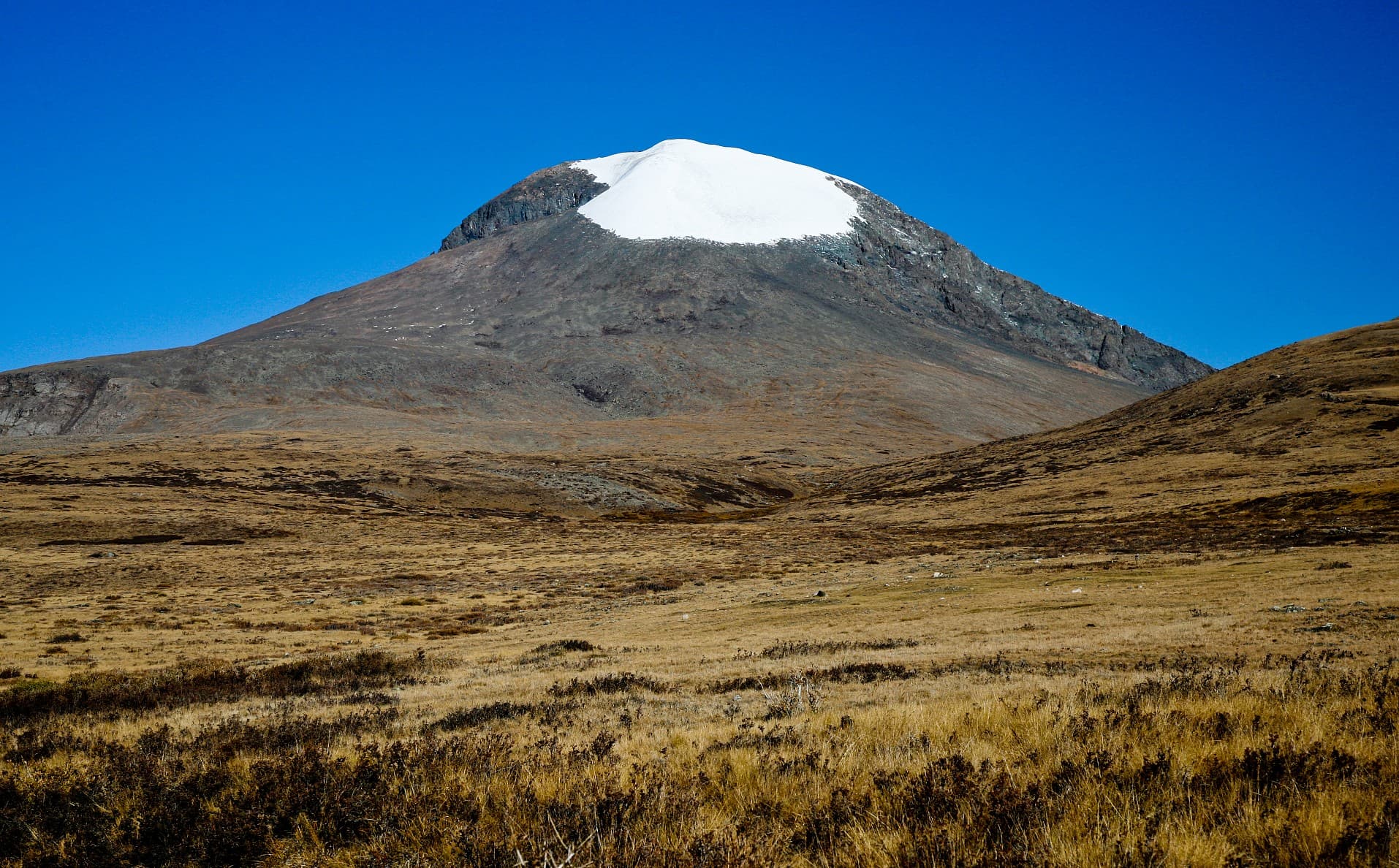
Explore other sacred places in the region. Proximity does not establish access or travel time; check each place’s guidance.
References
Sources consulted for this page. Source categories describe the publication, not a guarantee that every claim is verified. Traditional accounts and outside interpretations may differ.
- 01Sutai Mountain — Wikipedia contributorsacademicIdentity and historical overview; key claims require cautious framing.
- 02Wikidata record Q7649884 — Wikidata contributorsacademicStructured identity, coordinate, and heritage metadata.
- 03Google Maps listing for Sutai Mountain — Google MapsSource contextWhole-site identity, coordinates, website, and current practical listing only.
- 04File:Sutai Mount, Altai Mountains. - panoramio.jpg — Mongolia Expeditions…academicExact image-subject and reuse-license provenance only; not used for historical claims.
Share a photo
Help visitors recognize Sutai Mountain. Every submission is reviewed before publication.