Omiya Hachiman-gu
Shinto worship and living sacred practice at Omiya Hachiman-gu
Understand sacred places, explore living traditions, and learn how to engage respectfully with Pilgrim Map.
Access has not been verified. Check current local guidance before planning a visit.
Suginami City, Tokyo, Japan
Read the sources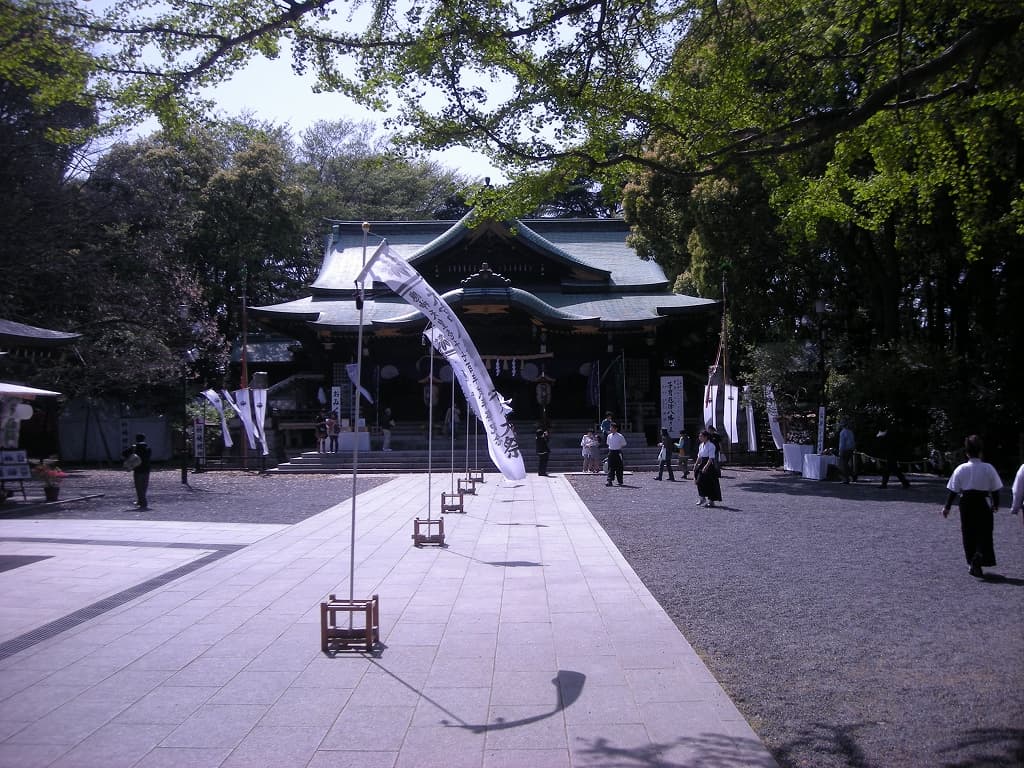
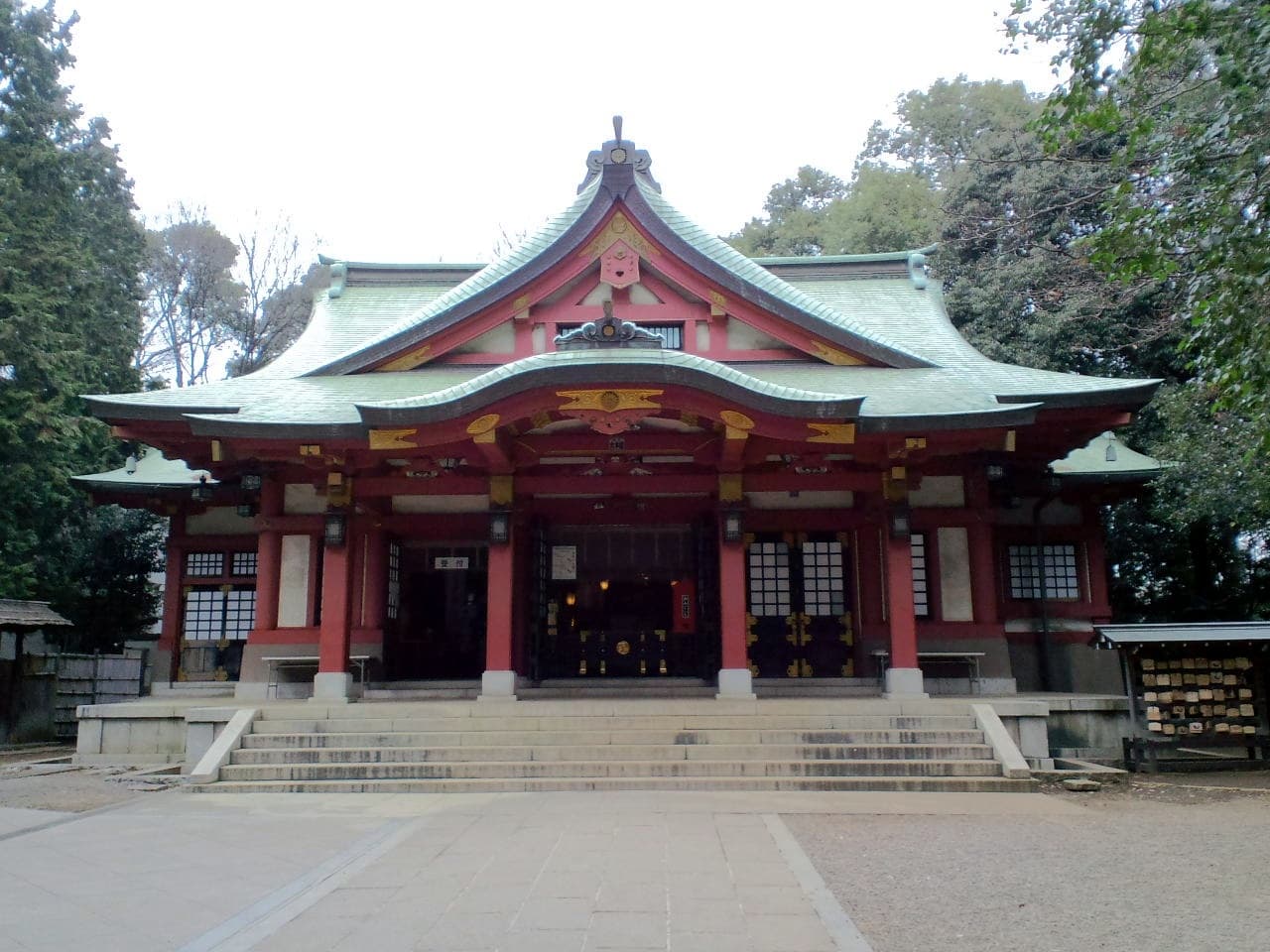
Omiya Hachiman-gu — exact-site Wikimedia Commons image. Image source · CC BY 3.0
Visit essentials
A quick read before you go
- Duration
- Allow enough time to avoid rushing worship, but do not remain in a way that blocks circulation…
- Access
- 2-chōme-3-1 Ōmiya, Suginami City, Tokyo 168-8570.
Overview
Omiya Hachiman-gu is presented through documented identity and living Shinto practice, not star ratings or promised transformation. Its detailed history remains in the origin account; sacred meaning remains with worship, teaching, remembrance, service, and care.
Why this place is sacred
A map can show the threshold of Omiya Hachiman-gu; it cannot determine what the place means for every devotee. Quiet attention is more responsible than assigning a single mood, energy, or spiritual effect. Notice how people prepare to enter, where they pause, and which spaces remain protected, while avoiding imitation or intrusion.
The cited sources identify Omiya Hachiman-gu as an exact Shinto institution and provide the bounded historical context summarized here.
The site's present form reflects continuity as well as rebuilding, institutional change, and the work of successive communities. Specific claims are limited to the cited record.
Experience and orientation
Begin with the site's present threshold rather than a checklist. Put away conversation and devices when worship is underway, yield to people making offerings or attending services, and accept closures without pressing for access. A respectful visit may be brief. Its value does not depend on witnessing a ceremony, entering every building, or producing photographs.
Use the official site and posted notices to distinguish public grounds from worship, residential, administrative, memorial, or conservation spaces.
Context and lineage
Ōmiya Hachiman Shrine (大宮八幡宮, Ōmiya Hachimangū) is a Shinto shrine located in Suginami, Tokyo, Japan. It is a Hachiman shrine, dedicated to the kami Hachiman. It was established in 1063. Its main festival is held annually on September 15. Kami enshrined here include Emperor Ōjin, Empress Jingū and Emperor Chūai in addition to Hachiman.
Omiya Hachiman-gu belongs to the living Shinto context documented by its institutional and exact-entity sources.
Traditions and practice
Pause at the torii, use the purification basin when it is open, and approach the worship hall without blocking the central path. At the offering box, visitors commonly bow twice, clap twice, offer a silent prayer, and bow once; posted shrine guidance takes precedence.
Current practice and participation at Omiya Hachiman-gu follow the institution's own guidance. Do not infer permission from what another visitor does.
Notice the threshold, the order of movement, and the care given to sacred objects without turning observation into performance.
Shinto
ActiveOmiya Hachiman-gu is an active Shinto place in Tokyo. Its sacred meaning belongs first to the worshipping community, its documented history, and its continuing care—not to popularity metrics.
Pause at the torii, use the purification basin when it is open, and approach the worship hall without blocking the central path. At the offering box, visitors commonly bow twice, clap twice, offer a silent prayer, and bow once; posted shrine guidance takes precedence.
Perspectives and open questions
Read Omiya Hachiman-gu through its living Shinto community alongside documented history, architecture, and urban context.
Scholarly perspective
Institutional and exact-entity sources establish identity and bound the historical account. Unresolved or contested claims remain explicitly attributed.
Living and traditional perspectives
According to its tradition, sacred meaning is encountered through worship, teaching, remembrance, and the relationships sustained by the community.
Open questions
No paranormal, medical, therapeutic, or guaranteed transformative effect is claimed.
Plan your visit
Access and arrival
2-chōme-3-1 Ōmiya, Suginami City, Tokyo 168-8570. Confirm the route, accessibility, opening status, and event-day restrictions through the official site and exact map record before travel.
No lodging recommendation is made; use current, independent accessibility and accommodation information.
Respectful visit
Wear clean, modest clothing. Step around sacred ropes, barriers, and prepared ritual areas.
Photograph only from public areas and never during rites without permission. Ask before photographing worshippers, attendants, or the interior of the sanctuary.
Use only offering and donation channels authorized by Omiya Hachiman-gu; never leave substitute objects or food without permission.
Respect barriers, private rooms, protected fabric, sacred interiors, and any temporary restriction announced by staff.
Do not improvise ritual, promise spiritual results, interrupt prayer, or handle devotional objects without invitation.
Current practical details
Address
日本、〒168-8570 東京都杉並区大宮2丁目3−1
Phone
Hours
Hours, fees, and access can change — verify on the official source before you travel. Practical details last checked Aug 2026.
Location
Map loads as you approach this section.
Pilgrim reflections
A portrait of encounter, not a score
Pilgrims describe what they felt, how present they could become, and whether the place would shape a journey. There are no stars and no ranking of traditions.
No reviewed reflections yet
The first pilgrims can help describe the character of being here.
Share a reflection
Available after an account-backed “Been there.” Every reflection is reviewed before publication.
Nearby sacred places
Explore other sacred places in the region. Proximity does not establish access or travel time; check each place’s guidance.
References
Sources consulted for this page. Source categories describe the publication, not a guarantee that every claim is verified. Traditional accounts and outside interpretations may differ.
- 01大宮八幡宮 - 大宮八幡宮 — 大宮八幡宮officialCustodian source for identity and current visitor information; time-sensitive details require rechecking.
- 02Ōmiya Hachimangū (Tokyo) — Wikipedia contributorsacademicExact-entity orientation cross-checked against institutional and structured records.
- 03大宮八幡宮 (杉並区) — Japanese Wikipedia contributorsacademicJapanese exact-entity history and terminology; automated translation, when used, requires editorial verification.
- 04Wikidata entity Q10934922 — Wikidata contributorsacademicStructured identity and coordinate cross-check; matched within 56 meters of the Google place record.
- 05Omiya Hachiman-gu Google Maps place record — GoogleSource contextExact place ID used for address, coordinates, website, hours, and operational-status matching; rating is not publication evidence.
- 06File:大宮八幡宮 Omiya Hachiman shrine - panoramio.jpg — Wikimedia Commons contributorsacademicExact-subject image description and reusable-license record.
Pilgrim glossary
- Torii
- The traditional Japanese gate marking the entrance to a Shinto sacred area.
Share a photo
Help visitors recognize Omiya Hachiman-gu. Every submission is reviewed before publication.