Mission Concepción
A source-bounded encounter with Mission Concepción
Understand sacred places, explore living traditions, and learn how to engage respectfully with Pilgrim Map.
Access has not been verified. Check current local guidance before planning a visit.
San Antonio, Texas, United States
Read the sources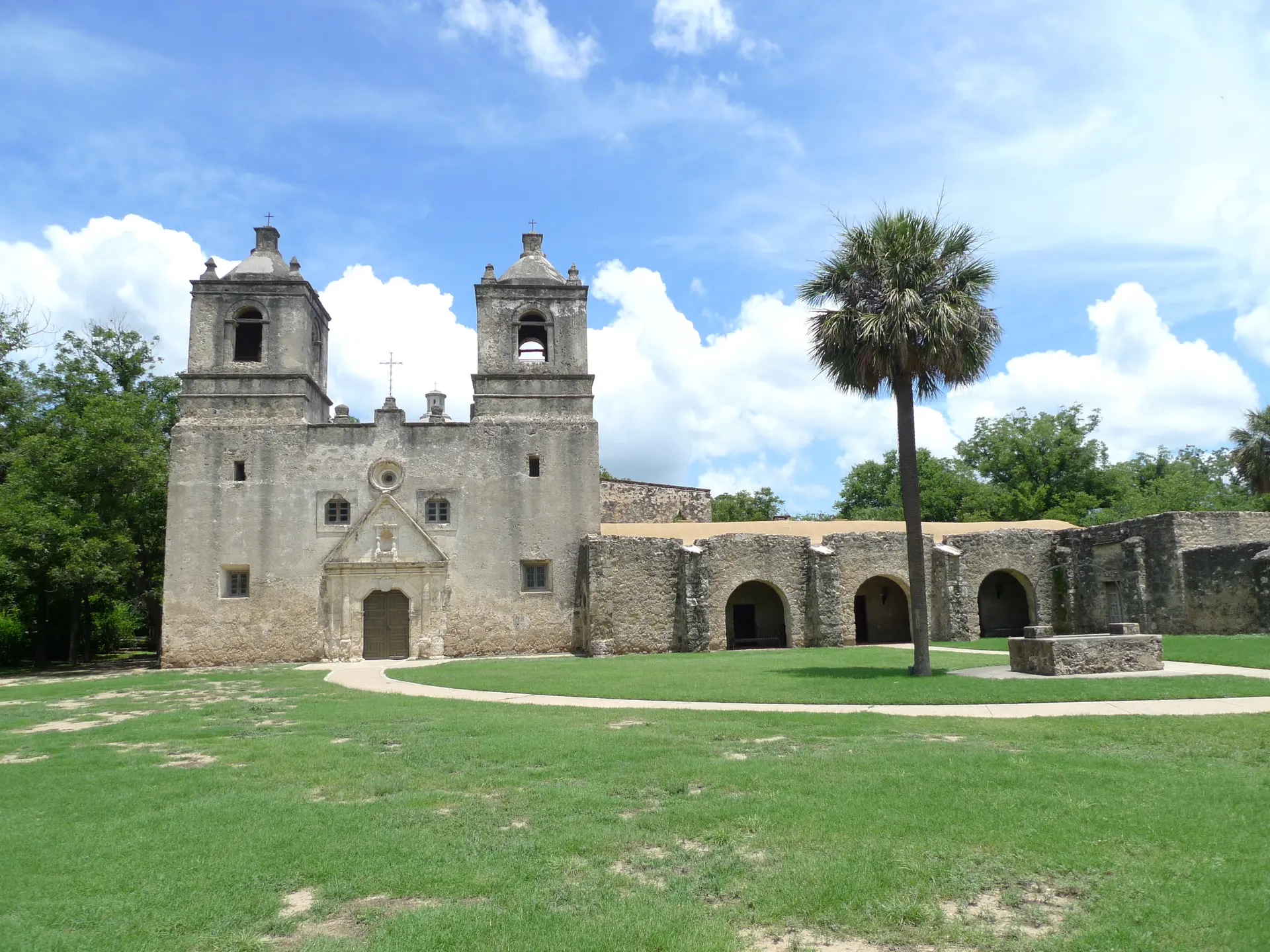
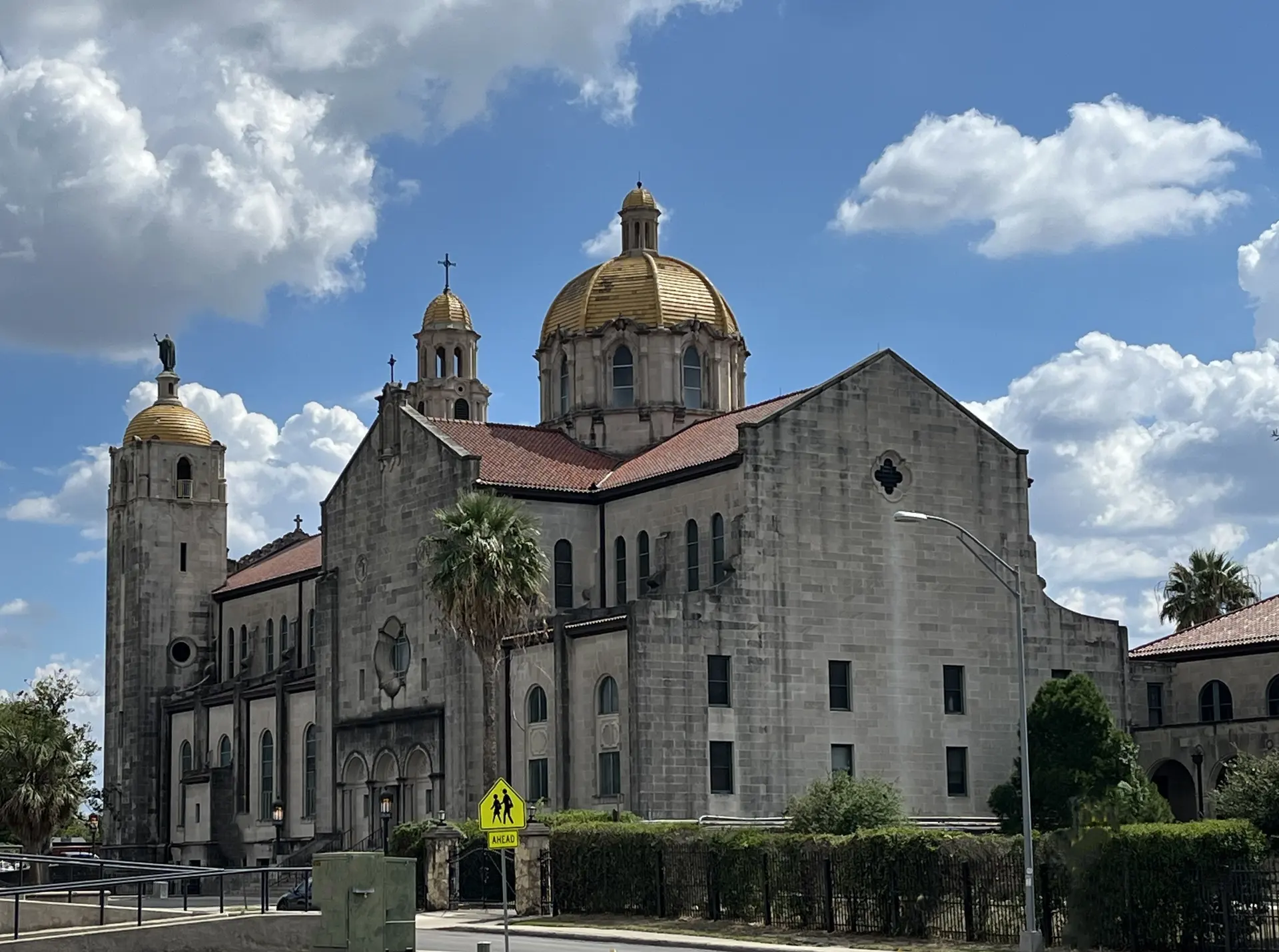
Mission Concepción — rights-reviewed exact-site image. Image source · CC BY-SA 2.0
Visit essentials
A quick read before you go
- Duration
- Allow flexible time; no fixed duration is asserted.
- Access
- The reviewed location is San Antonio, Texas, United States; route proximity alone is not enough…
Overview
This record is for Mission Concepción, the exact living parish church within a Spanish colonial mission complex in San Antonio, Texas, United States. It does not stand for the surrounding city, a nearby attraction, or the whole of San Antonio mission circuit. The identity and sacred use were checked against San Antonio Missions World Heritage Site; San Antonio Missions official map and guide; San Antonio Missions.
The National Park Service identifies Mission Concepción as one of four missions within San Antonio Missions National Historical Park and as an active parish of the Archdiocese of San Antonio. The mission was transferred to the San Antonio River in 1731 and retains original Spanish colonial buildings, architectural features, and frescoes. Mission Concepción is the northernmost of the four park missions in the official north-to-south sequence.
The mission is a component of the serial San Antonio Missions UNESCO World Heritage property inscribed in 2015. The World Heritage interpretation recognizes the mission system as an encounter among Indigenous peoples, missionaries, colonists, and Spanish imperial institutions. Custodial responsibility is equally important to the map boundary: the Archdiocese of San Antonio governs the active parish while the National Park Service stewards the historic mission grounds under a cooperative framework.
Interpretation must name Indigenous labor, displacement, evangelization, and Spanish colonial power rather than presenting the mission only as picturesque architecture. Church services and parish authority remain distinct from park visitation. These distinctions are why the place qualifies as a sacred-site record while current opening, service, access, and visitor rules remain matters to confirm directly with its custodians.
Why this place is sacred
The evidence makes several layers visible at Mission Concepción. First is the physical place in San Antonio; second is its living or remembered place within Roman Catholic Christianity; third is its connection to San Antonio mission circuit. Those layers overlap, but none substitutes for the others. Mission Concepción is the northernmost of the four park missions in the official north-to-south sequence. The mission is a component of the serial San Antonio Missions UNESCO World Heritage property inscribed in 2015.
Interpretation must name Indigenous labor, displacement, evangelization, and Spanish colonial power rather than presenting the mission only as picturesque architecture. Church services and parish authority remain distinct from park visitation. The entry therefore retains the site's exact name, sacred function, custodial authority, and unresolved practical details instead of turning them into a single promotional narrative.
living parish church within a Spanish colonial mission complex
The reviewed sources establish identity and selected classifications; a fuller building chronology remains source-dependent.
Experience and orientation
The encounter begins by confirming that the destination is Mission Concepción in San Antonio, rather than a similarly named institution or the route region as a whole. On site, allow worship, pastoral work, resident life, maintenance, and ceremonies to set the pace. The reviewed history offers a specific lens for attention: The mission was transferred to the San Antonio River in 1731 and retains original Spanish colonial buildings, architectural features, and frescoes.
The World Heritage interpretation recognizes the mission system as an encounter among Indigenous peoples, missionaries, colonists, and Spanish imperial institutions. This context can deepen observation without promising a particular emotion or spiritual result. Interpretation must name Indigenous labor, displacement, evangelization, and Spanish colonial power rather than presenting the mission only as picturesque architecture. Church services and parish authority remain distinct from park visitation. If access is limited, waiting quietly or changing plans is a respectful response.
Concepción's particular character is not interchangeable with the other San Antonio missions. Its position at the north of the four park missions is useful for orientation, but its strongest visual and historical evidence is the survival of colonial-era buildings, architectural details, and painted frescoes. Those features deserve attention as material witnesses, not merely as a picturesque background.
The 1731 transfer to the San Antonio River places the complex within the mission system's organized movement of people, agriculture, worship, and imperial authority. That history requires language broad enough to include Indigenous labor, adaptation, displacement, and coercion. At the same time, Concepción is not only a remnant of the eighteenth century: the church continues as an Archdiocese of San Antonio parish. Park interpretation and parish life therefore meet at one location under different forms of care.
A visitor center description can explain historic fabric, while the parish determines the conditions of Mass, pastoral activity, and prayer. The site's UNESCO component status adds an international conservation frame, but does not outrank those living responsibilities. On a multi-mission visit, give Concepción its own time and vocabulary; do not transfer assumptions about reconstructed fabric, farm fields, aqueducts, or visitor facilities from another stop.
Confirm the exact destination and read posted community guidance before entering.
Context and lineage
The remaining evidence situates the place more precisely. The mission is a component of the serial San Antonio Missions UNESCO World Heritage property inscribed in 2015. The World Heritage interpretation recognizes the mission system as an encounter among Indigenous peoples, missionaries, colonists, and Spanish imperial institutions. Its connection to San Antonio mission circuit is therefore a supported context for pilgrimage, not permission to treat every space as public or every inherited account as independently verified.
Where the sources describe tradition, memory, martyrdom, miracle, colonial encounter, reconstruction, or interreligious relationship, this entry preserves that attribution and does not convert it into an unqualified claim.
The route and tradition context is San Antonio mission circuit within Roman Catholic Christianity.
Traditions and practice
The evidence supports approaching Mission Concepción through its established dedication and custodial life. The archdiocese of san antonio governs the active parish while the national park service stewards the historic mission grounds under a cooperative framework. Participation in prayer, liturgy, procession, offerings, or veneration depends on local guidance and, where applicable, invitation. A person following the wider pilgrimage context should prepare for the exact site's customs rather than carry one practice unchanged from stop to stop.
Current ceremonies and participation rules require direct confirmation.
Observe quietly where permitted and follow the responsible community's guidance.
Roman Catholic Christianity
ActiveMission Concepción is interpreted within Roman Catholic Christianity and the source-supported context of San Antonio mission circuit.
Perspectives and open questions
Mission Concepción can be read through living Roman Catholic Christianity practice, exact-site history, material care, and its documented place within San Antonio mission circuit. These perspectives need not erase their differences. The site's religious authority interprets sacred use; historical and conservation sources clarify chronology and fabric; affected communities may also challenge celebratory accounts that omit violence, displacement, exclusion, or contested memory.
Scholarly perspective
Historical interpretation of Mission Concepción remains bounded by the cited exact-site sources. Heritage documentation supports identity and material history but does not replace the authority of Roman Catholic Christianity communities. Its place within San Antonio mission circuit describes a source-supported pilgrimage context; it does not prescribe unrestricted access or a universal spiritual experience.
Living and traditional perspectives
According to Roman Catholic Christianity sources, sacred meaning belongs to living practice and inherited memory.
Alternative interpretations
No unsupported alternative claim is added.
Open questions
Current access, unsettled chronology, and any contested interpretation remain explicit gaps.
Plan your visit
Access and arrival
The reviewed location is San Antonio, Texas, United States; route proximity alone is not enough to resolve a similarly named church, monastery, temple, mission, mountain, or chapel. For a multi-stage journey on San Antonio mission circuit, verify each destination independently rather than assuming one route-wide schedule or rule set. Official and resident body websites can change more quickly than a database entry, so a same-day check is appropriate when physical access matters.
Allow time for worship and resident body use, and keep an alternative plan if the site is closed, full, under repair, or receiving a ceremony. Do not infer step-free physical access from a map listing; historic stairs, steep paths, thresholds, weather, and security arrangements may require specific confirmation. Opening, worship times, reservations, permits, admission, transport, road conditions, accessibility, camera work, dress, and restoration closures have not been verified here; confirm them directly.
Use the exact name Mission Concepción and the reviewed Google place identifier when planning, then compare the result with the cited entity and image before navigating.
Use current route and local sources; no lodging recommendation is made.
Respectful visit
Use context-appropriate modest dress and follow posted requirements.
Ask before photographing people, worship, interiors, objects, or restricted areas.
Do not improvise offerings; follow explicit local guidance.
The entry preserves the cultural, religious, and access boundaries identified for Mission Concepción instead of smoothing them into route promotion.
The entry preserves the cultural, religious, and access boundaries identified for Mission Concepción instead of smoothing them into route promotion.
Location
Map loads as you approach this section.
Pilgrim reflections
A portrait of encounter, not a score
Pilgrims describe what they felt, how present they could become, and whether the place would shape a journey. There are no stars and no ranking of traditions.
No reviewed reflections yet
The first pilgrims can help describe the character of being here.
Share a reflection
Available after an account-backed “Been there.” Every reflection is reviewed before publication.
Nearby sacred places
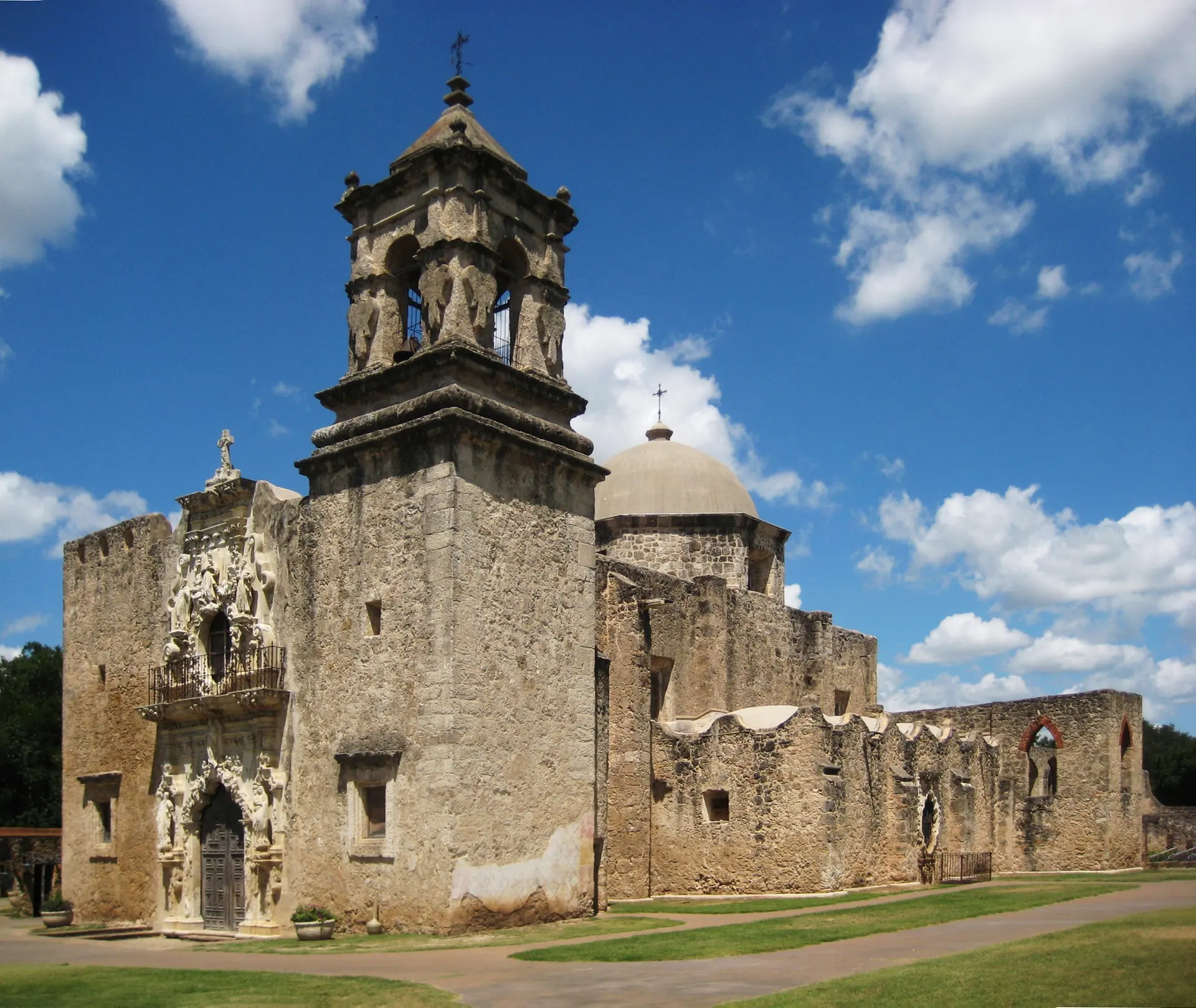
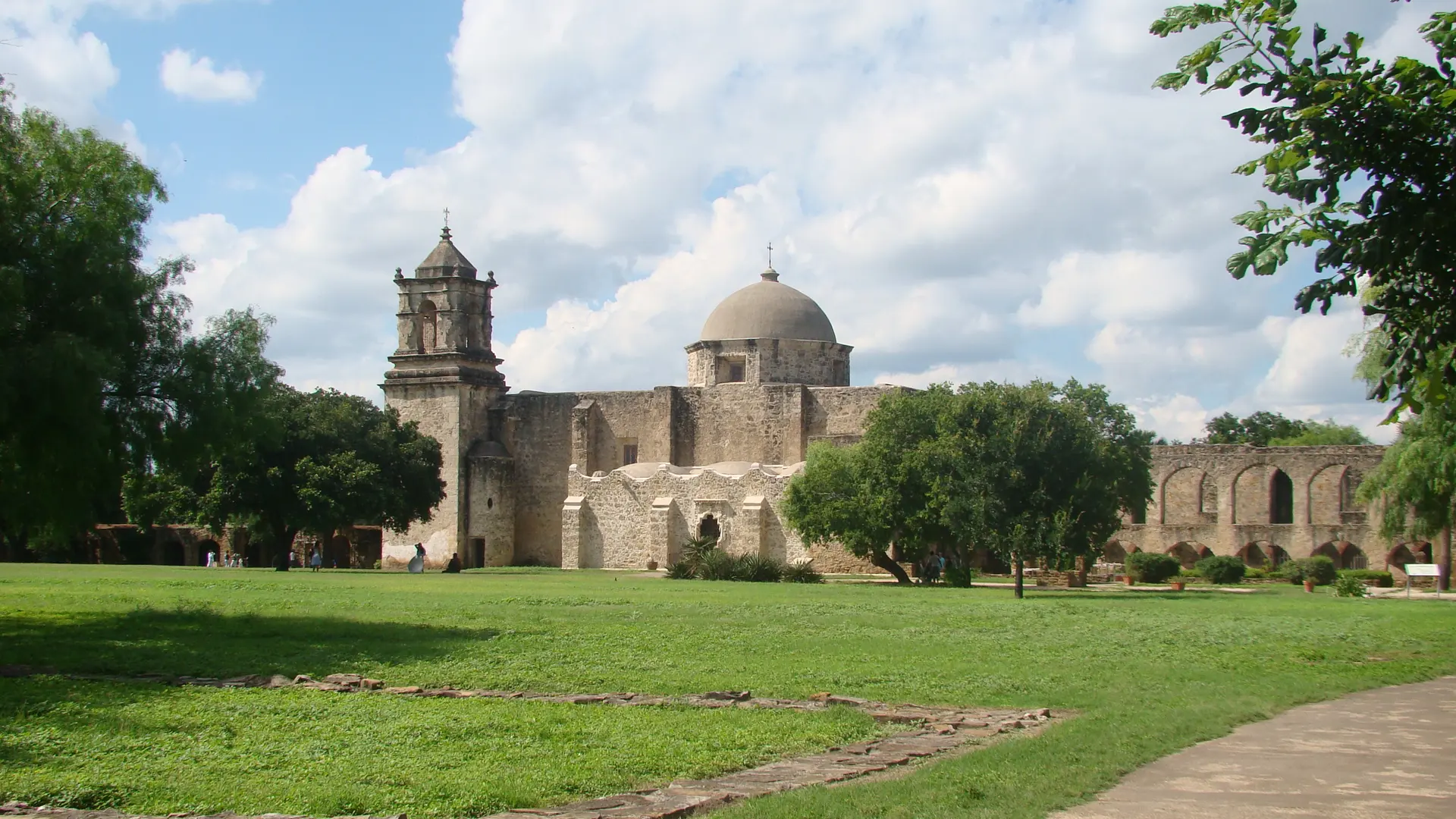
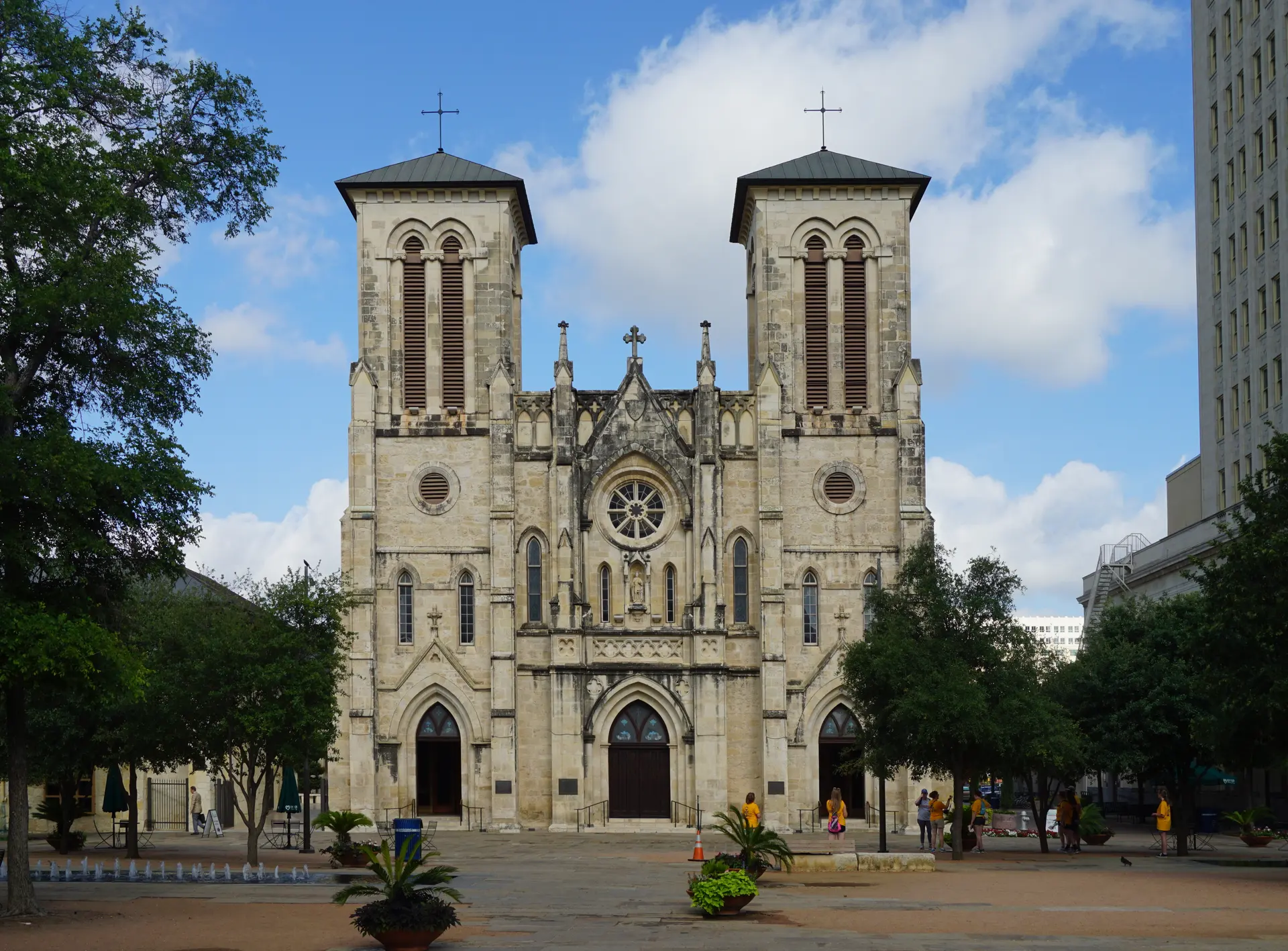
Explore other sacred places in the region. Proximity does not establish access or travel time; check each place’s guidance.
References
Sources consulted for this page. Source categories describe the publication, not a guarantee that every claim is verified. Traditional accounts and outside interpretations may differ.
- 01San Antonio Missions World Heritage Site — U.S. National Park ServiceofficialPrimary public-steward source for identity, active parish status, and ownership boundaries.
- 02San Antonio Missions official map and guide — U.S. National Park ServiceofficialOfficial source for exact mission identity, chronology, and site features.
- 03San Antonio Missions — UNESCO World Heritage CentreofficialAuthoritative serial-property context and colonial encounter framing.
- 04Rights-reviewed exact-site image for Mission Concepción — Tony KentofficialExact sacred-site image independently checked against Wikimedia Commons categories and reuse terms: CC BY-SA 2.0.
Share a photo
Help visitors recognize Mission Concepción. Every submission is reviewed before publication.