Costești-Blidaru Dacian Fortress
A high Dacian fortress and exact UNESCO component above Costești
Understand sacred places, explore living traditions, and learn how to engage respectfully with Pilgrim Map.
Access has not been verified. Check current local guidance before planning a visit.
Costești, Hunedoara County, Romania
Read the sources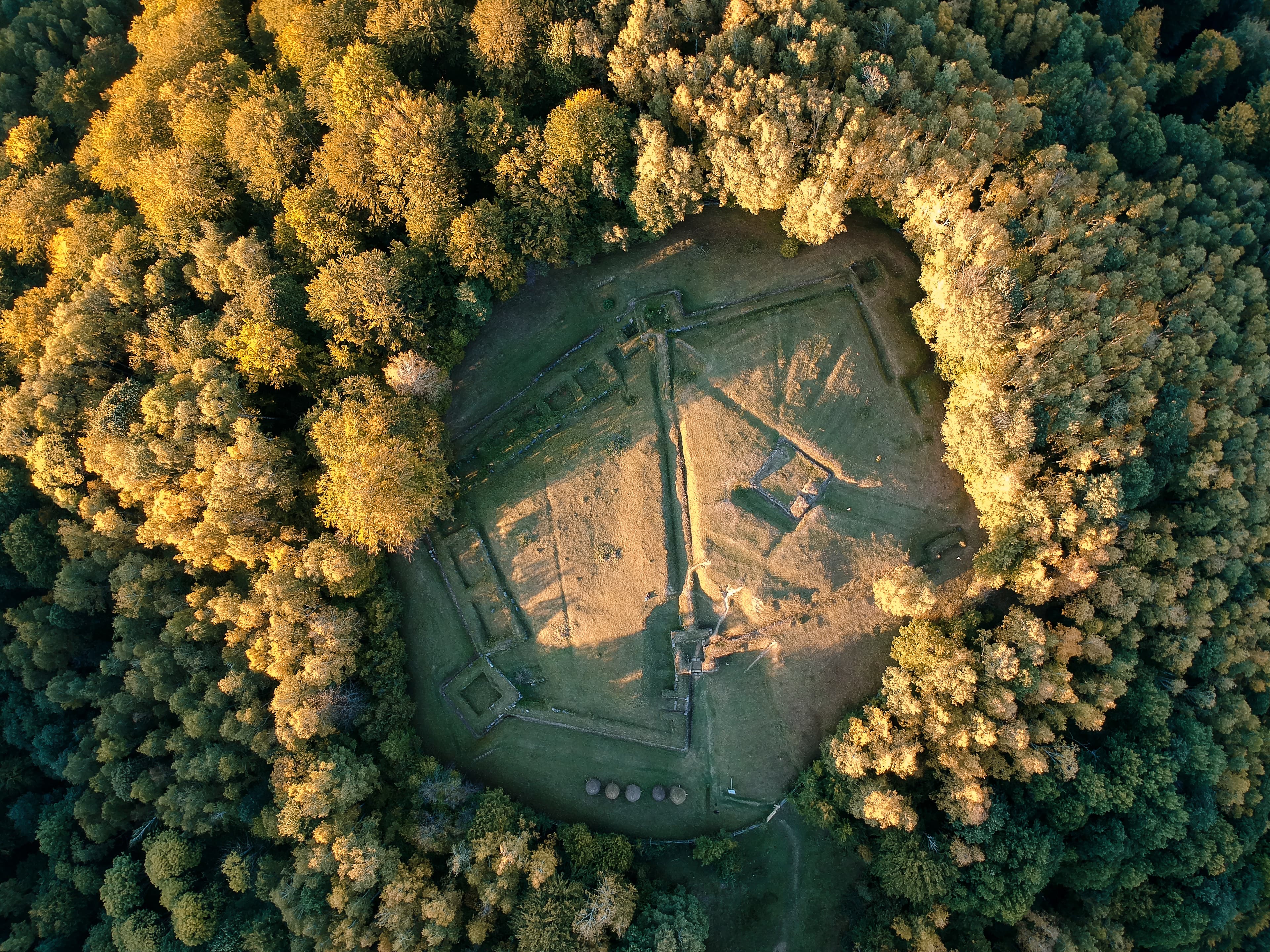
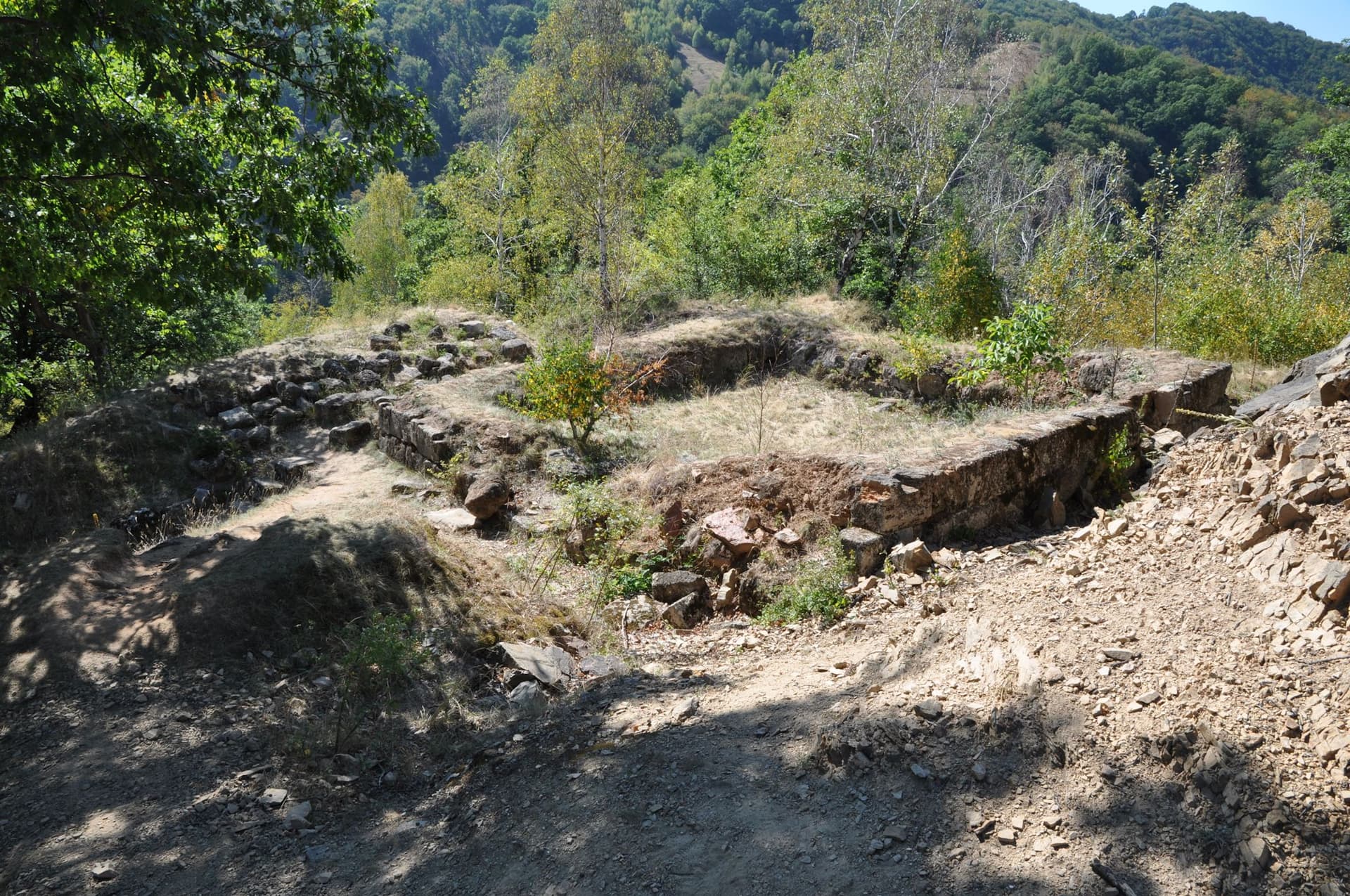
Image of Costești-Blidaru Dacian Fortress. Image source · CC BY-SA 4.0
Visit essentials
A quick read before you go
- Access
- Orastioara de Sus, Romania
- Etiquette
- Protect masonry and ground surfaces, stay on established paths, and carry out all waste.
Overview
Blidaru occupies a commanding wooded height and preserves stone fortifications, towers, and internal structures. UNESCO and Romania’s National Heritage Institute establish its exact identity. It must remain distinct from nearby Costești-Cetățuie and from the six-component World Heritage property as a whole.
Why this place is sacred
Defensive and domestic remains provide the clearest evidence at Blidaru. Any connection to Dacian belief should be framed through the broader historical culture and specific archaeological findings rather than assumed sanctuary functions.
Experience and orientation
Keep this exact component distinct from neighboring sites and the wider serial property.
Context and lineage
Blidaru formed part of the defensive system around the Dacian center in the Orăștie Mountains. Its strategic placement and masonry illuminate ancient power, movement, and control in a landscape that also contained sacred centers.
Traditions and practice
Observe without touching, climbing, moving, or depositing objects.
Historical Dacian religion
HistoricalBlidaru is interpreted within the historical Dacian cultural and religious world, without a claim of active worship or a site-specific sanctuary.
No living Dacian rite is documented at Blidaru. Visitors should not create ceremonies, leave offerings, or label defensive features as sacred without site-specific archaeological evidence.
Perspectives and open questions
Blidaru matters as an exact fortified component within a larger Dacian landscape. Its heritage significance does not justify attaching modern Orthodox identity or unverified ritual functions.
Scholarly perspective
Archaeological, historical, and conservation claims are separated from confessional or personal interpretations.
Living and traditional perspectives
Blidaru is interpreted within the historical Dacian cultural and religious world, without a claim of active worship or a site-specific sanctuary.
Open questions
Trail condition, visitor infrastructure, and the functions of some internal structures remain uncertain.
Plan your visit
Access and arrival
Orastioara de Sus, Romania
Respectful visit
Wear clothing and footwear appropriate to a protected mountain archaeological site.
Follow current conservation and worship rules for photography.
Do not leave offerings or other material at archaeological remains.
Respect paths, barriers, services, staff instructions, and areas closed to visitors.
Do not present archaeological interpretation as living ritual continuity.
Location
Map loads as you approach this section.
Pilgrim reflections
A portrait of encounter, not a score
Pilgrims describe what they felt, how present they could become, and whether the place would shape a journey. There are no stars and no ranking of traditions.
No reviewed reflections yet
The first pilgrims can help describe the character of being here.
Share a reflection
Available after an account-backed “Been there.” Every reflection is reviewed before publication.
Nearby sacred places
Explore other sacred places in the region. Proximity does not establish access or travel time; check each place’s guidance.
References
Sources consulted for this page. Source categories describe the publication, not a guarantee that every claim is verified. Traditional accounts and outside interpretations may differ.
- 01UNESCO World Heritage List entry 906-003 — UNESCO World Heritage CentreofficialOfficial World Heritage record.
- 02Dacian Fortresses of the Orăștie Mountains — UNESCO World Heritage CentreofficialOfficial UNESCO record confirms the serial property and the exact Dacian fortress components represented in this batch.
- 03Dacian Fortresses of the Orăștie Mountains: Maps — Romanian National Heritage Institute and UNESCOofficialExact serial-component boundary. accessed 2026-09-04.
- 04Costești-Blidaru Dacian Fortress — Romanian National Heritage Institute and UNESCOofficialNational Heritage Institute identity and monument context. accessed 2026-09-04.
- 05Costești-Blidaru Dacian fortress — Wikipedia contributorsacademicIdentity and historical overview; key claims require cautious framing.
- 06Wikidata record Q5175125 — Wikidata contributorsacademicStructured identity, coordinate, and heritage metadata.
- 07Google Maps listing for Blidaru Fortress — Google MapsSource contextWhole-site identity, coordinates, website, and current practical listing only.
- 08File:Cetatea Costești-Blidaru.jpg — Calin.JorzaacademicExact image-subject and reuse-license provenance only; not used for historical claims.
Share a photo
Help visitors recognize Costești-Blidaru Dacian Fortress. Every submission is reviewed before publication.