Church of San Martín de Tours
Romanesque proportion on the road to Santiago
Understand sacred places, explore living traditions, and learn how to engage respectfully with Pilgrim Map.
Access has not been verified. Check current local guidance before planning a visit.
Frómista, Palencia, Spain
Read the sources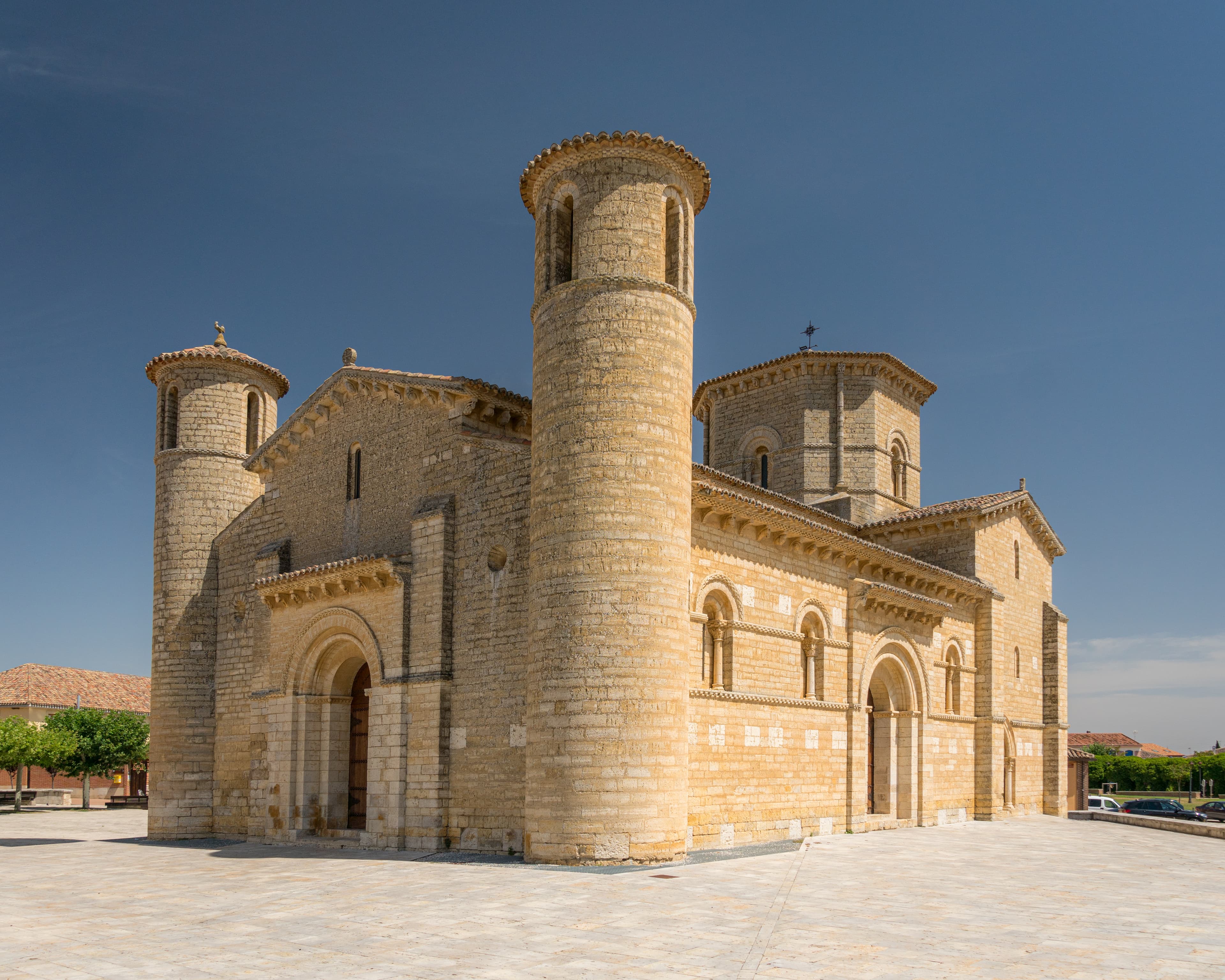
Church of San Martín de Tours - rights-reviewed Wikimedia image. Image source · CC BY-SA 4.0
Visit essentials
A quick read before you go
- Duration
- Give Church of San Martín de Tours enough time for worship.
- Access
- Use the Castilla y León portal for current hours, ask staff about services, and check Camino…
Overview
San Martin de Tours is closely tied to Fromista's identity on the Way of Saint James. The surviving church is valued as a major expression of Spanish Romanesque architecture, yet its route significance is more than a convenient location. Pilgrims arrive within a sequence of churches, bridges, streets, and hostels that has carried devotion and movement across centuries. The church rewards slow looking: notice the balance of nave, towers, apses, and carved details without climbing, touching, or obstructing narrow circulation.
Saint Martin's remembered act of sharing his cloak gives the dedication an ethical register, but visitors should not project a single devotional response onto everyone present. Some come to pray, some to study, and some to continue walking. The common discipline is to leave room for each purpose.
Why this place is sacred
The church's restrained scale can sharpen attention after long open stretches of the Meseta. Stone, shadow, and repeated arches create a measured interior rhythm. Pilgrims may experience that rhythm as rest or recollection, but the site does not promise transformation. Its sacred continuity depends on worship, care, and responsible passage through a small community.
The supplied encyclopedia page dates the church to the eleventh century, identifies its Romanesque style, and places it on the Way of Saint James. The Castilla y Leon cultural portal confirms the exact monument and should be checked for present access. The national Camino source establishes the wider route context.
Worship carries continuity; repair, institutional change, and community stewardship also shape the church.
Experience and orientation
Begin with current Castilla y León threshold instructions. Camino movement, worship, and conservation share the church without assigning one Roman Catholic purpose to everyone. Prayer, attentive silence, and observation of the Romanesque program are appropriate when access is open. Never touch carvings, and yield if a service or parish activity begins.
Use the Castilla y León cultural-heritage portal to distinguish public space from worship, residential, conservation, and administrative areas.
Context and lineage
The supplied encyclopedia page dates the church to the eleventh century, identifies its Romanesque style, and places it on the Way of Saint James. The Castilla y Leon cultural portal confirms the exact monument and should be checked for present access. The national Camino source establishes the wider route context.
Church of San Martín de Tours belongs to Roman Catholic Christianity here. Route evidence places Church of San Martín de Tours on Camino Francés (French Way); this exact Church of San Martín de Tours relationship is distinct.
Traditions and practice
Prayer, attentive silence, and observation of the church's Romanesque program are appropriate when access is open. Do not treat carvings as tactile exhibits, and yield immediately if a service or organized parish activity begins.
Describe current practice only through direct Roman Catholic and Castilla y León guidance, not visitor inference.
Notice who worships, who cares for the church, and what its responsible authority invites.
Roman Catholic Christianity
ActiveThe Church of Saint Martin of Tours in Fromista is an eleventh-century Romanesque church standing directly on the Camino Frances. Its compact stone volumes and sculpted exterior offer pilgrims a concentrated encounter with medieval church design, while the building's dedication places hospitality, service, and Christian memory ahead of aesthetic consumption.
Prayer, attentive silence, and observation of the church's Romanesque program are appropriate when access is open. Do not treat carvings as tactile exhibits, and yield immediately if a service or organized parish activity begins.
Perspectives and open questions
Read the church through living Roman Catholic practice; its Camino Francés relationship complements architecture, community history, and conservation.
Scholarly perspective
Institutional sources bound the history; exact-entity evidence leaves unresolved Roman Catholic matters explicit.
Living and traditional perspectives
The Roman Catholic community's language is the primary interpretive frame.
Open questions
Church of San Martín de Tours carries no claimed paranormal, therapeutic, or guaranteed transformative effect.
Plan your visit
Access and arrival
Use the Castilla y León portal for current hours, ask staff about services, and check Camino Francés closures separately. The matched map record lists Pl. San Martín, 8, 34440 Frómista, Palencia, Spain.
No lodging claim is verified; consult current Camino Francés sources for the Frómista stop.
Respectful visit
Dress modestly for Church of San Martín de Tours; follow its rules on covering, footwear, and sacred thresholds.
Follow current heritage guidance; ask before photographing people, rites, interiors, devotional objects, or protected surfaces.
Use only donation channels authorized by the Castilla y León cultural-heritage authority. Physical offerings must also be authorized.
Respect barriers, private rooms, protected fabric, and uninterrupted prayer.
Promise no outcome, improvise no rite, and never stage worshippers for church or Camino accounts.
Location
Map loads as you approach this section.
Pilgrim reflections
A portrait of encounter, not a score
Pilgrims describe what they felt, how present they could become, and whether the place would shape a journey. There are no stars and no ranking of traditions.
No reviewed reflections yet
The first pilgrims can help describe the character of being here.
Share a reflection
Available after an account-backed “Been there.” Every reflection is reviewed before publication.
Nearby sacred places
Explore other sacred places in the region. Proximity does not establish access or travel time; check each place’s guidance.
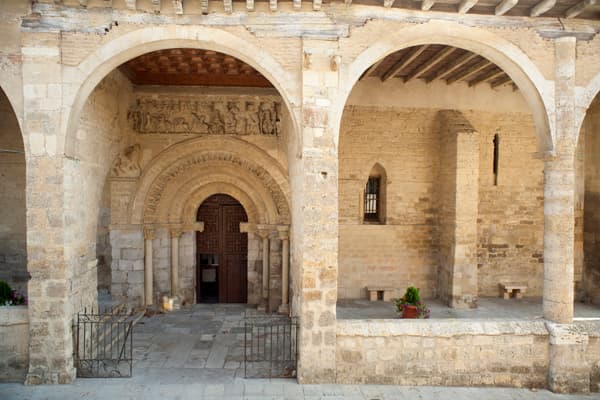
Iglesia de Santa María del Camino, Carrión de los Condes
Carrión de los Condes, Carrión de los Condes, Castilla y León (Palencia), Spain
17.9 km away

Convent of San Antón, Castrojeriz
Castrojeriz, Burgos, Spain
21.5 km away

Ex-Collegiate Church of Santa María del Manzano
Castrojeriz, Burgos, Spain
22.4 km away
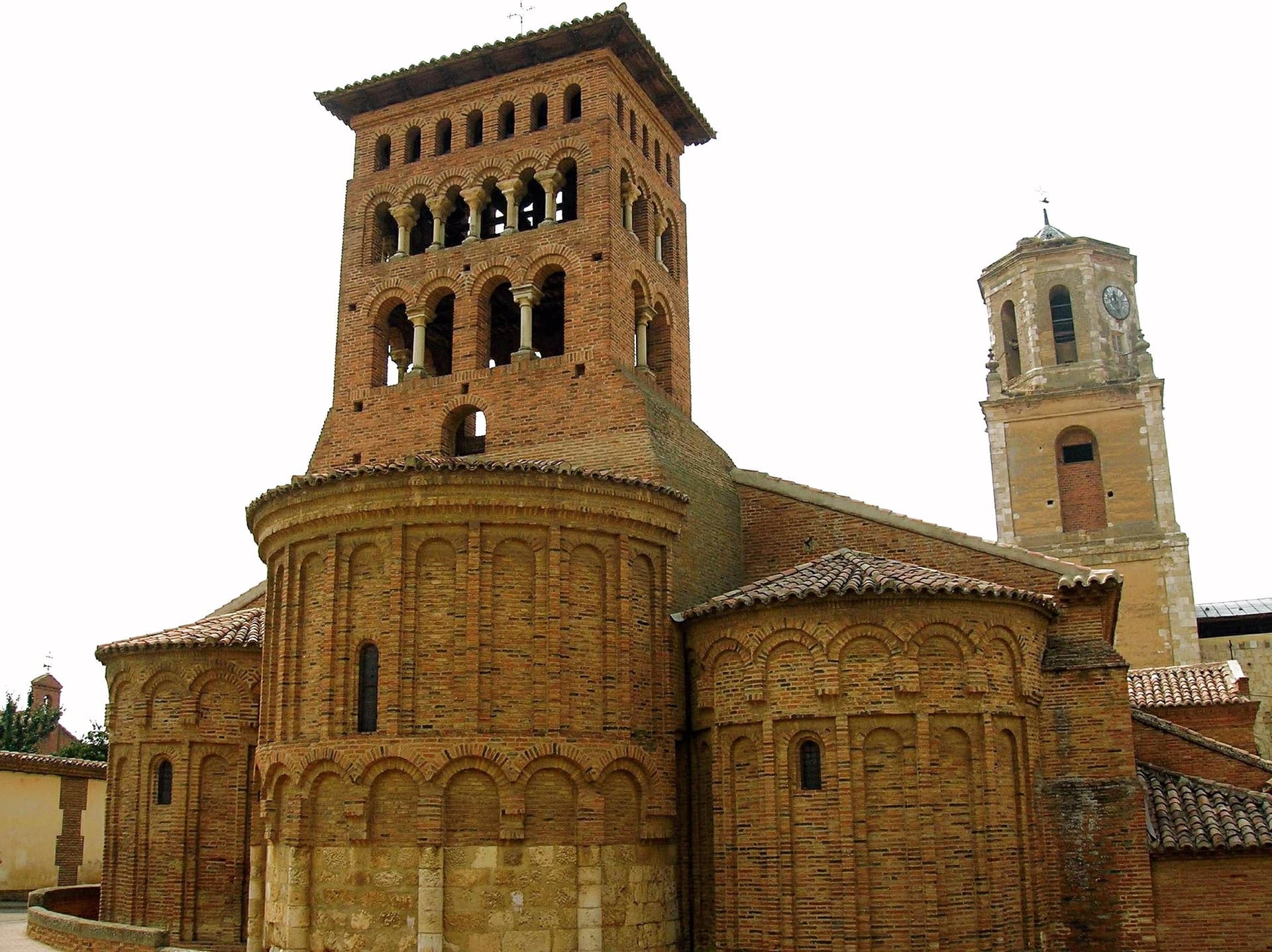
Iglesia de San Tirso, Sahagún
Sahagún, Sahagún, Castilla y León (León), Spain
52.7 km away
References
Sources consulted for this page. Source categories describe the publication, not a guarantee that every claim is verified. Traditional accounts and outside interpretations may differ.
- 01Junta de Castilla y Leon cultural heritage portal — Junta de Castilla y Leon cultural heritage portalofficialInstitutional or custodian source used for current identity and visitor guidance; time-sensitive details require rechecking.
- 02Recorrido del Camino Francés — Consejo Jacobeo, Ministry of Culture of SpainofficialOfficial route description used only to confirm the site's position on the Camino Frances.
- 03Church of Saint Martin of Tours, Frómista — Wikipedia contributorsSource contextExact supplied entity page used for identity and bounded historical orientation; claims are corroborated where an institutional source is available.
- 04Wikidata entity Q2858167 — Wikidata contributorsSource contextStructured identity and coordinate cross-check for the exact supplied entity.
- 05Church of San Martín de Tours - Google Maps place record — GoogleSource contextStrong exact-entity match used only for coordinates, address, phone, and operational status.
Share a photo
Help visitors recognize Church of San Martín de Tours. Every submission is reviewed before publication.