Country guide
Japan
Japan's sacred geography layers Shinto shrine landscapes, Buddhist temple networks, mountain ascetic practice, island pilgrimage, and urban devotional sites.
545 sacred sites across 64 regions. Use the tradition links to narrow in.
Sacred journeys
Pilgrimages in Japan
Follow routes that connect sacred places across Japan. Mapped-place counts reflect the current atlas. Showing 6 of 10 mapped routes.
Buddhism · Shikoku
Shikoku 88 Temple Pilgrimage
四国八十八ヶ所霊場
Eighty-eight temples around an island, a circuit walked beside Kūkai across thirteen centuries.
88 mapped places in Japan · 88-station pilgrimage
Buddhism · Kansai
New Saigoku Kannon Pilgrimage
新西国三十三所
A modern Kansai Kannon circuit organized in 1932 to make the old route walkable for working pilgrims.
38 mapped places in Japan · 33 numbered stations + auxiliary places
Buddhism · Kansai
Saigoku Kannon Pilgrimage
西国三十三所
The oldest Kannon circuit in Japan — thirty-three temples across western Honshu, walked since the eighth century.
36 mapped places in Japan · 33 numbered stations + auxiliary places
Buddhism · Kantō
Chichibu 34 Kannon Pilgrimage
秩父三十四観音霊場
Thirty-four temples in a single Saitama valley — the third leg that makes the Hyakkasho complete.
34 mapped places in Japan · 34-station pilgrimage
Buddhism · Kantō
Bandō Sanjūsankasho Pilgrimage
坂東三十三観音霊場
Thirty-three temples to Kannon across the eastern plain, a circuit of compassion shaped by twelfth-century warriors and walked still.
33 mapped places in Japan · 33-station pilgrimage
Buddhism · Chūgoku
Chūgoku 33 Kannon Pilgrimage
中国三十三観音霊場
A modern Kannon circuit across western Honshu, established in 1981 to honor temples that lay outside the great medieval routes.
29 mapped places in Japan · 33-station pilgrimage
Browse by region
Explore Japan region by region
Open a regional guide to see its sacred sites, traditions, and map.
Show all 63 regions
Explore Japan by facet
Traditions
Physical forms
Dates connected to Japan
Upcoming festivals, feast days, and pilgrimages tied to Japan. Add any to your calendar, or see the full observance calendar.
- Add
Kamiari-sai (Festival of the Gods)
Nov 29 – Sun, Dec 6, 2026Festival
Izumo Taisha (Izumo Grand Shrine)
Refine the atlas
Related Japan guides
Showing 145-192 of 545 sites in this country guide
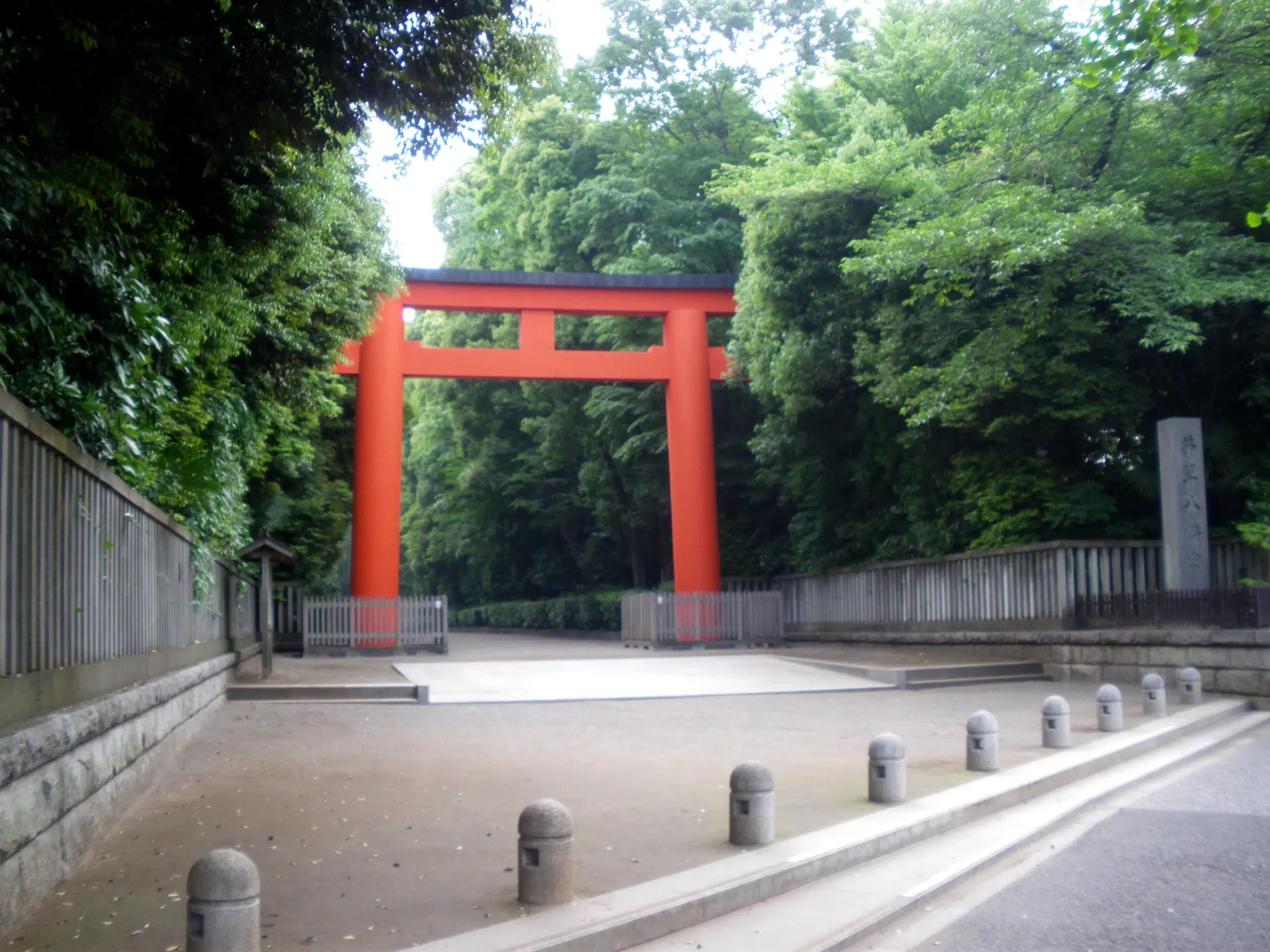
Igusa Hachimangu
Suginami City, Tokyo, Japan
Igusa Hachimangu (井草八幡宮) is an active Shinto sacred place in Tokyo. The record is grounded in an exact Google Place ID, nearby coordinates, institutional or reference...

Ikaruga-dera
Hyogo Prefecture, Japan
Hyōgo Ikaruga-dera in Taishi-chō was founded by Prince Shōtoku in 606 CE on rice-paddy lands granted to him in Harima Province by Empress Suiko....
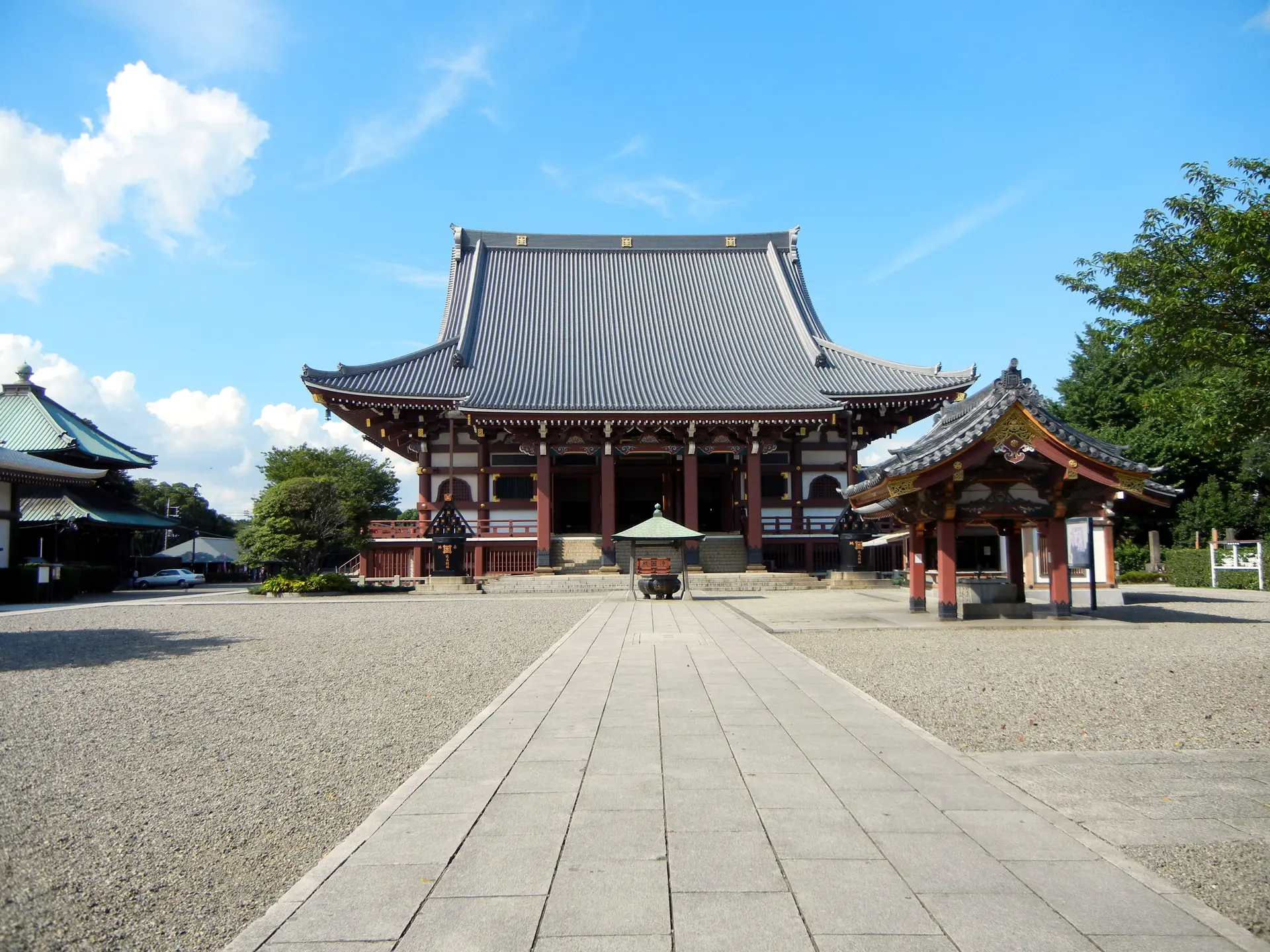
Ikegami Honmon-ji Temple
Ota City, Tokyo, Japan
Ikegami Honmon-ji Temple (日蓮宗 大本山 池上本門寺) is an active Nichiren Buddhism sacred place in Tokyo....
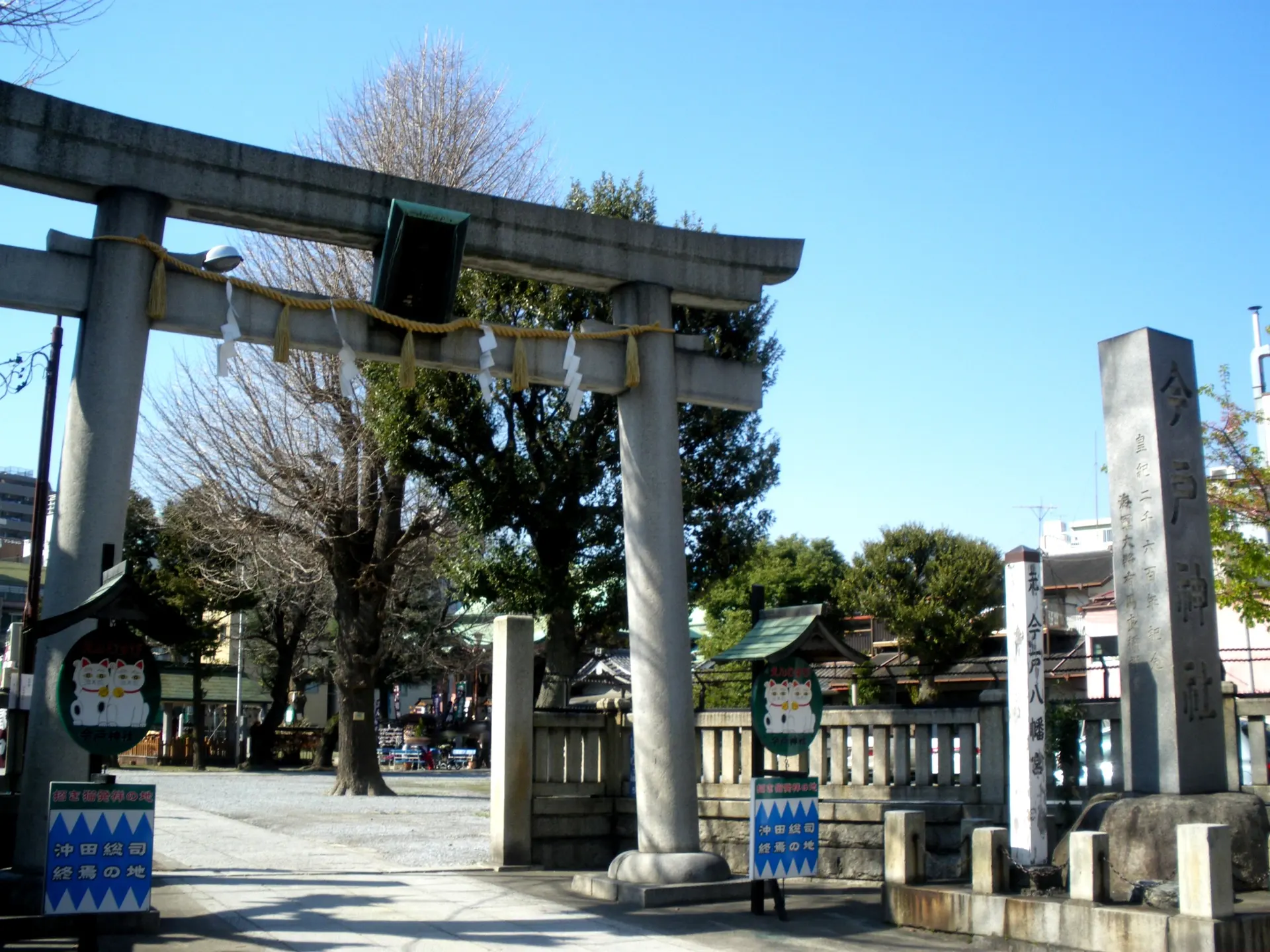
Imado Shrine
Taito City, Tokyo, Japan
Imado Shrine (今戸神社) is an active Shinto sacred place in Tokyo. The record is grounded in an exact Google Place ID, nearby coordinates, institutional or reference evidence,...
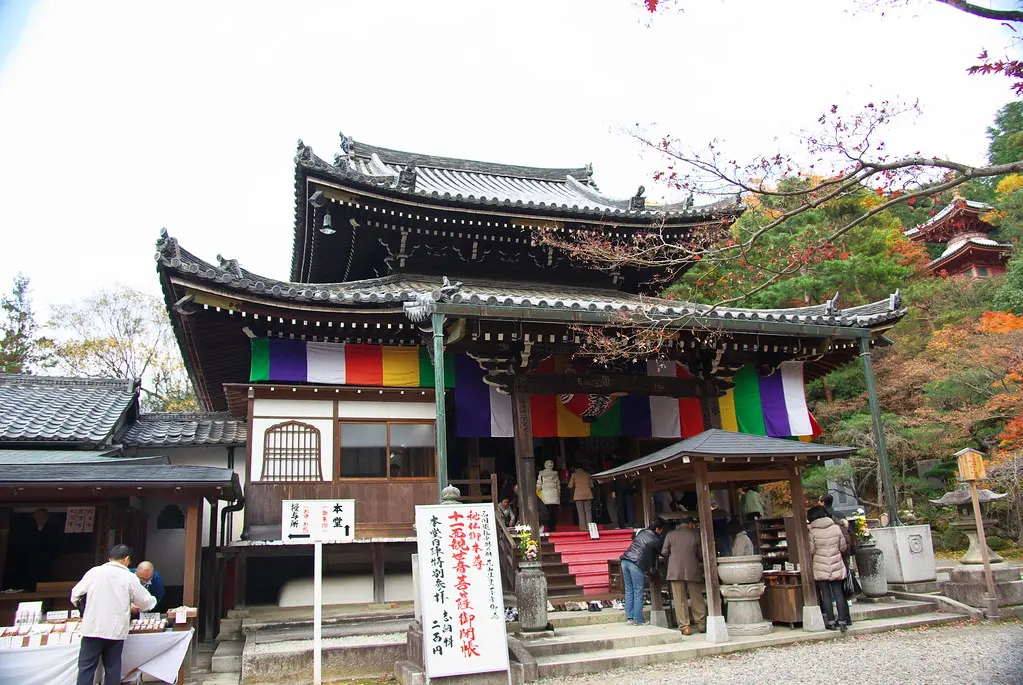
Imakumano Kannon-ji
Part of Sennyū-ji
Higashiyama-ku, Kyoto Prefecture, Japan
Imakumano Kannon-ji is station 15 on the Saigoku Kannon Pilgrimage, a Shingon Buddhism, Kumano cult temple in Kyoto dedicated to Jūichimen Kannon....

Imamiya-bō
Chichibu, Saitama Prefecture, Japan
Imamiya-bō, fourteenth station of the Chichibu 34 Kannon Pilgrimage, is a Rinzai Zen temple of the Nanzen-ji branch on a site that was, for nearly a millennium, a single...

Inasa Beach
Izumo, Shimane Prefecture, Japan
In Japanese mythology, a god descended from heaven at this beach, thrust his sword into the sand, and demanded that the ruler of the earthly realm cede power to the sun...
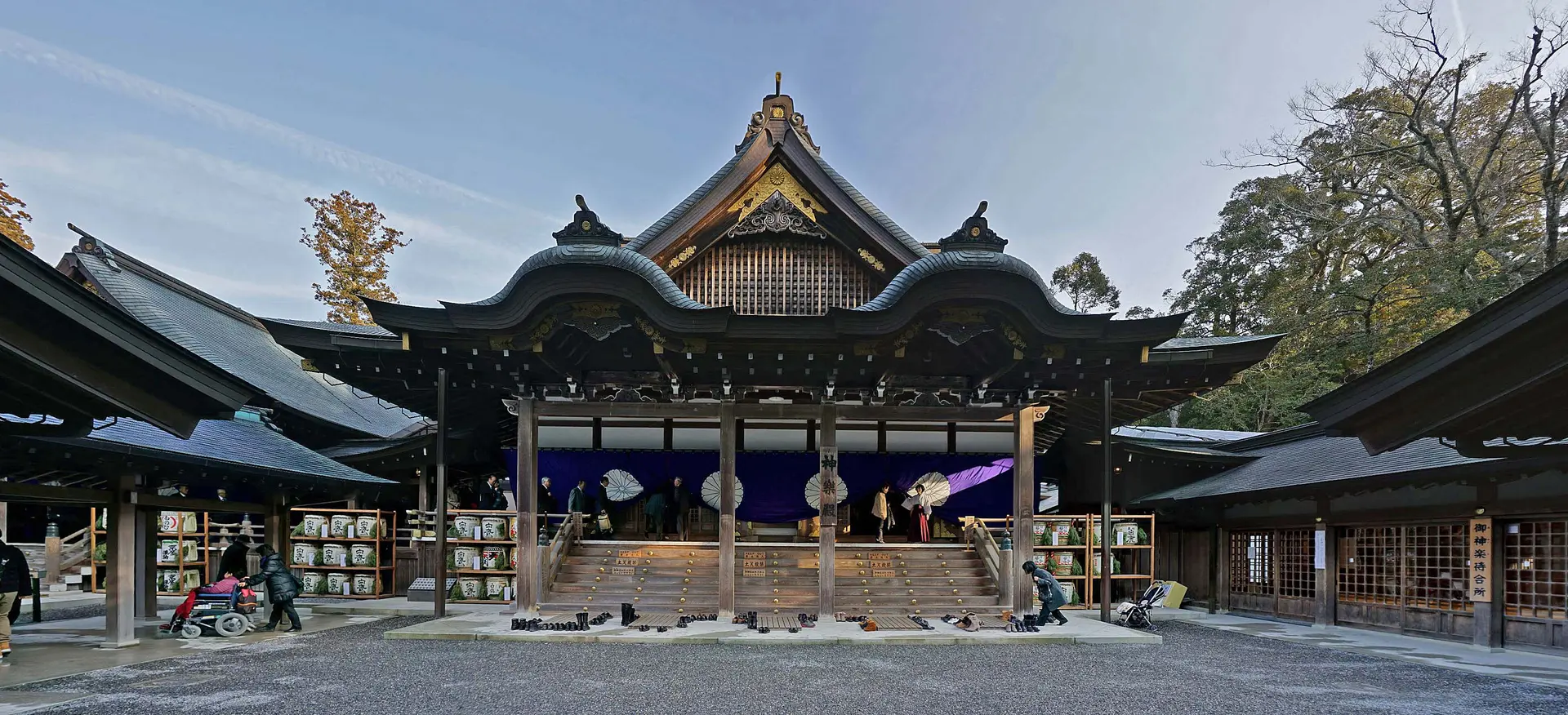
Ise Grand Shrine (Ise Jingū)
Ise, Mie Prefecture, Japan
Deep within a sacred forest in Mie Prefecture stands Ise Jingu, the most venerated Shinto shrine in Japan....
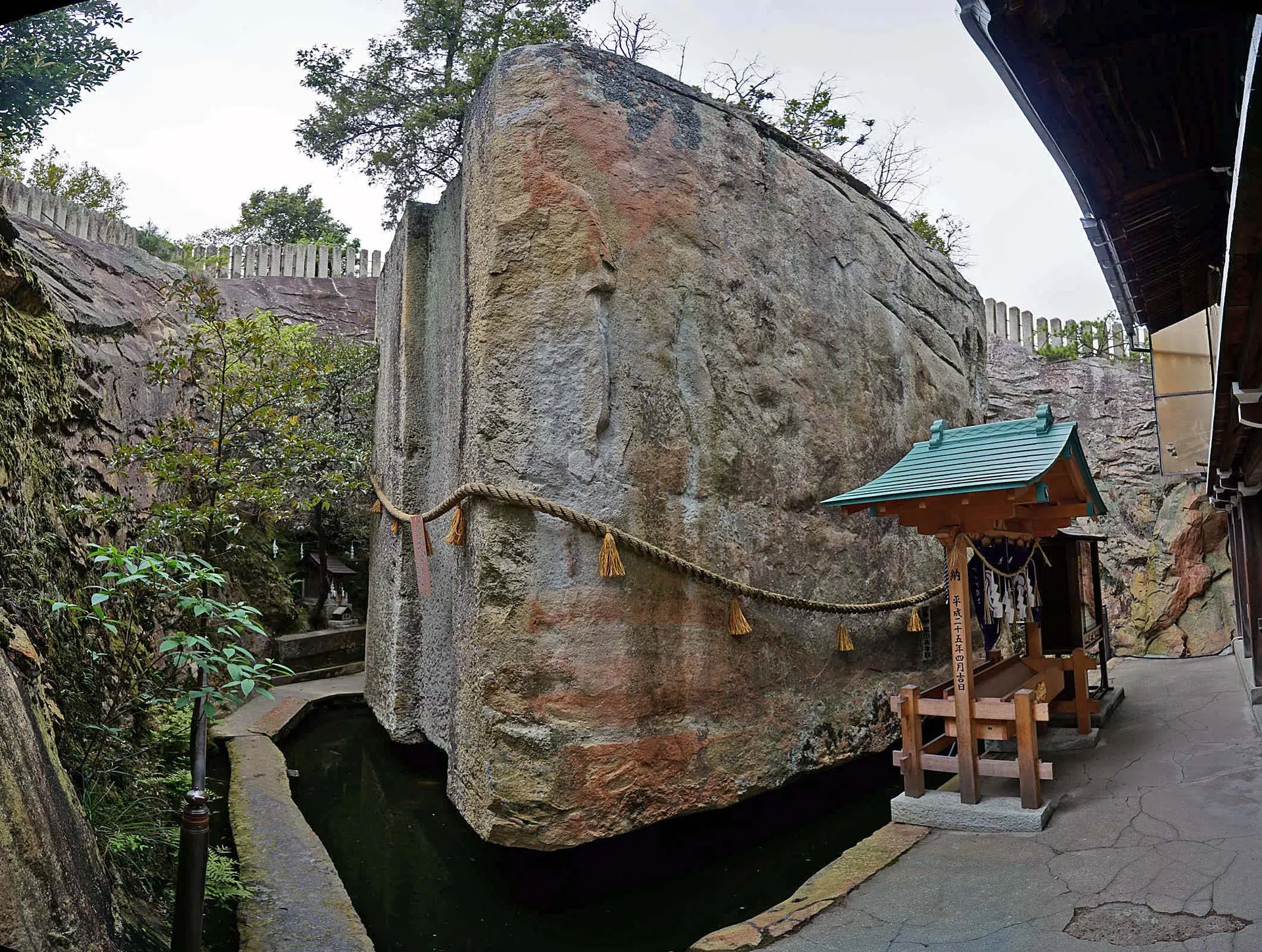
Ishi-no-Hoden, Himeji
Takasago, Hyogo Prefecture, Japan
Rising from a sacred pool whose waters never dry, Ishi-no-Hoden appears to defy gravity itself....
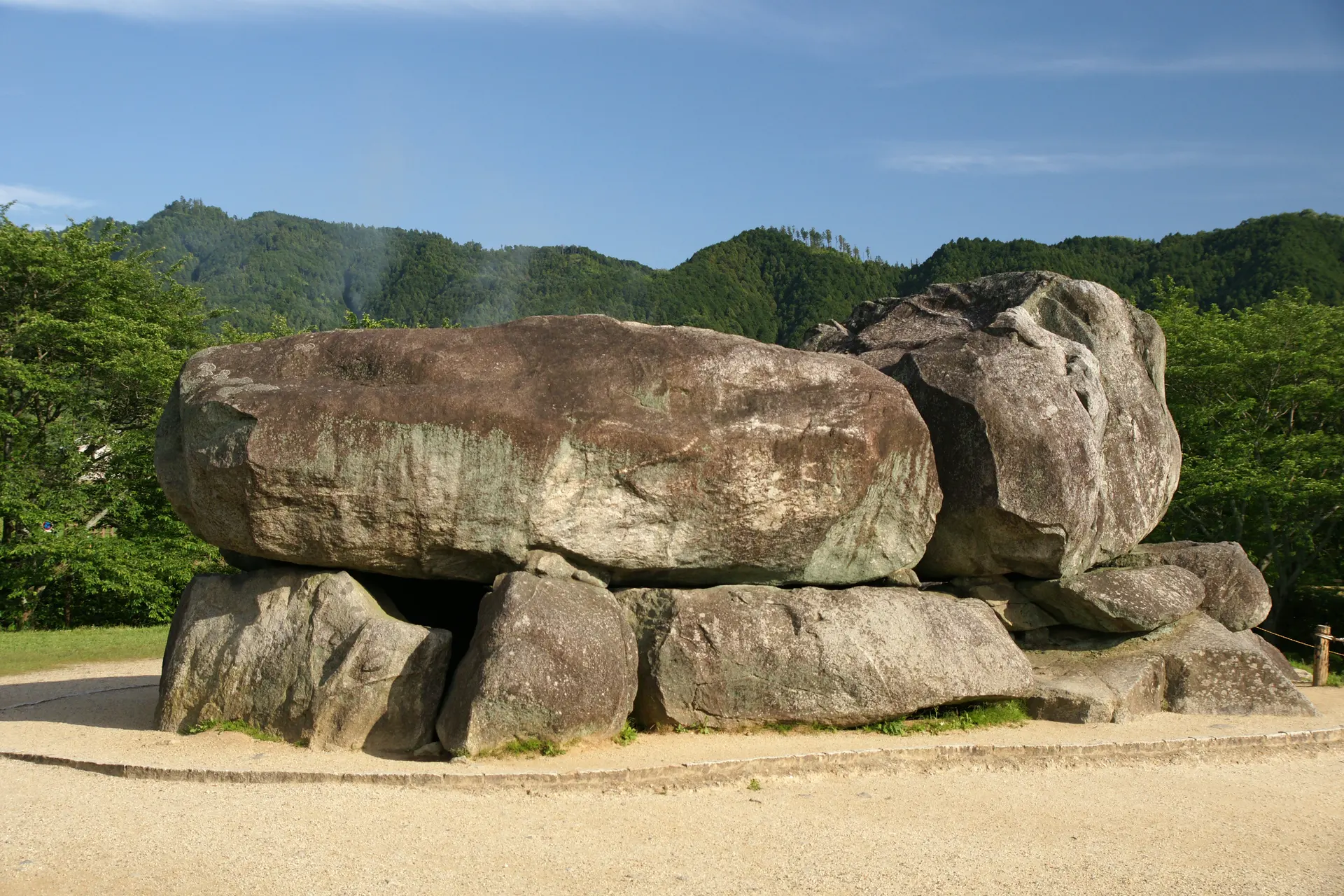
Ishibutai Kofun, Asuka
Asuka, Nara Prefecture, Japan
In the Asuka valley, thirty granite megaliths weighing over 2,200 tons form Japan's largest known ancient burial chamber....
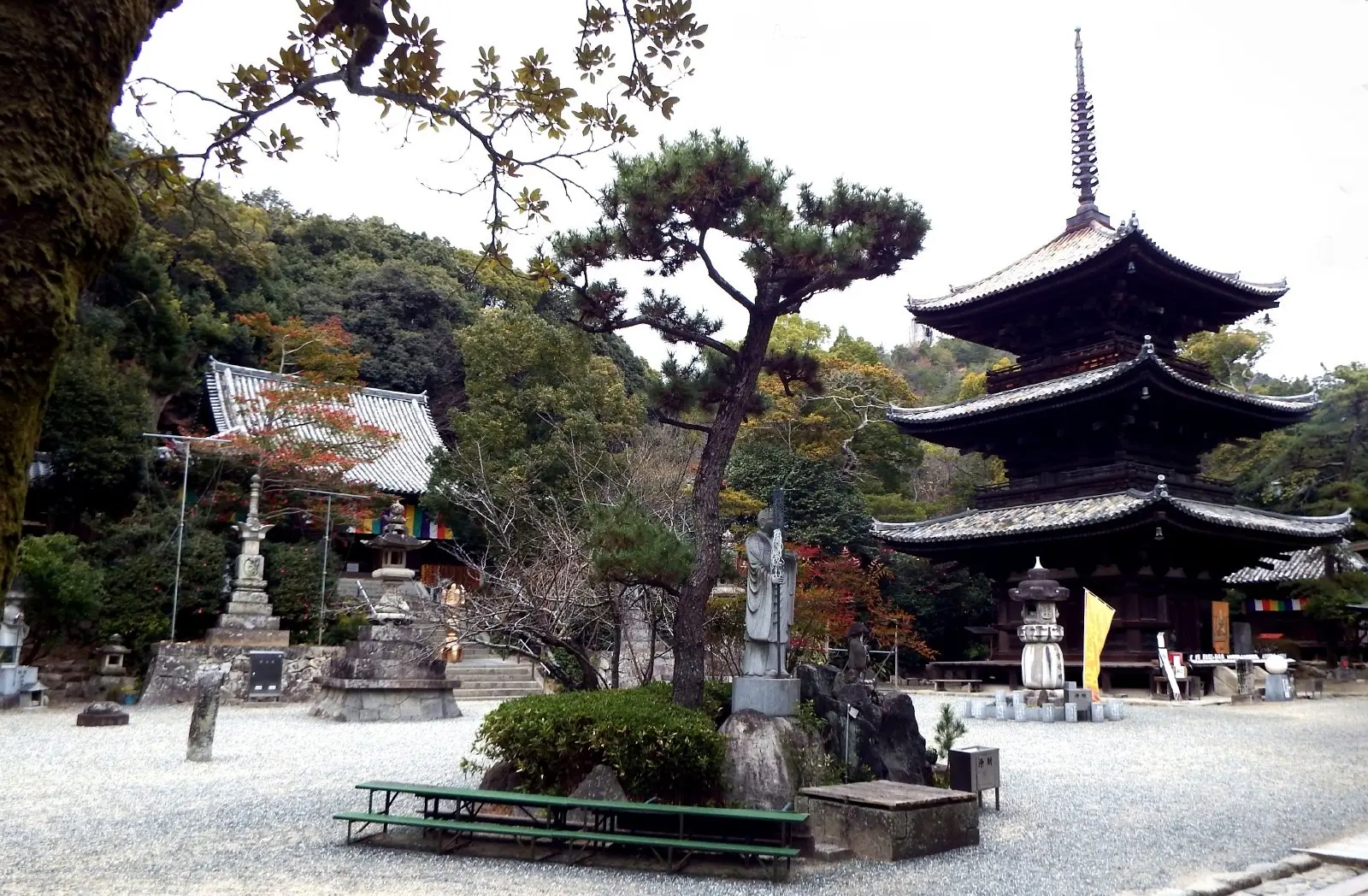
Ishite-ji
Matsuyama, Ehime Prefecture, Japan
Temple 51 of the Shikoku henro is the legendary birthplace of the entire pilgrimage tradition....
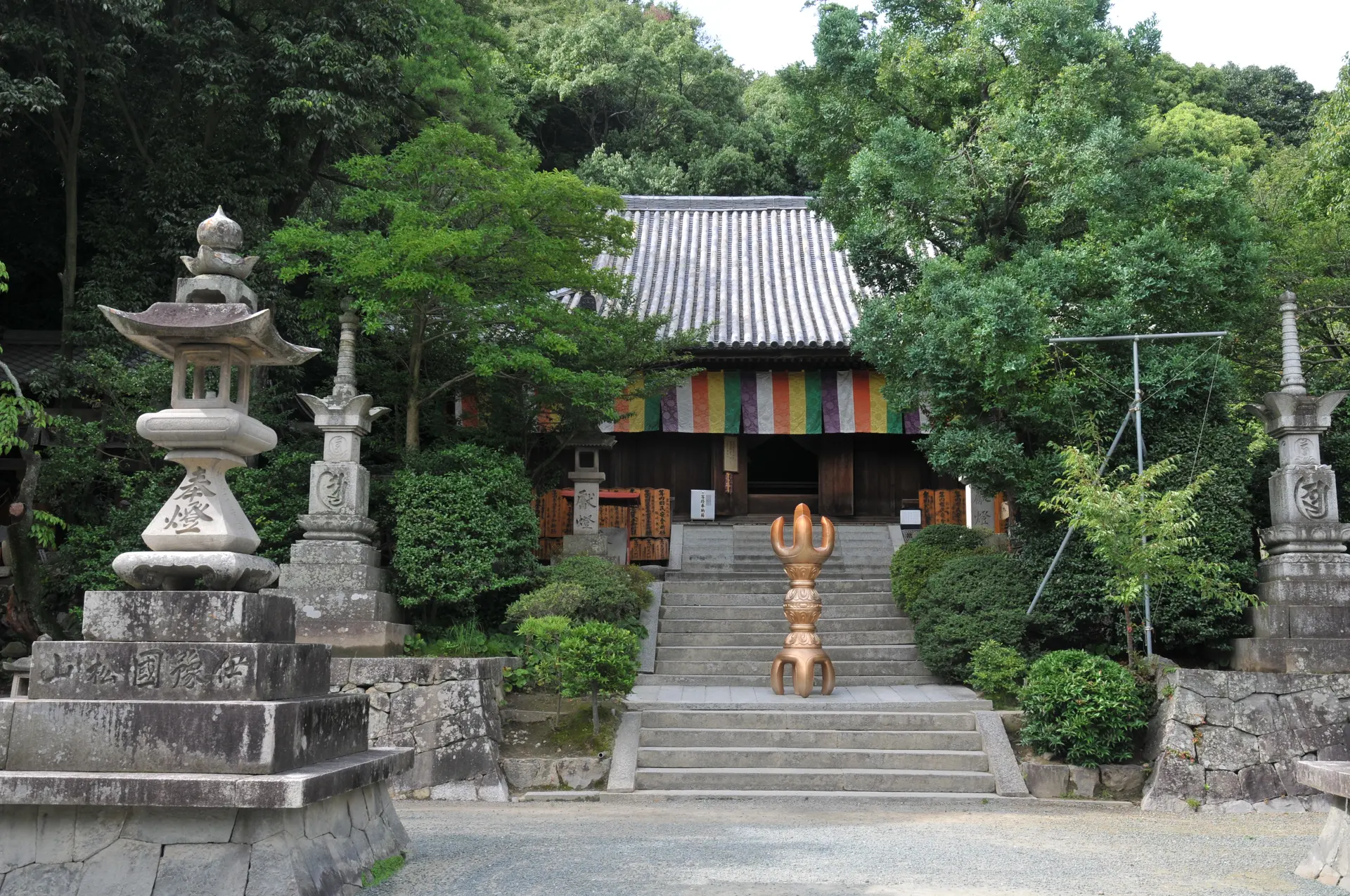
Ishiteji Temple, Matsuyama
Matsuyama, Ehime Prefecture, Japan
At Temple 51 of Japan's most famous pilgrimage, a stone preserved for twelve centuries tells of sin, remorse, and redemption....

Ishiyama-dera
Otsu, Shiga Prefecture, Japan
Ishiyama-dera is station 13 on the Saigoku Kannon Pilgrimage, a Shingon Buddhism, Heian aristocratic Kannon devotion temple in Shiga dedicated to Nyoirin Kannon....

Itsukushima Shrine
Hatsukaichi, Hiroshima Prefecture, Japan
Itsukushima Shrine, stands in Hatsukaichi. At Itsukushima Shrine, Shinto guides custody....

Iwamoto-ji
Shimanto, Kochi Prefecture, Japan
Iwamoto-ji is the thirty-seventh stop on the Shikoku 88 and the only one enshrining five principal images simultaneously — Fudō Myōō, Shō Kannon, Amida Nyorai, Yakushi...

Iwanoue-dō
Chichibu, Saitama Prefecture, Japan
Iwanoue-dō is the twentieth station of the Chichibu 34 Kannon Pilgrimage, a Rinzai Zen hall of the Nanzen-ji branch perched on a bluff above the Arakawa river....

Iwashimizu Hachimangū
Yawata, Kyoto Prefecture, Japan
Hachiman’s protective sanctuary on Mount Otokoyama. Iwashimizu Hachimangū remains an active Shinto shrine....
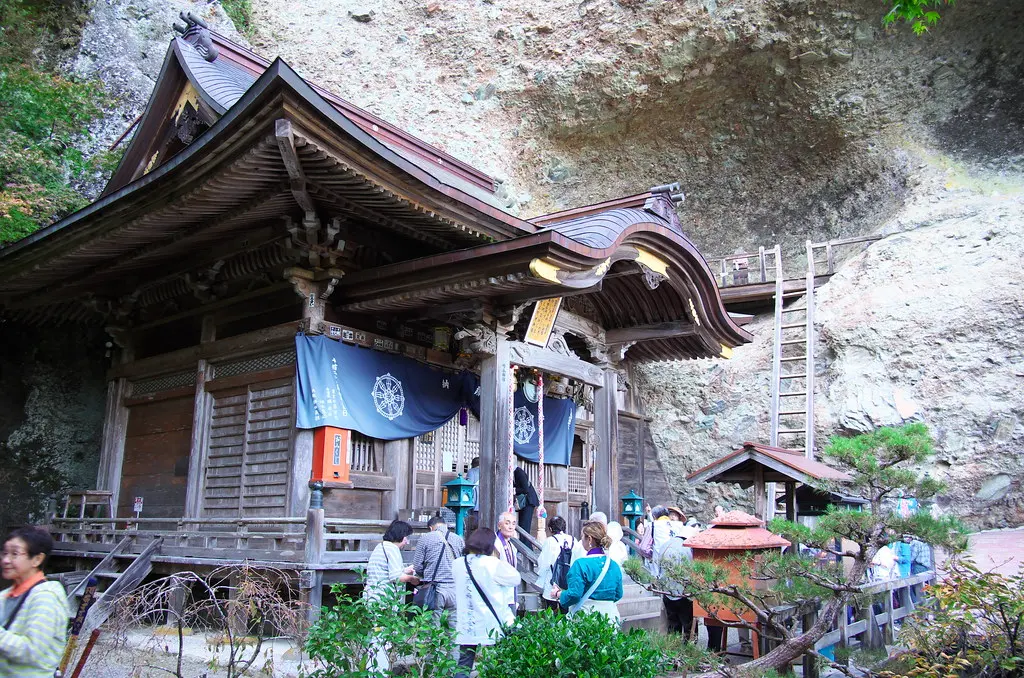
Iwaya-ji
Kumakōgen, Ehime Prefecture, Japan
Iwaya-ji is the forty-fifth temple of the Shikoku pilgrimage and a designated National Scenic Beauty....

Iyadani-ji
Mitoyo, Kagawa Prefecture, Japan
Iyadani-ji is one of three reizan — spirit mountains — of Shikoku, places where the souls of the dead are traditionally felt to gather....
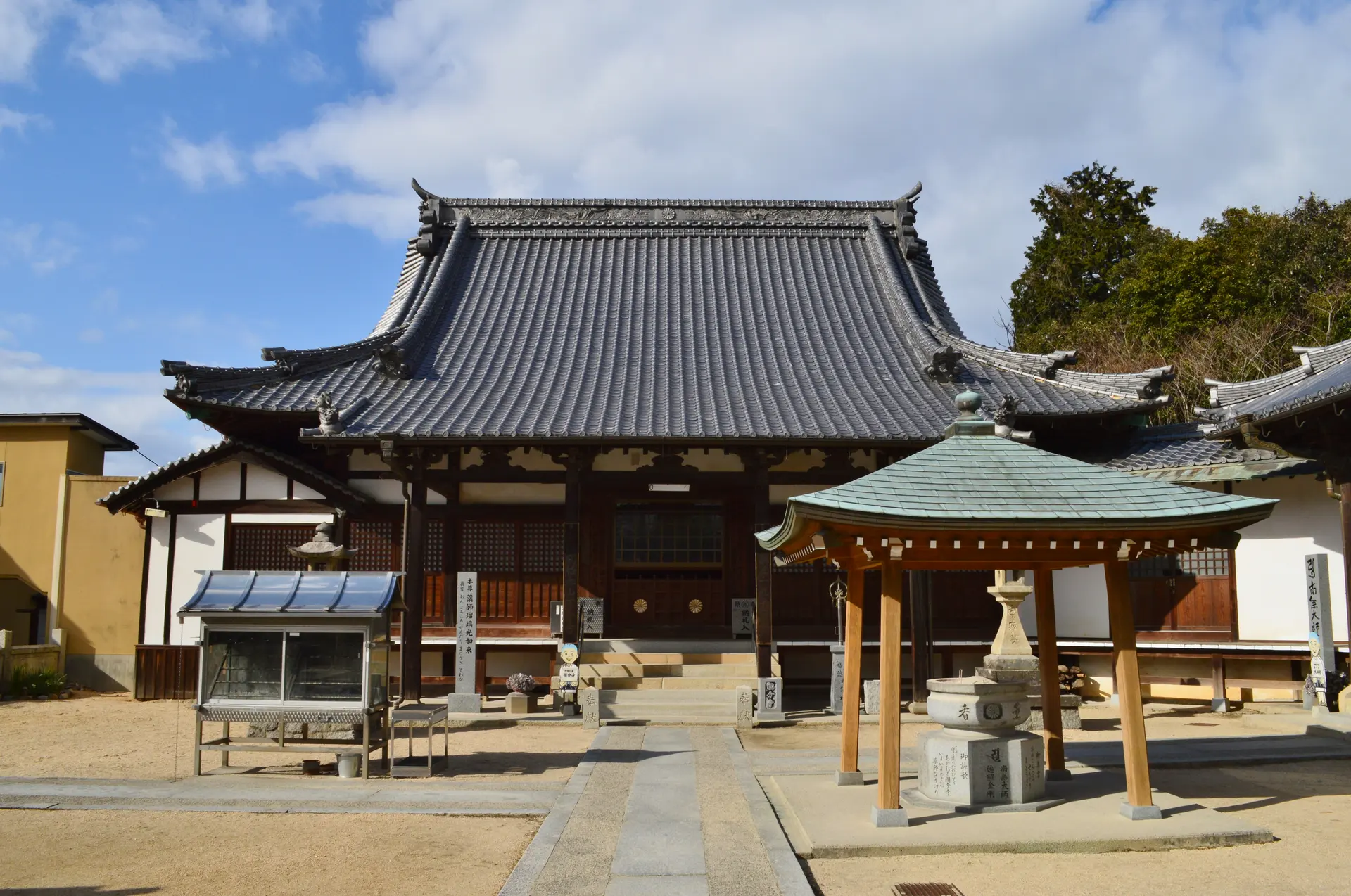
Iyo Kokubun-ji
Imabari, Ehime Prefecture, Japan
Iyo Kokubun-ji is the 59th fudasho on the Shikoku 88 and one of the original kokubunji established in 741 by Emperor Shōmu's edict to protect the realm....
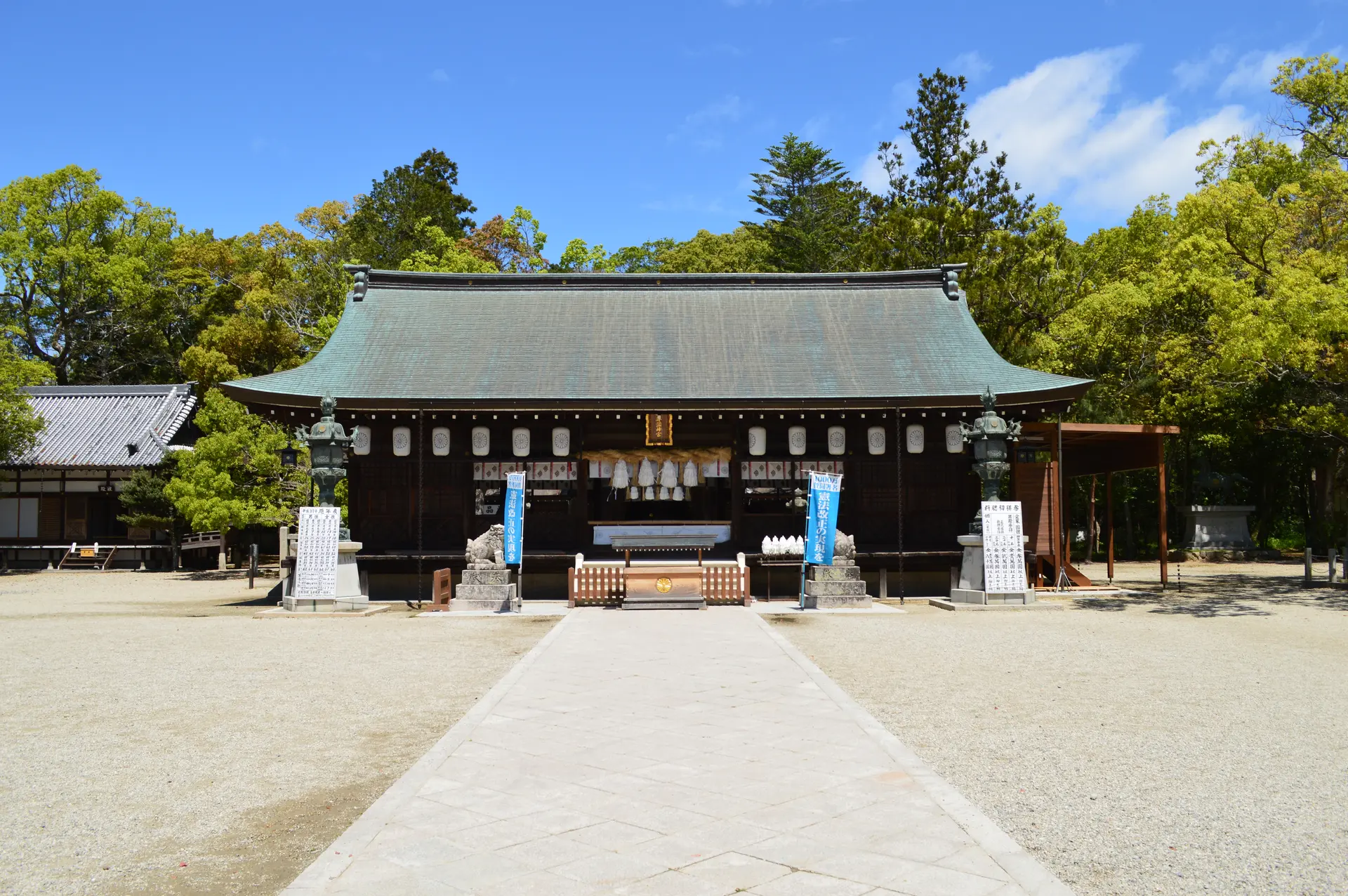
Izanagi Shinto Shrine, Awaji Island
Awaji, Hyogo Prefecture, Japan
On Awaji Island—the first land formed in Japanese creation mythology—stands the shrine built over the tomb of the god who created Japan....

Izumo Taisha (Izumo Grand Shrine)
Izumo, Shimane Prefecture, Japan
Each October by the lunar calendar, something extraordinary happens in Izumo. While the rest of Japan celebrates Kannazuki, the Month Without Gods, this corner of Shimane...

Jataki Falls (Ja-taki)
Mount Takao, Tokyo, Japan
Ja-taki is a waterfall practice site associated with Takao Yakuō-in in Tokyo's western mountains....

Jigen-ji
Chichibu, Saitama Prefecture, Japan
Jigen-ji, thirteenth station of the Chichibu 34 Kannon Pilgrimage, is a Sōtō Zen temple whose name — 'compassionate eyes' — is drawn from a verse of the Kannon Sutra....

Jikō-ji
Tokigawa, Saitama Prefecture, Japan
Jikō-ji on Mount Toki, founded in tradition in 673 and as an institution in 770 CE, is one of the oldest Tendai mountain temples in the Kantō....
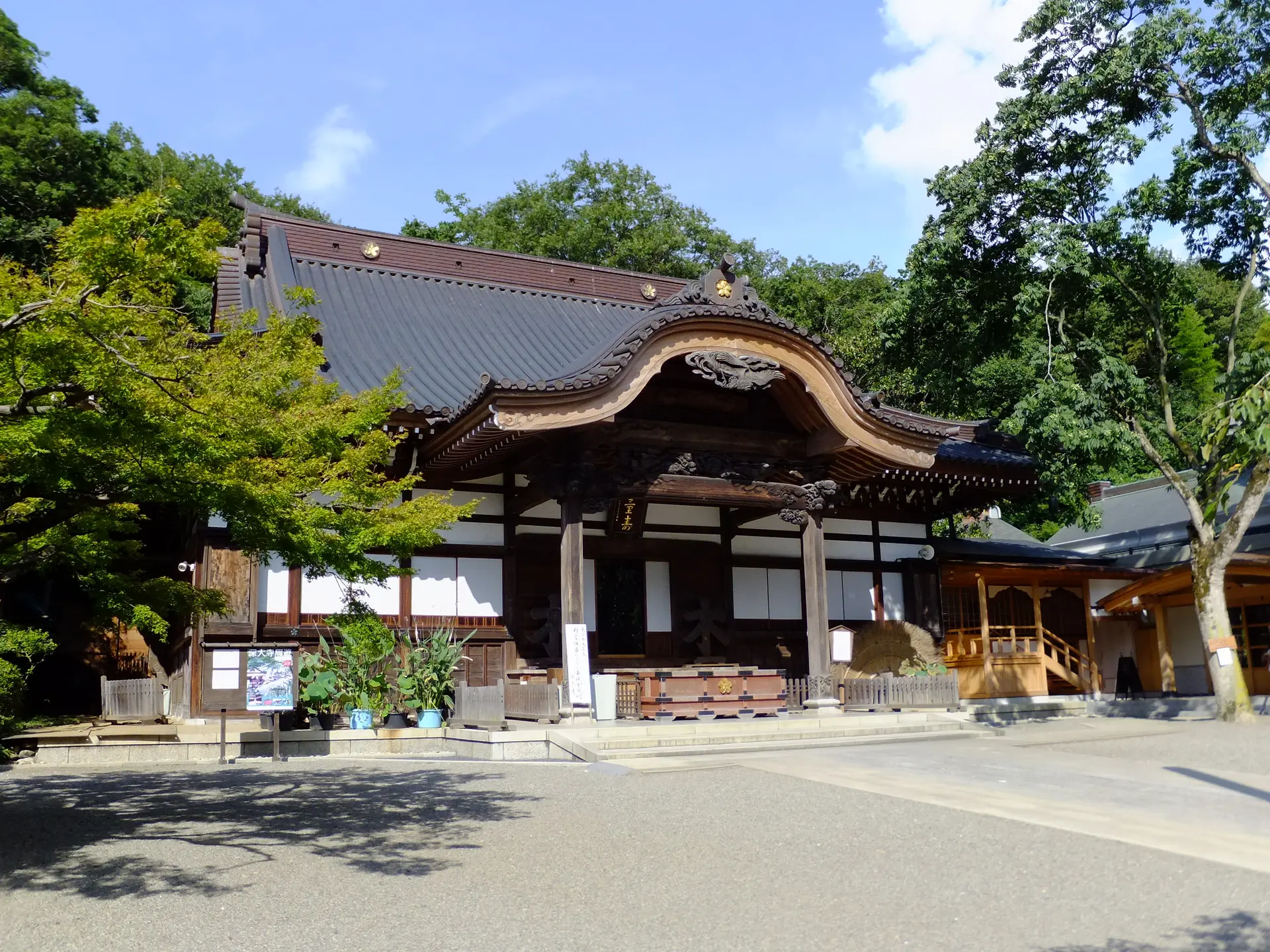
Jindaiji Temple
Jindaiji Motomachi, Tokyo, Japan
Jindaiji Temple (深大寺) is an active Tendai Buddhism sacred place in Tokyo. The record is grounded in an exact Google Place ID, nearby coordinates, institutional or...

Jingo-ji
Kyoto, Kyoto Prefecture, Japan
Kukai’s teaching memory reached by a demanding climb through Takao. Jingo-ji remains an active Shingon Buddhism temple....
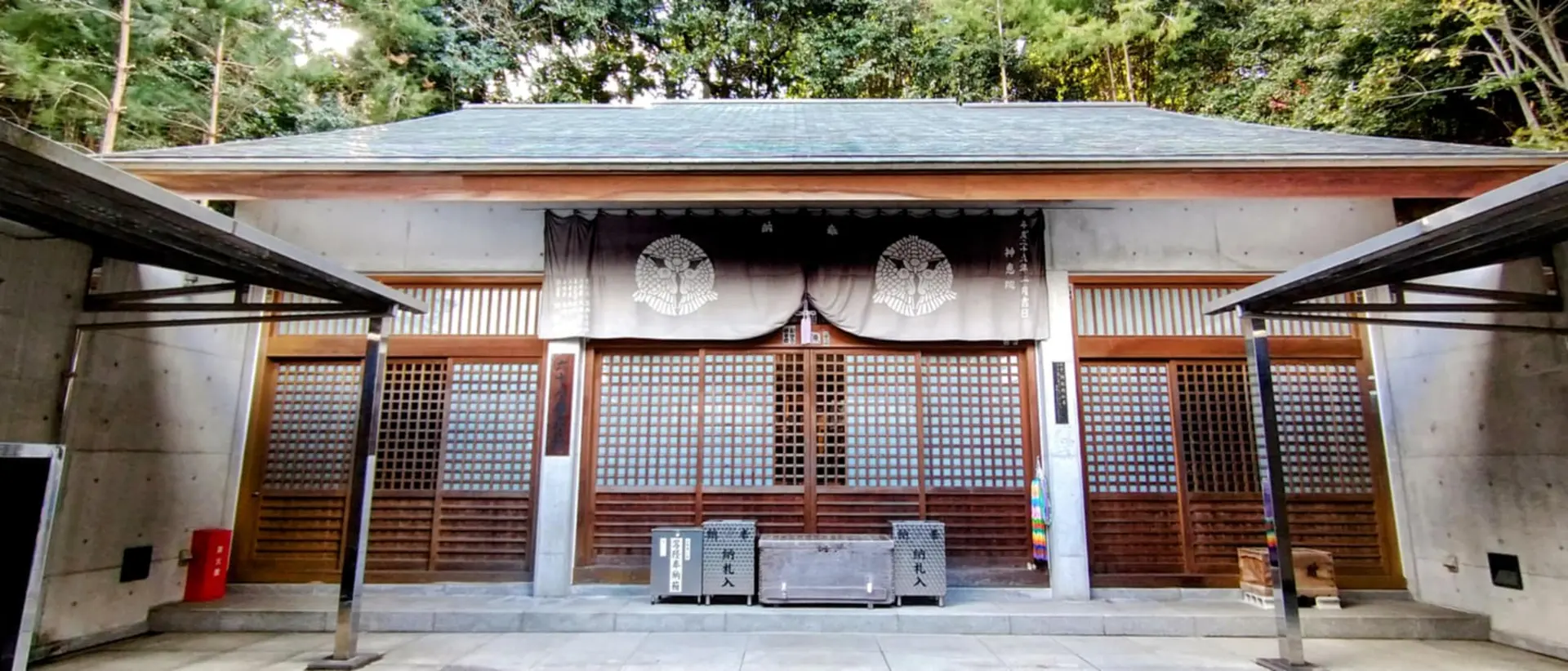
Jinne-in
Kan'onji, Kagawa Prefecture, Japan
Jinne-in stands on Mt. Kotohiki in Kan'onji, Kagawa, sharing a single precinct with Kannon-ji at Temple 69 — one of the rarest configurations on the Shikoku 88....

Jion-ji
Saitama, Saitama Prefecture, Japan
Jion-ji is the twelfth station of the Bandō Sanjūsankasho pilgrimage, founded by tradition in the early ninth century by Ennin and named for Daji'en-si in Tang Chang'an —...

Jishō-ji (Ginkaku-ji)
Kyoto, Kyoto Prefecture, Japan
Higashiyama culture and Zen restraint across sand, moss, and wooded slope. Jishō-ji (Ginkaku-ji) remains an active Rinzai Zen Buddhism temple....
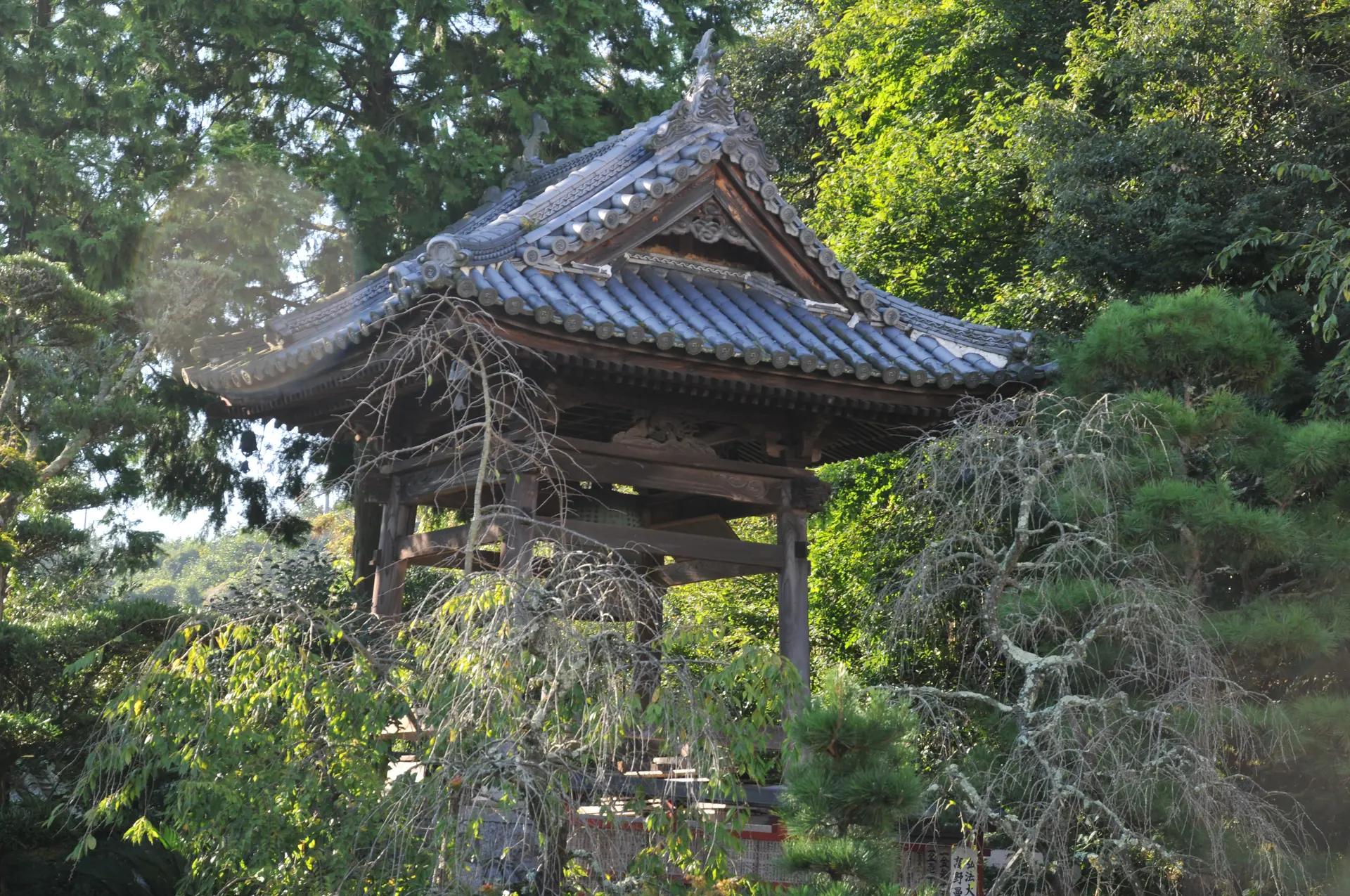
Jison-in
Kudoyama, Wakayama Prefecture, Japan
Jison-in (慈尊院) is the temple at Kudoyama traditionally regarded as the lower-world entrance to Koyasan and the starting threshold of Choishi-michi.

Jizō-ji
Itano, Tokushima Prefecture, Japan
Jizō-ji is Temple 5 of the Shikoku 88, in Itano, Tokushima. Within the principal Enmei Jizō image is a smaller Shōgun Jizō said to be carved by Kūkai....

Jodo-ji
Hyogo Prefecture, Japan
Gokurakusan Jōdo-ji in Ono shelters two of the only Buddhist National Treasures in Hyōgo: the 1194 Jōdō-dō, a rare survival of Daibutsu-yō architecture, and Kaikei's...

Jōdo-ji
Matsuyama, Ehime Prefecture, Japan
Temple 49 of the Shikoku henro stands in low hills south of Matsuyama, weathered and quiet beside its busier neighbours....

Jōdo-ji (Daijōritsu-in)
Onomichi, Hiroshima Prefecture, Japan
Jōdo-ji crowns a hill above the Onomichi waterway and serves as Chūgoku 33 Kannon Pilgrimage station #9....

Jōraku-ji
Chichibu, Saitama Prefecture, Japan
Jōraku-ji, eleventh station of the Chichibu 34 Kannon Pilgrimage, was the route's only Tendai temple through the Edo period before fire and Meiji-era reform reshaped it....
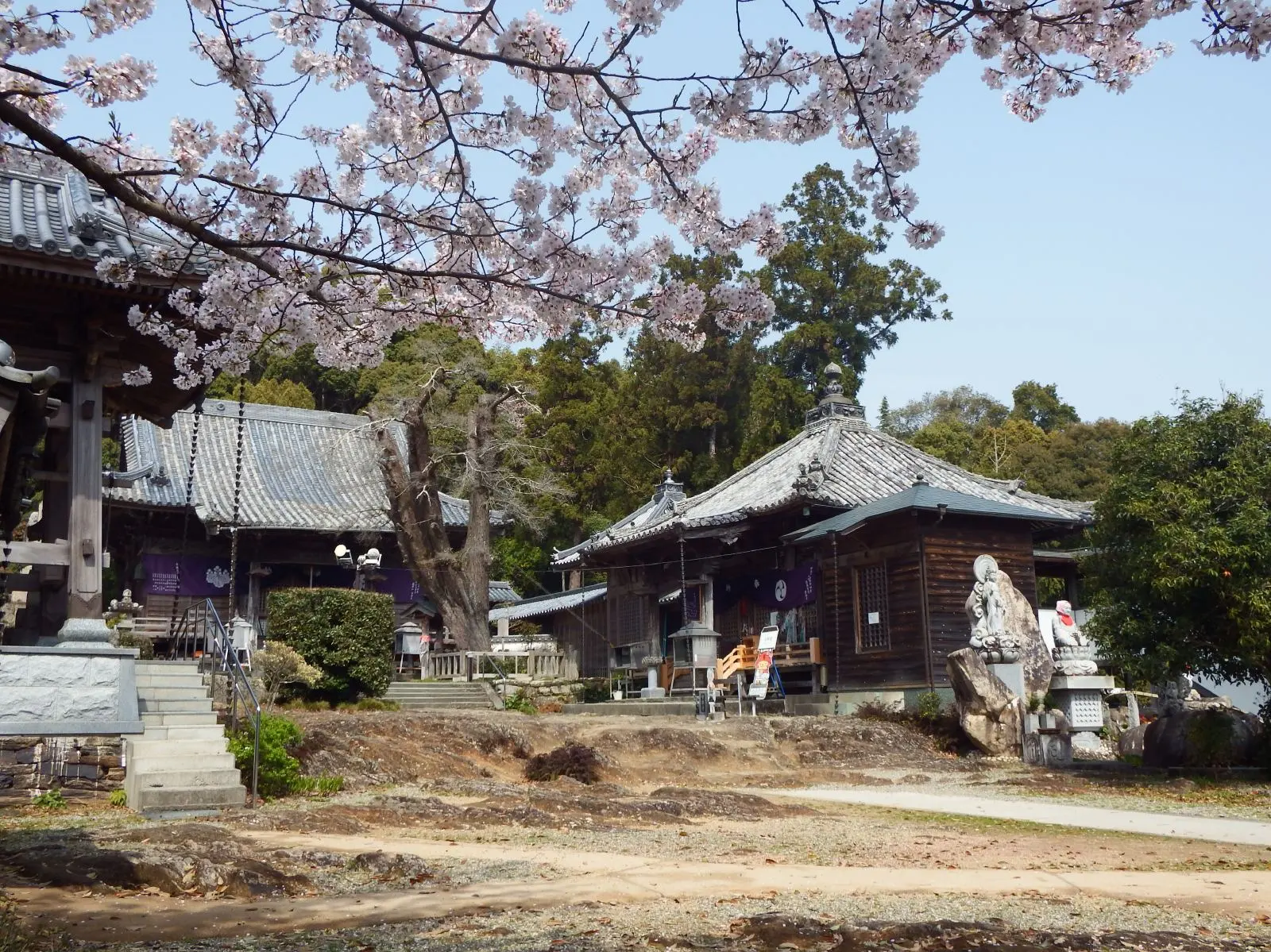
Jōraku-ji
Tokushima, Tokushima Prefecture, Japan
Jōraku-ji is the only temple of the Shikoku 88 dedicated to Miroku Bosatsu, the future Buddha....
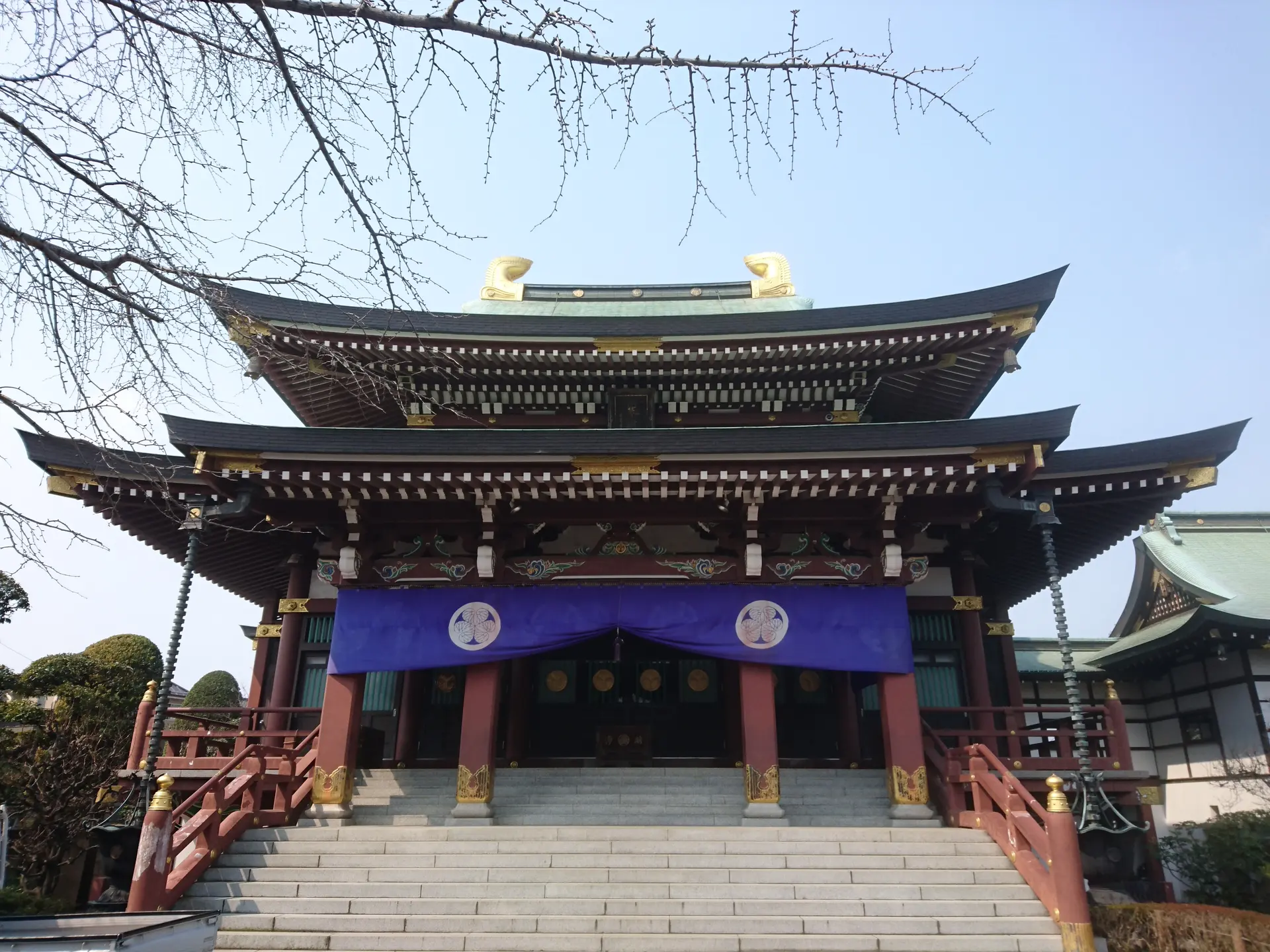
Jōren-ji (Tokyo Daibutsu)
Itabashi City, Tokyo, Japan
Jōren-ji (Tokyo Daibutsu) (乗蓮寺) is an active Japanese Buddhism sacred place in Tokyo....

Jōrin-ji
Chichibu, Saitama Prefecture, Japan
Jōrin-ji, seventeenth station of the Chichibu 34 Kannon Pilgrimage, is a small Sōtō Zen temple founded as an act of warrior repentance....
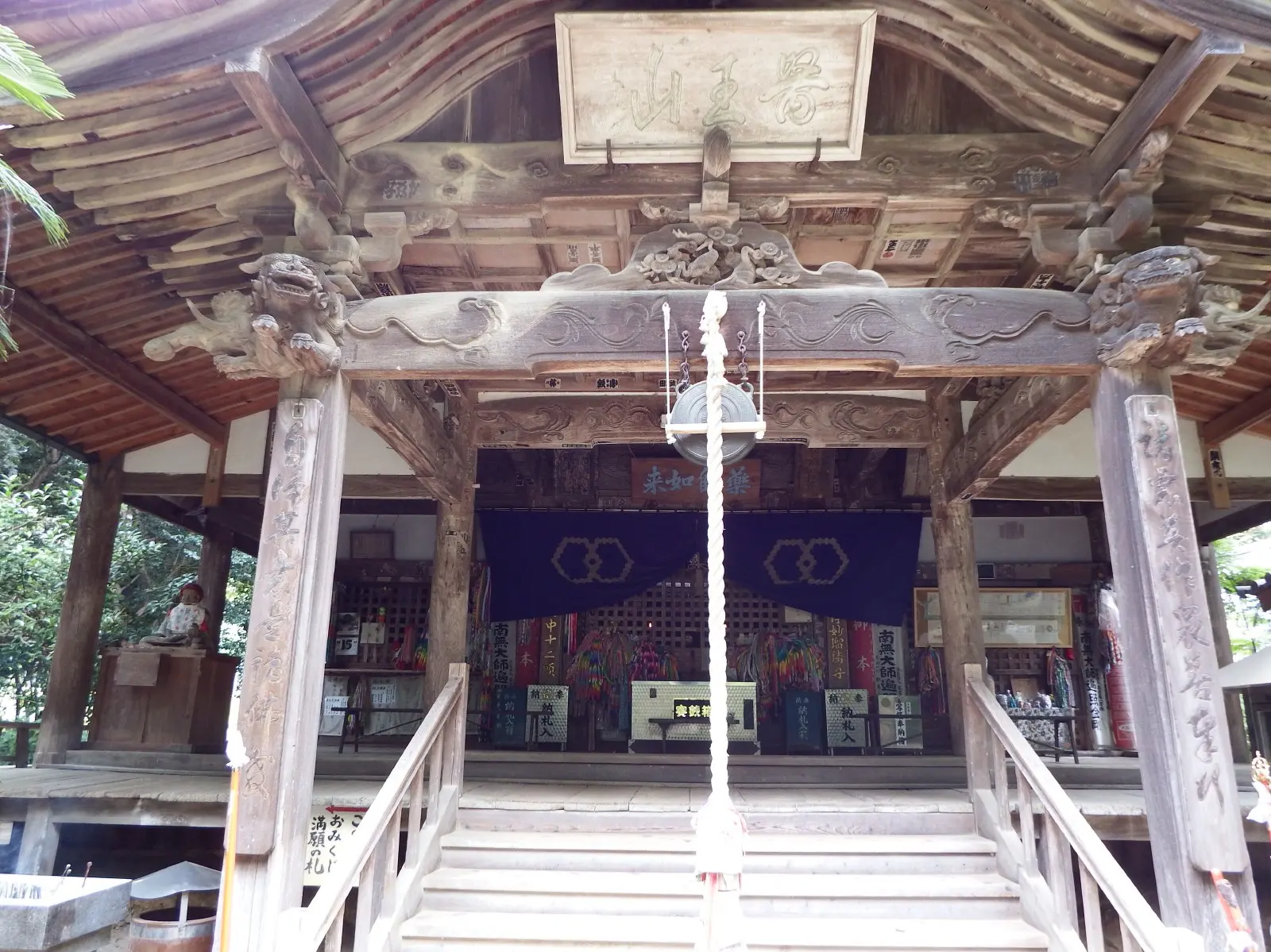
Jōruri-ji
Matsuyama, Ehime Prefecture, Japan
Jōruri-ji is the forty-sixth temple of the Shikoku pilgrimage and the first of eight in the Matsuyama cluster....
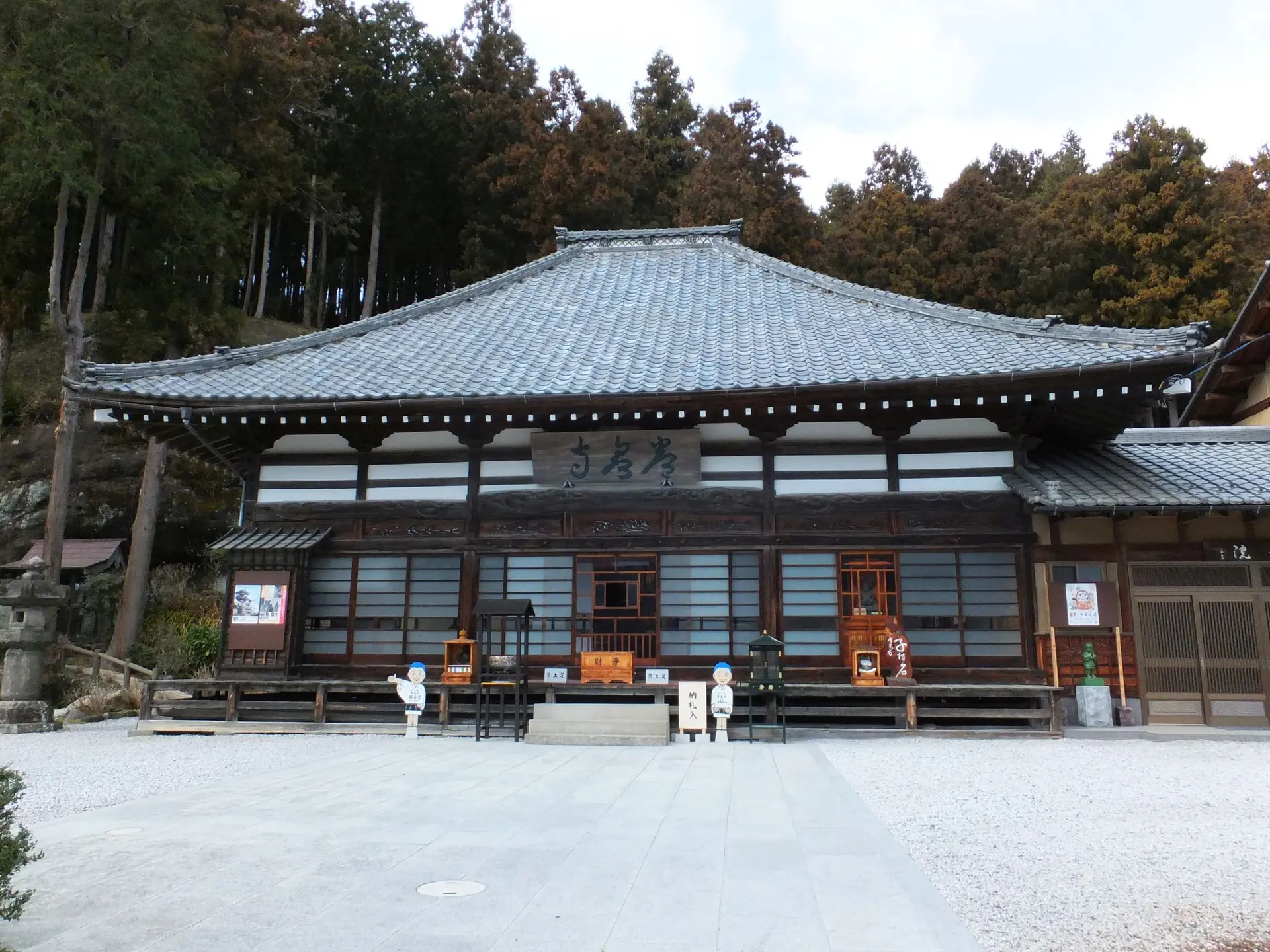
Jōsen-ji
Chichibu, Saitama Prefecture, Japan
Jōsen-ji is the third station of the Chichibu 34 Kannon Pilgrimage in Saitama, Japan....

Jūraku-ji
Awa, Tokushima Prefecture, Japan
Jūraku-ji is Temple 7 of the Shikoku 88, in Awa, Tokushima. The 'Temple of Ten Joys' offers two specialized intercessions: an eye-healing Jizō beside the Hondō and a row...

Kabusan-ji
Osaka Prefecture, Japan
Kabusan-ji is a Tendai mountain temple in the hills north of Takatsuki, traditionally founded by En no Gyōja in 697 CE and held to be the place where Bishamonten was first...

Kagaku-ji
Hyogo Prefecture, Japan
Banshū Akō Taiunzan Kagaku-ji is the Asano clan's family temple in Akō, founded in 1645 and made permanent home of Akō's memorial culture by the 1701–1703 vendetta of the...

Kakuman-ji
Osaka Prefecture, Japan
Kakuman-ji is one of the few Tendai Shinsei-shū temples outside the school's Sakamoto heartland near Mount Hiei....

Kakurin-ji
Hyogo Prefecture, Japan
Totasan Kakurin-ji in Kakogawa shelters two National Treasure halls — a 1112 Taishi-dō and a 1397 Main Hall whose three-style synthesis is rare in Japan....
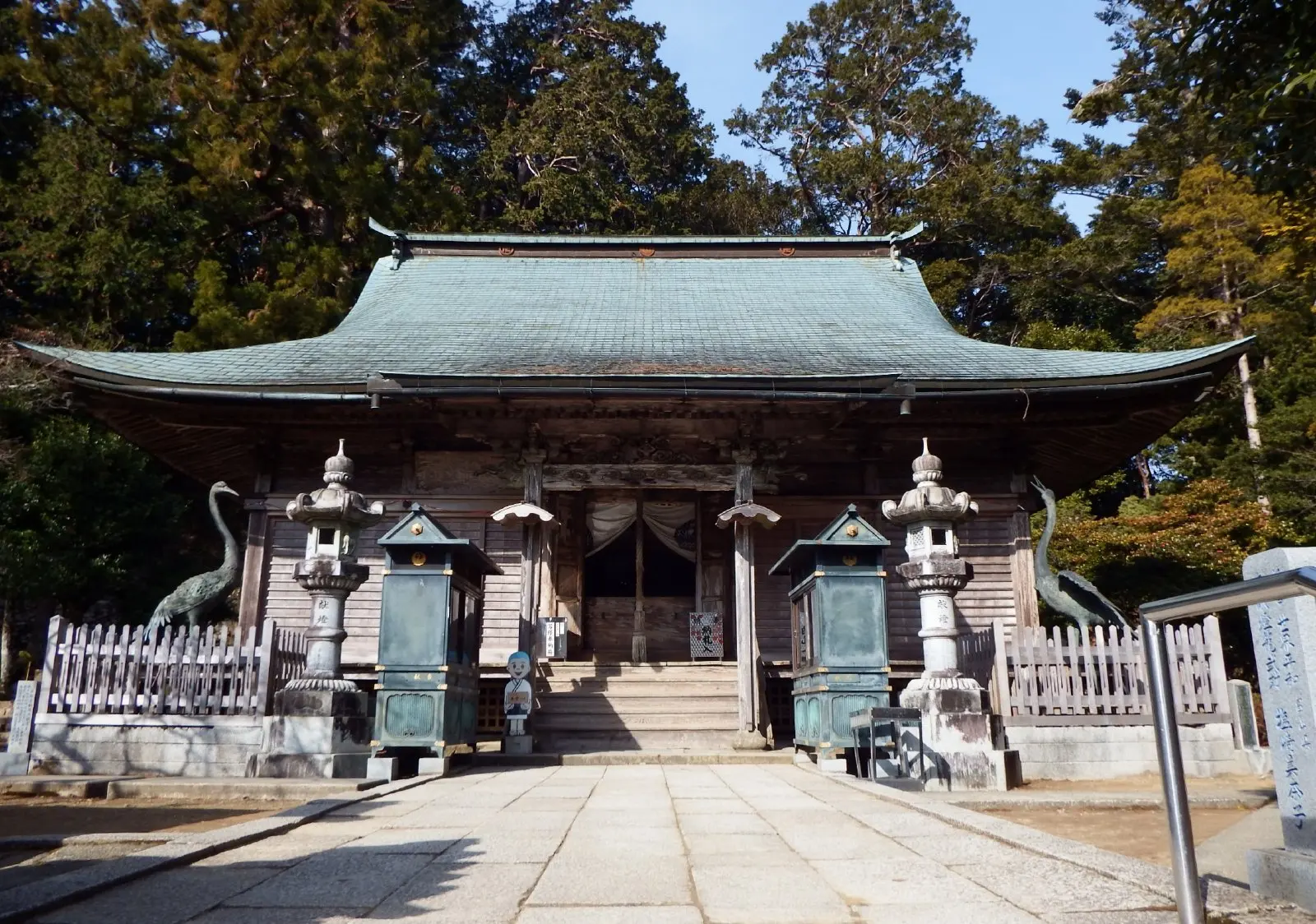
Kakurin-ji
Katsuura, Tokushima Prefecture, Japan
Kakurin-ji, Temple 20 of the Shikoku 88, sits high on Mount Washinō in Katsuura....
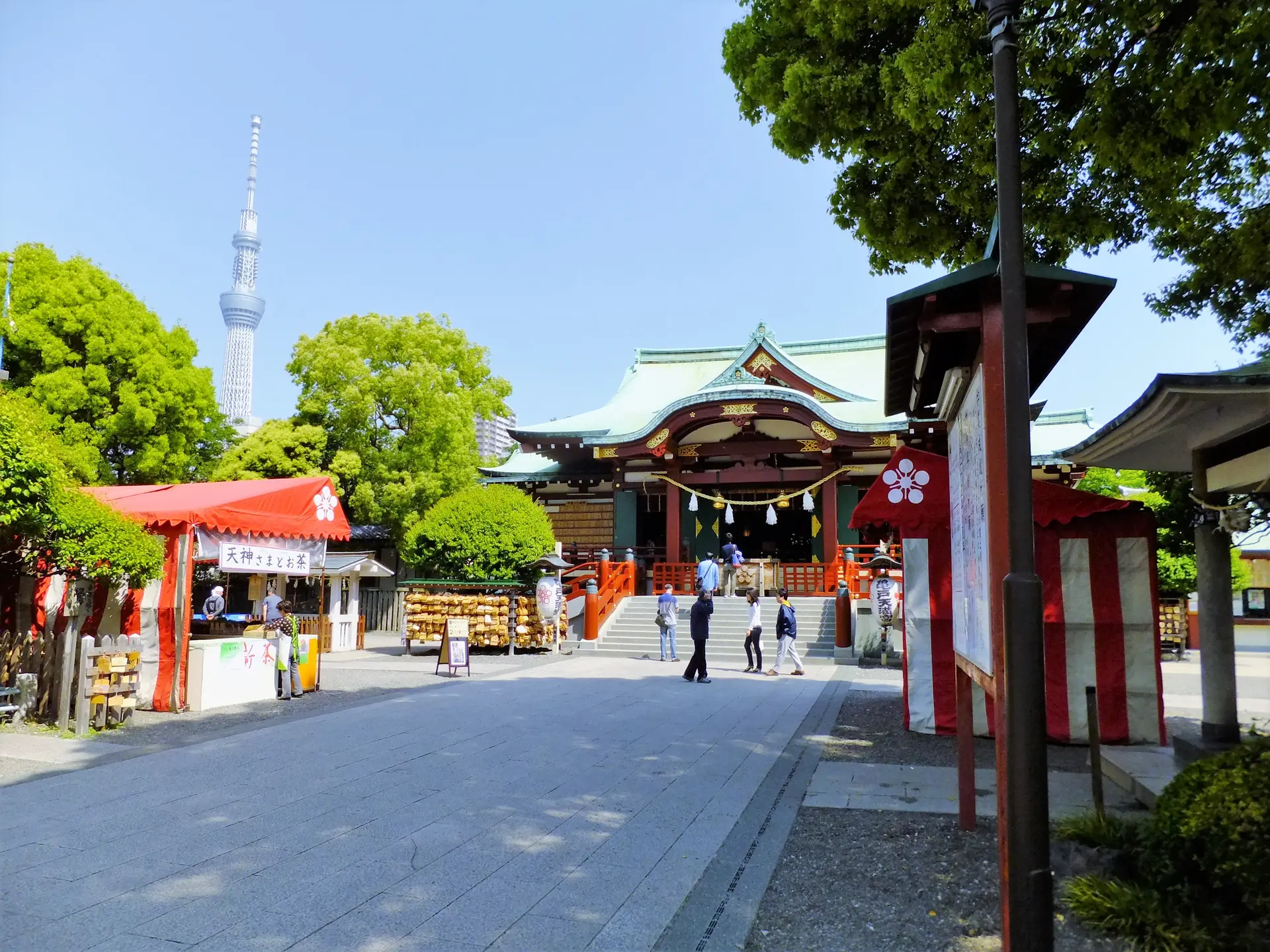
Kameido Tenjin Shrine
Koto City, Tokyo, Japan
Kameido Tenjin Shrine (亀戸天神社) is an active Shinto sacred place in Tokyo. The record is grounded in an exact Google Place ID, nearby coordinates, institutional or reference...
Showing 145-192 of 545 sites
Key questions
Japan sacred-site questions
What sacred sites can I explore in Japan?
Pilgrim Map lists sacred places in Japan across living worship sites, heritage landmarks, pilgrimage destinations, and culturally significant landscapes. The current guide lists 545 sites organized by region and tradition.
Which traditions are represented in Japan?
The most represented traditions include Buddhism, Shinto, Shingon Buddhism, Christianity, Shinto / Buddhism, Tendai Buddhism.
How should I plan a sacred-site visit in Japan?
Start with regional clusters, compare nearby places on the map, then open individual site pages for coordinates, etiquette, and sacred context where available.
Can I view Japan sacred sites on a map?
Yes. Switch to map view to compare geographic clusters, then open individual site pages for coordinates, visiting context, and related places.